Trail Ridge Road: Where Colorado Touches the Sky
There are drives… and then there are experiences that feel like they shouldn’t exist.
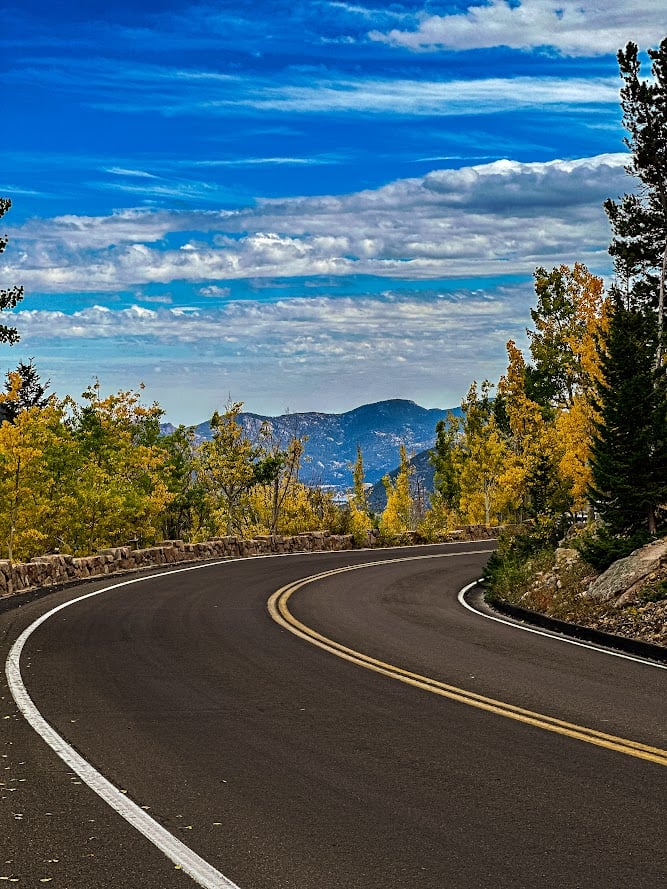
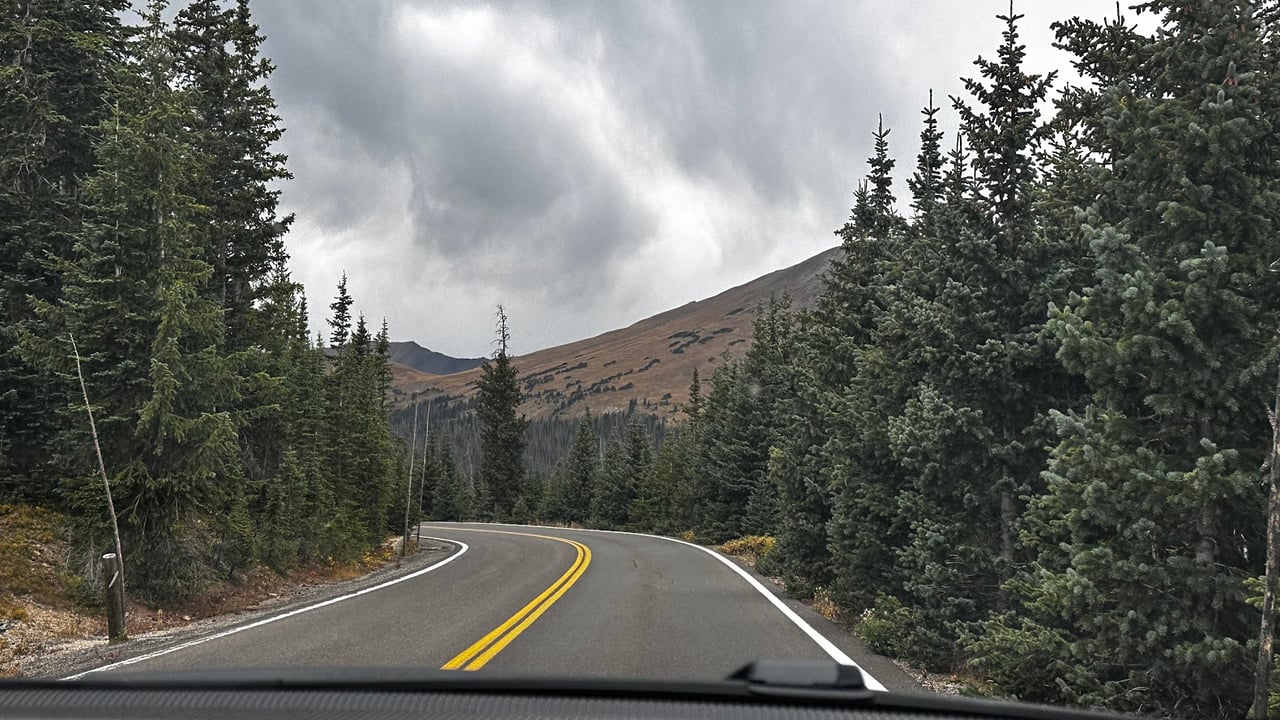
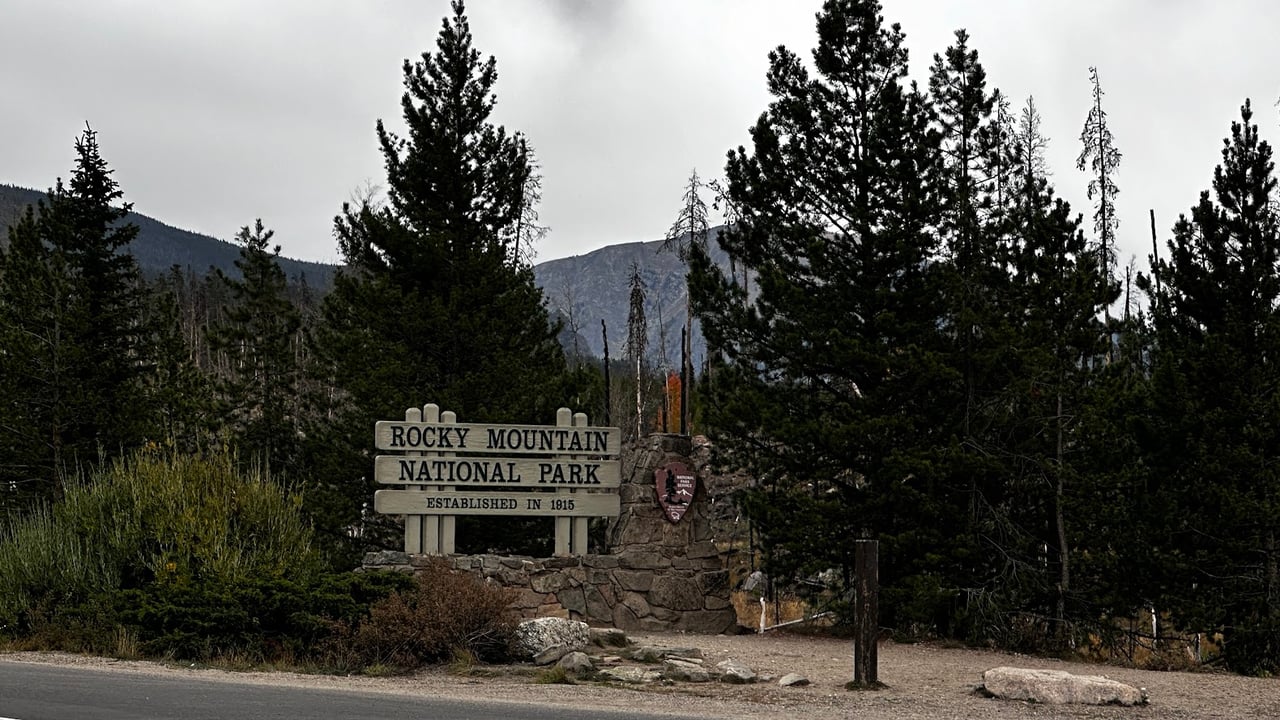
Trail Ridge Road in Rocky Mountain National Park isn’t just a scenic byway—it’s a slow ascent into another world. As your tires hum along the pavement, you’re not just climbing elevation, you’re crossing invisible boundaries between ecosystems, climates, and even states of mind.
This is the kind of place that makes you roll down your windows, not for fresh air but to make sure it’s real.
The Beginning: A Familiar Colorado, But Better
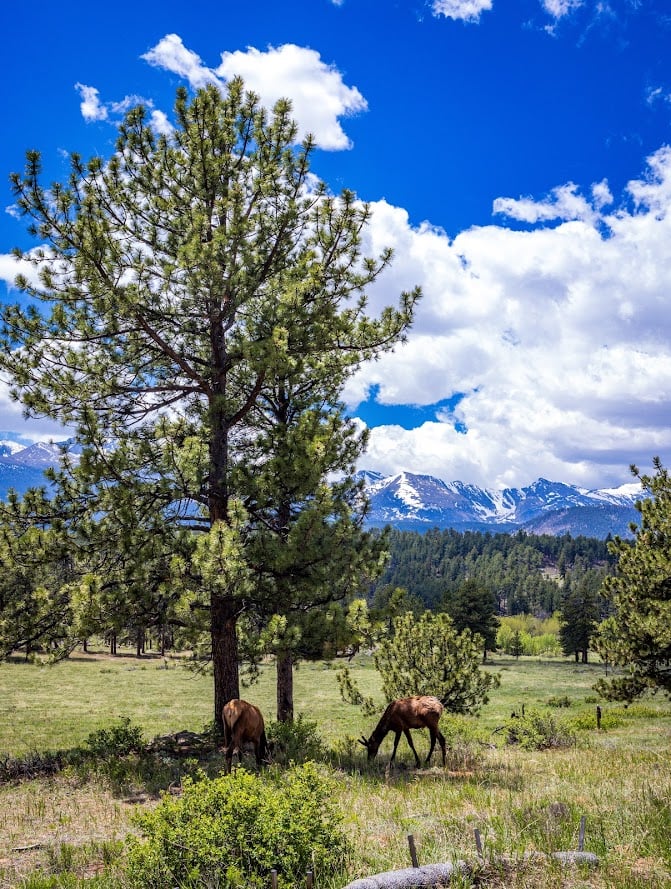
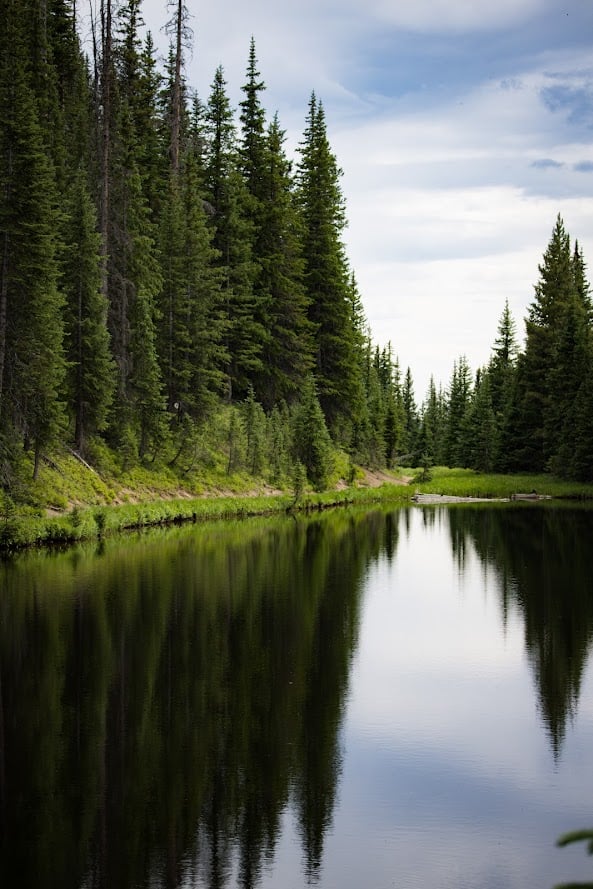
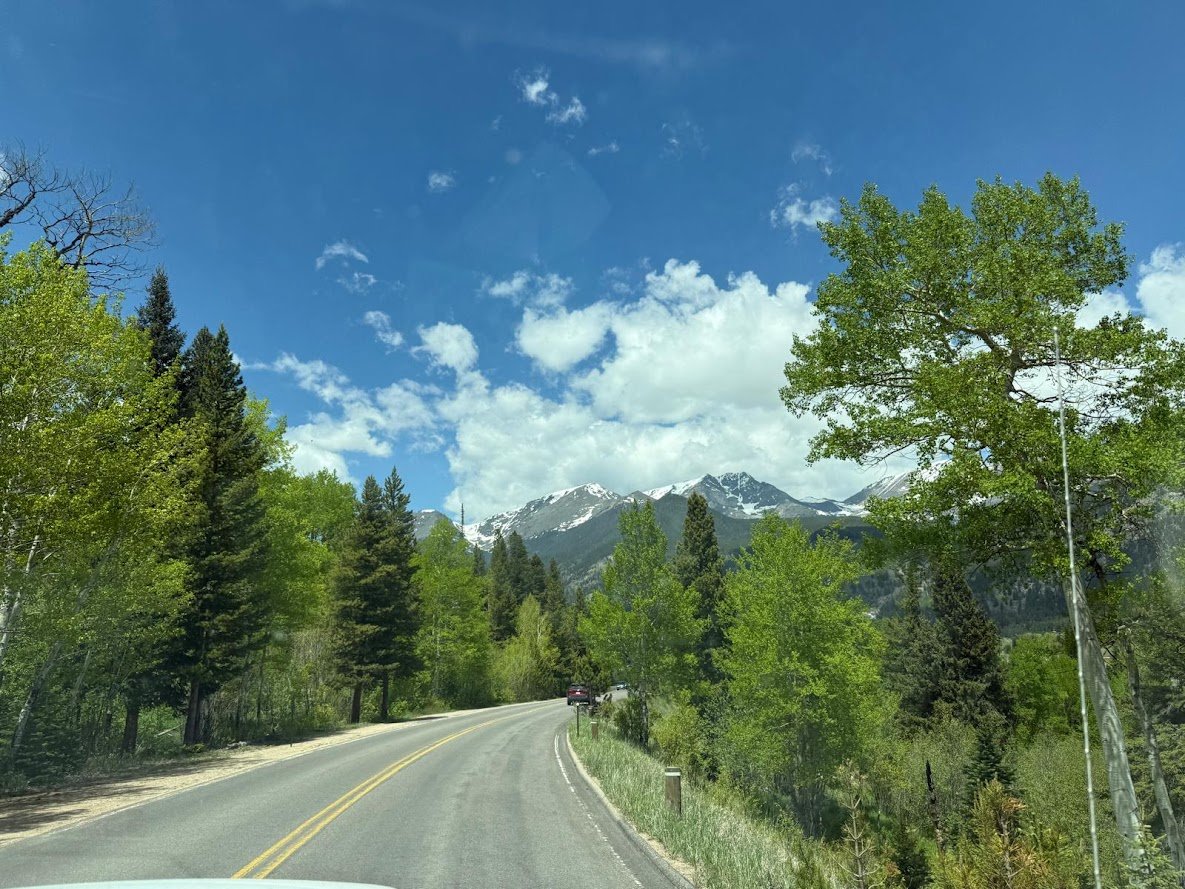
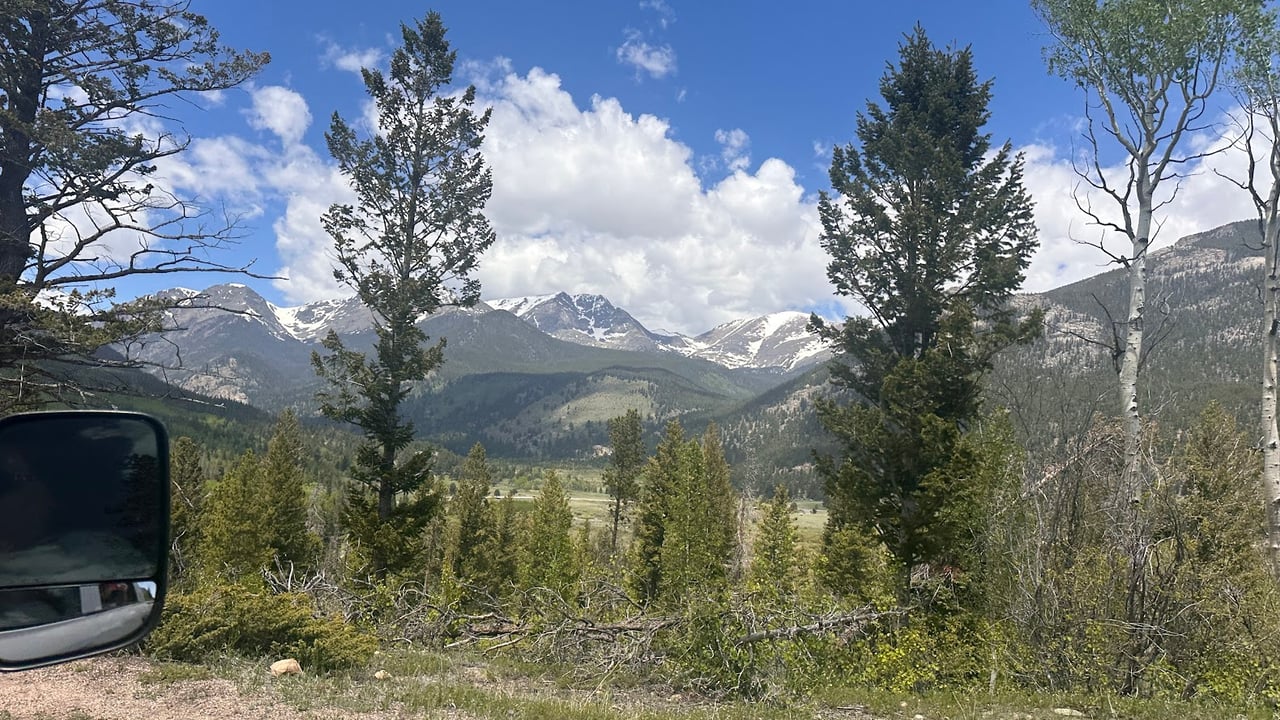
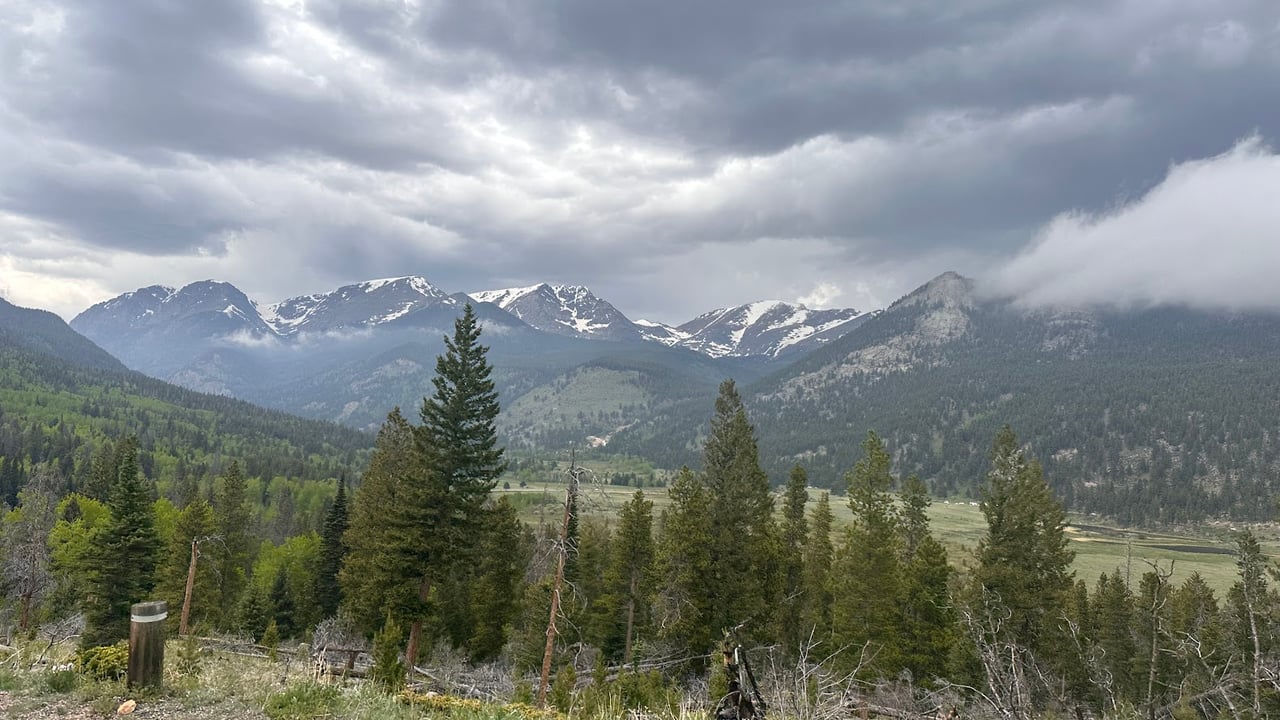
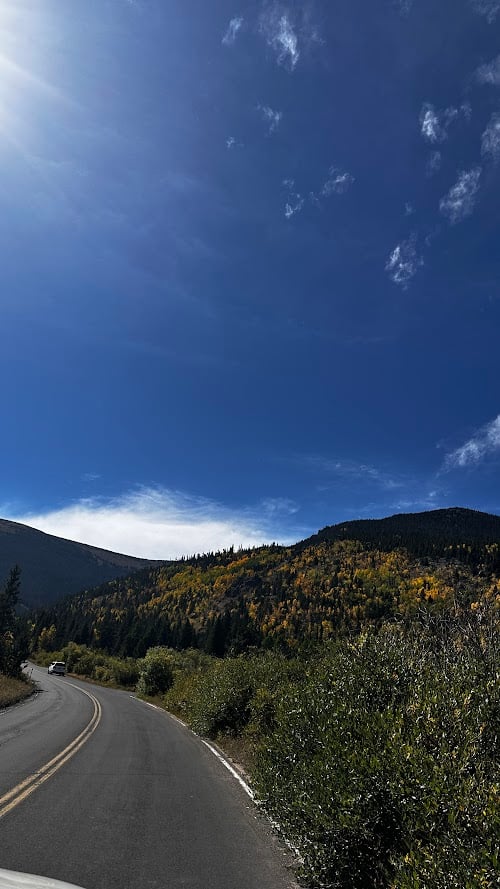
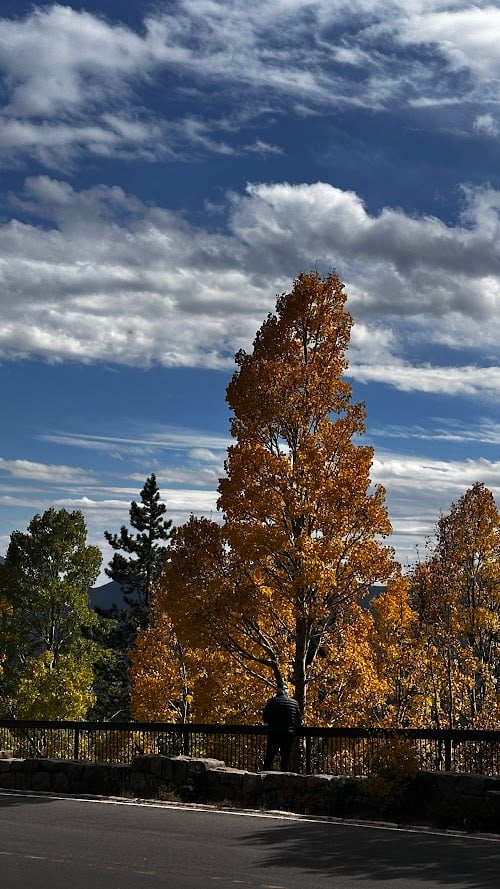
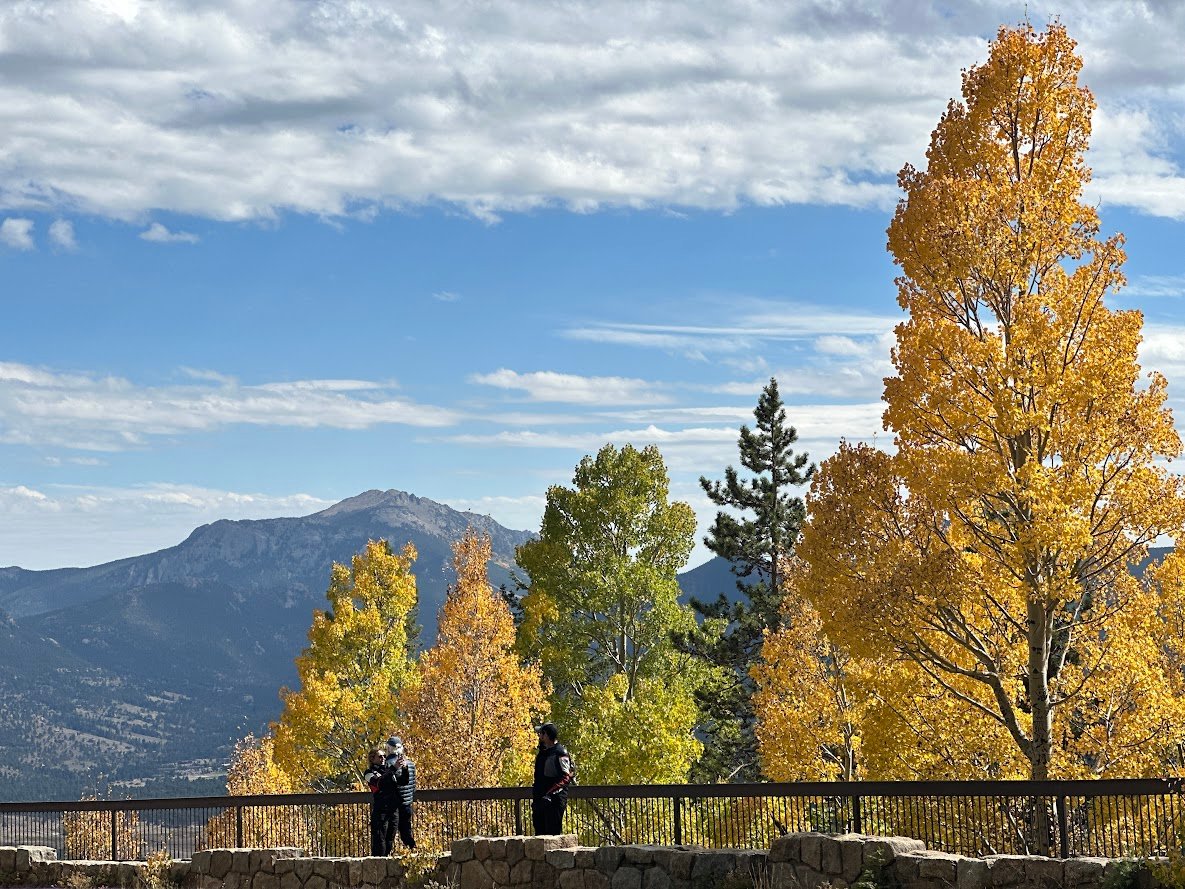
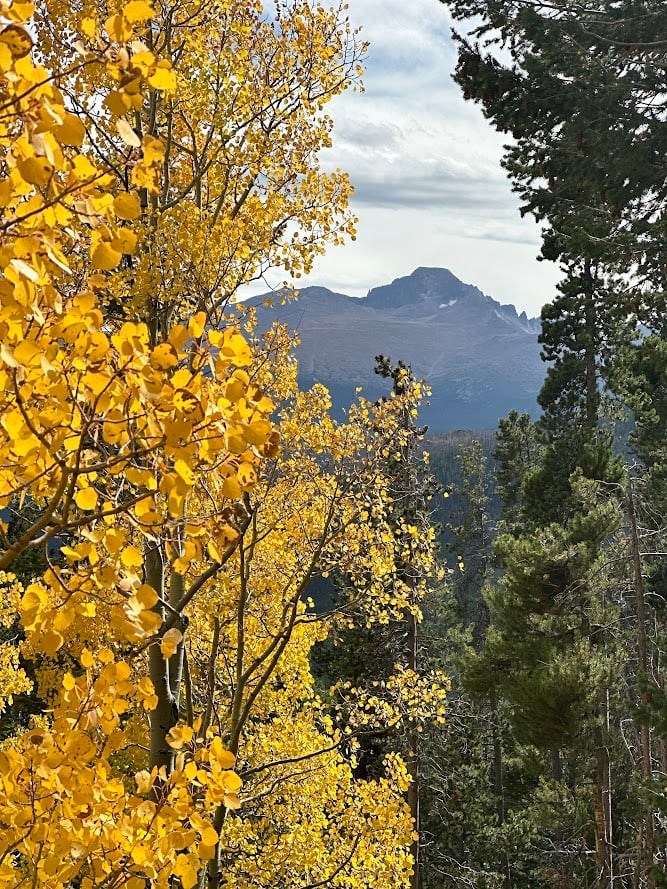
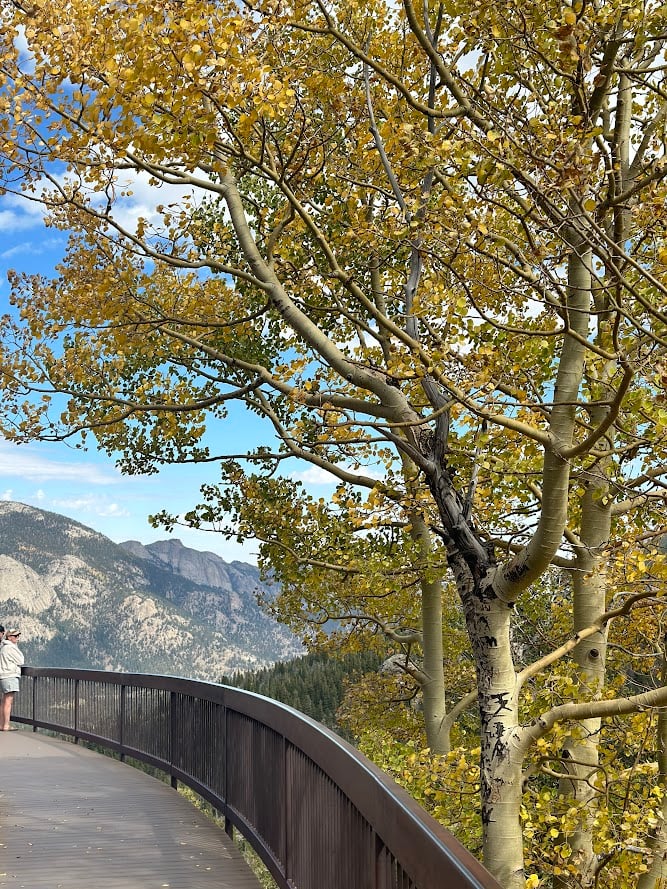
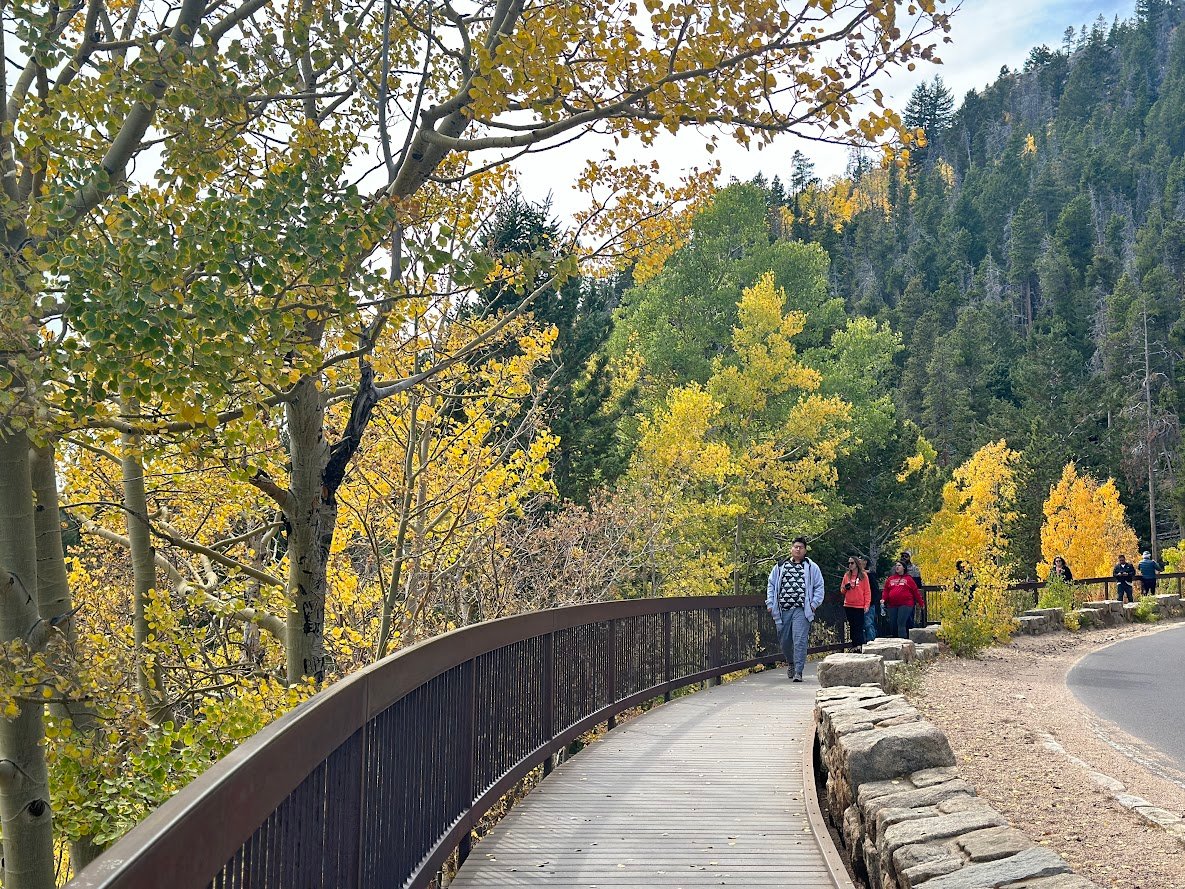
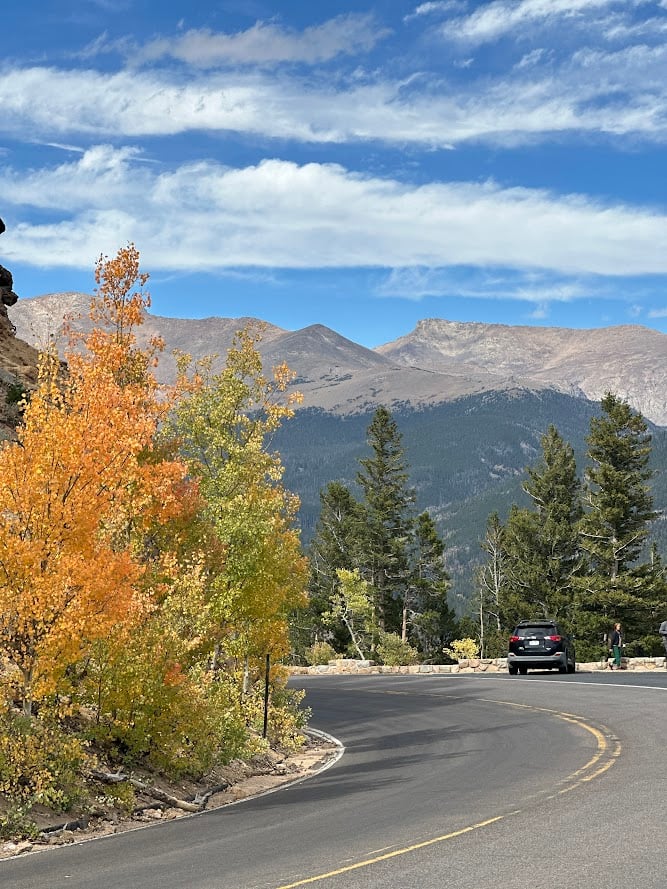
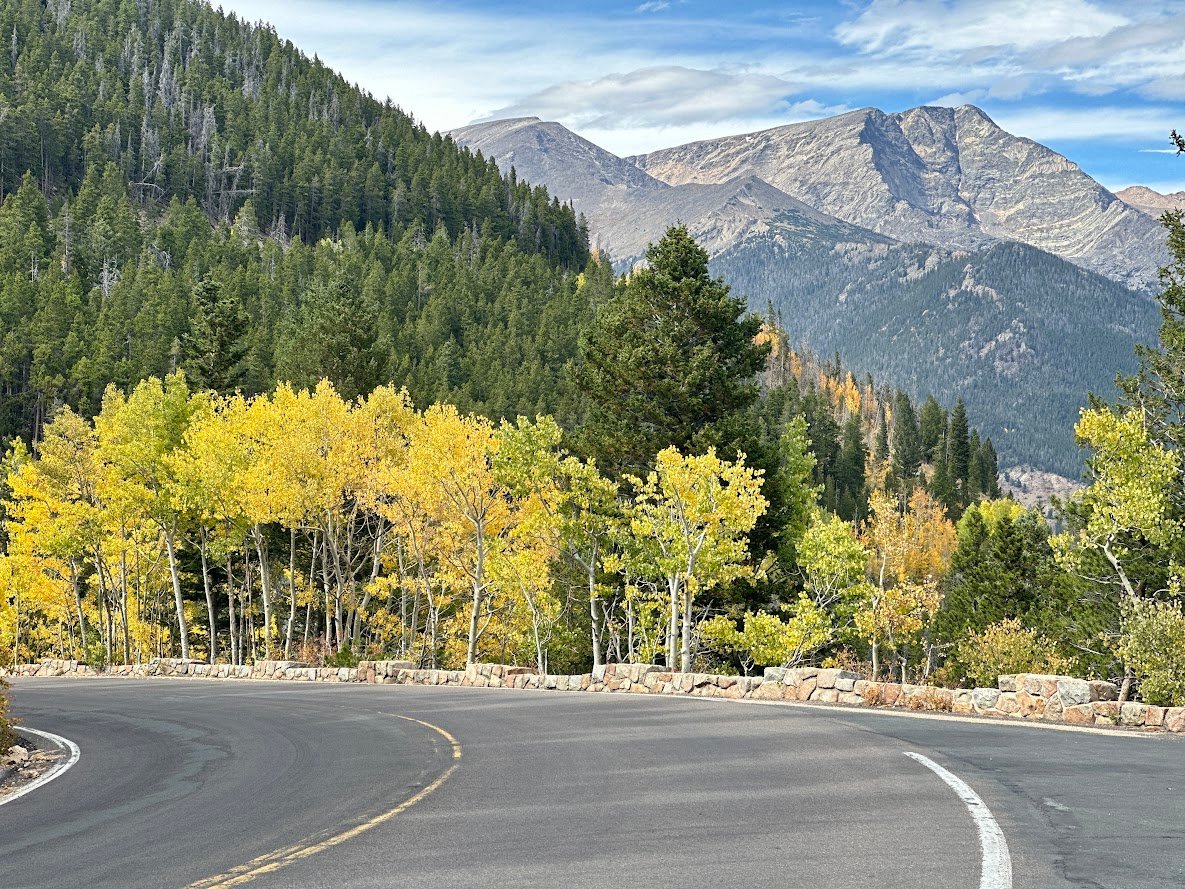
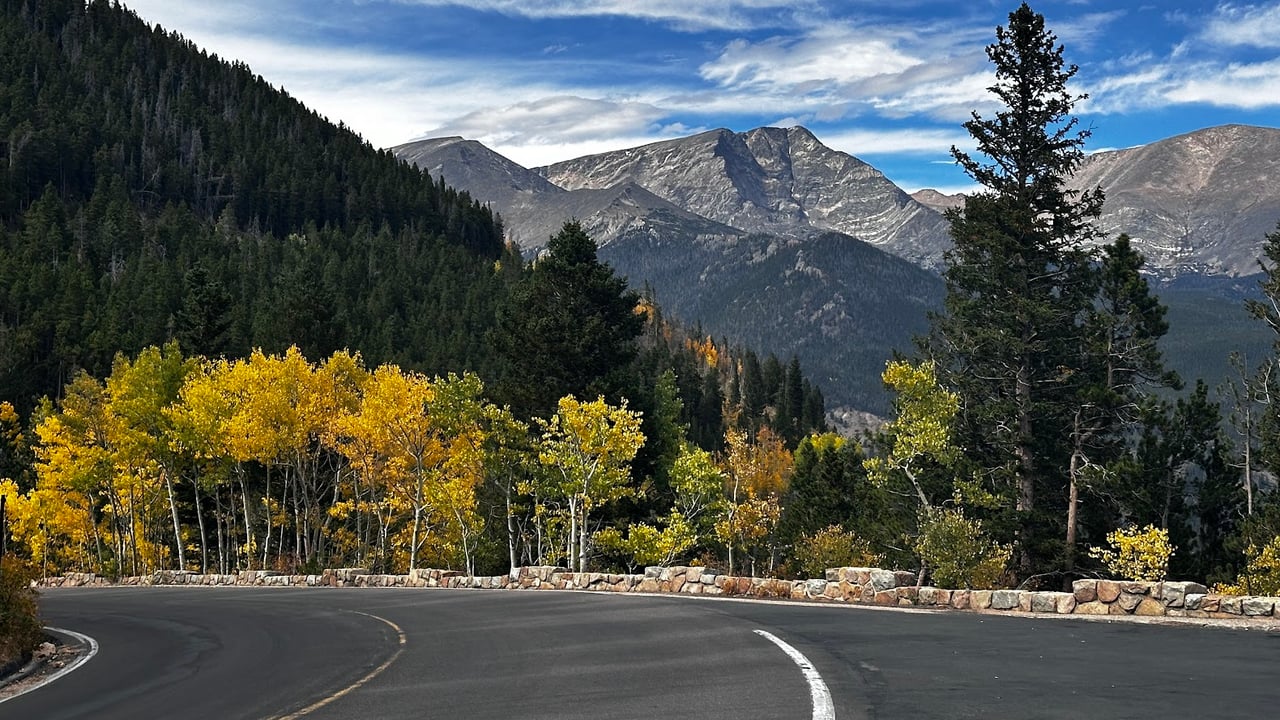
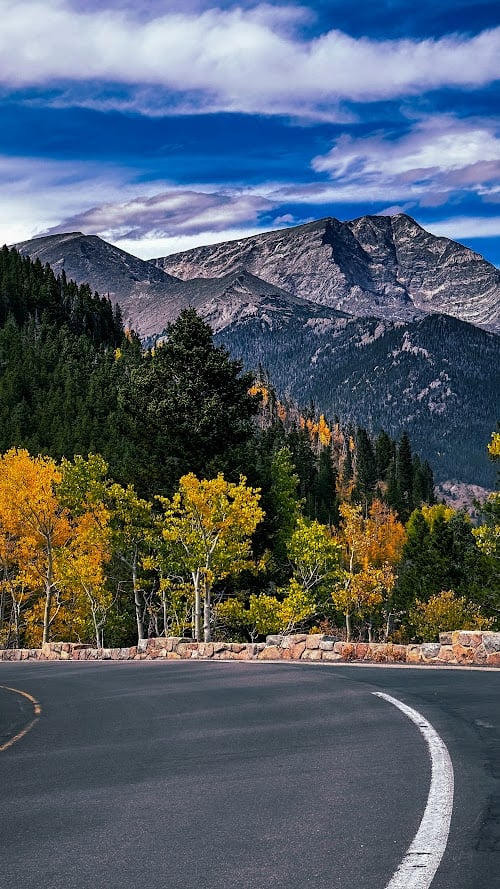
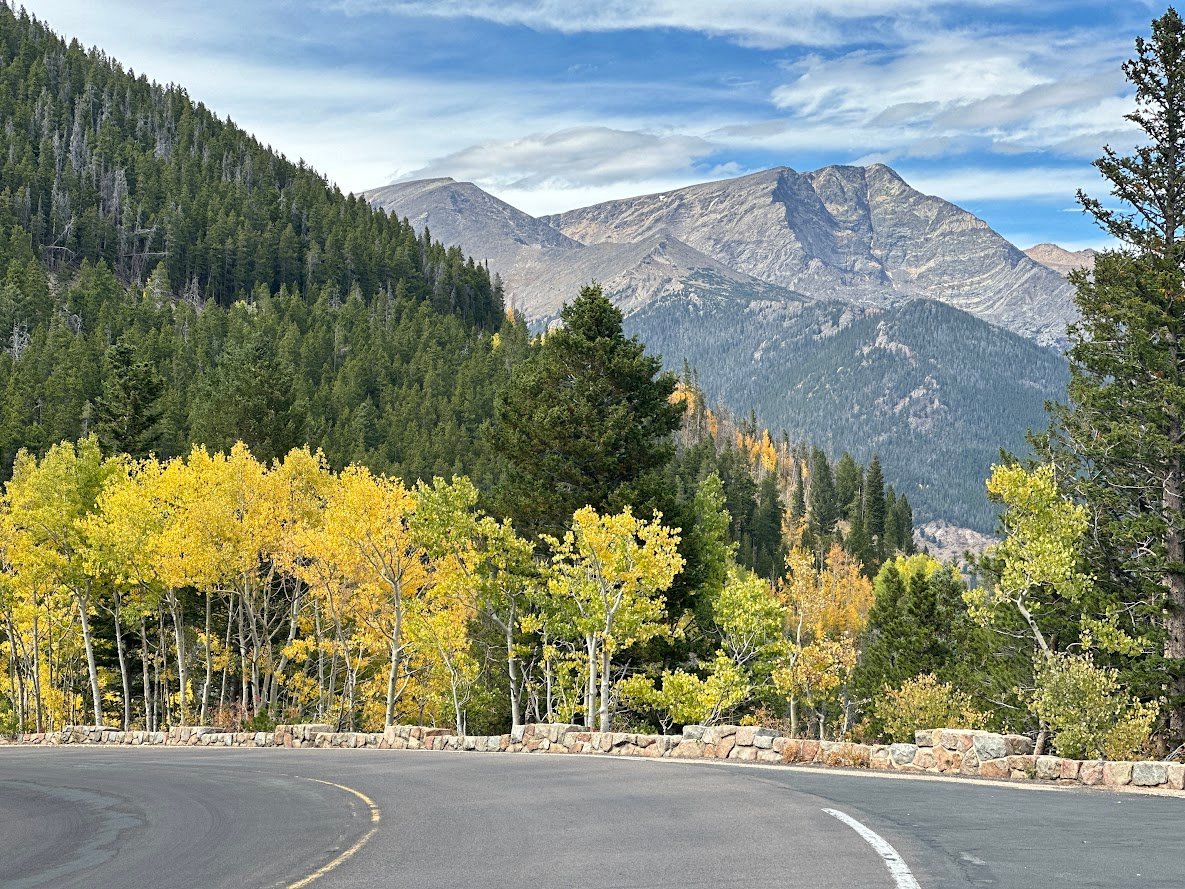
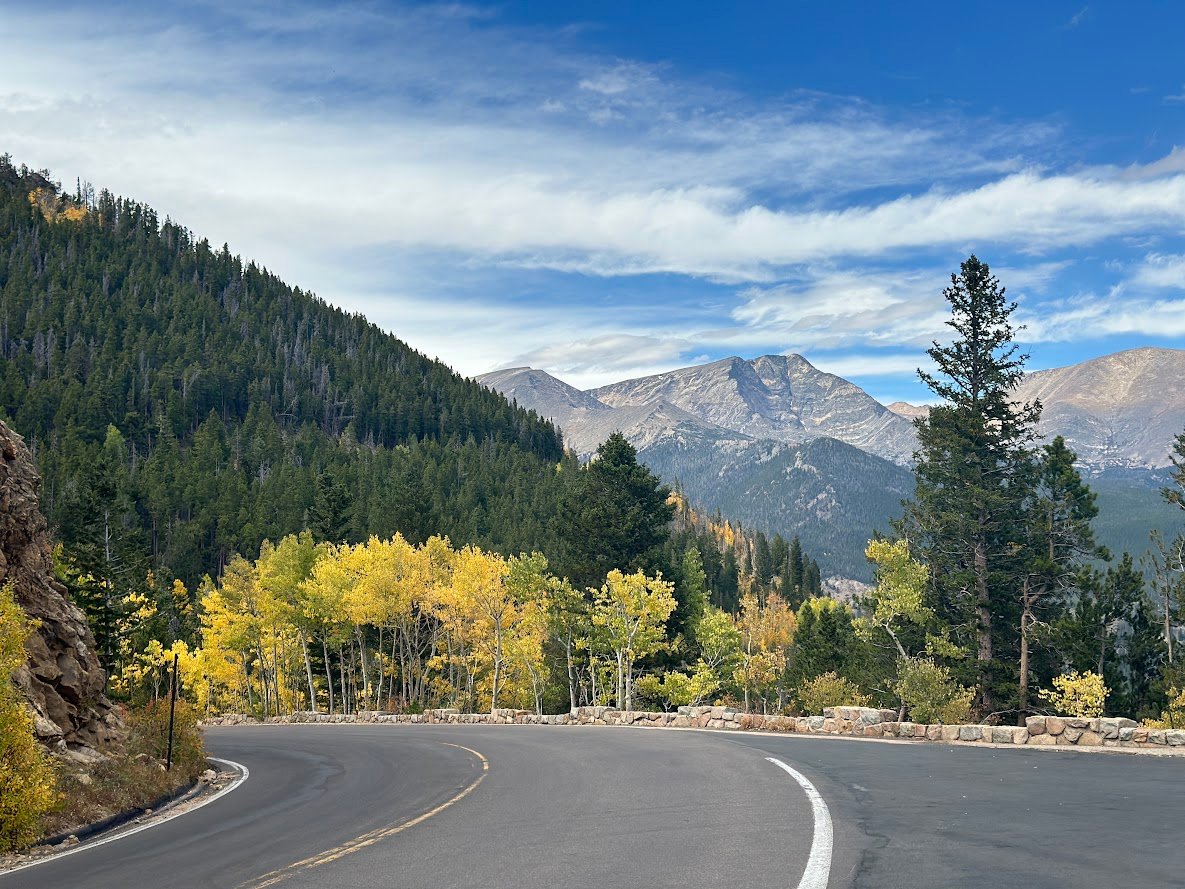
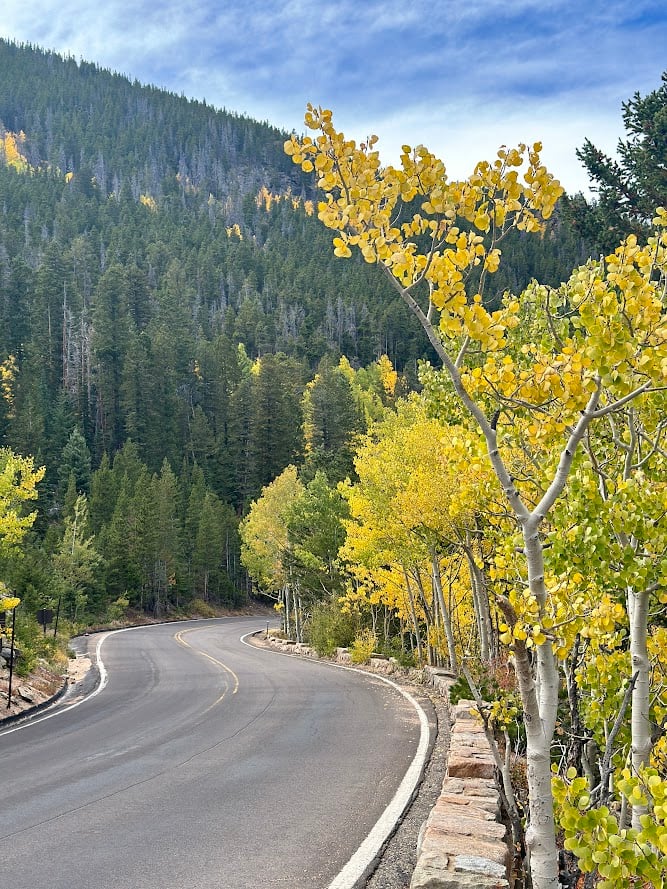
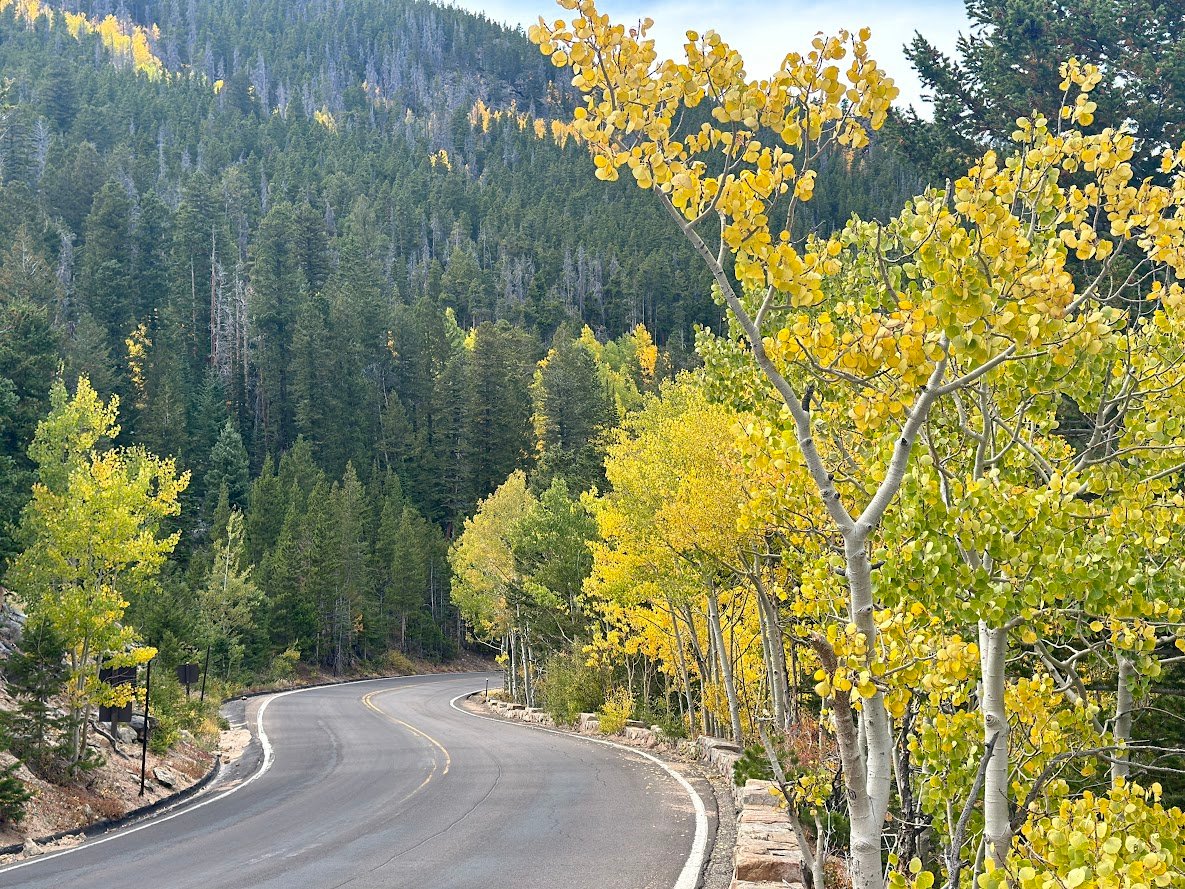
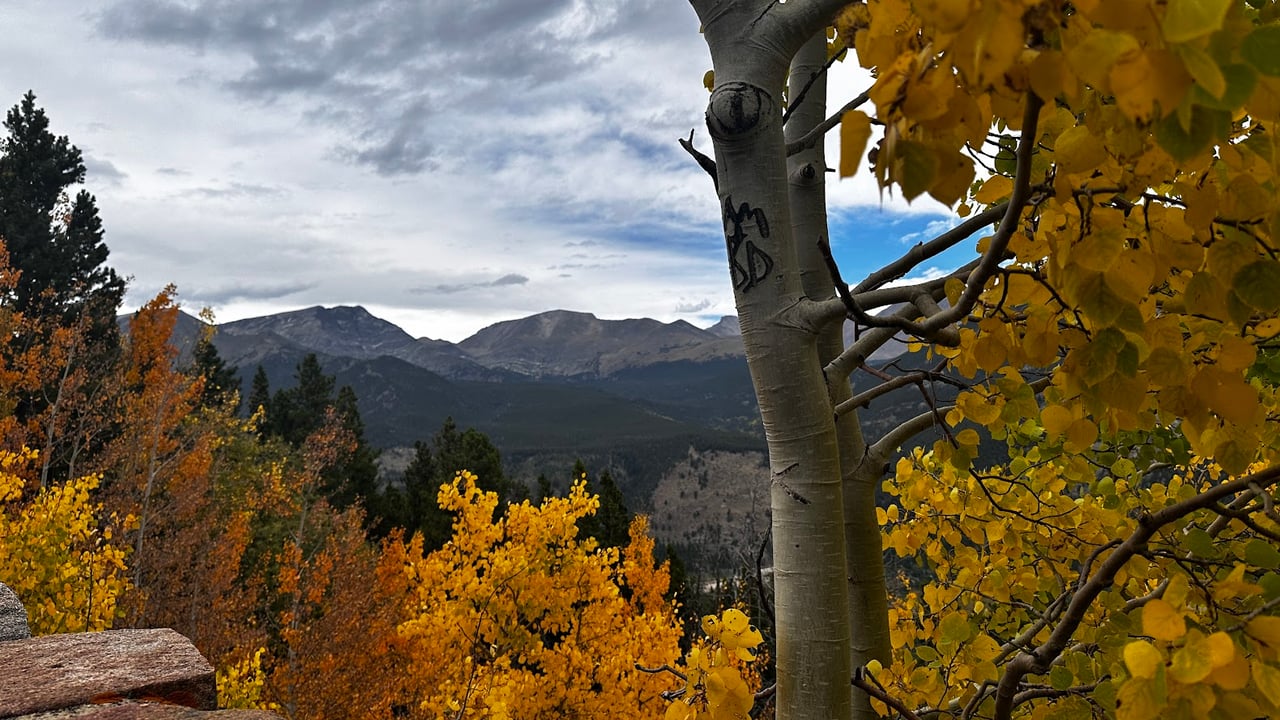
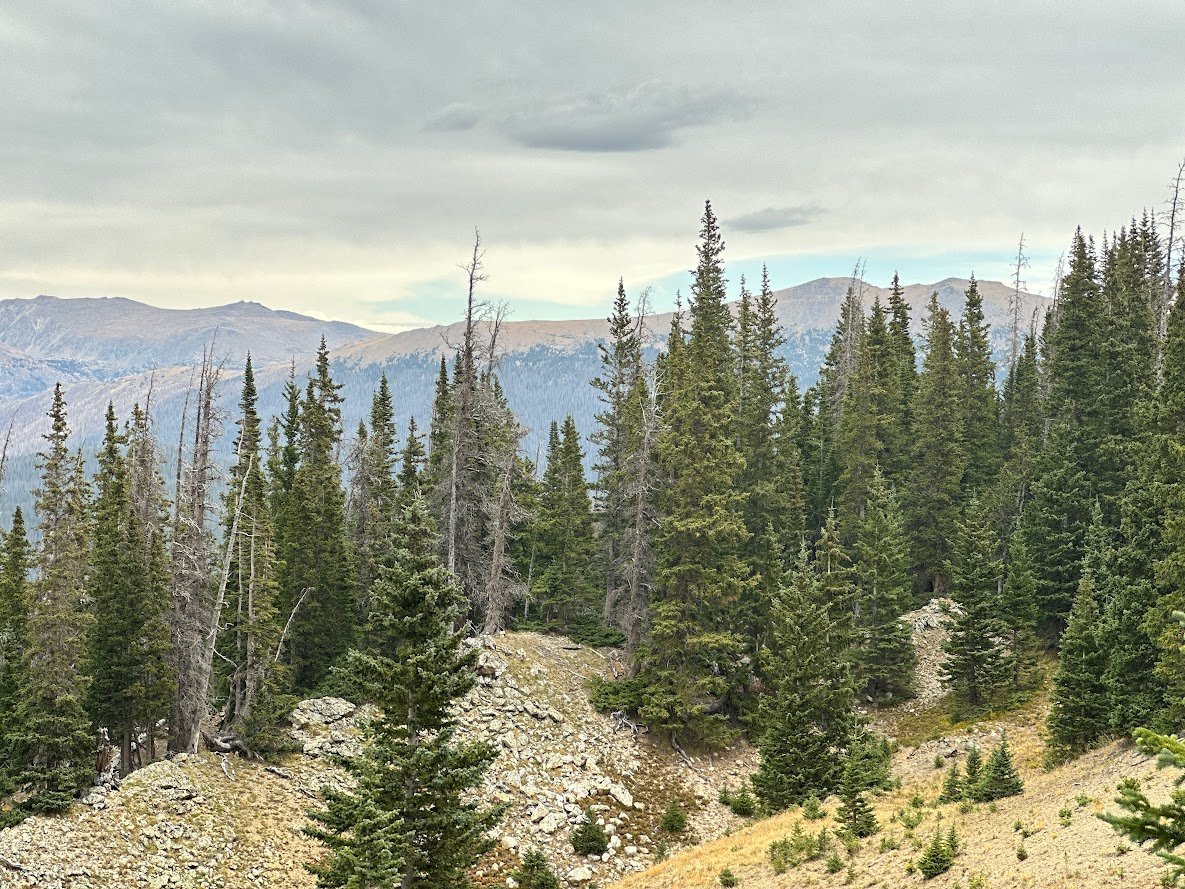
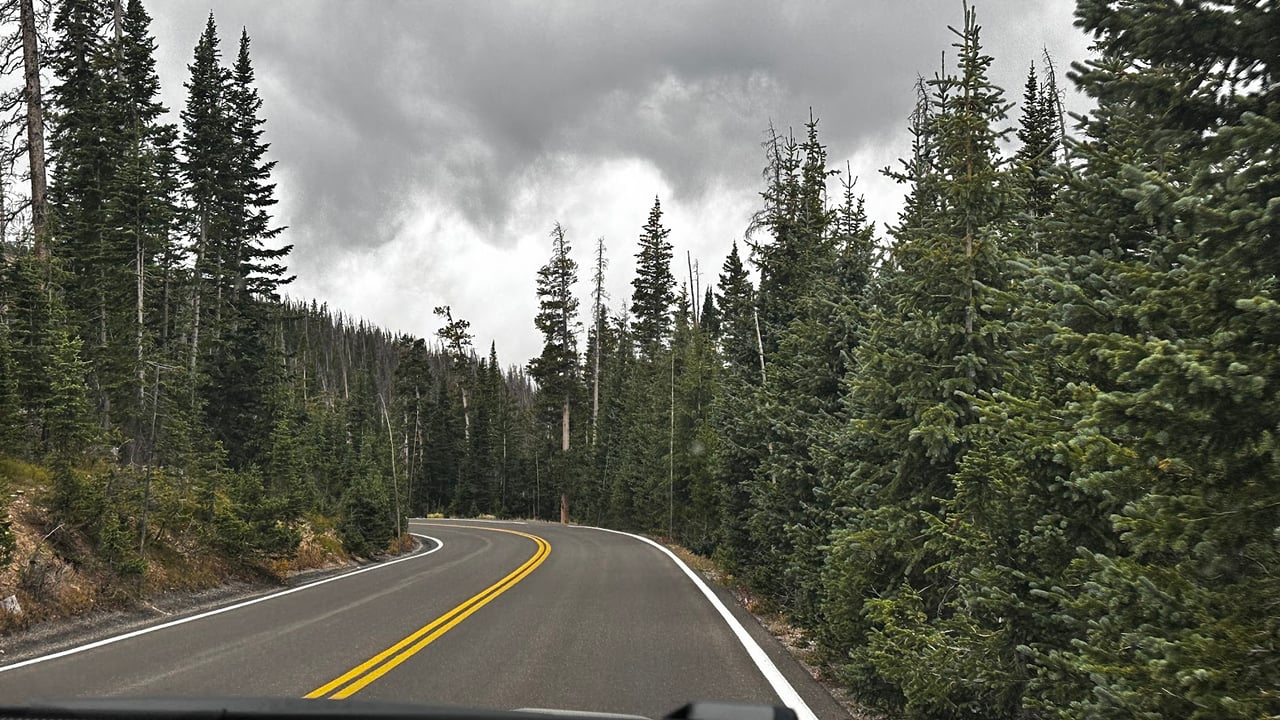
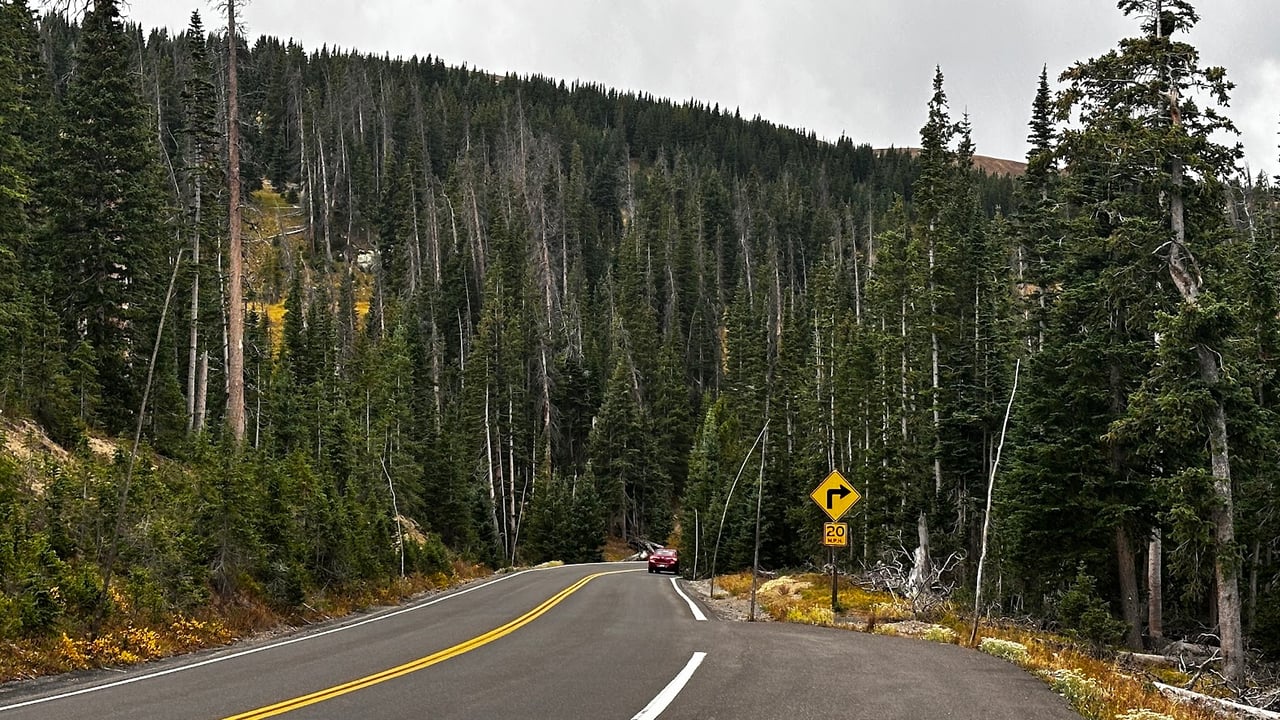
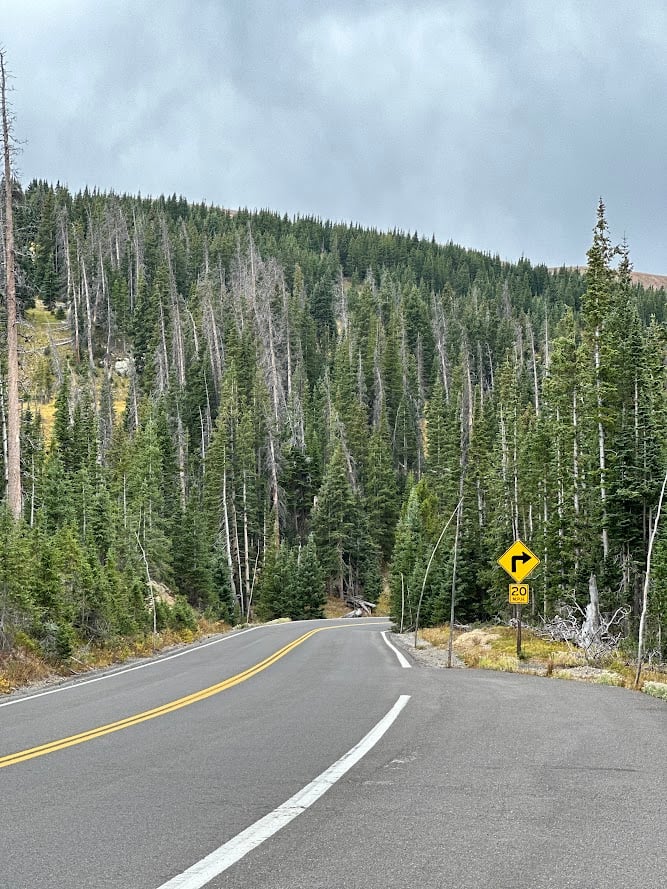
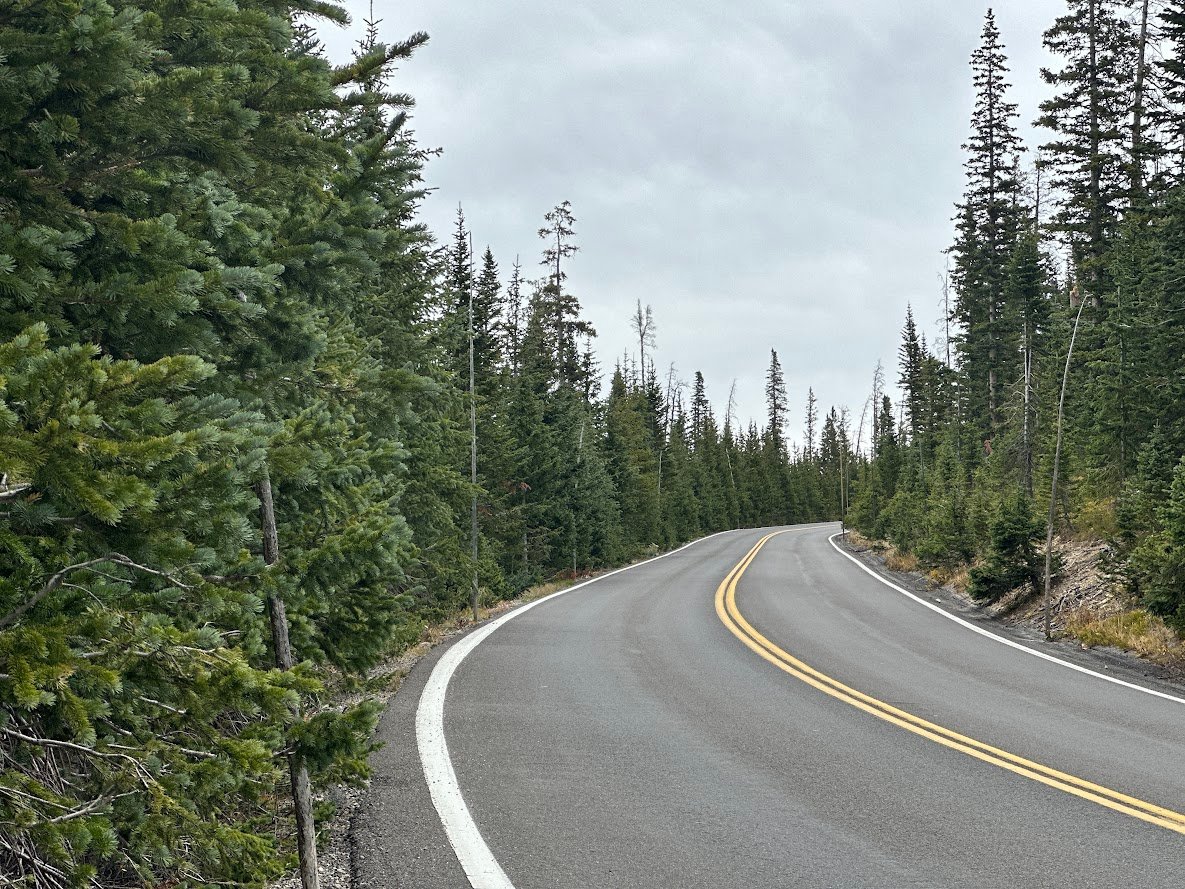
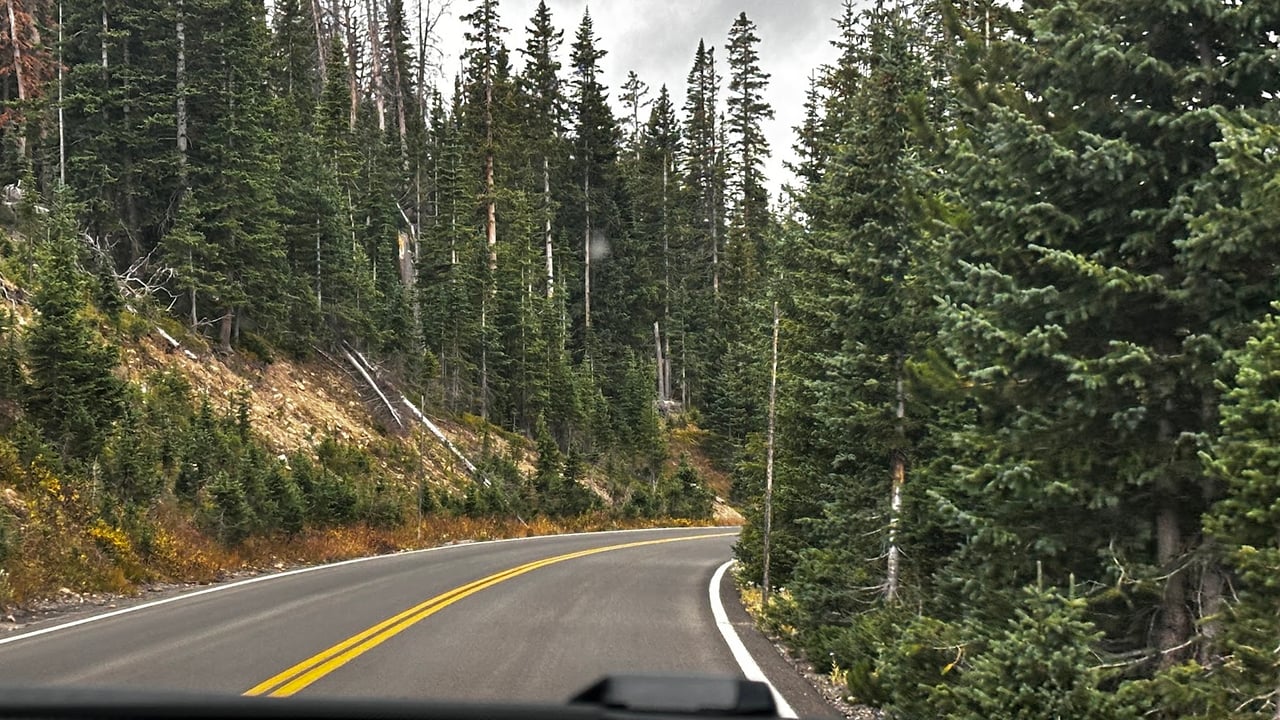
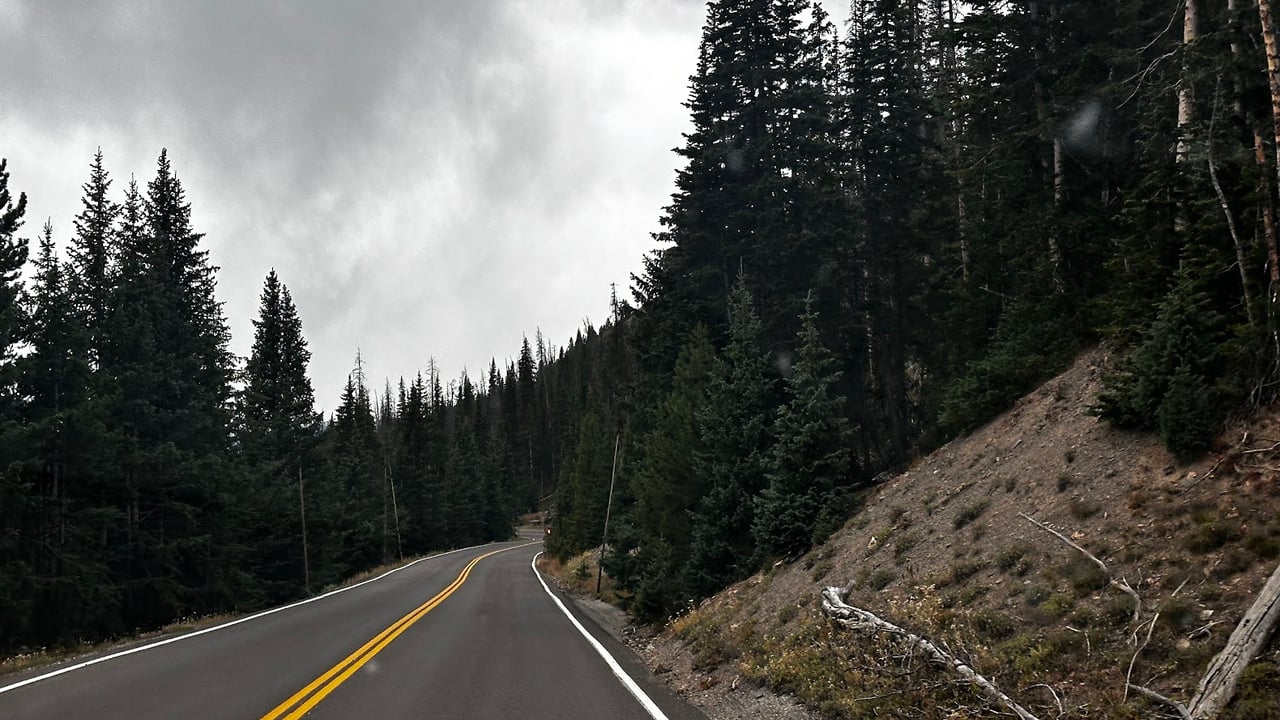
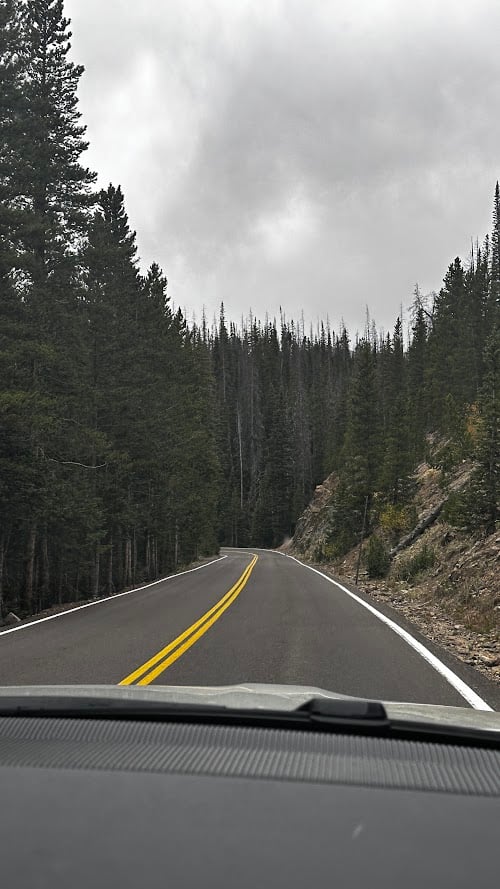
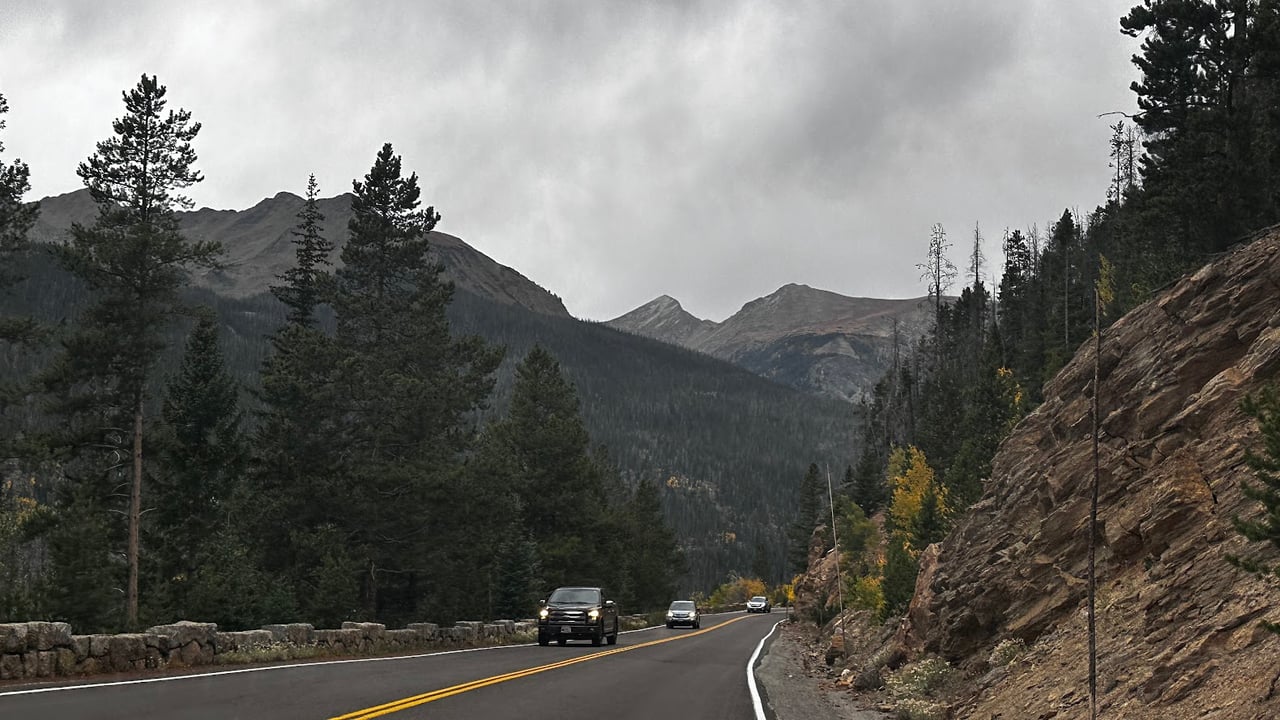
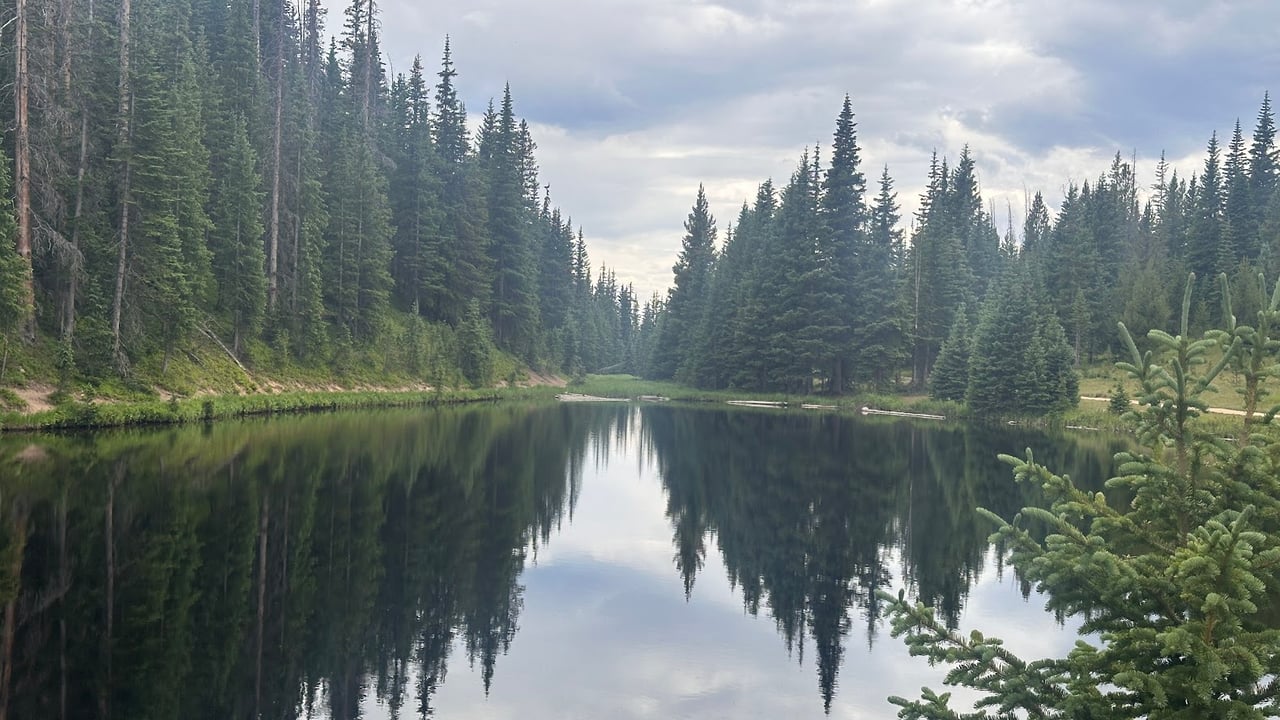
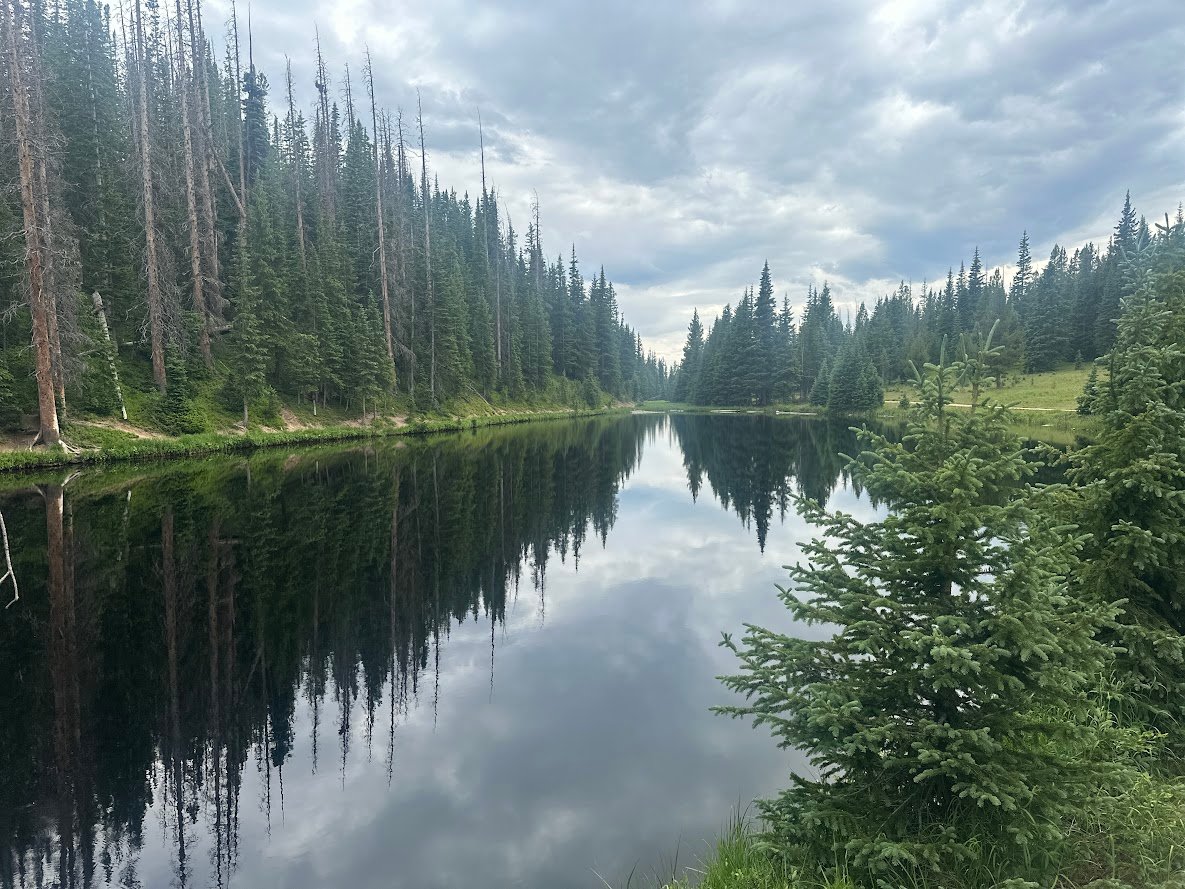
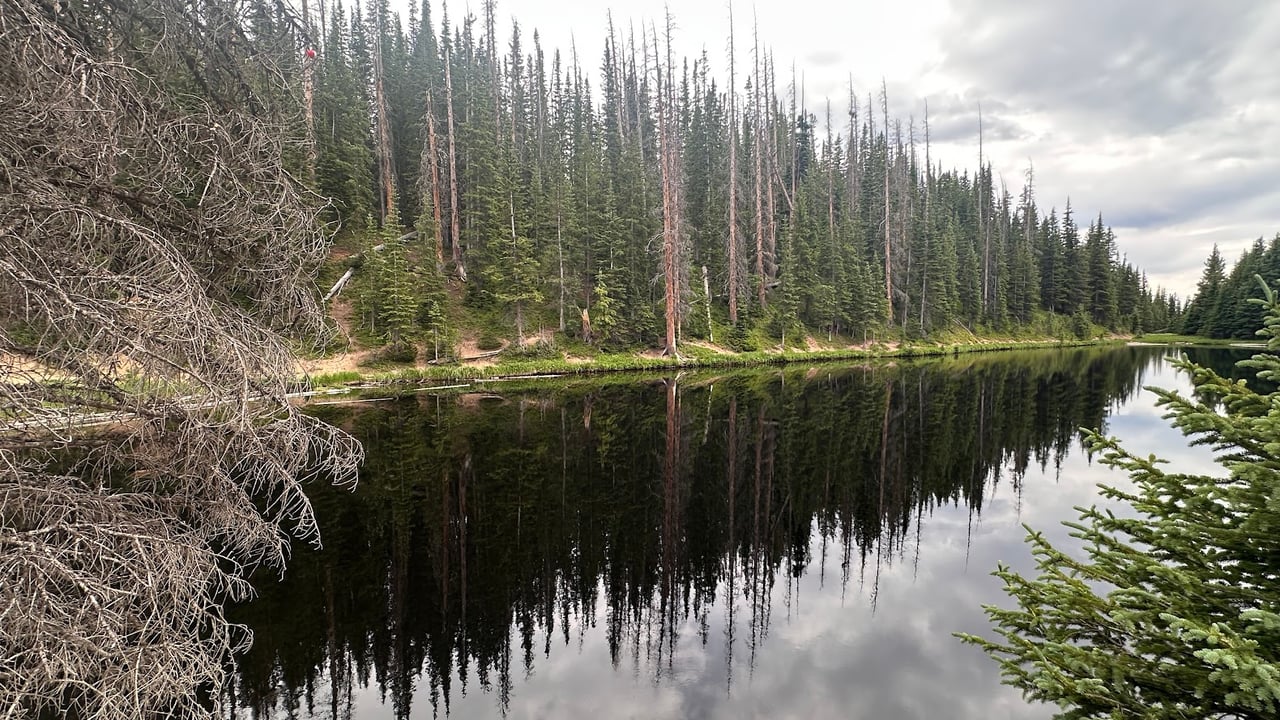
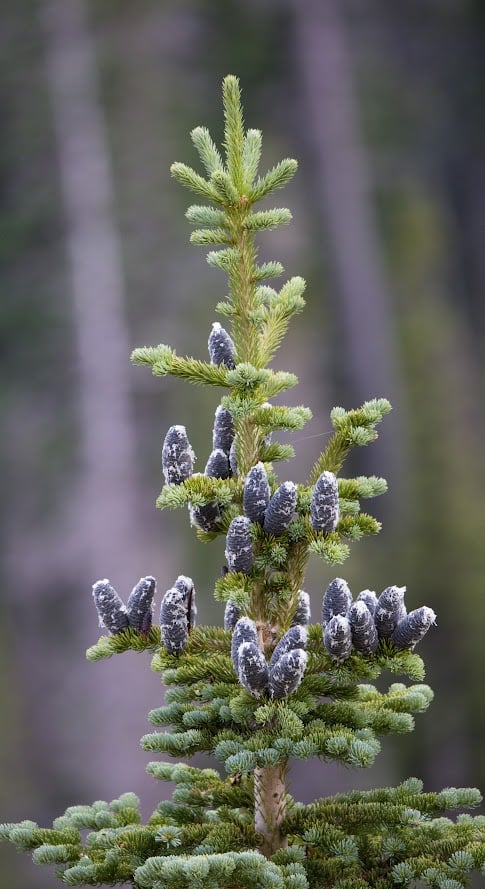
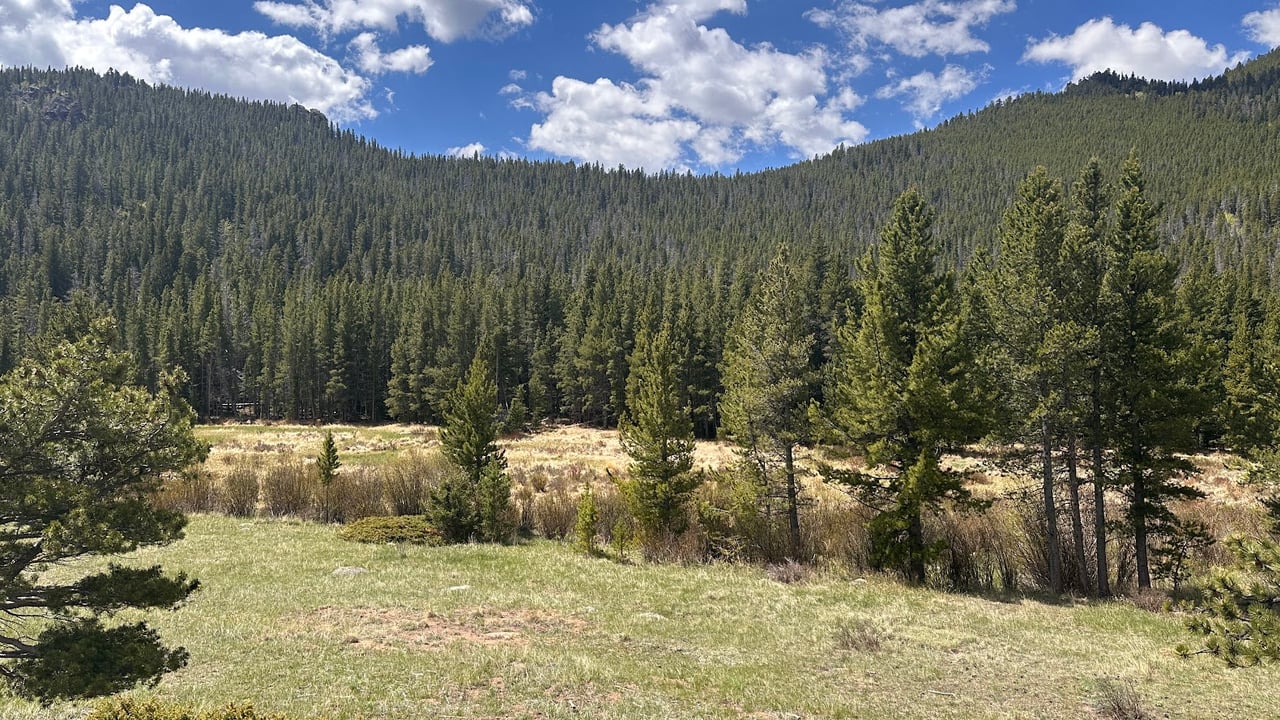
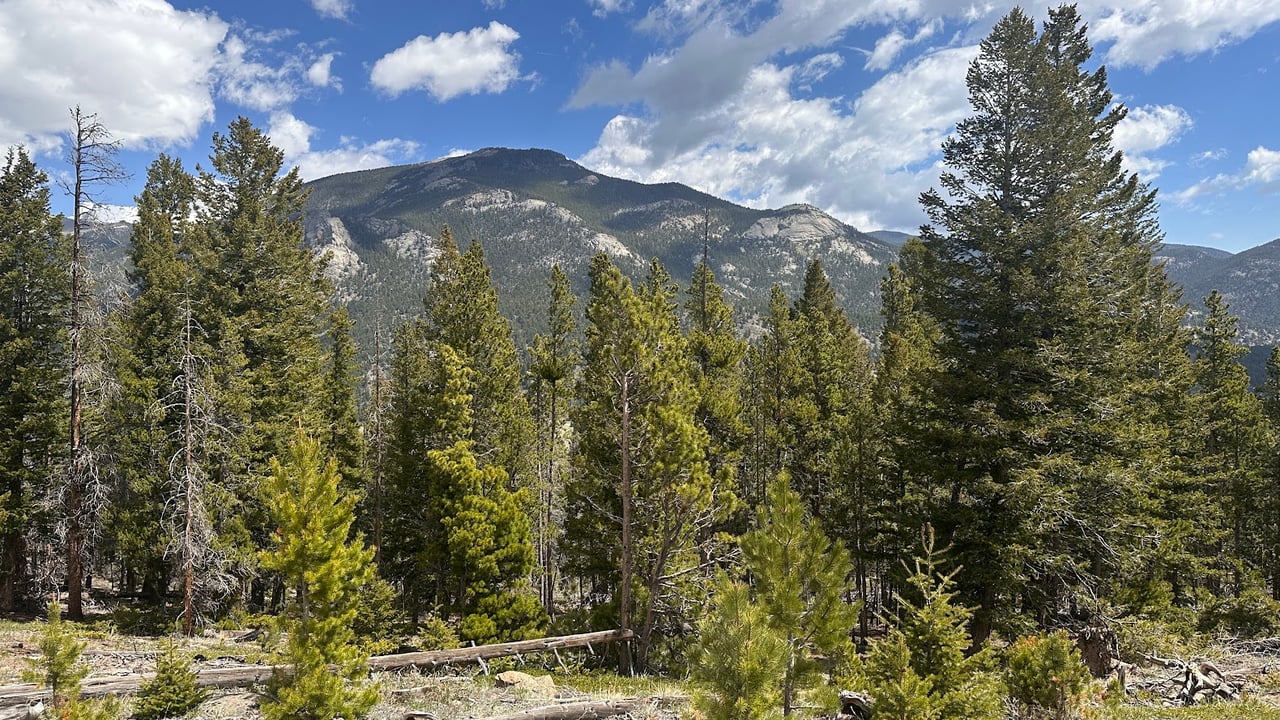
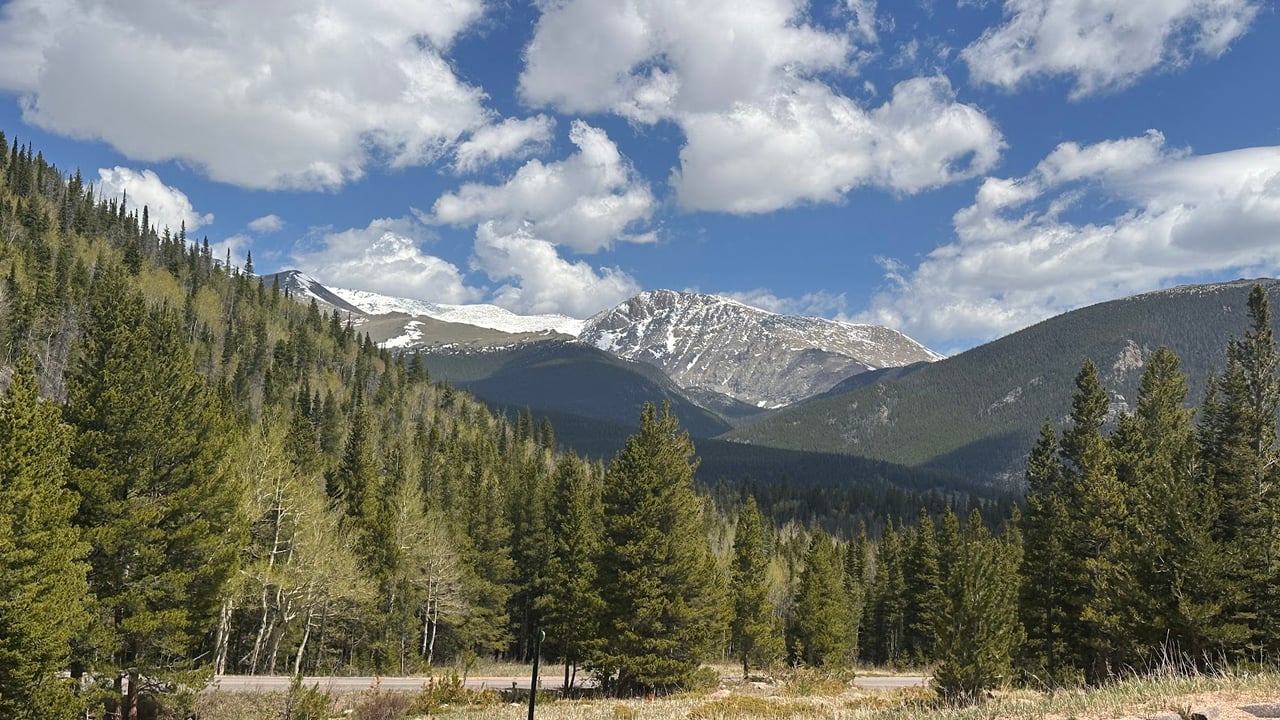
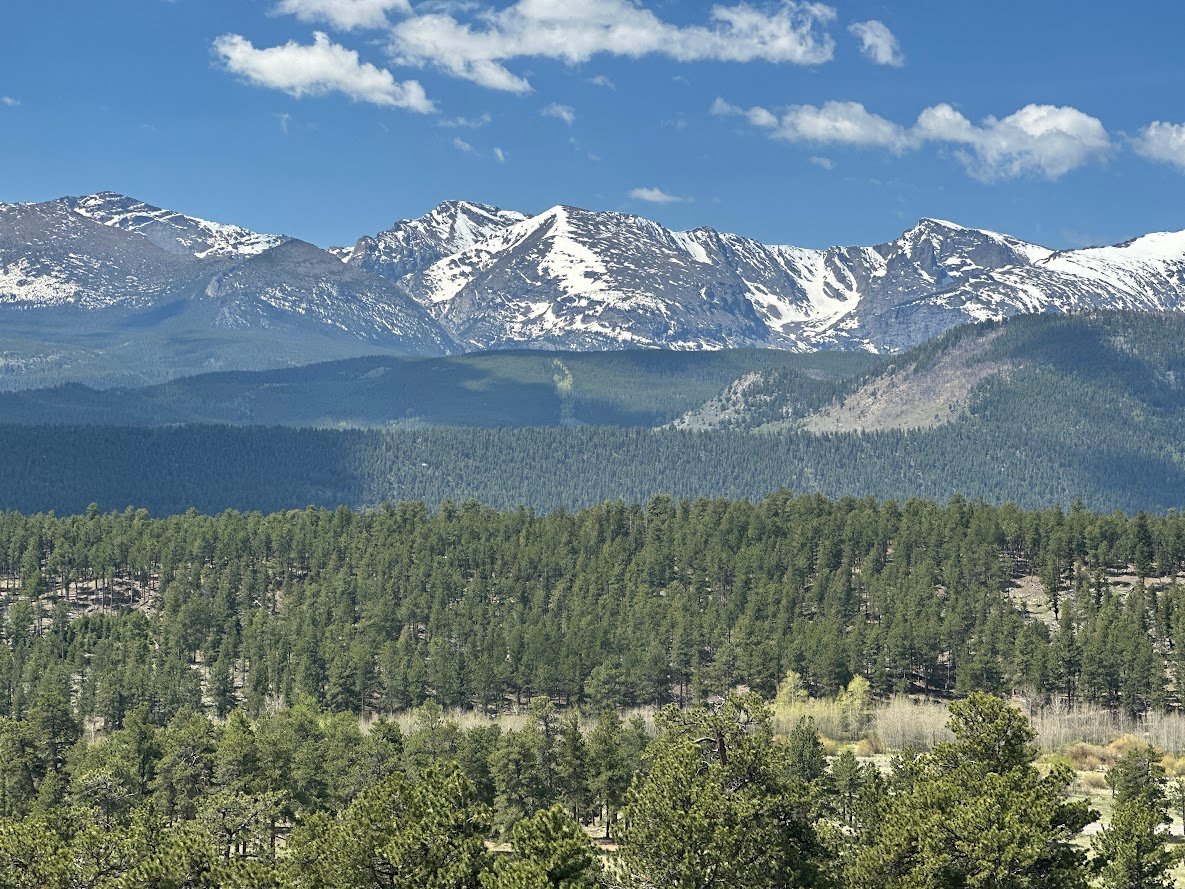
Your journey likely starts near Estes Park, where the air is crisp but still familiar, pine-scented, sun-warmed, and grounding. The road gently winds through dense forests of ponderosa and aspen, where sunlight flickers between branches like a strobe of gold.
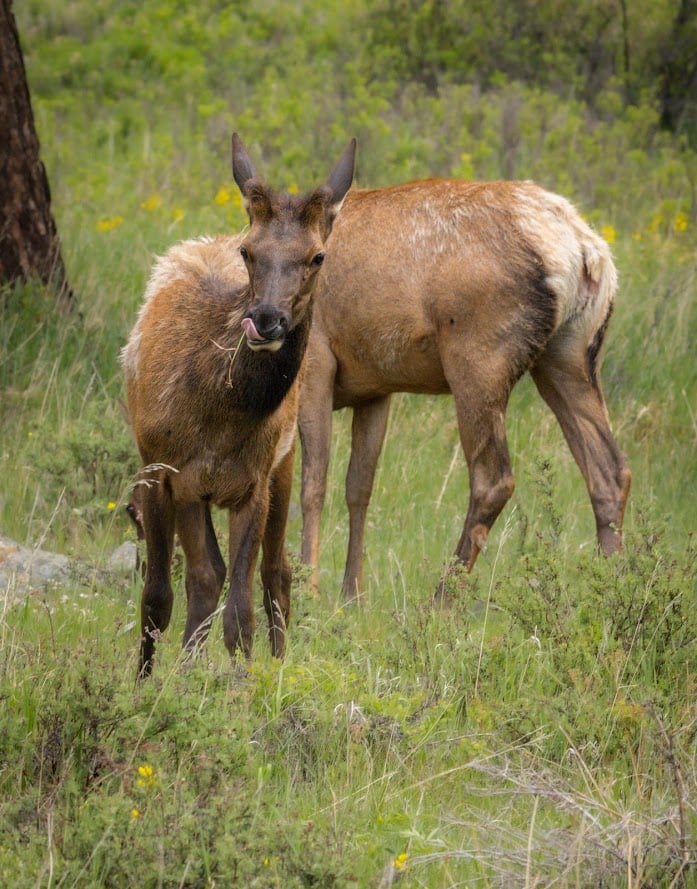
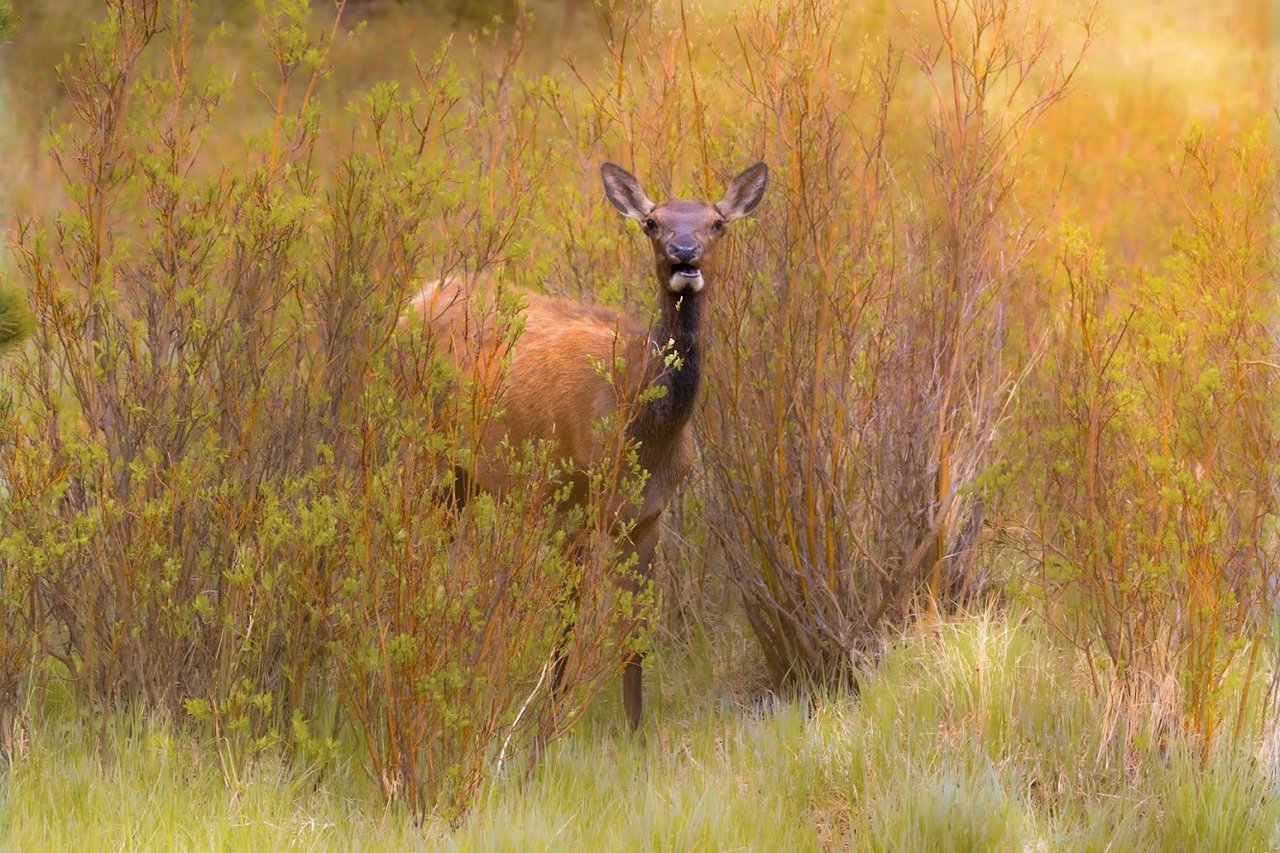
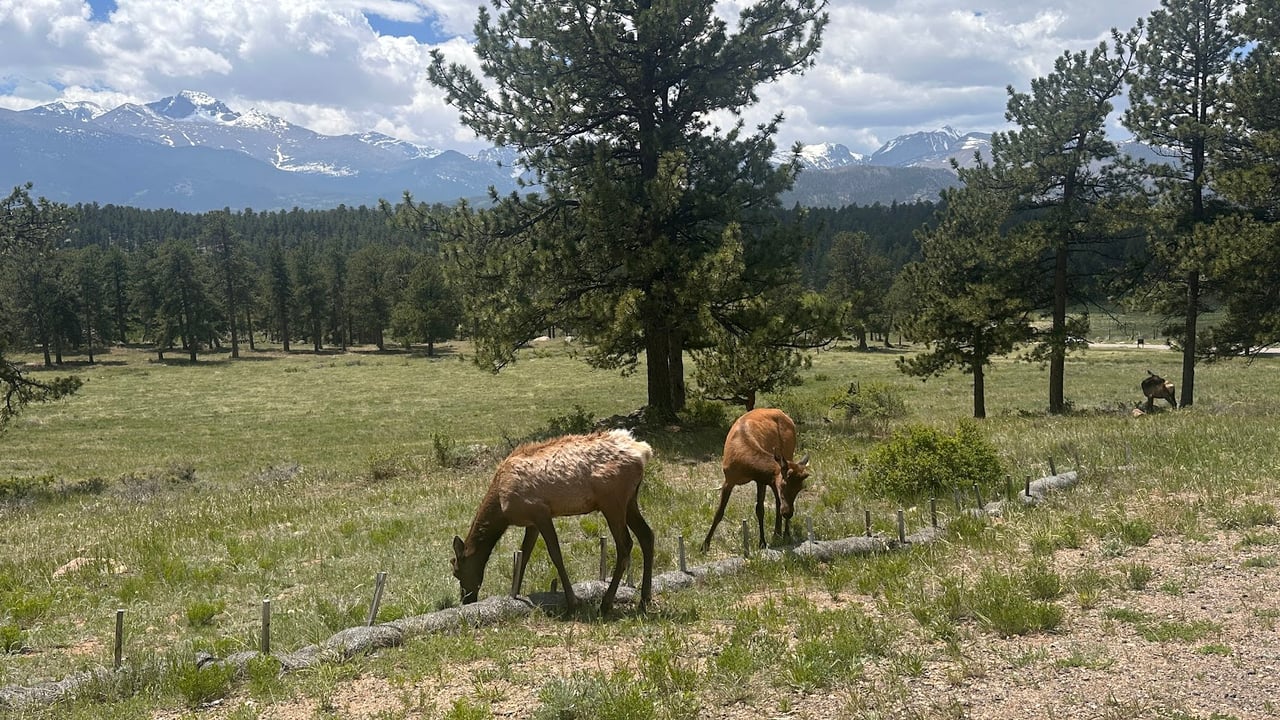
You hear it first: the whisper of wind through needles, the distant rush of water carving its way through rock. Maybe even the low bugle of an elk somewhere deeper in the trees.
This is the Colorado people know.
But it doesn’t last.
The Climb: When the World Starts to Shift
As you gain elevation, something subtle happens.
The trees thin. The air sharpens. The scent of pine gives way to something cleaner, almost mineral, like cold stone and sky. Your ears pop slightly. You roll your shoulders, adjust your breathing without realizing it.
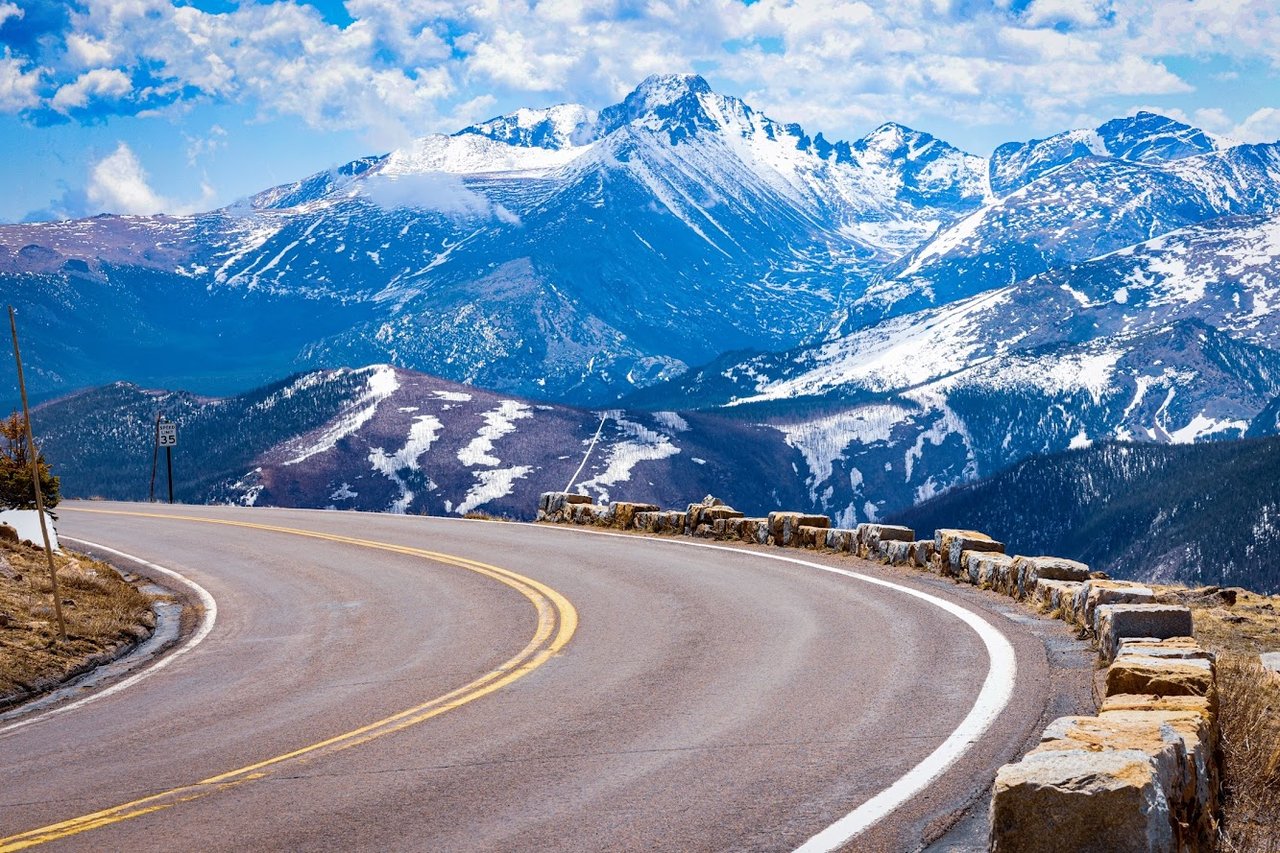
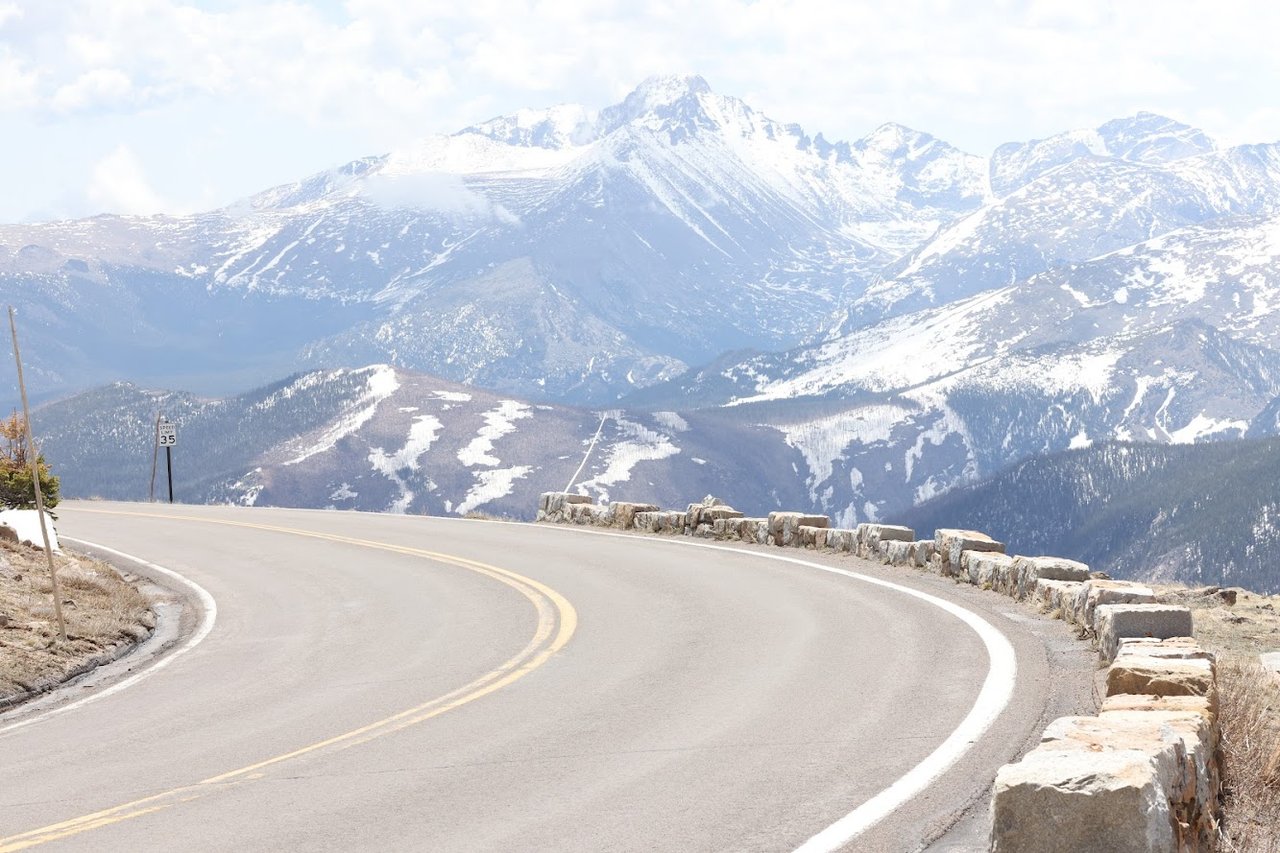
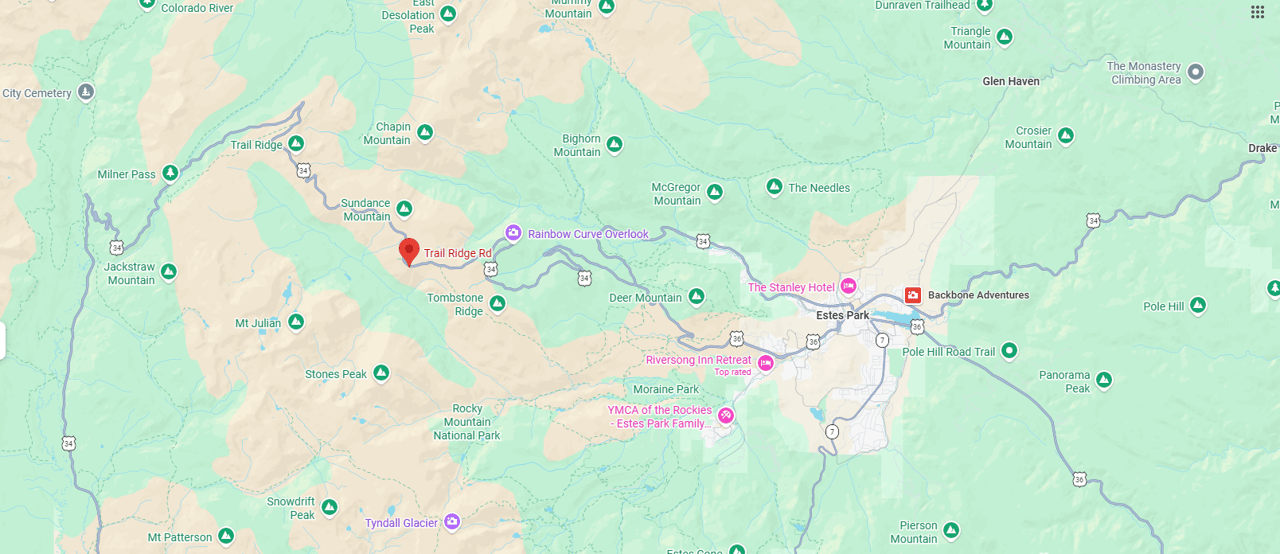
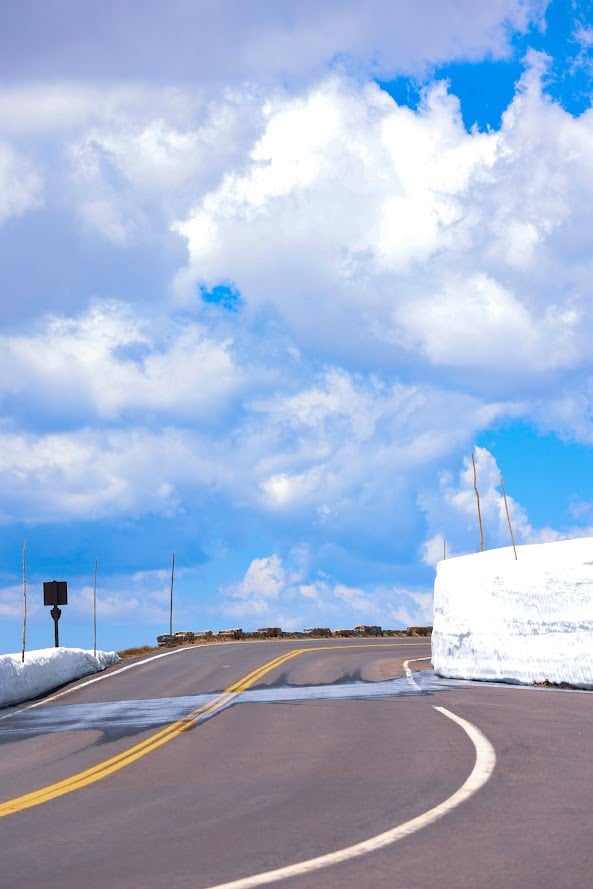
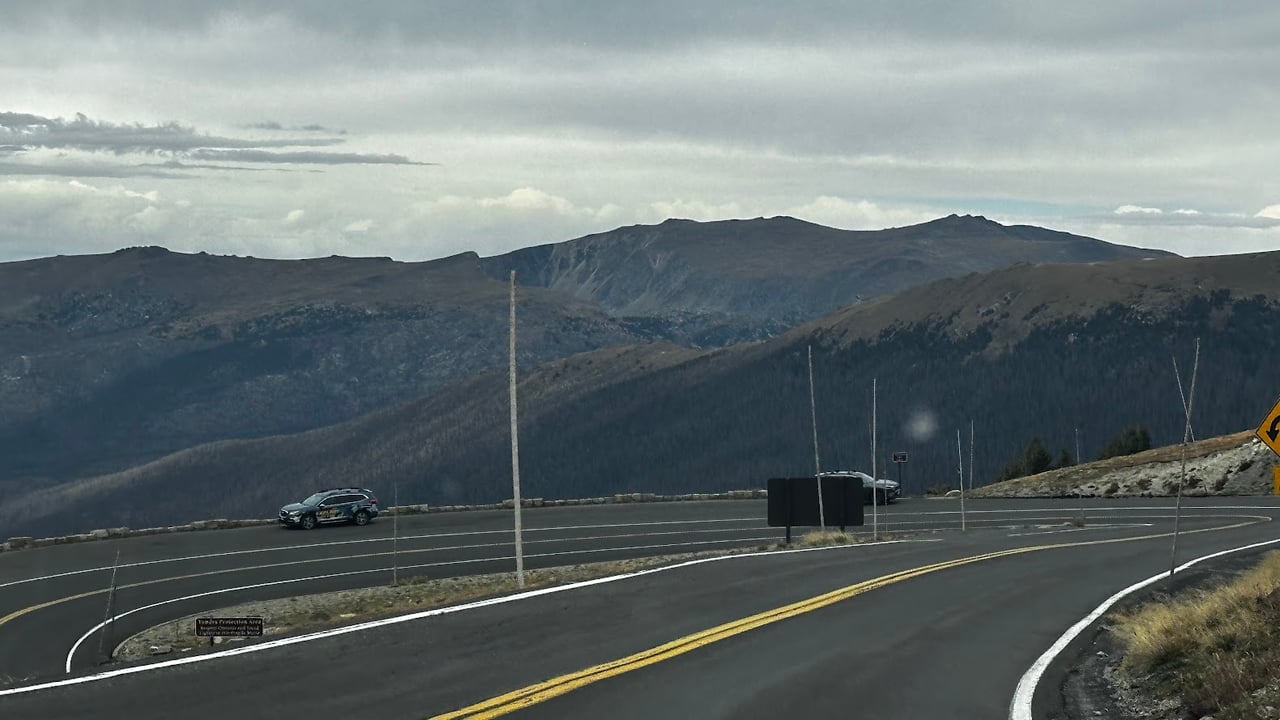
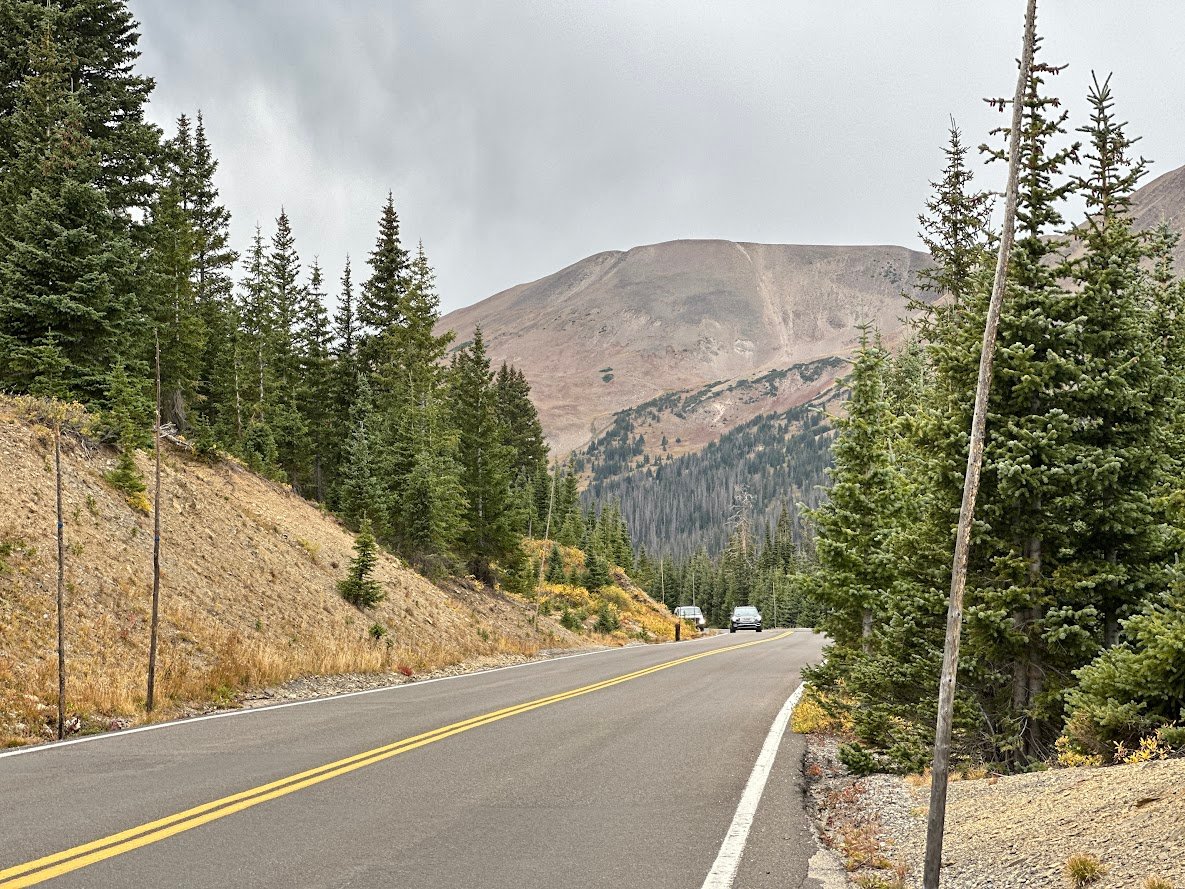
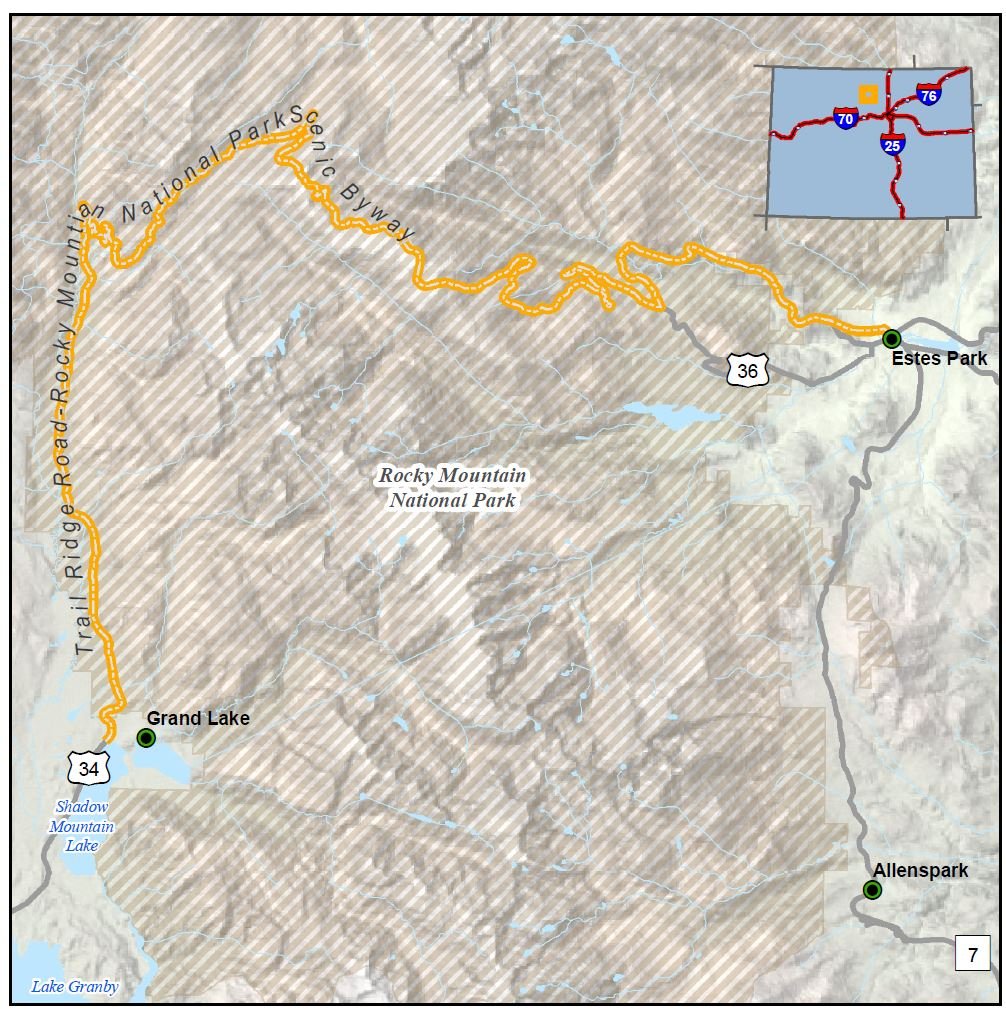
Trail Ridge Road stretches 48 miles across the park, climbing to an astonishing 12,183 feet, the highest continuous paved road in North America.
And you feel every bit of that climb.
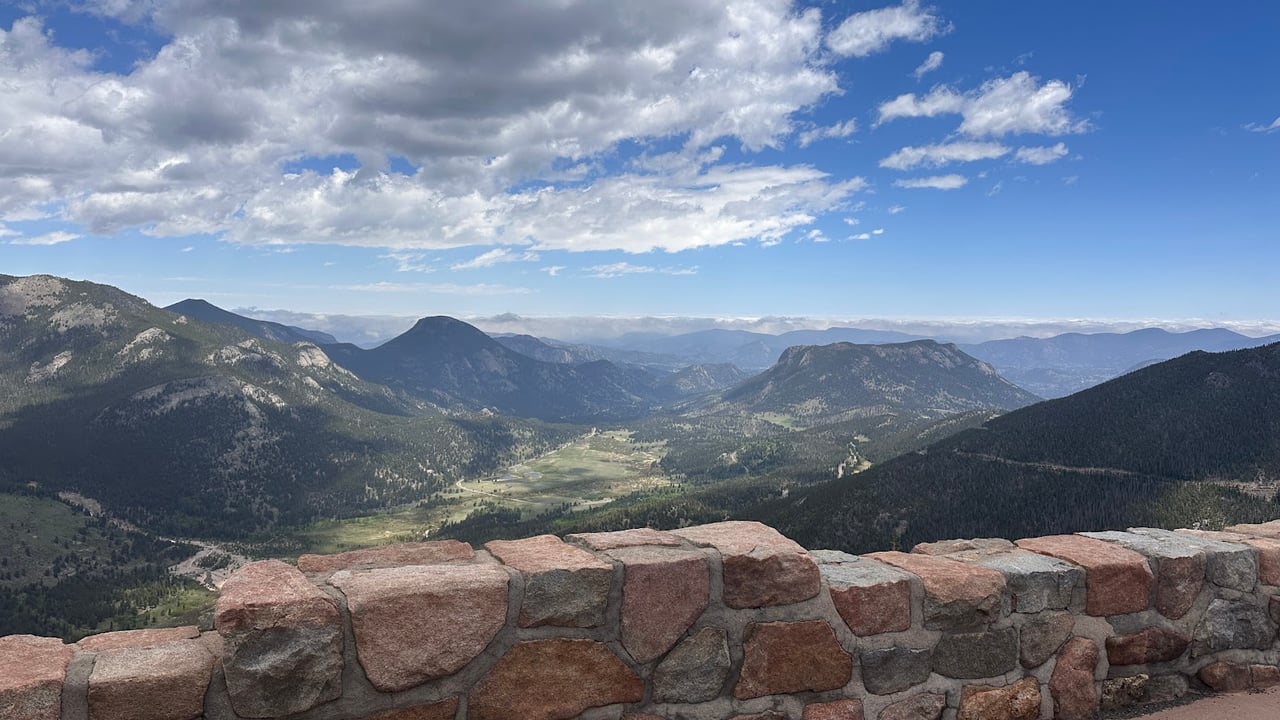
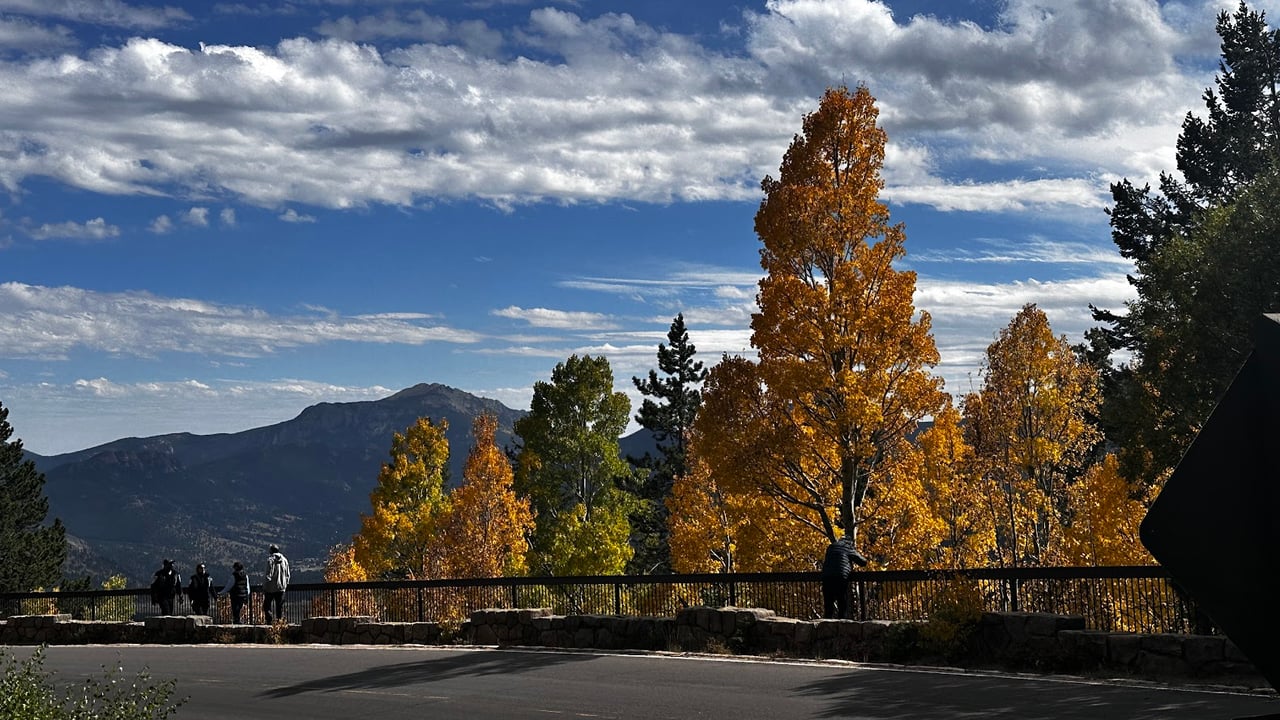
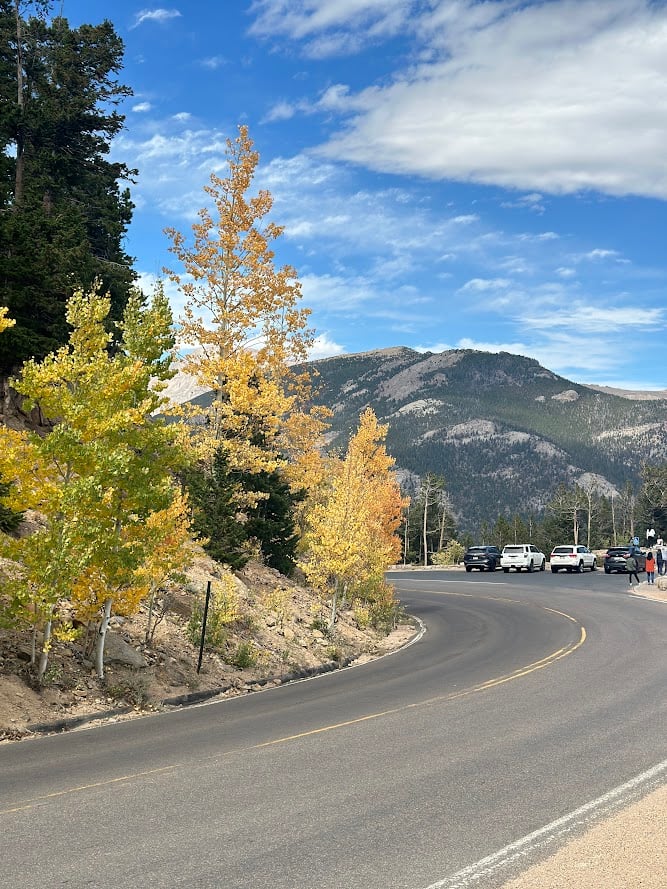
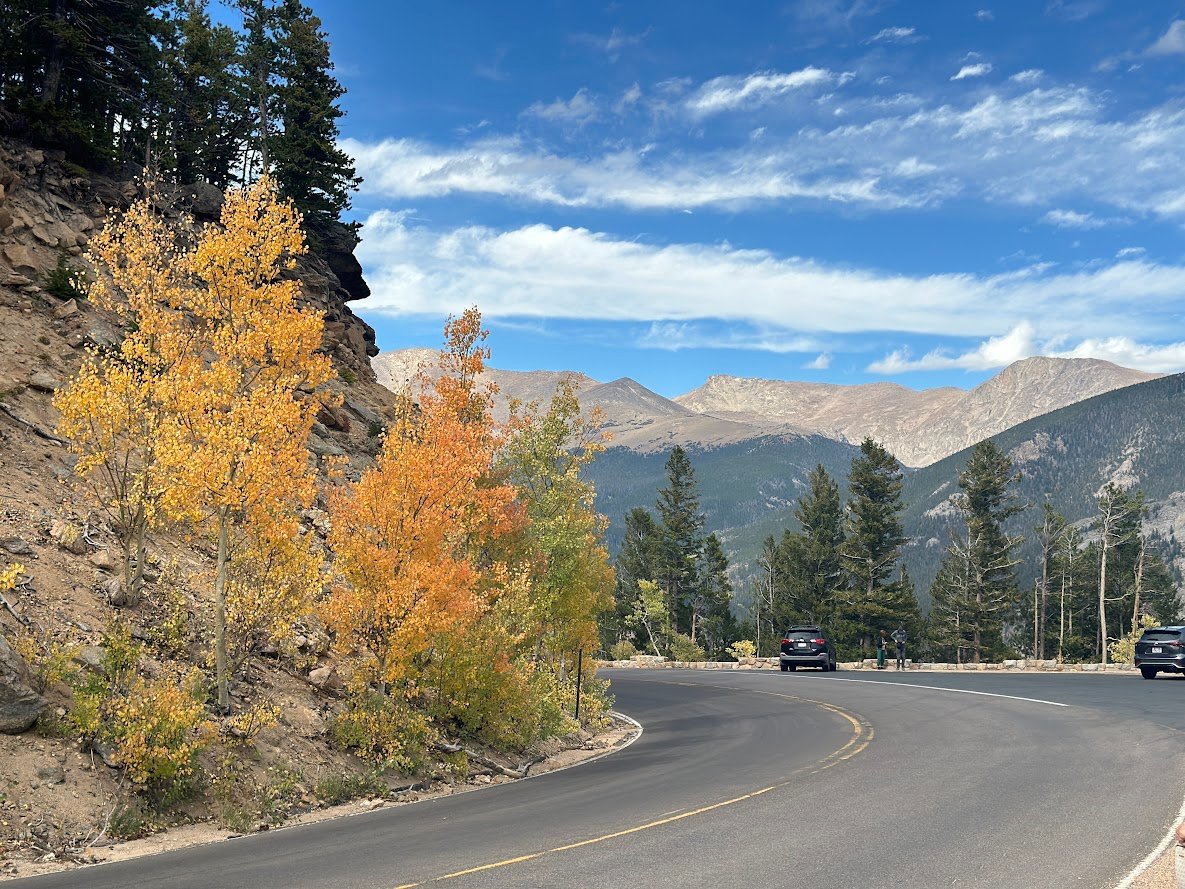
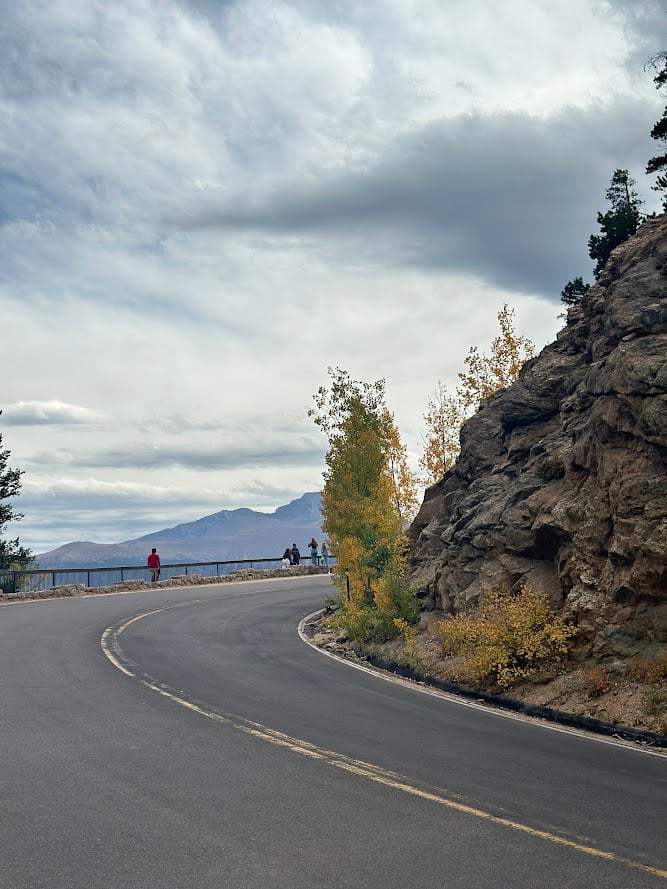
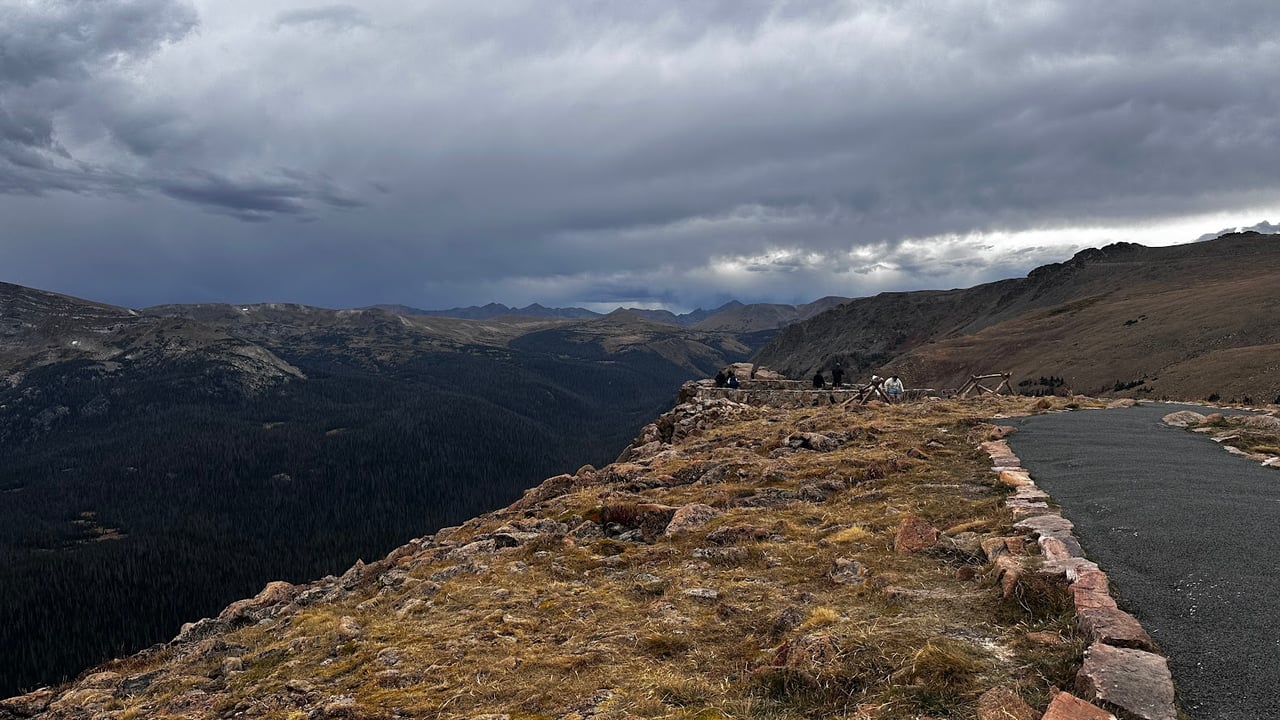
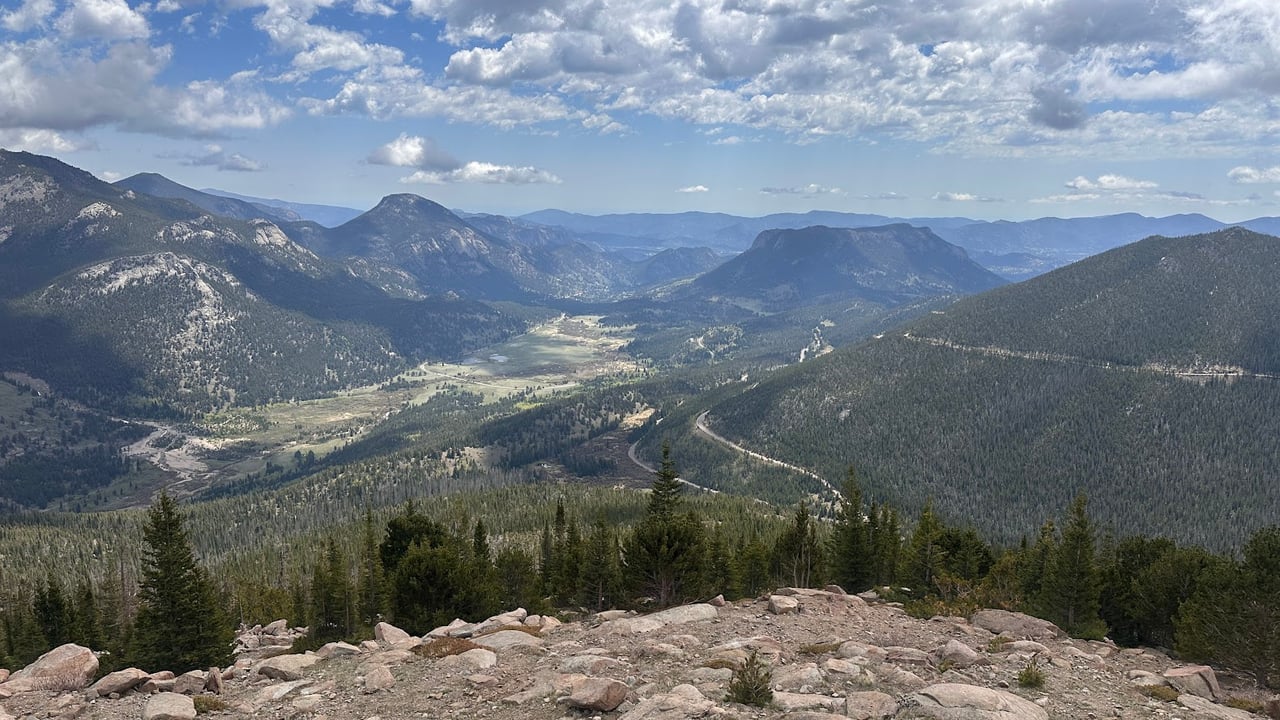
Pull over at an overlook, Many Parks Curve or Rainbow Curve, and step out.
The wind greets you immediately. Not harsh, but insistent. It carries a chill even on sunny days, brushing past your skin like a reminder: you’re getting closer to the sky.
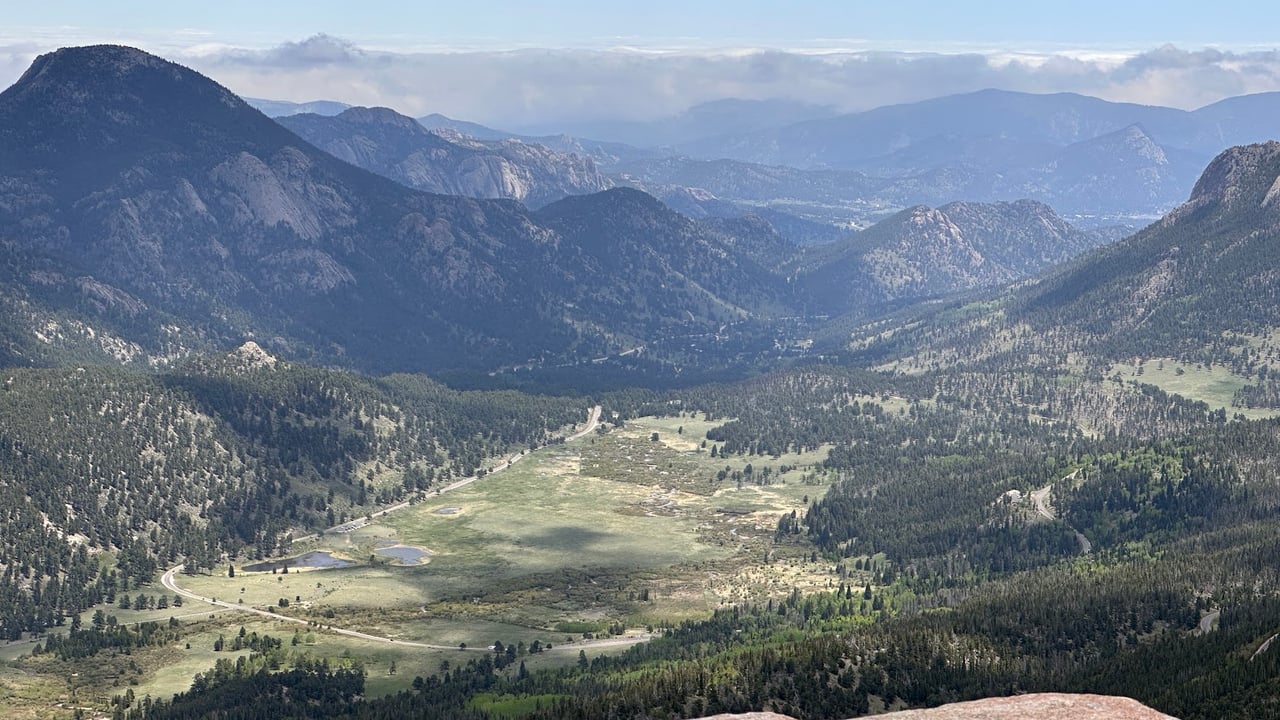
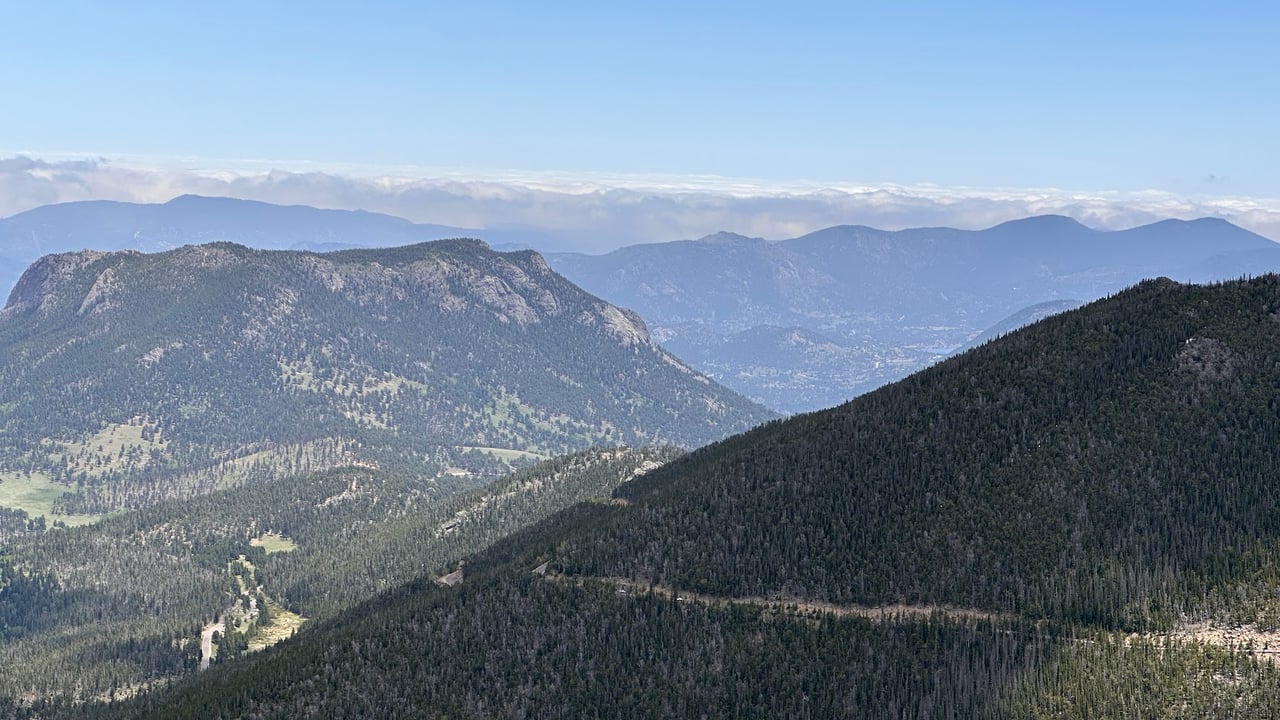
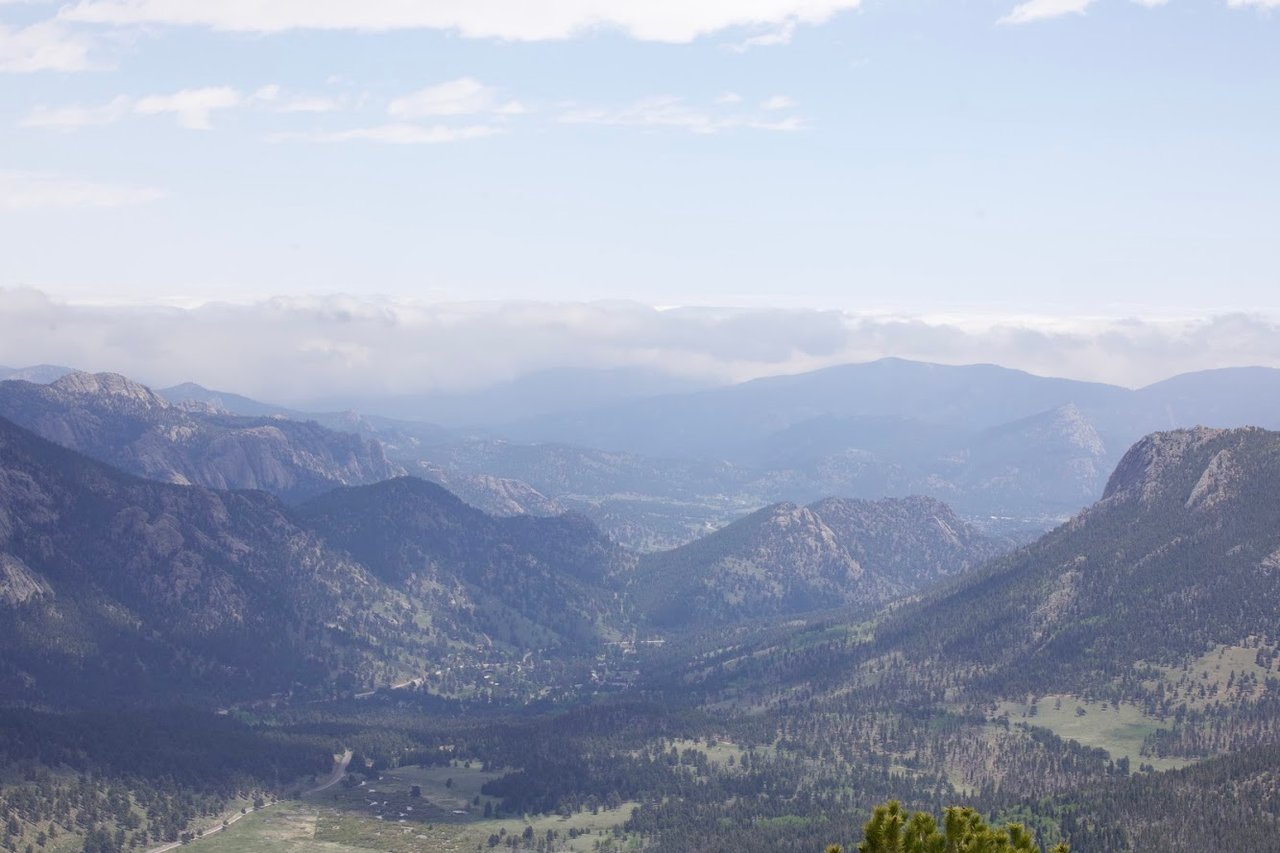
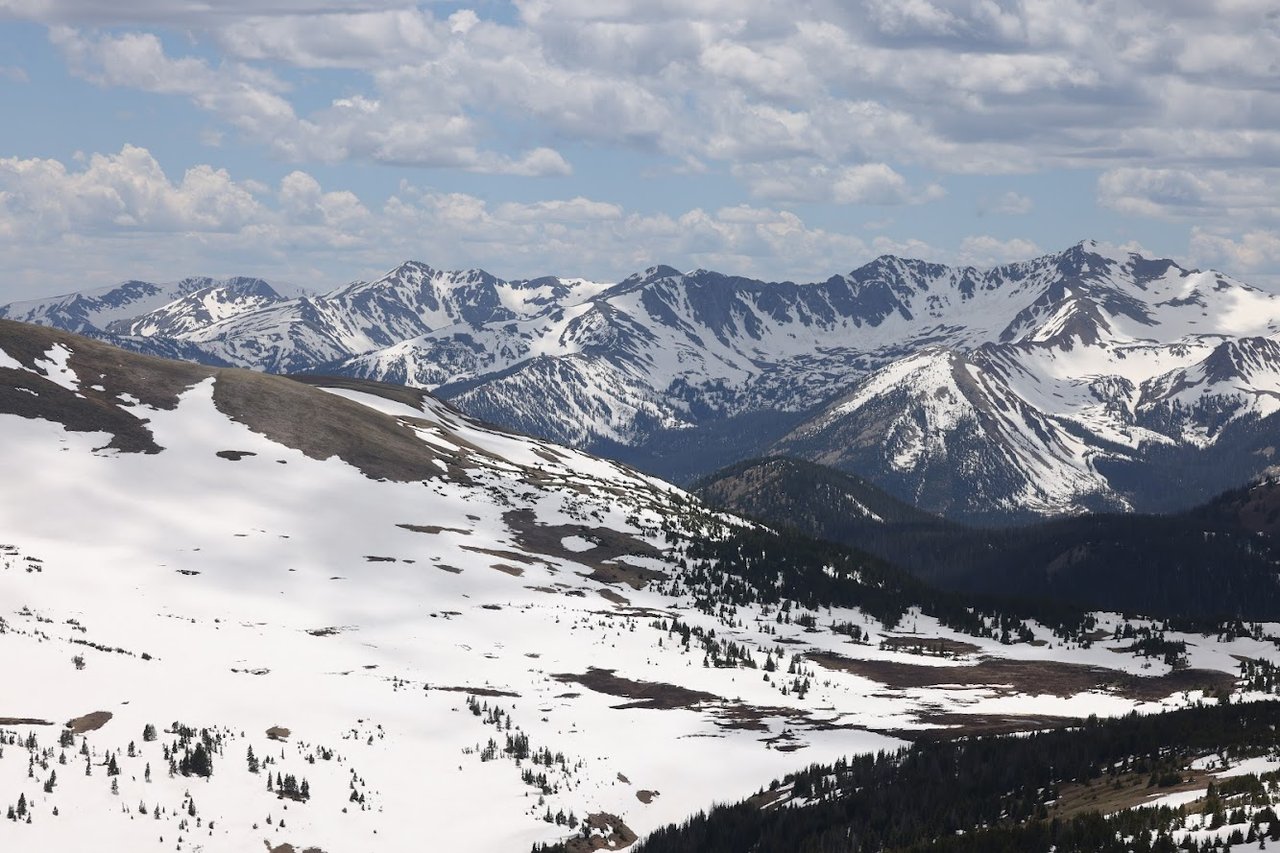
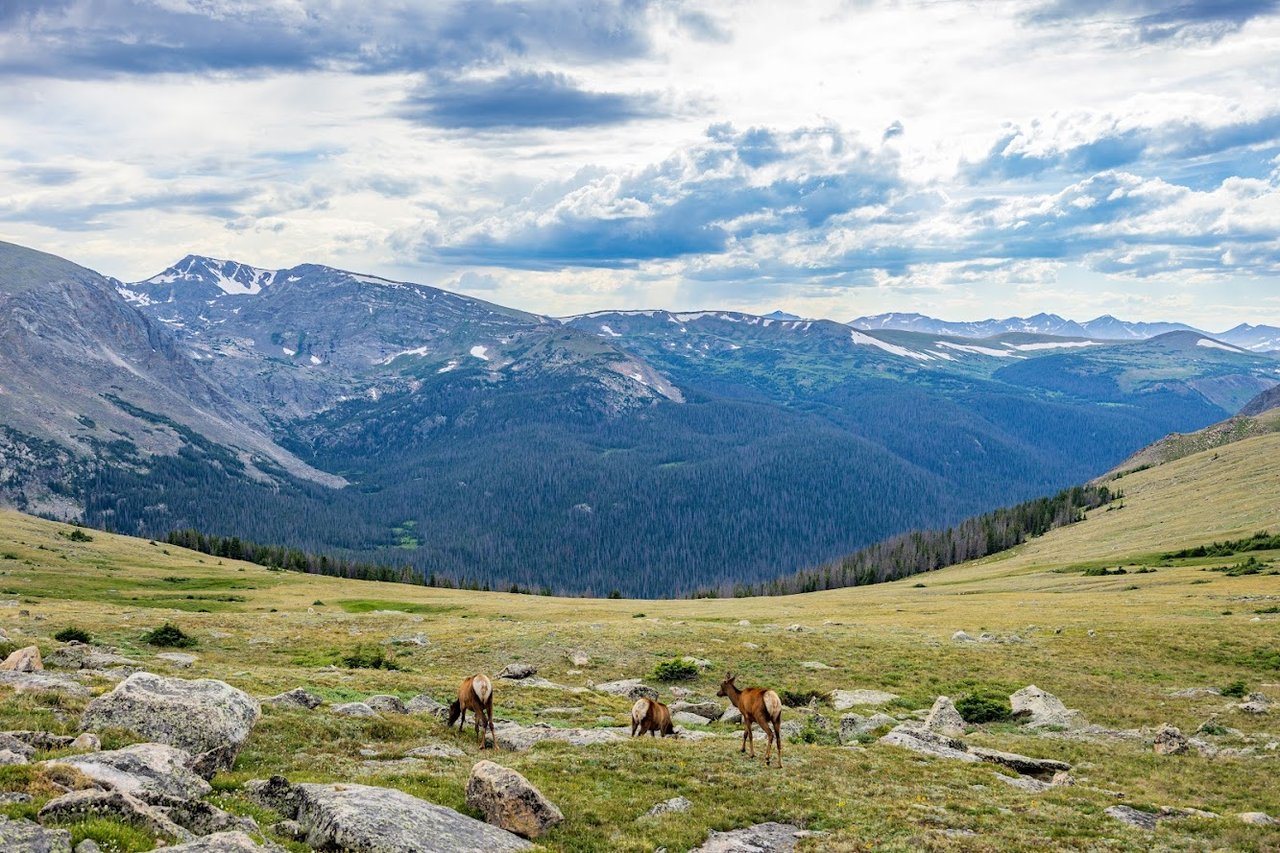
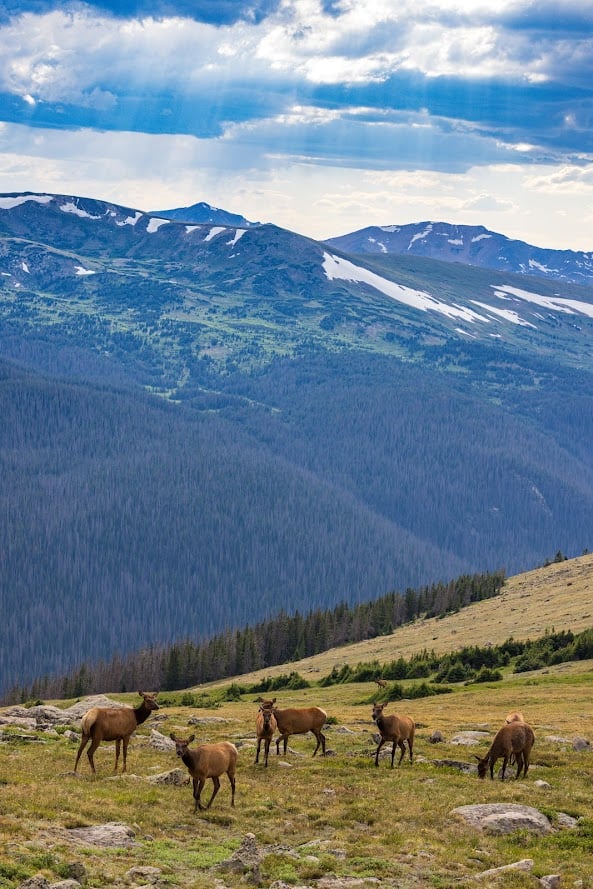
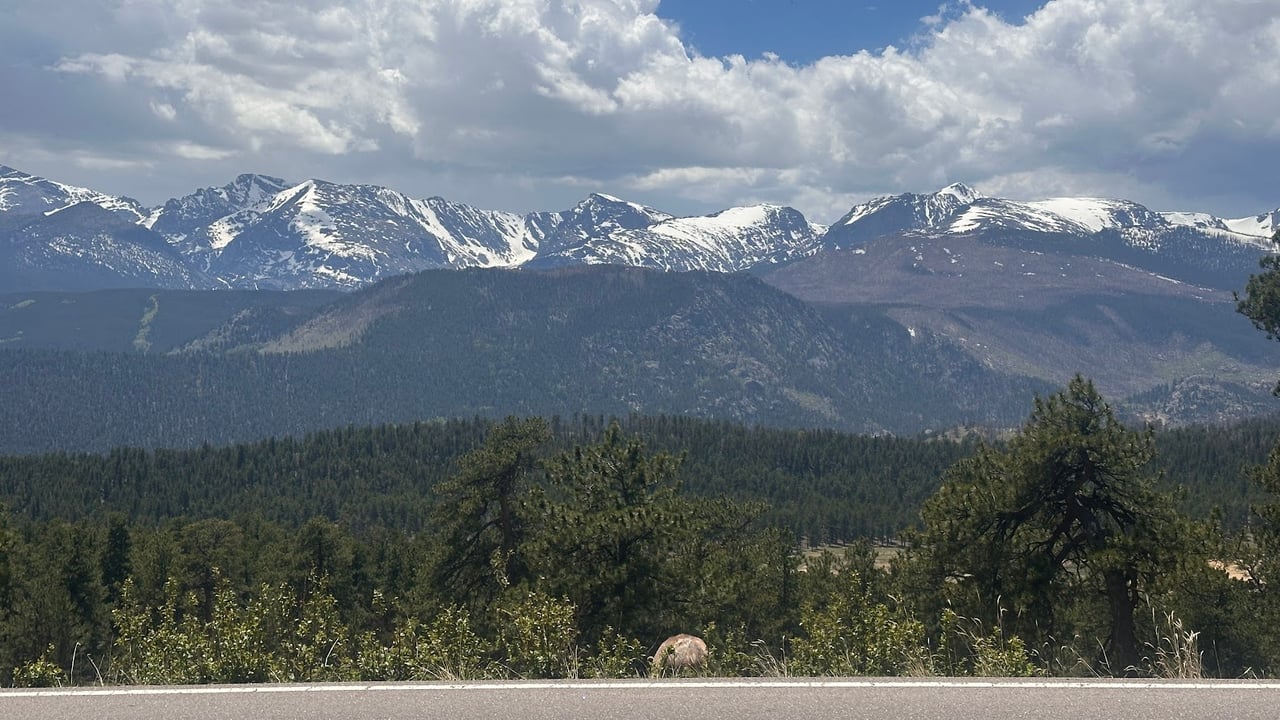
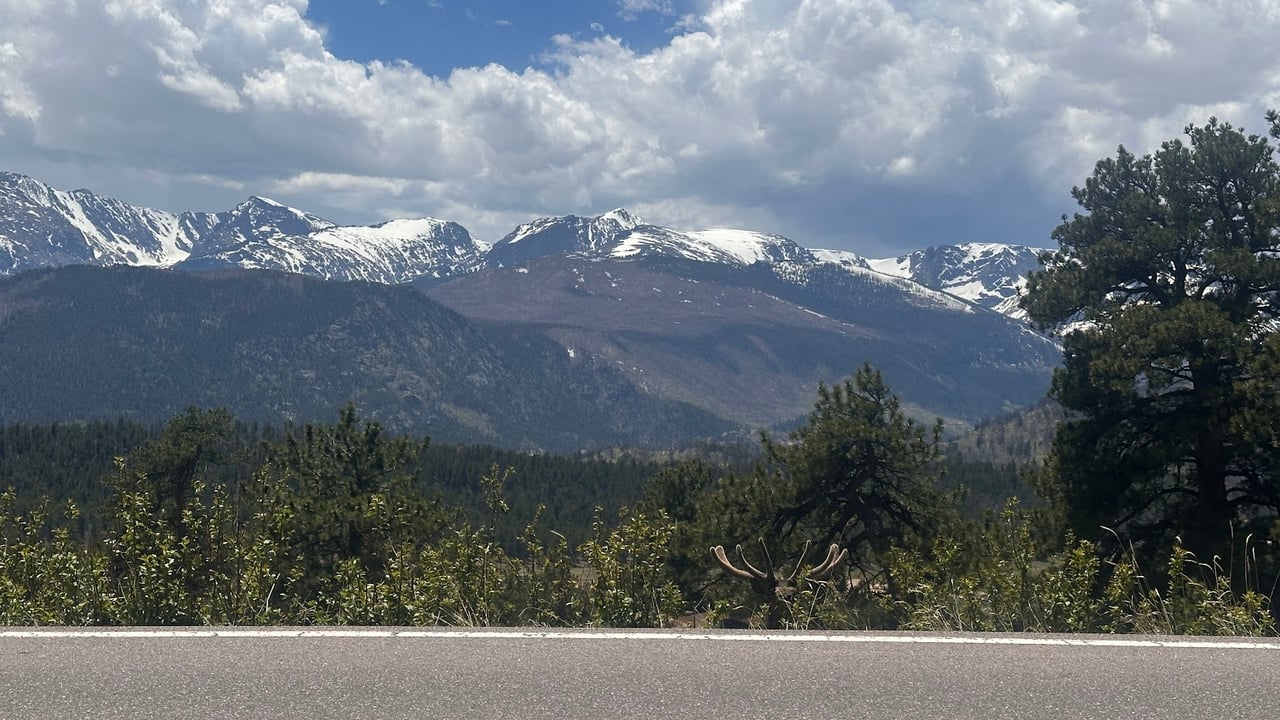
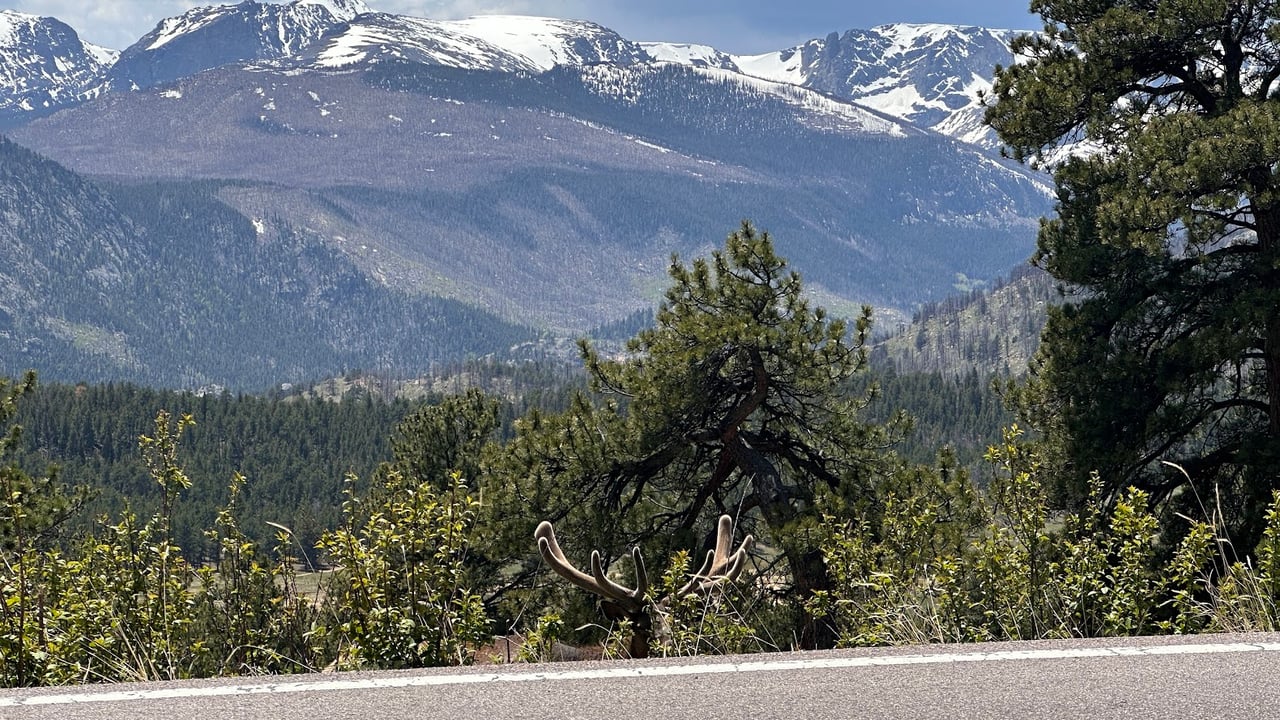
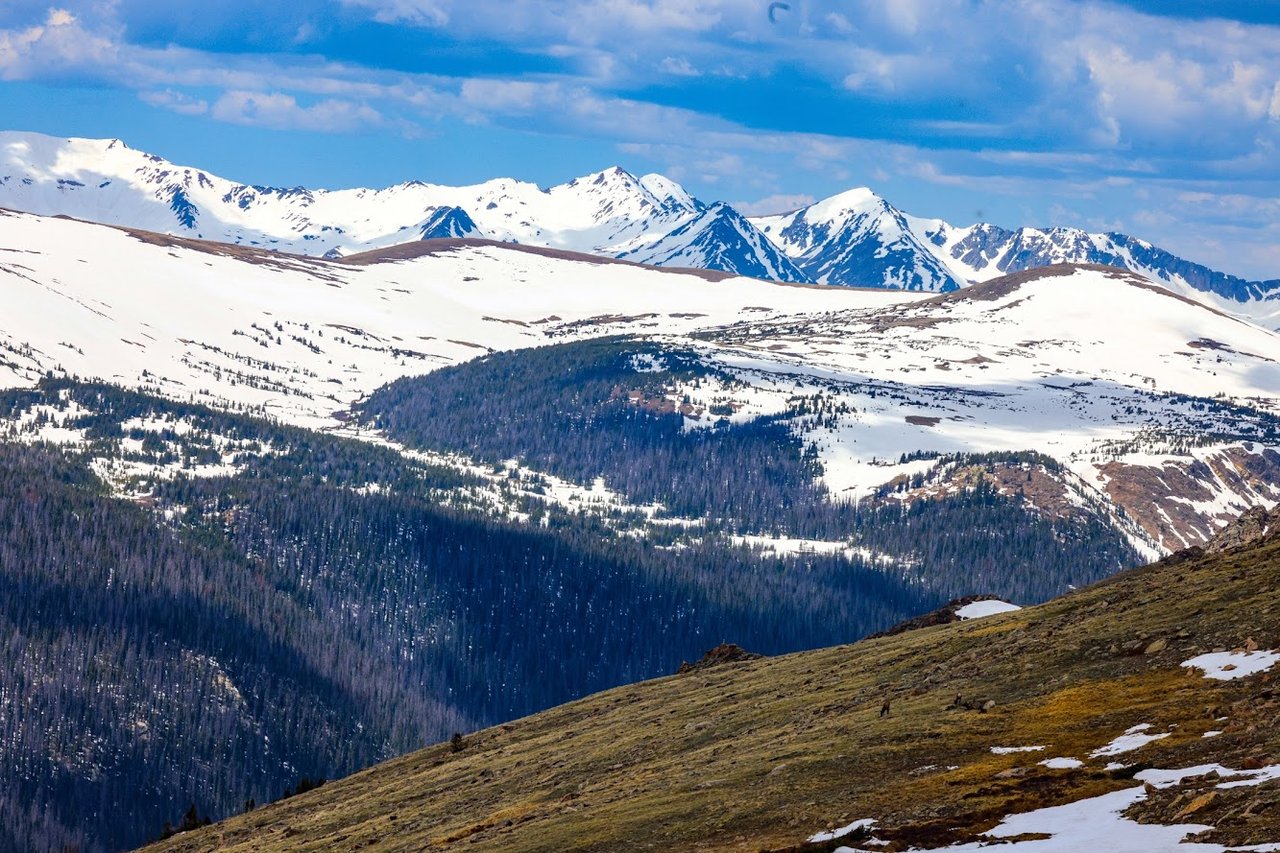
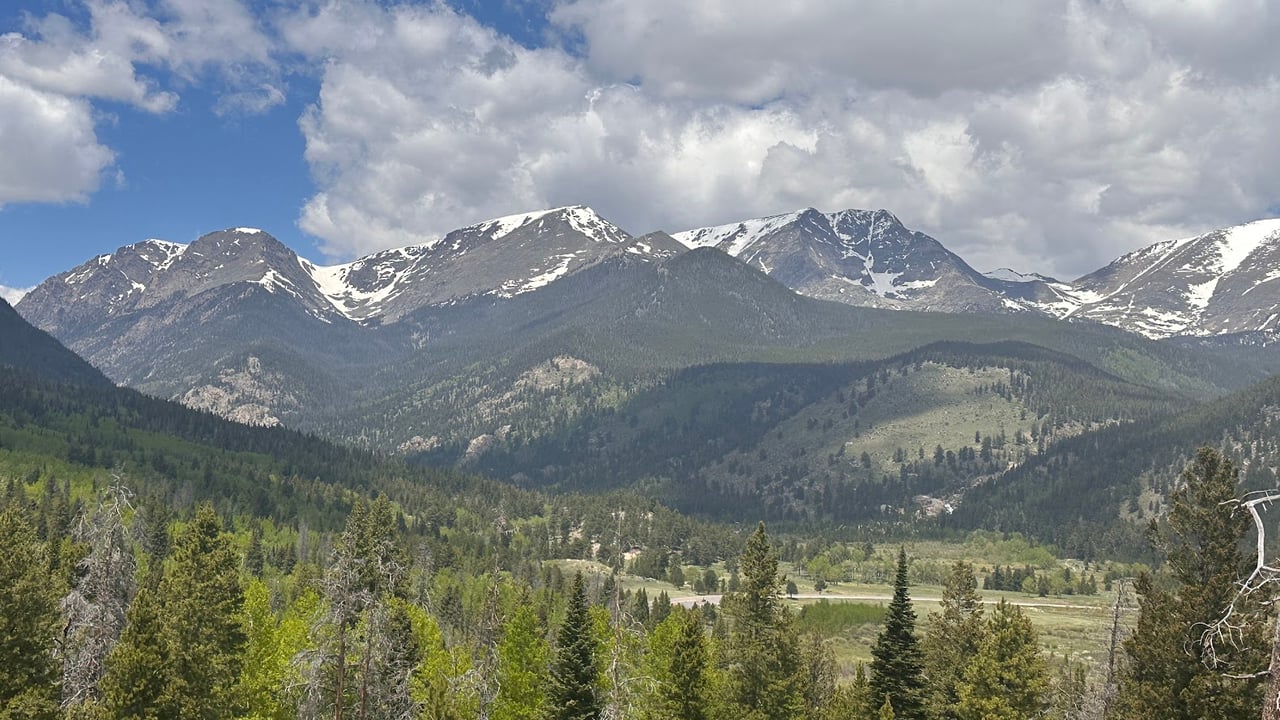
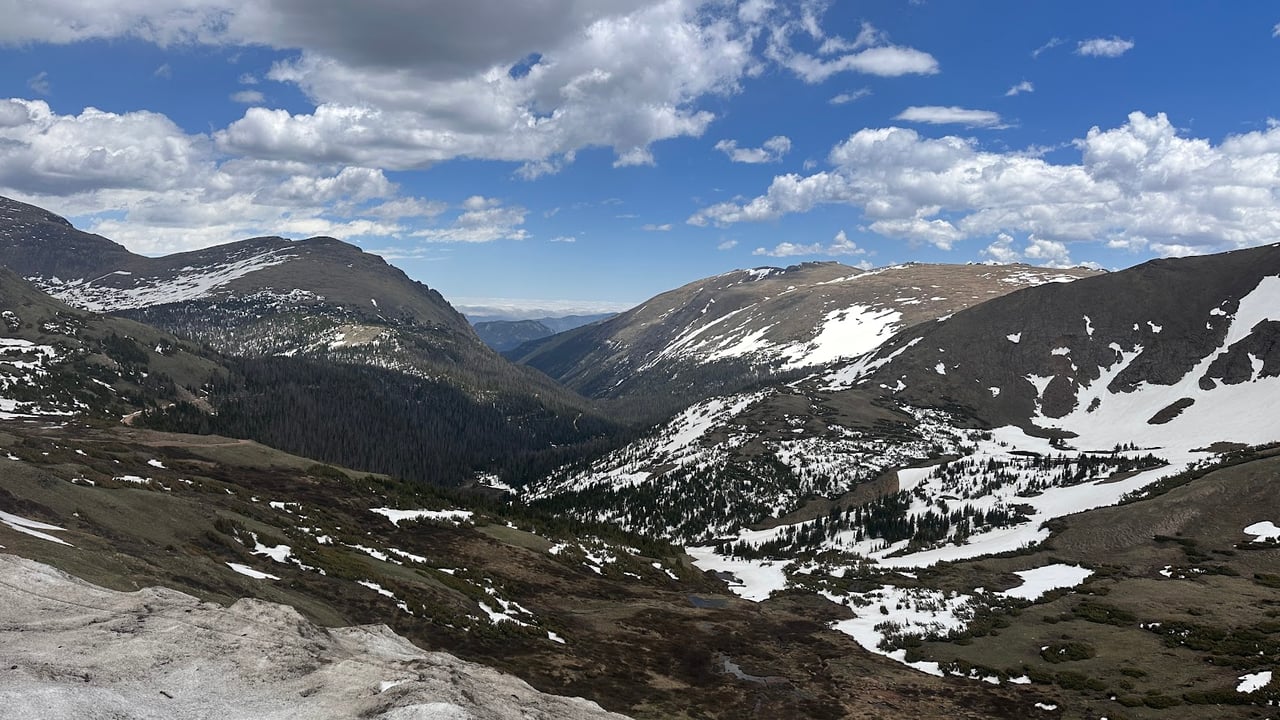
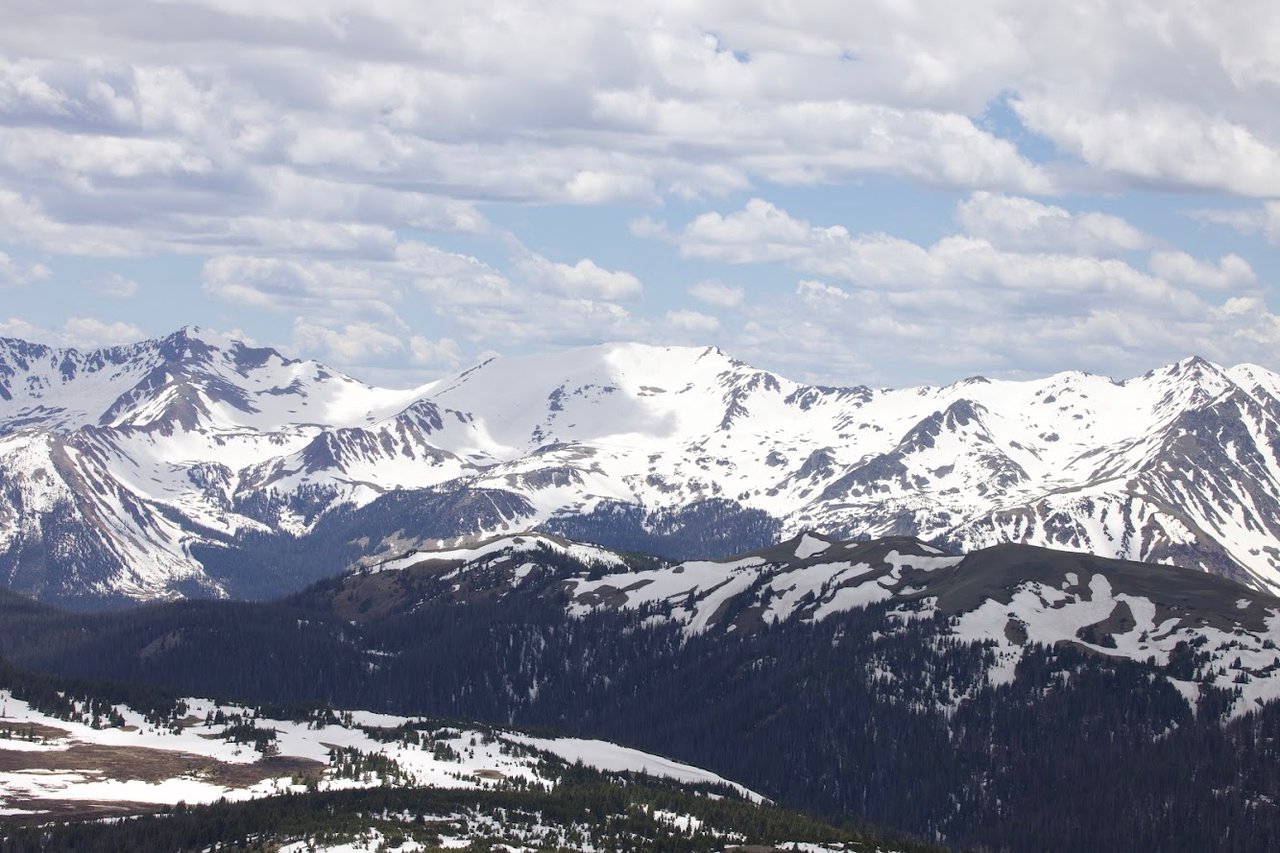
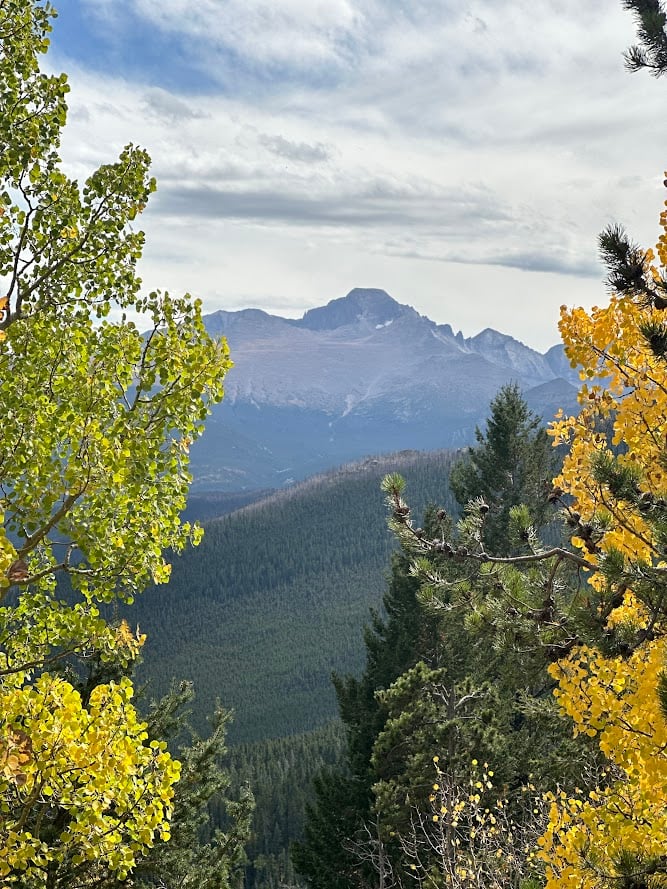
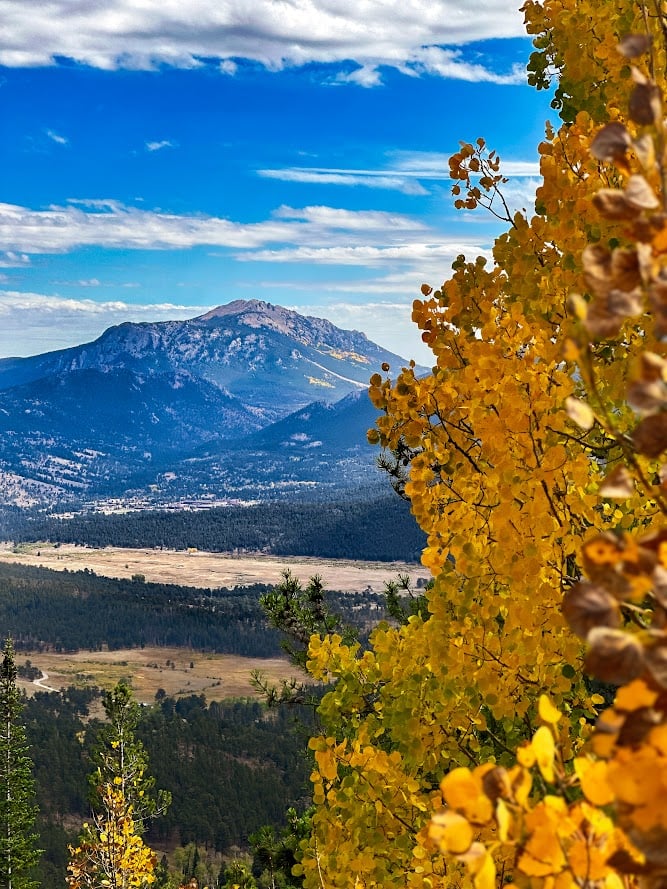
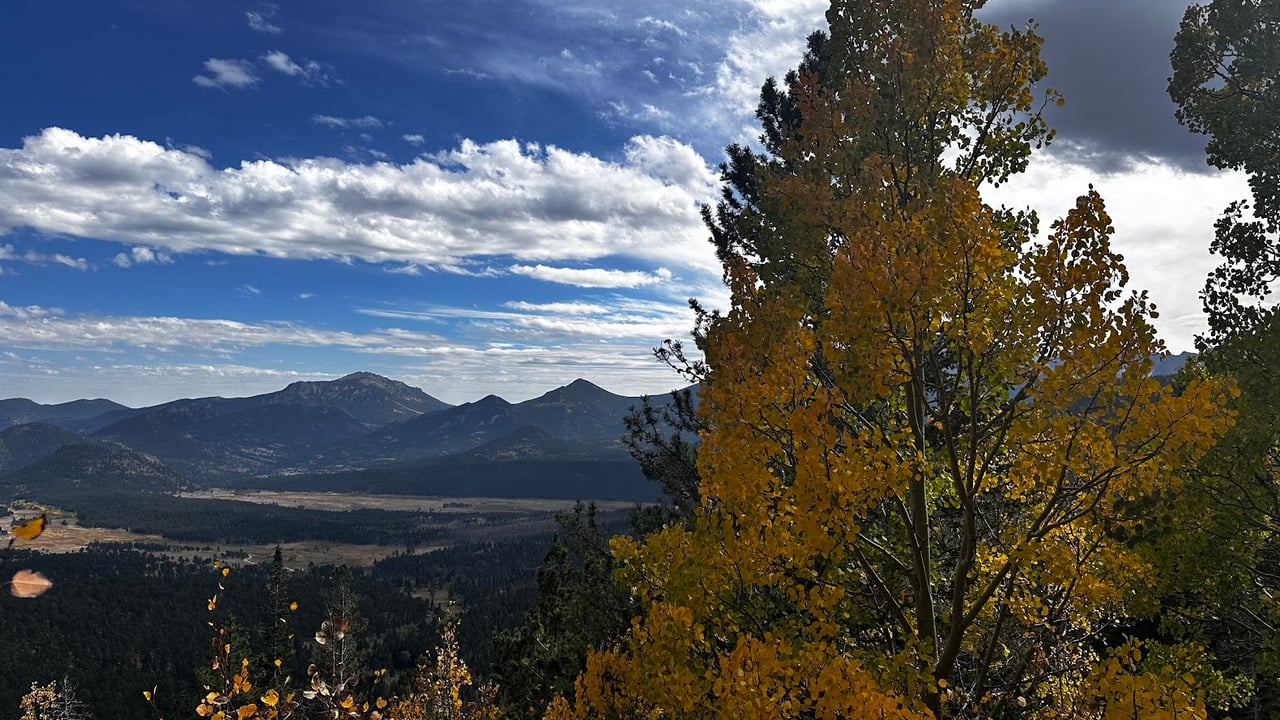
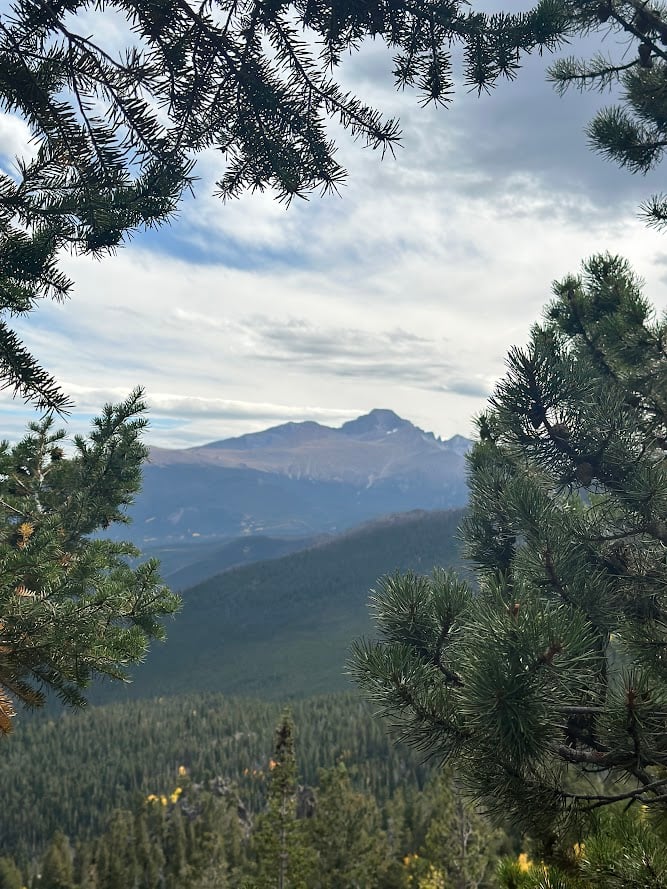
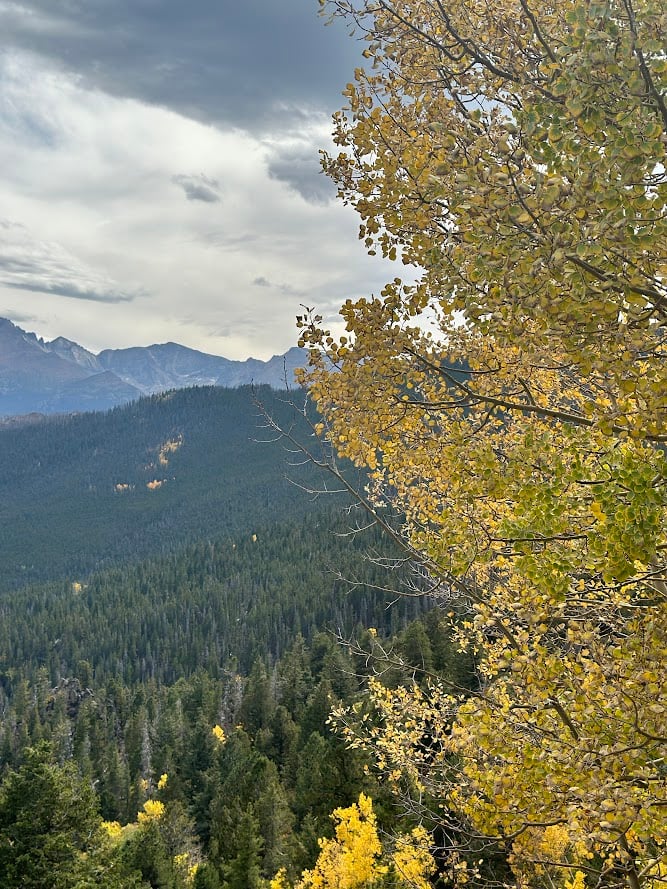
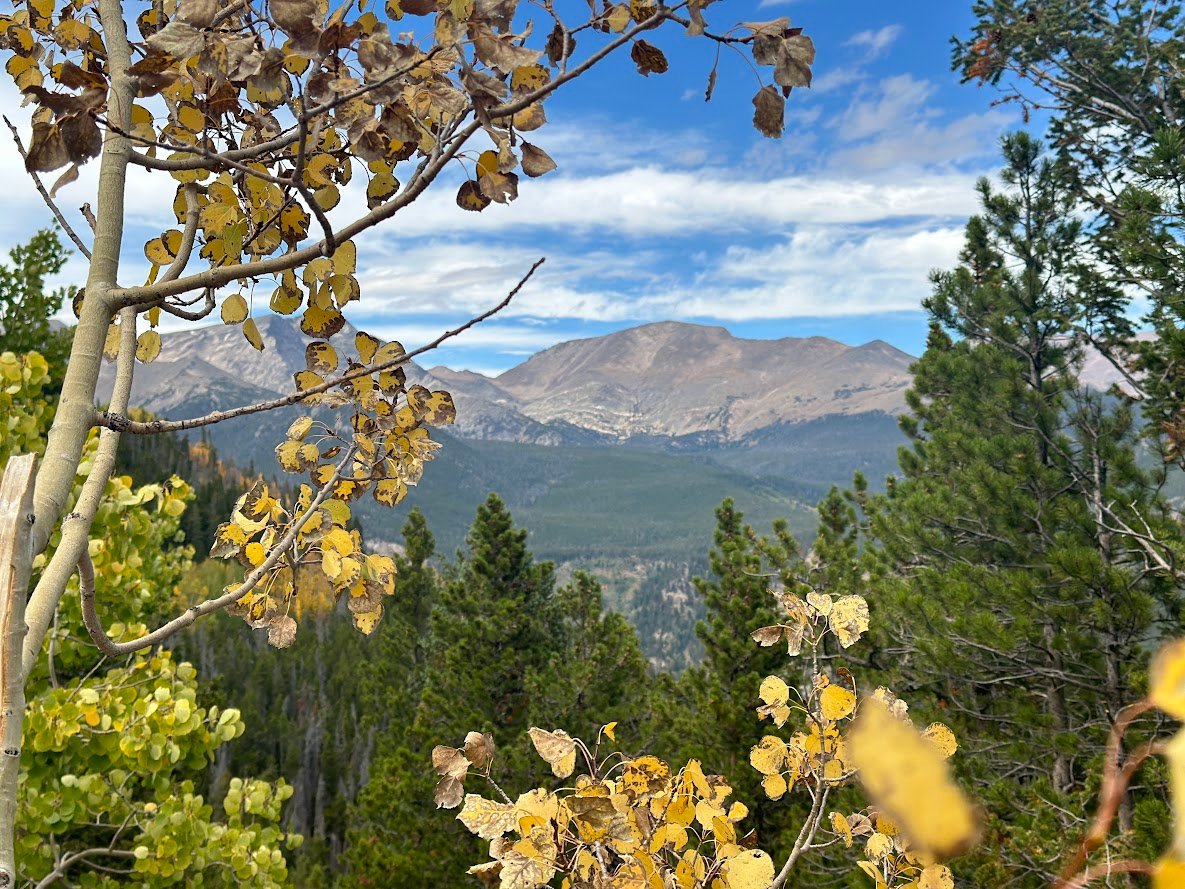
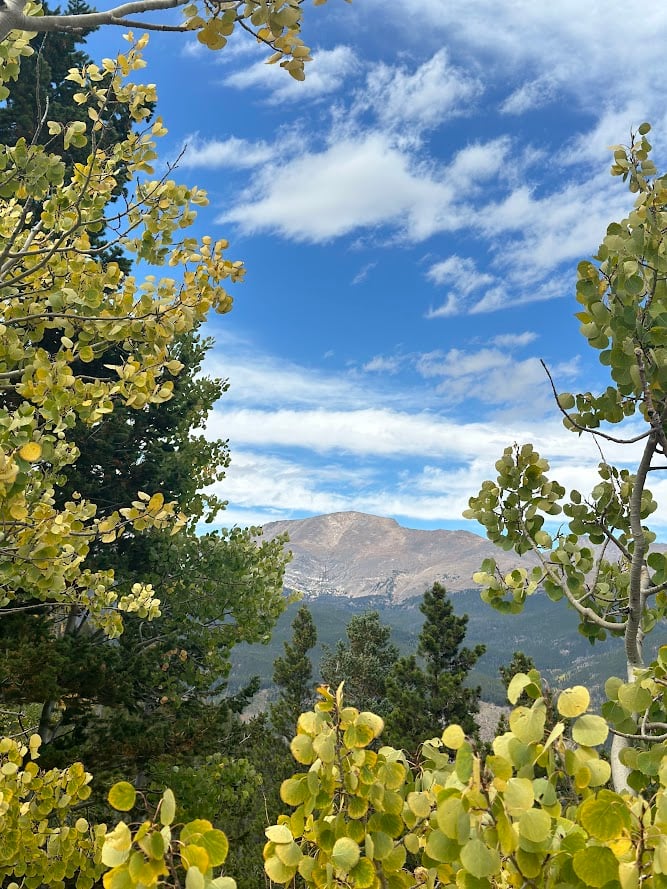
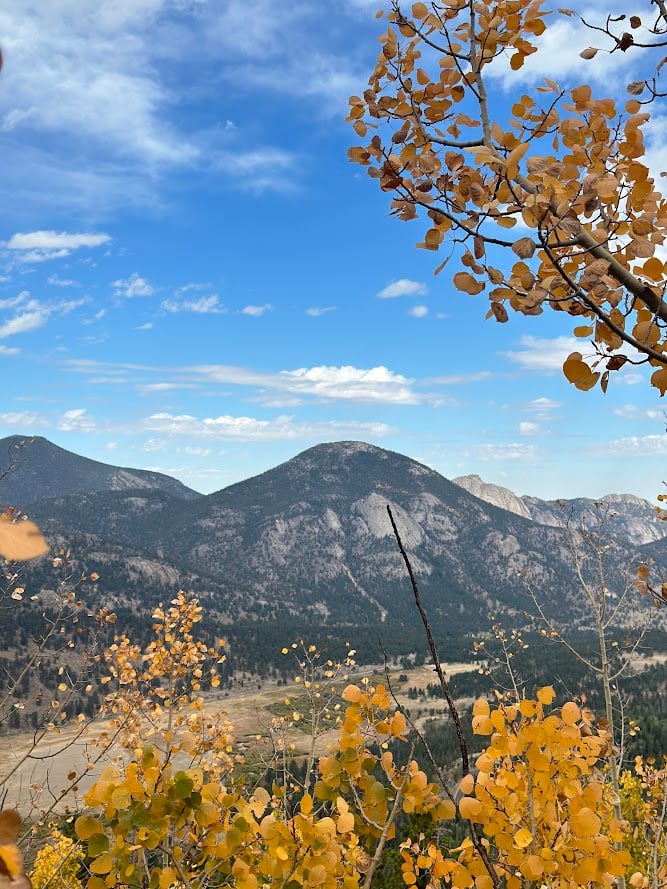
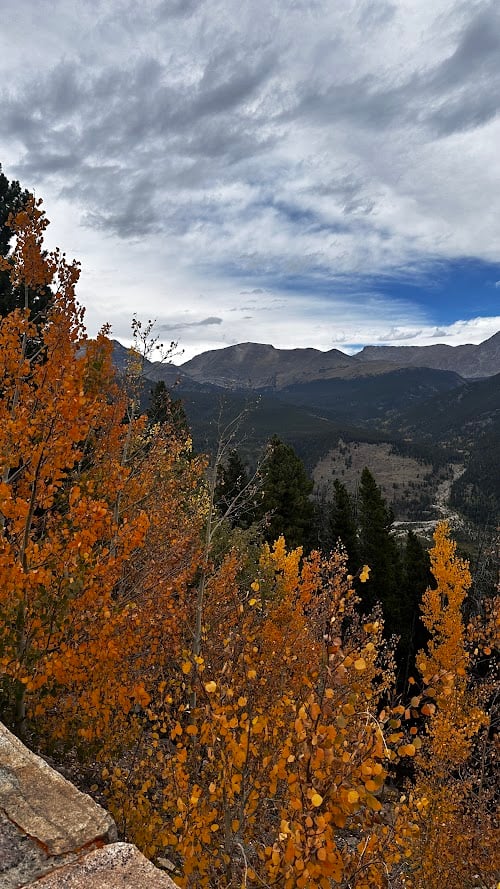
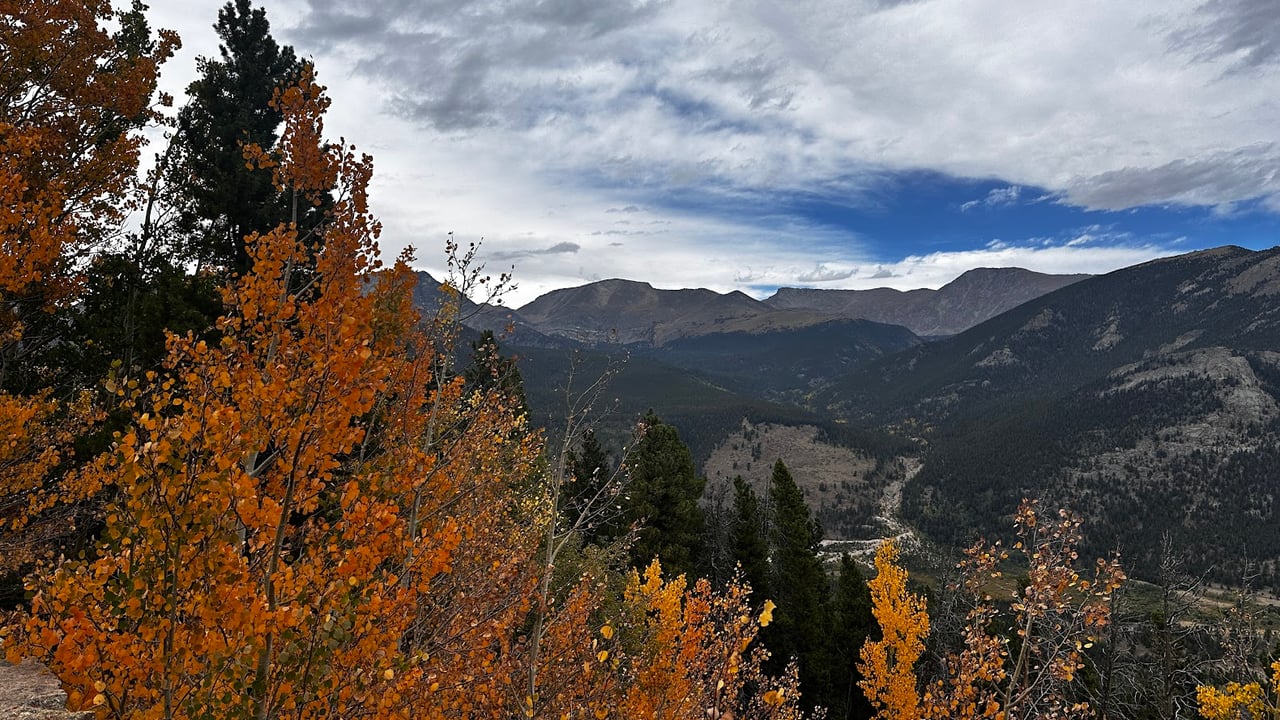
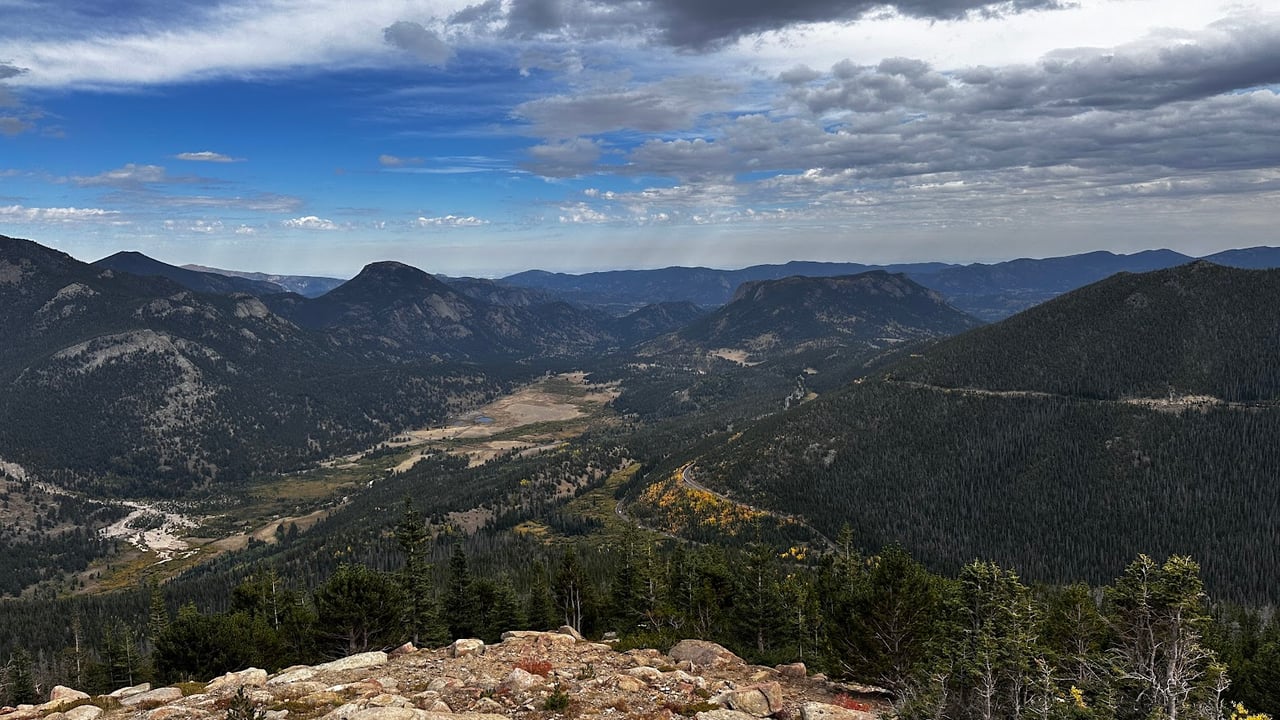
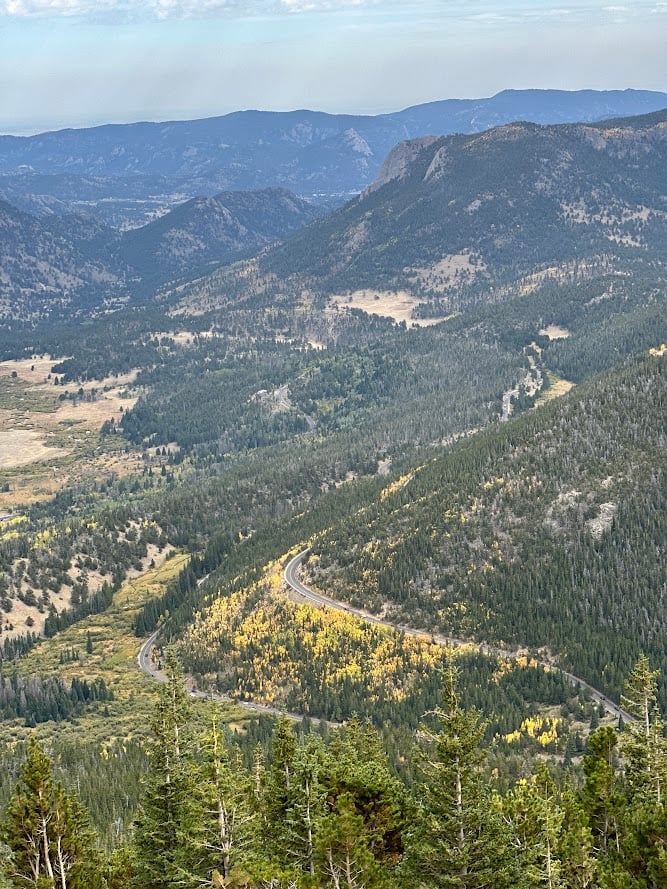
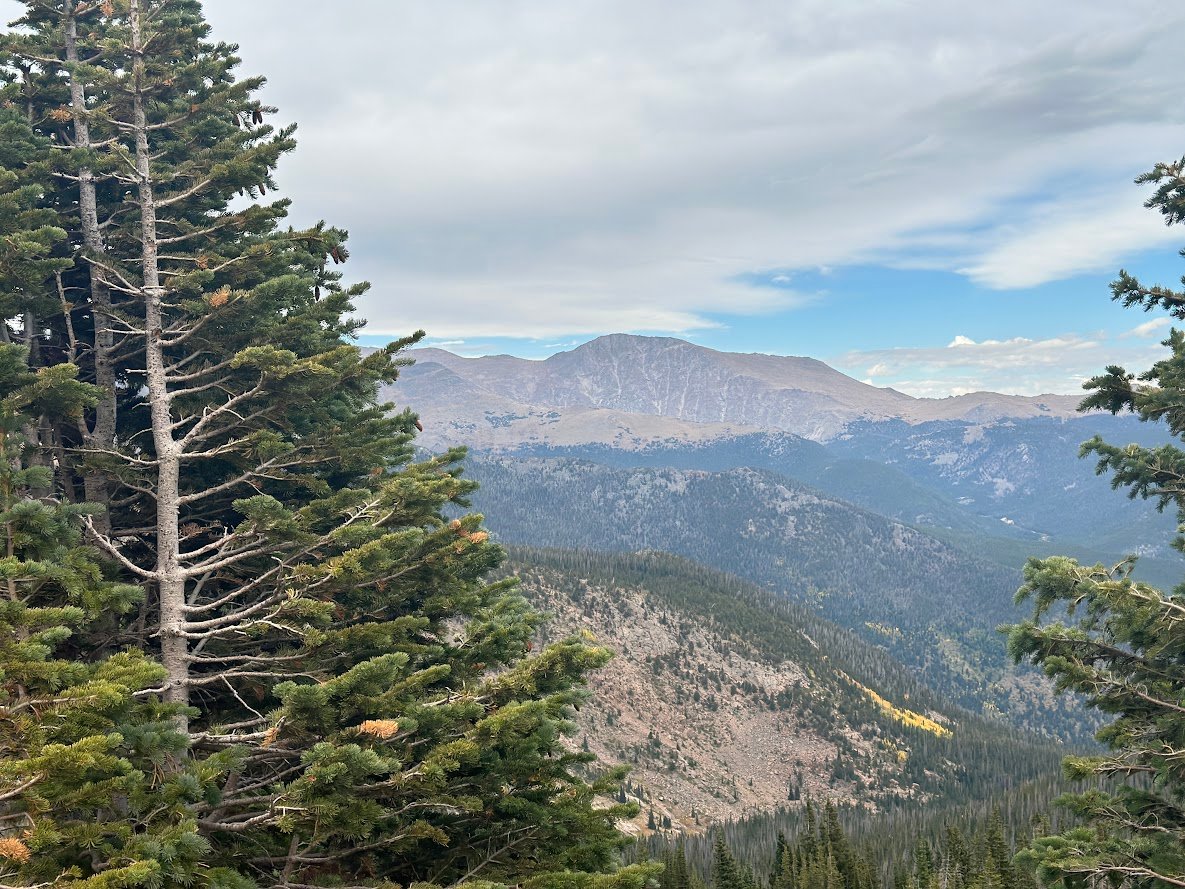
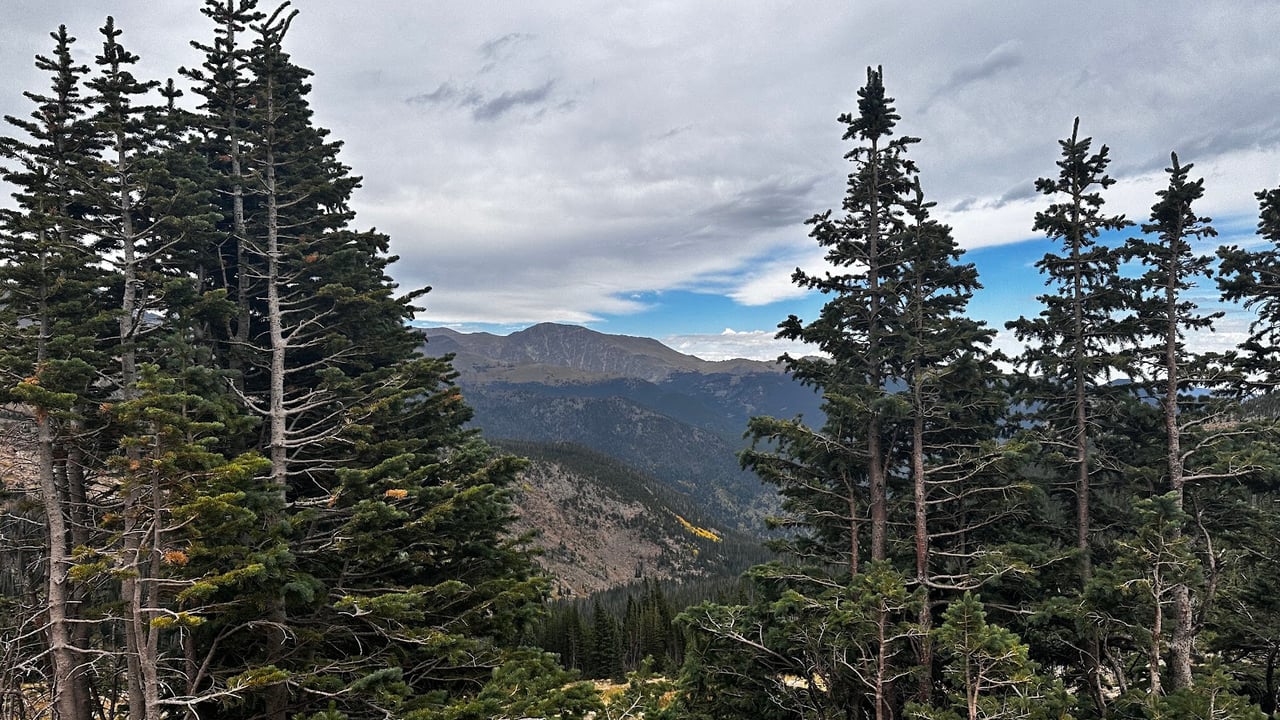
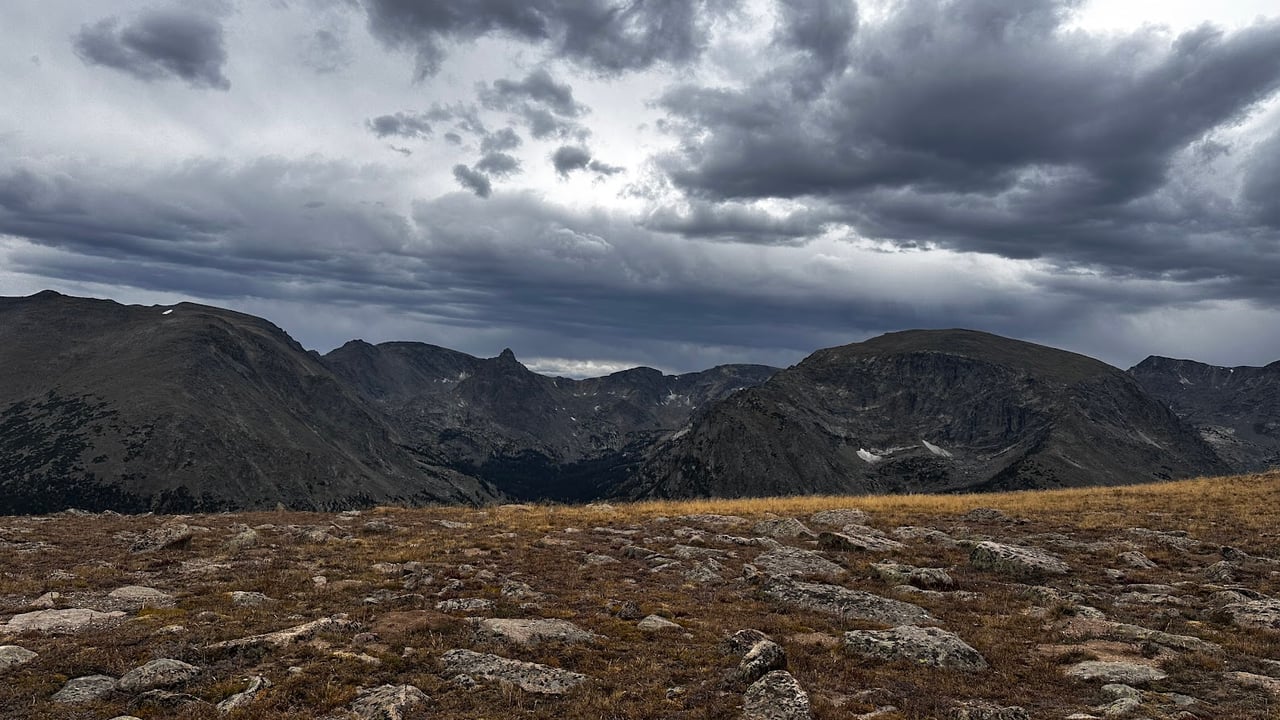
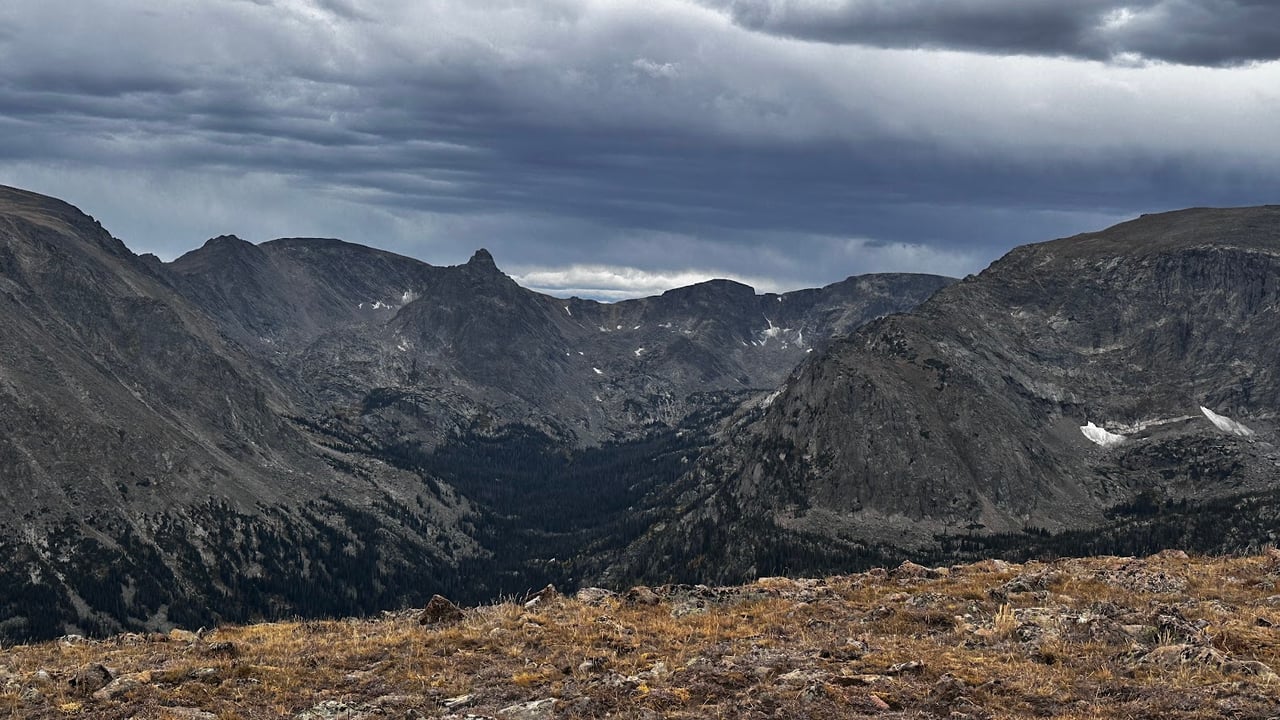
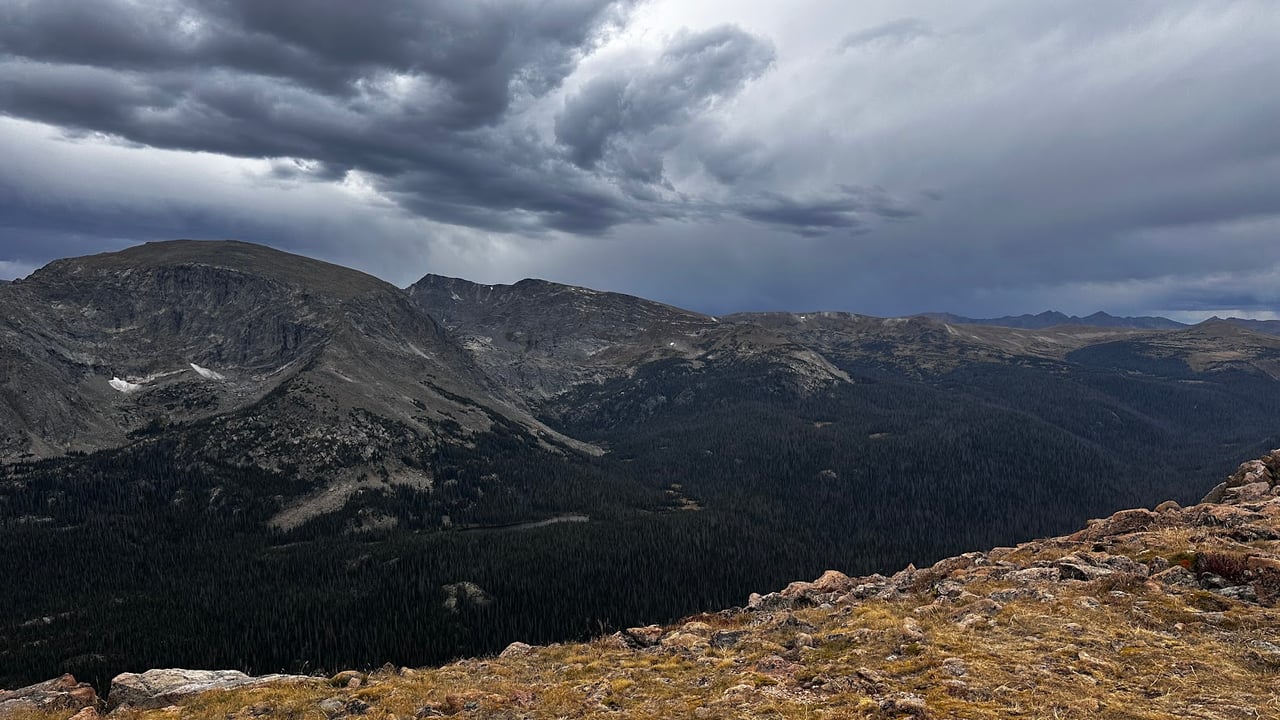
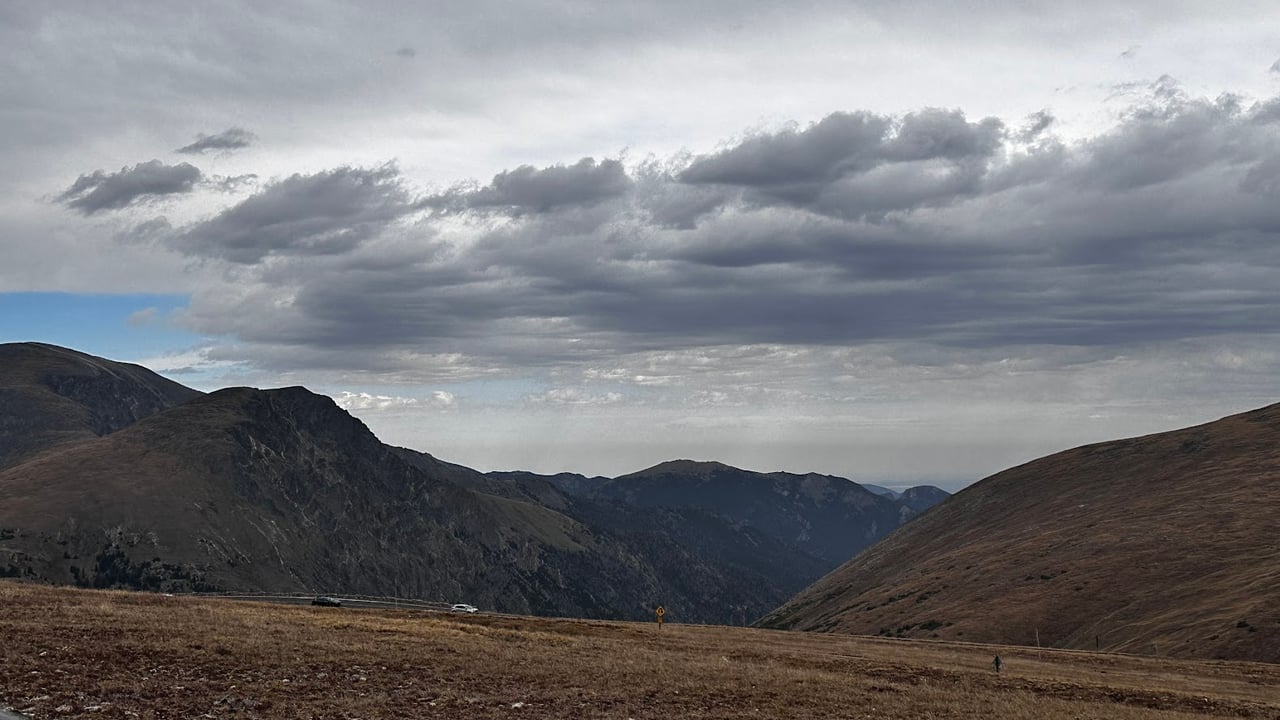
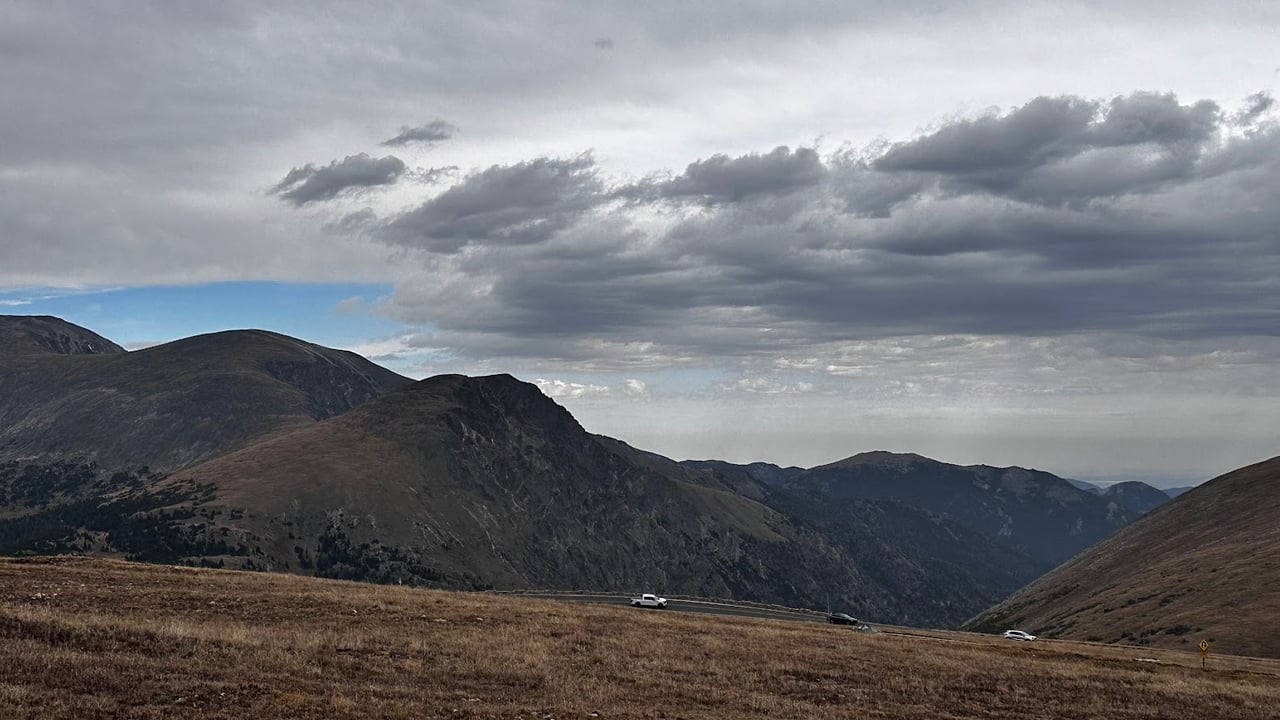
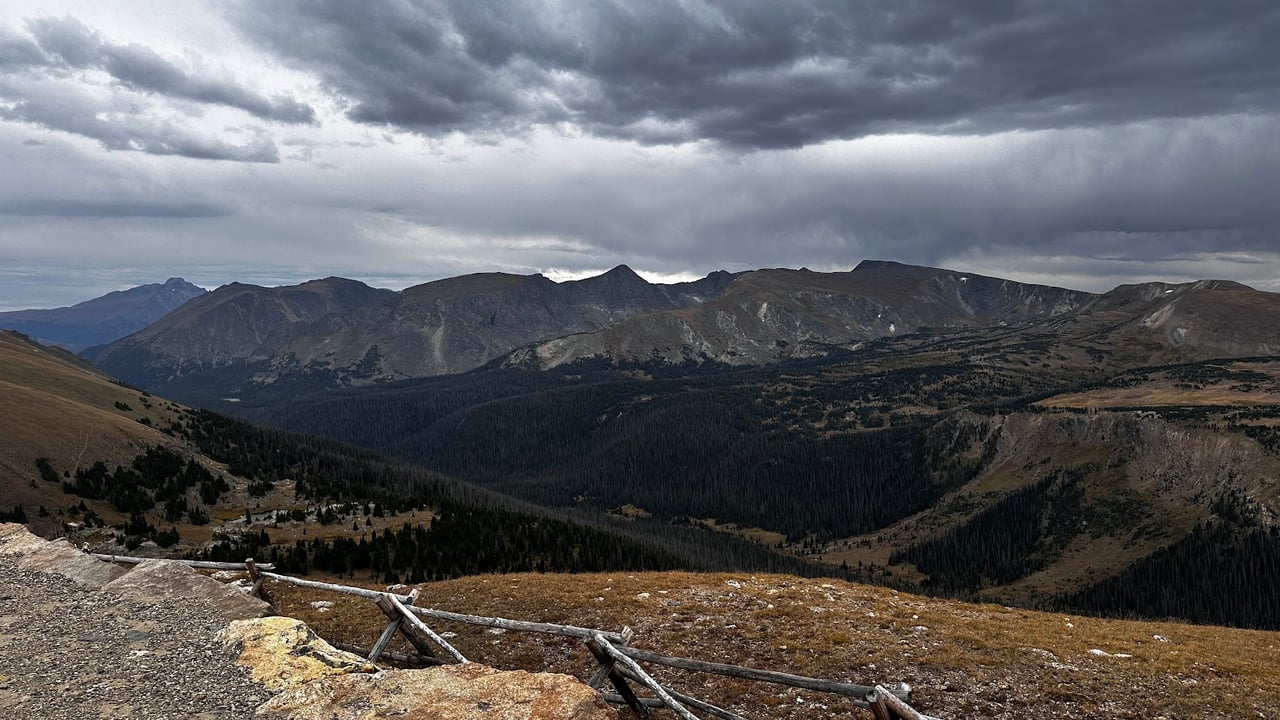
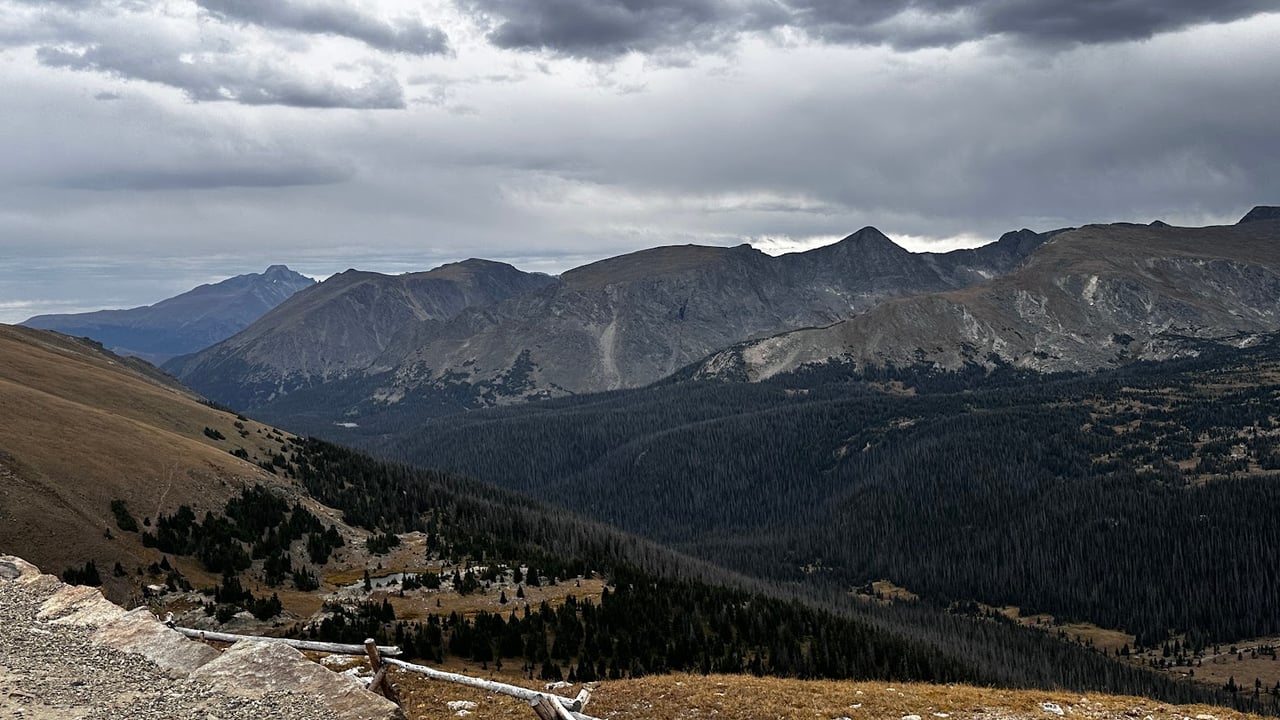
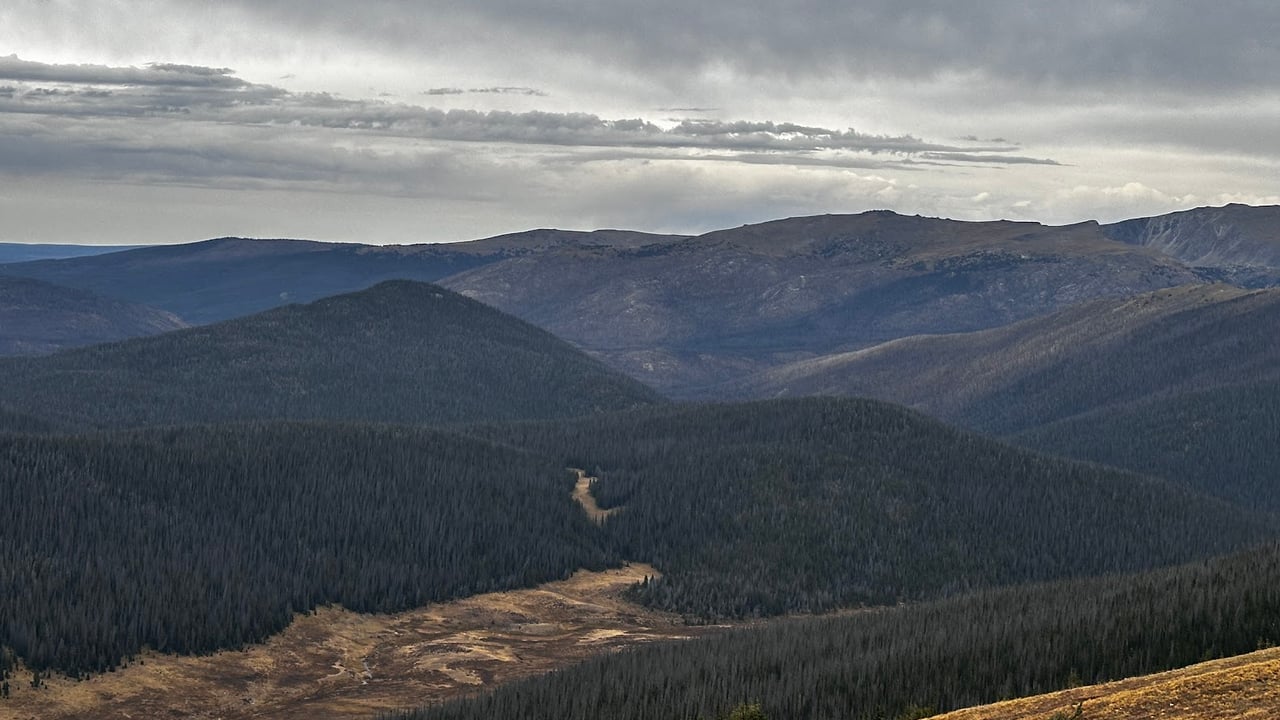
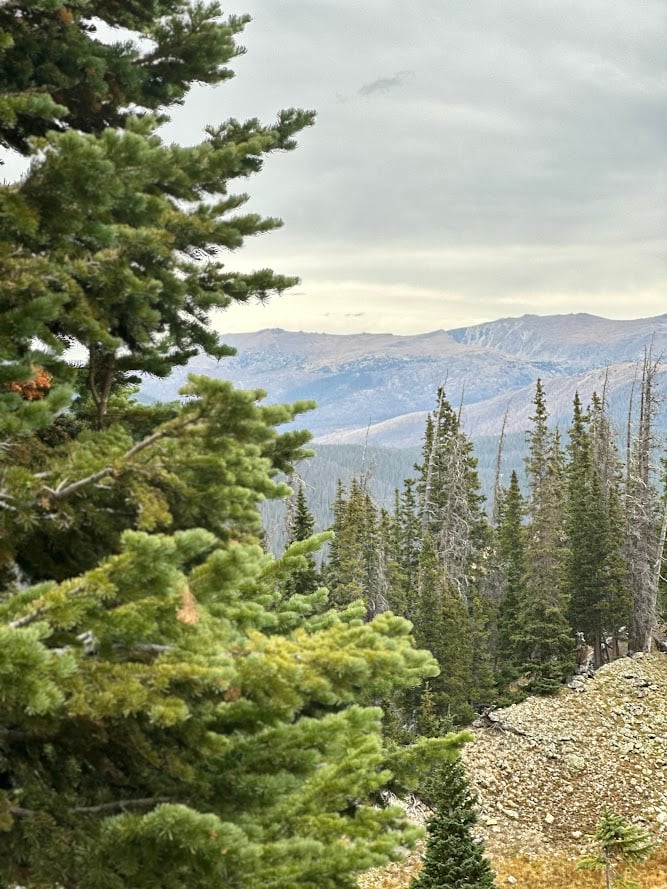
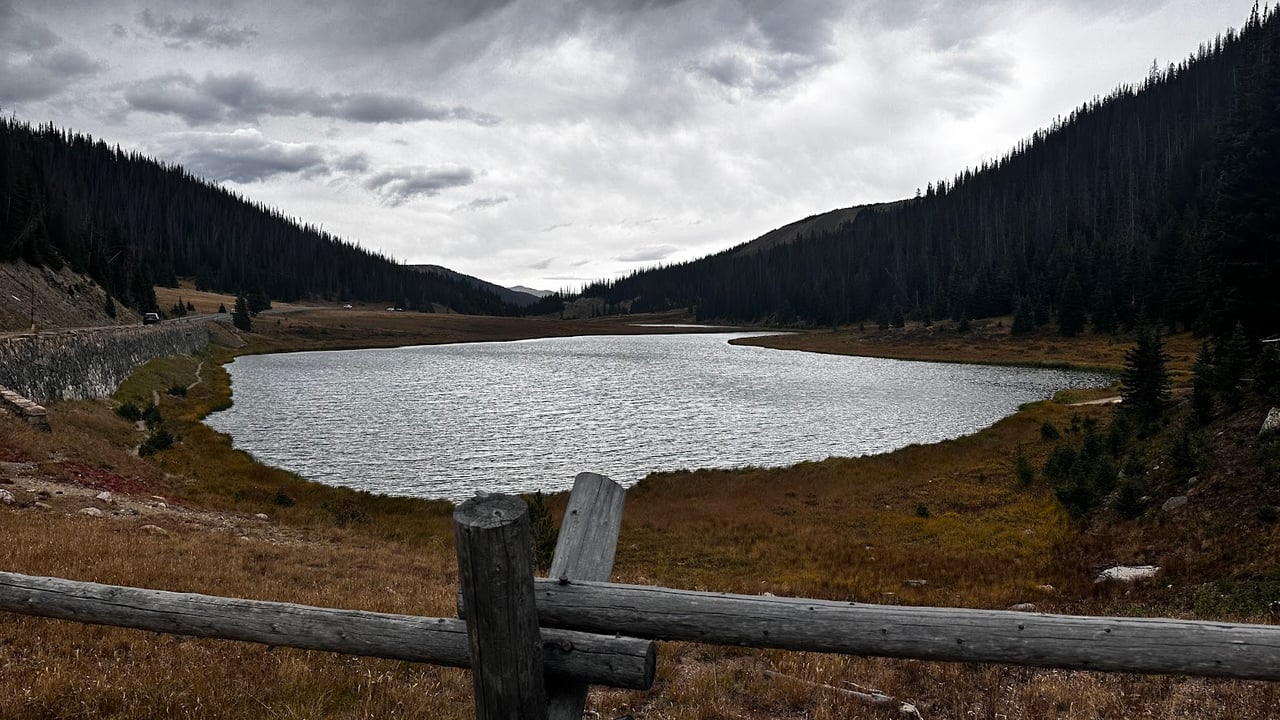
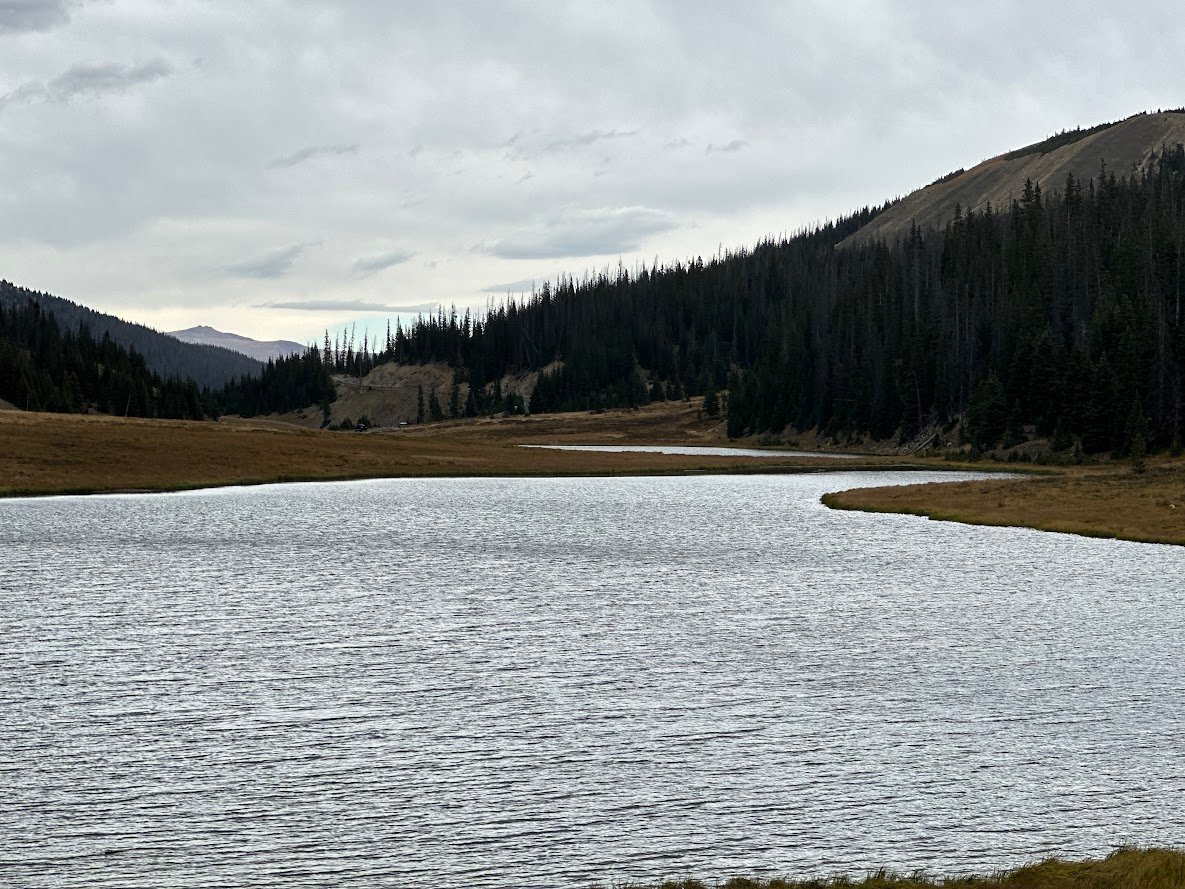
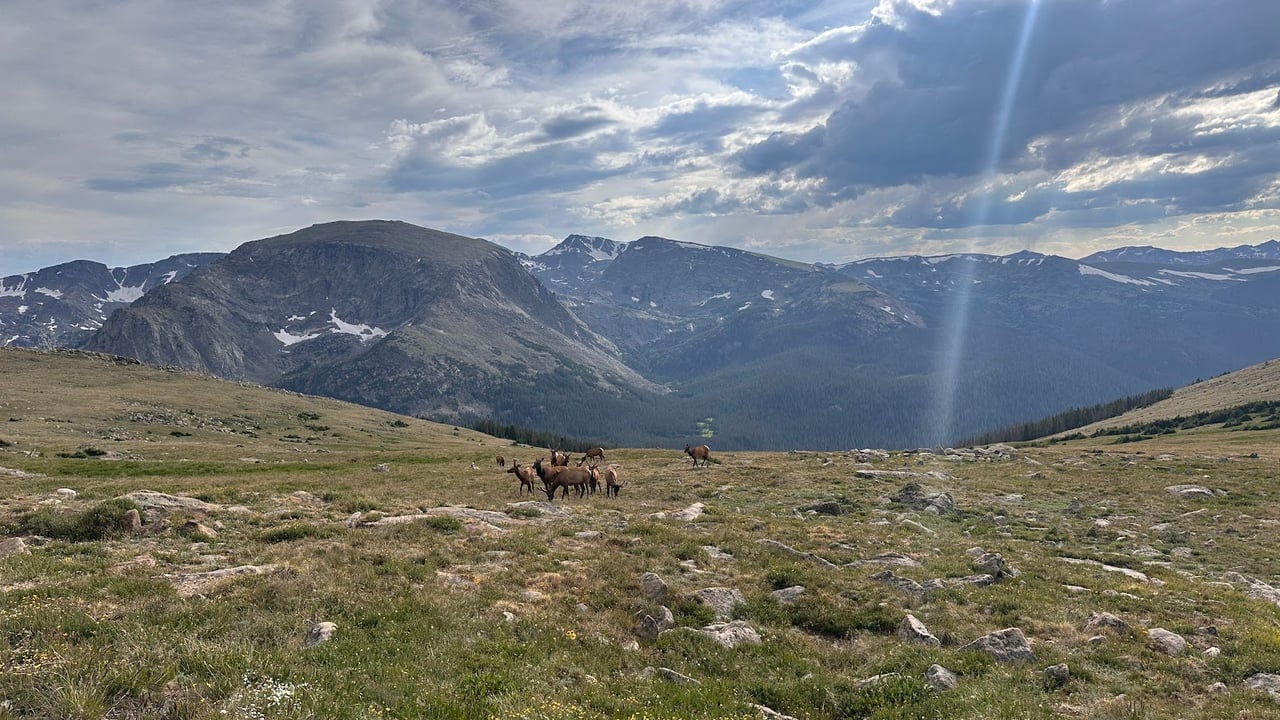
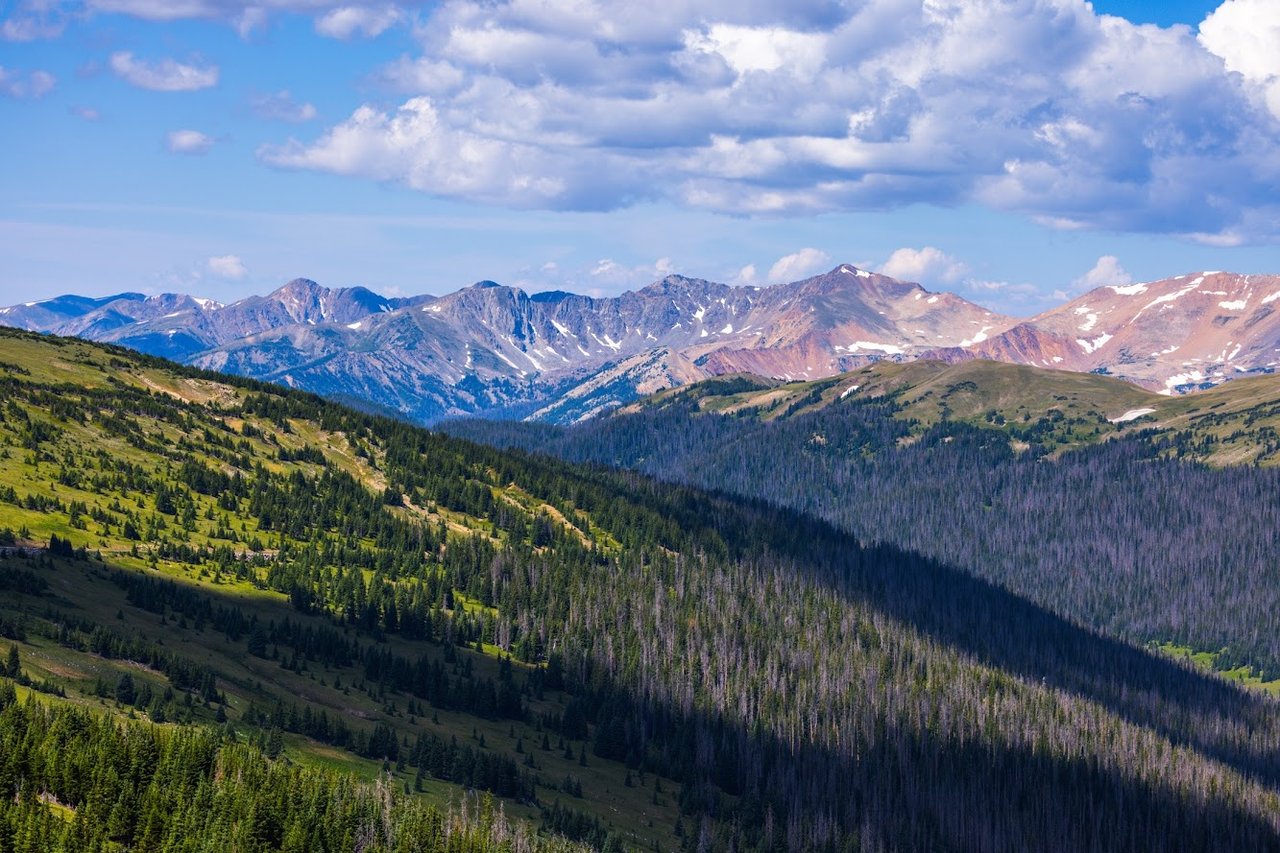
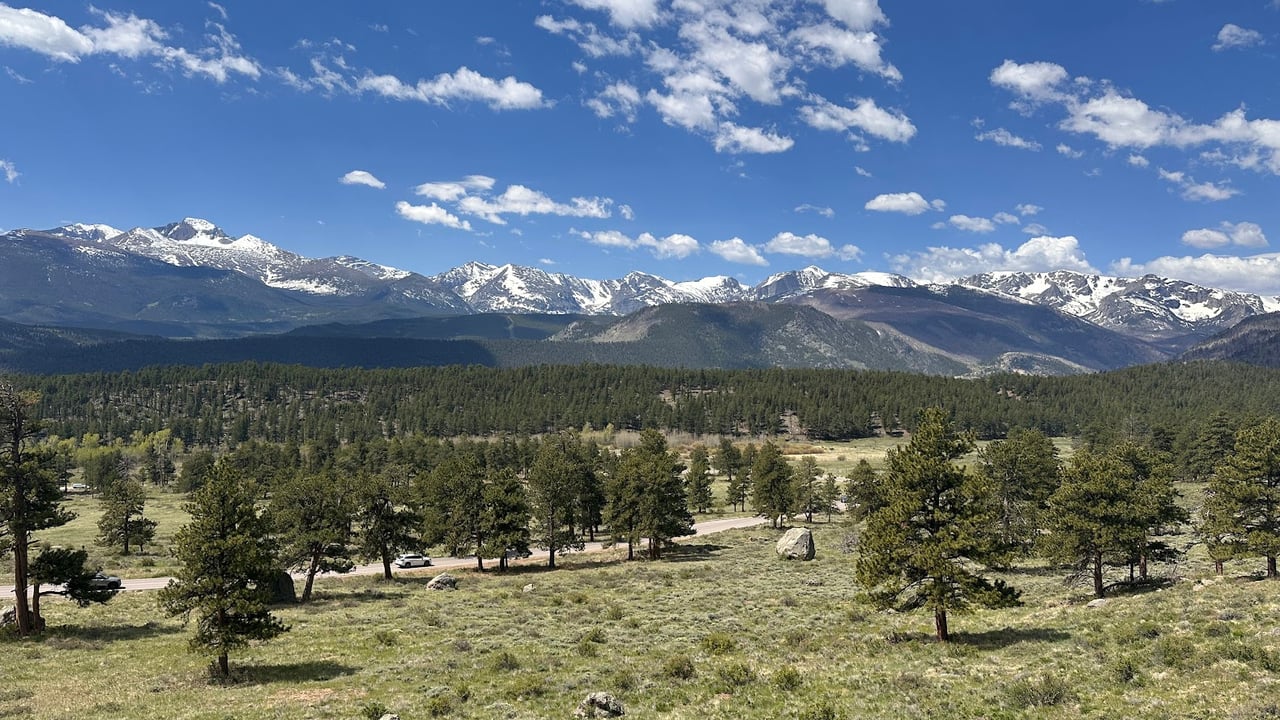
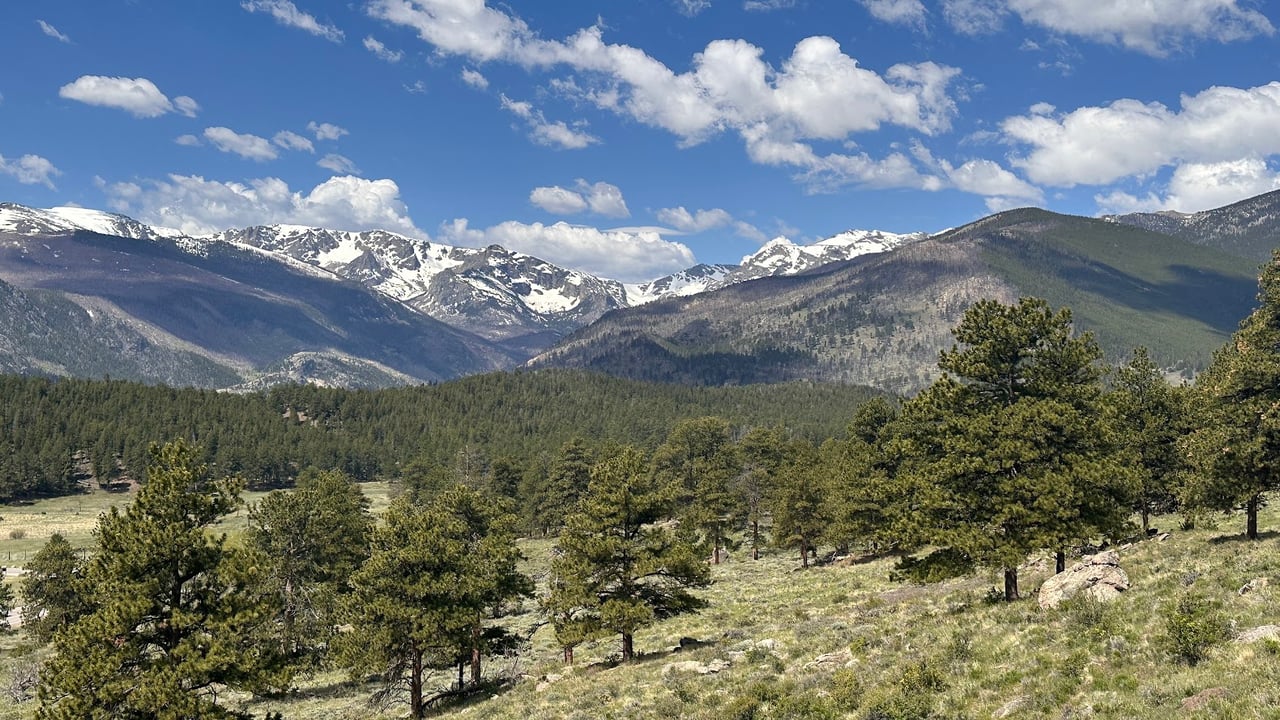
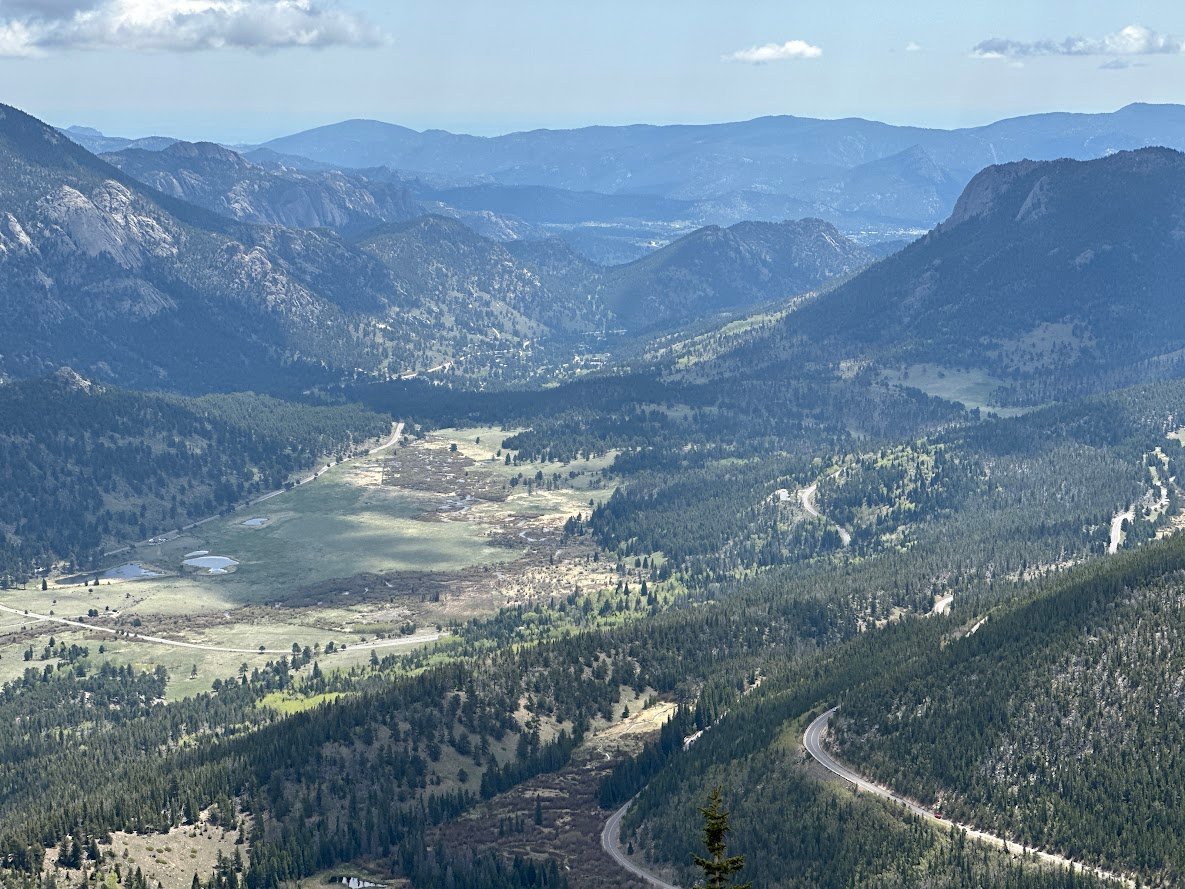
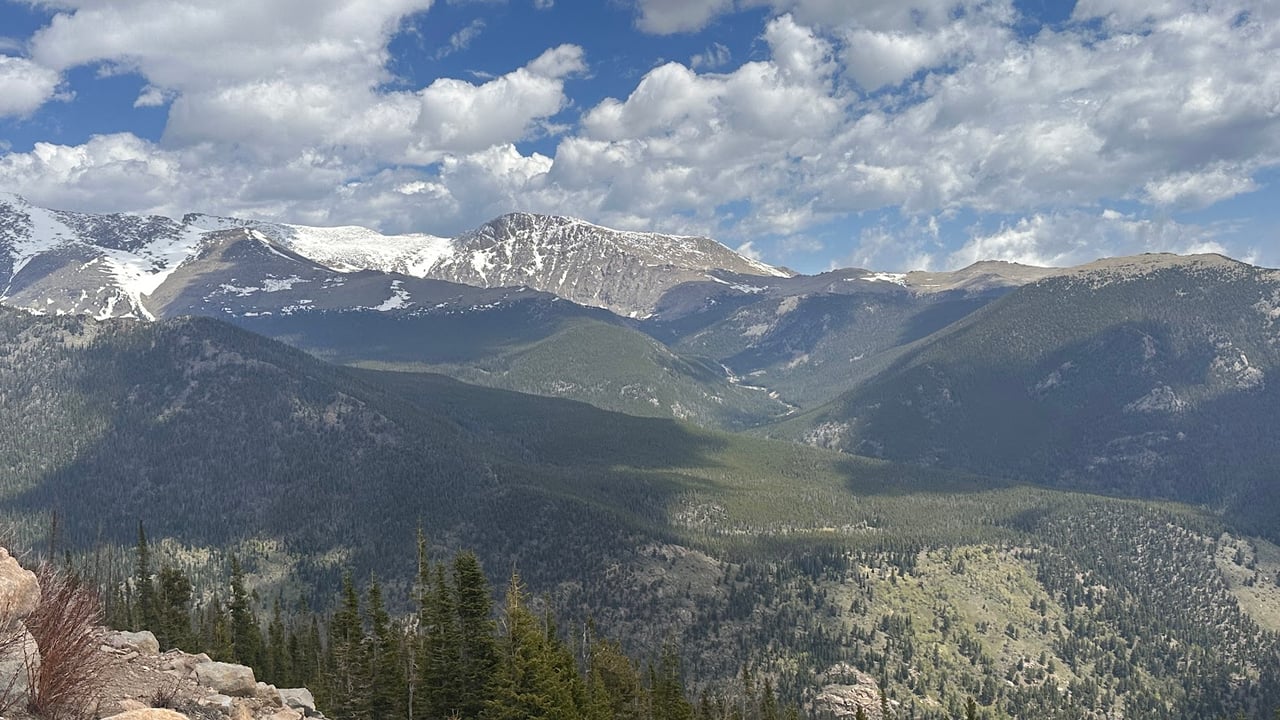
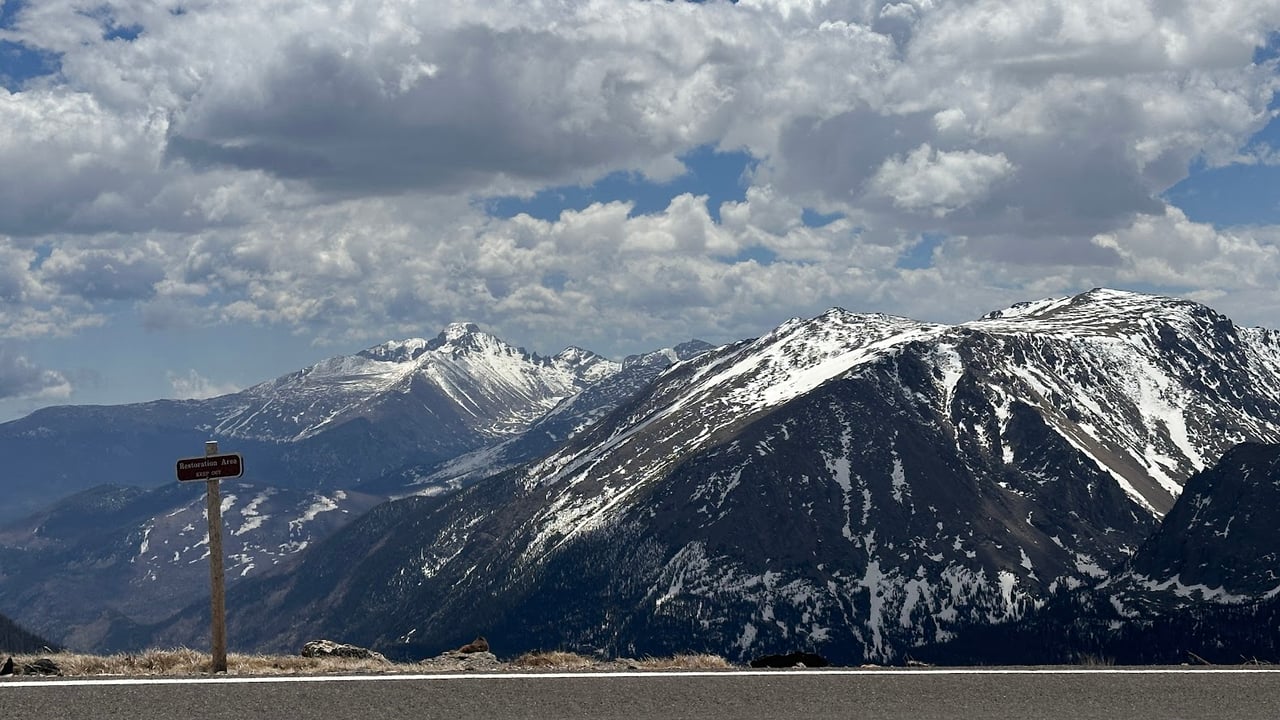
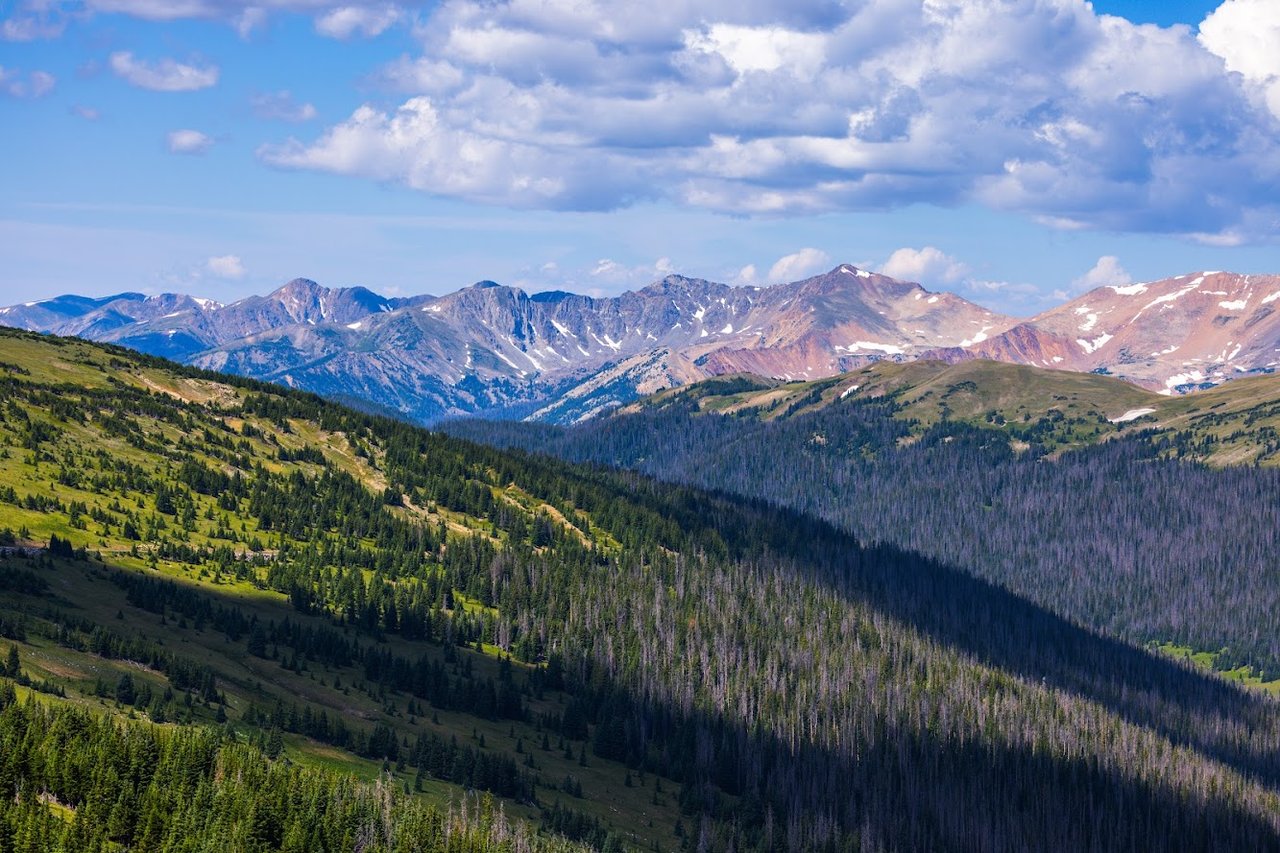
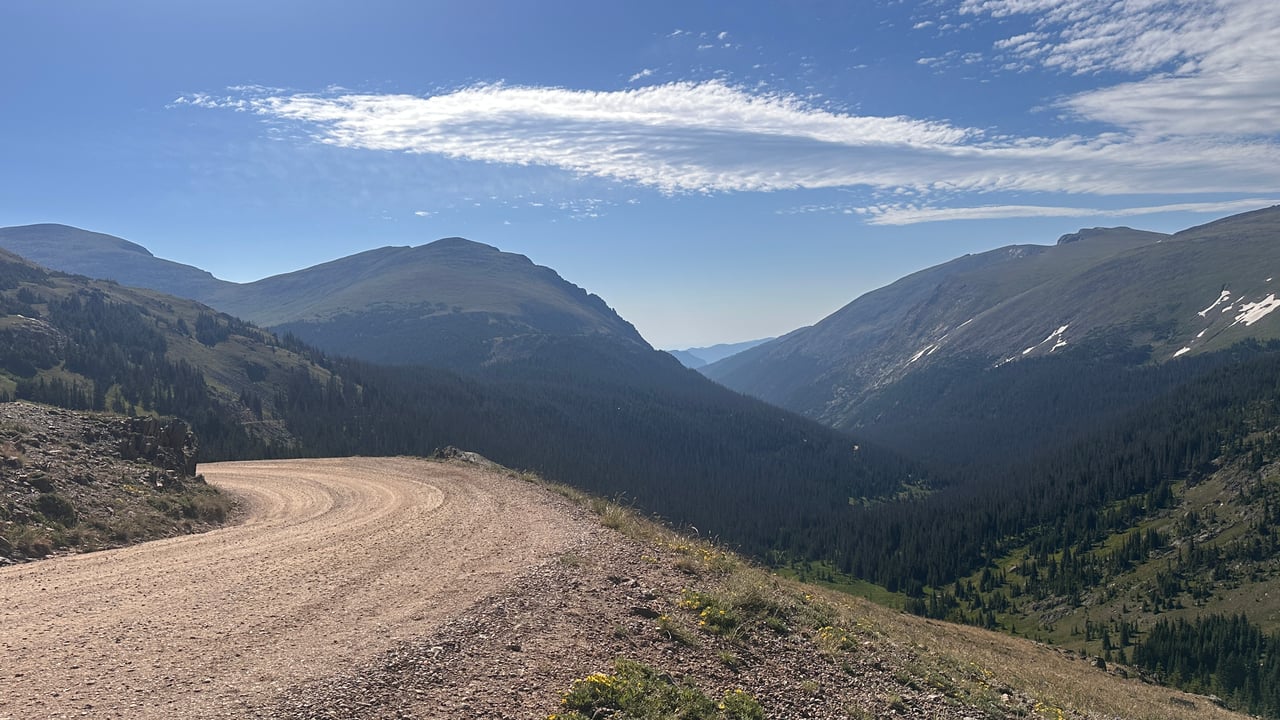
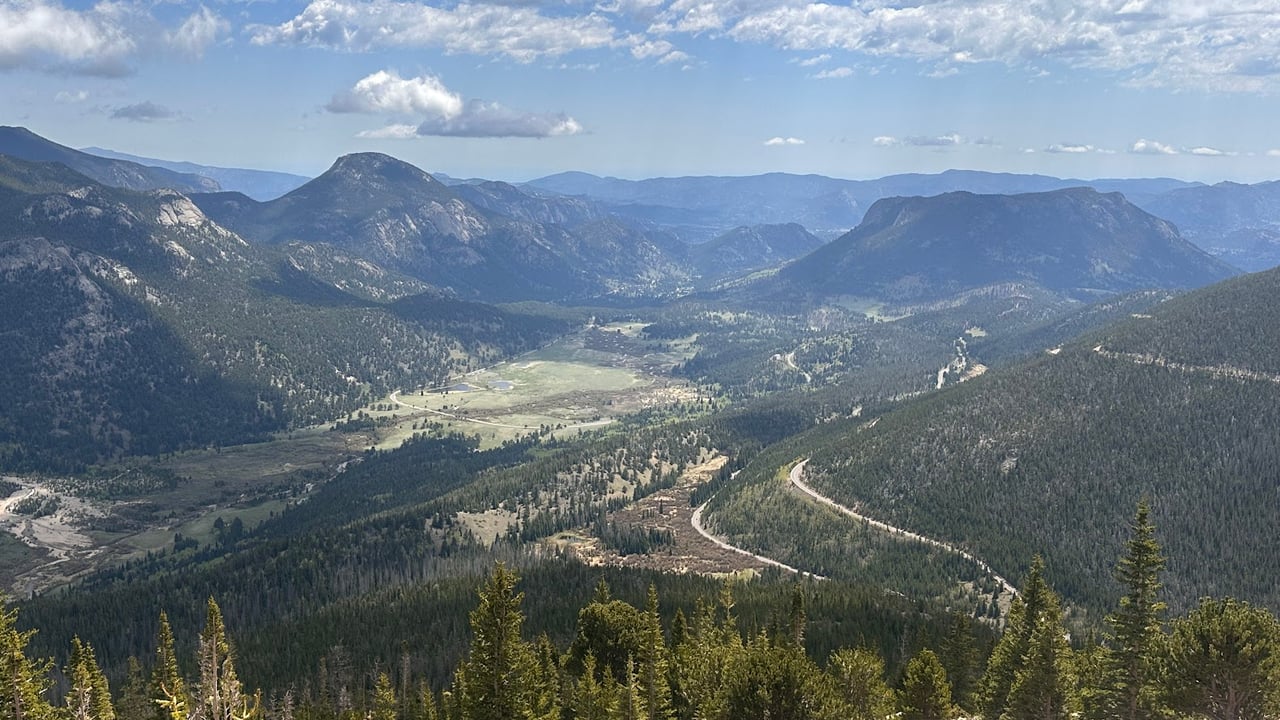
Below you, valleys unfold in layers of green, then blue, then fading into hazy distance. Peaks rise like frozen waves, stretching farther than your eyes can track.
This is where most people take photos.
But if you pause long enough, something deeper settles in: a quiet awe that doesn’t quite translate to a camera.
Crossing the Invisible Line: Above Treeline
Then, suddenly, you’re there.
No dramatic sign. No announcement.
Just… no trees.
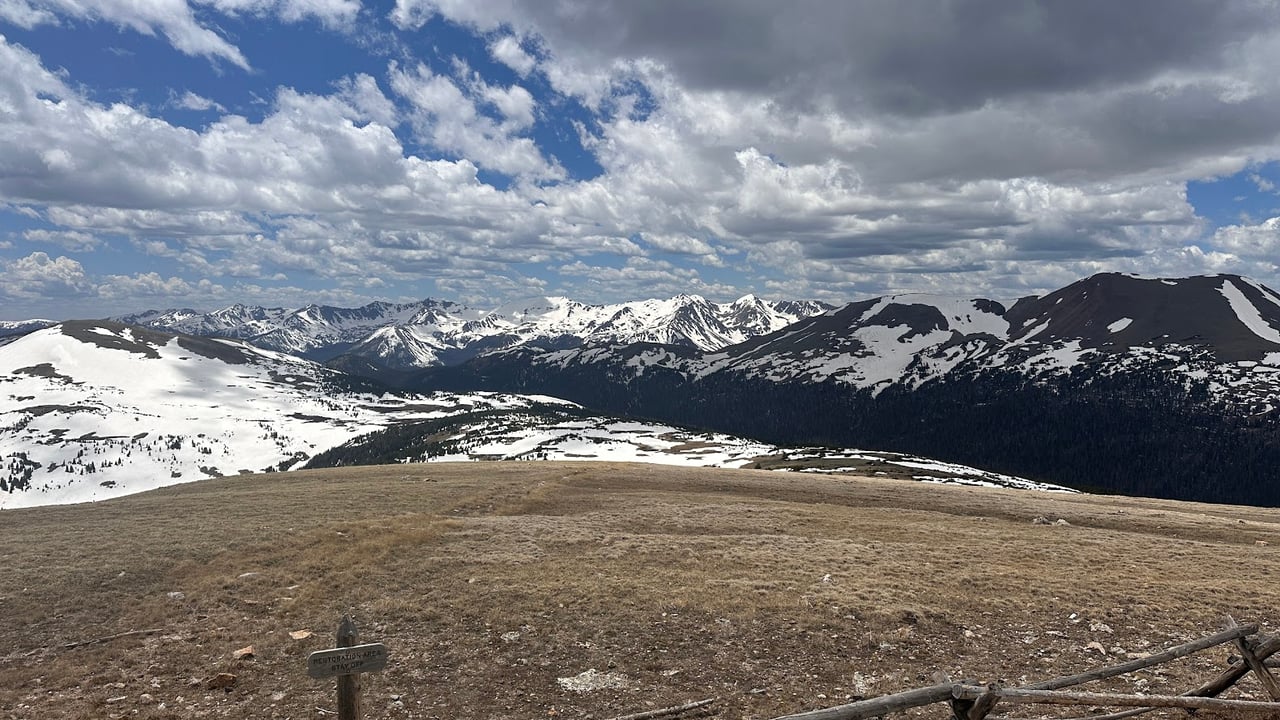
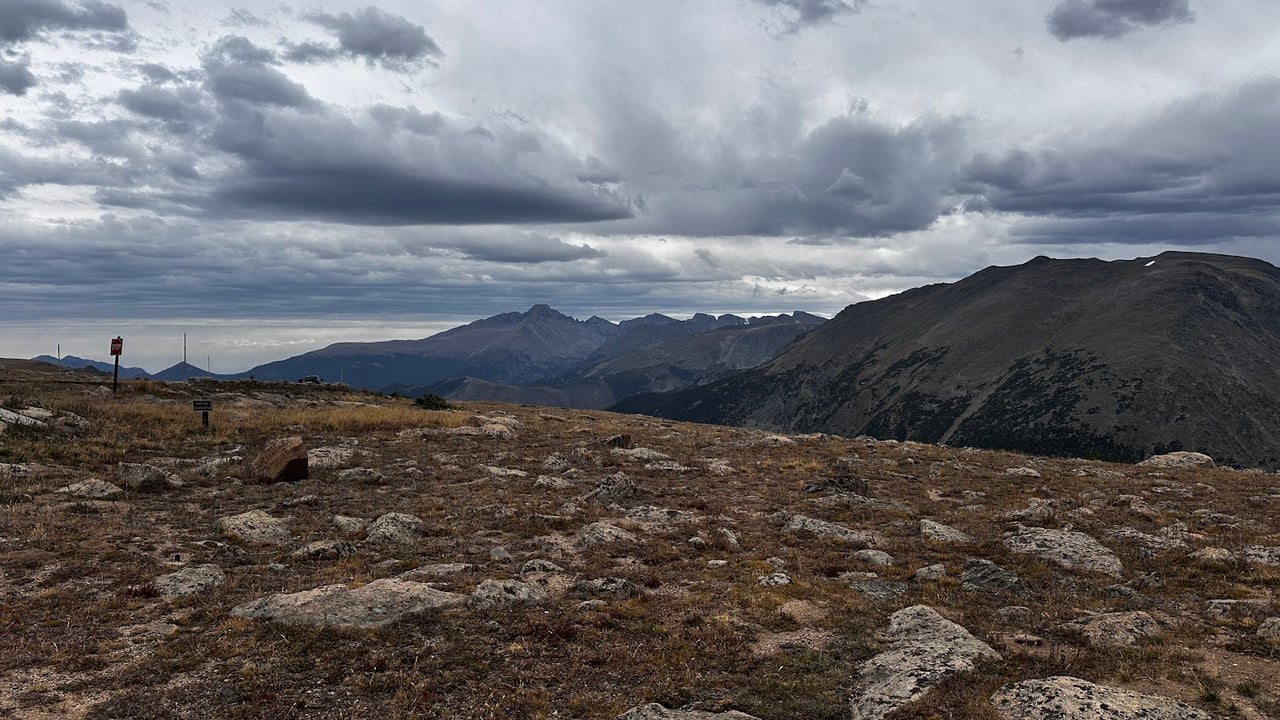
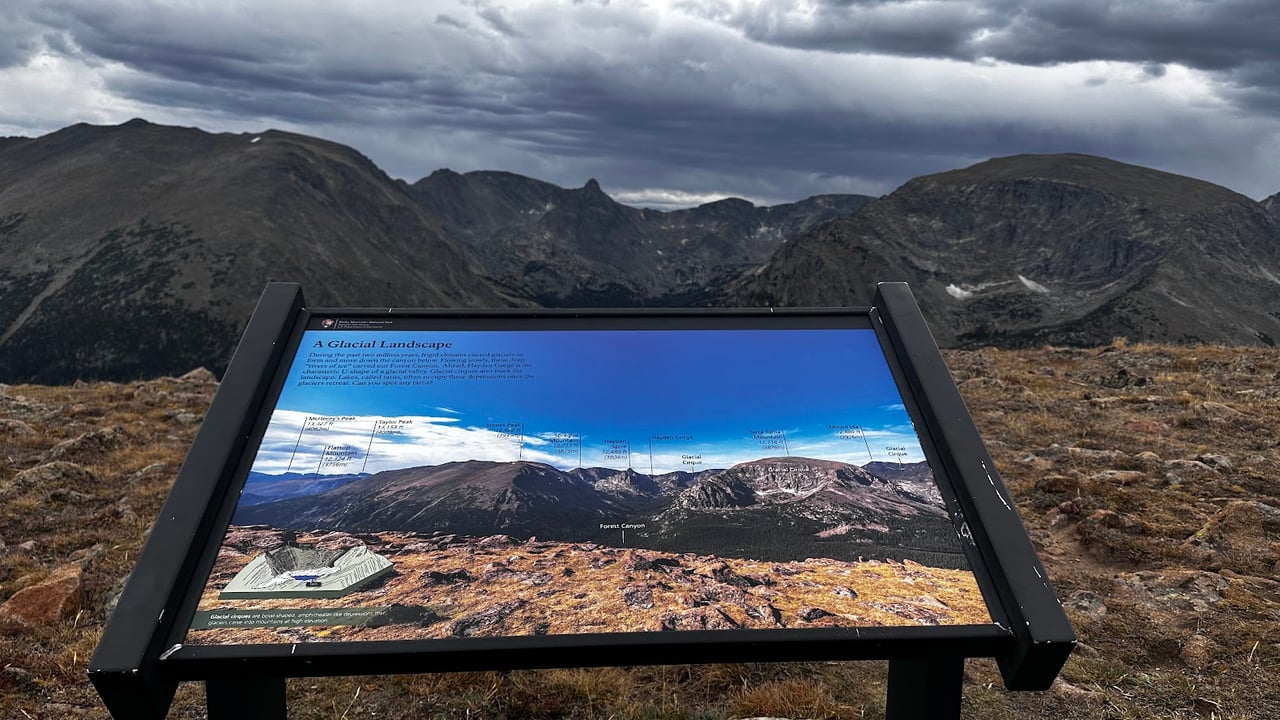
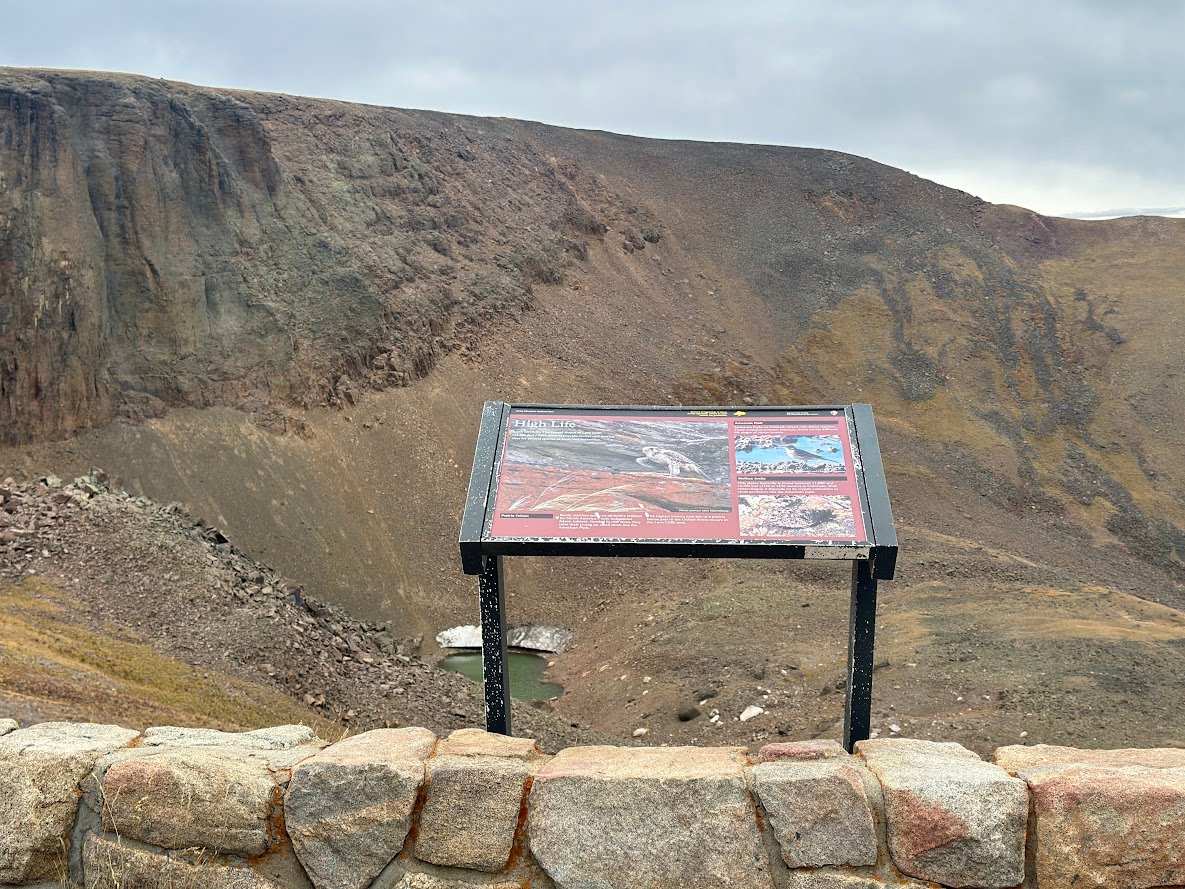
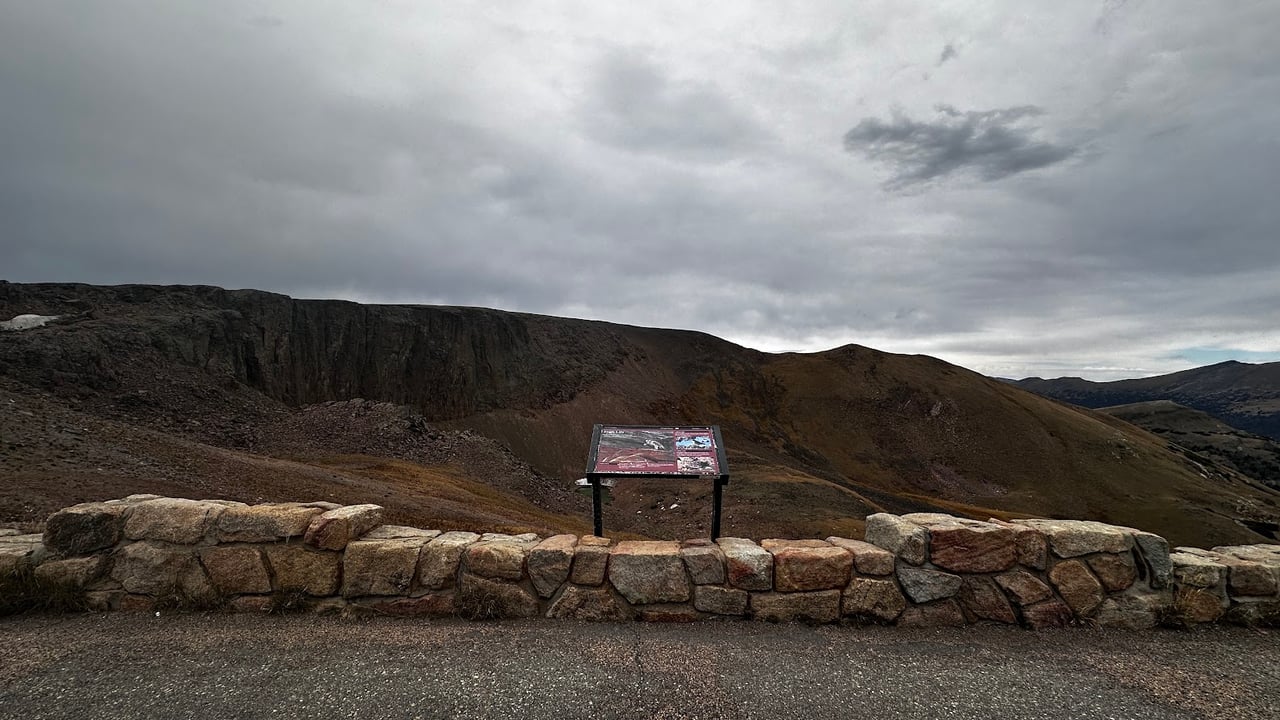
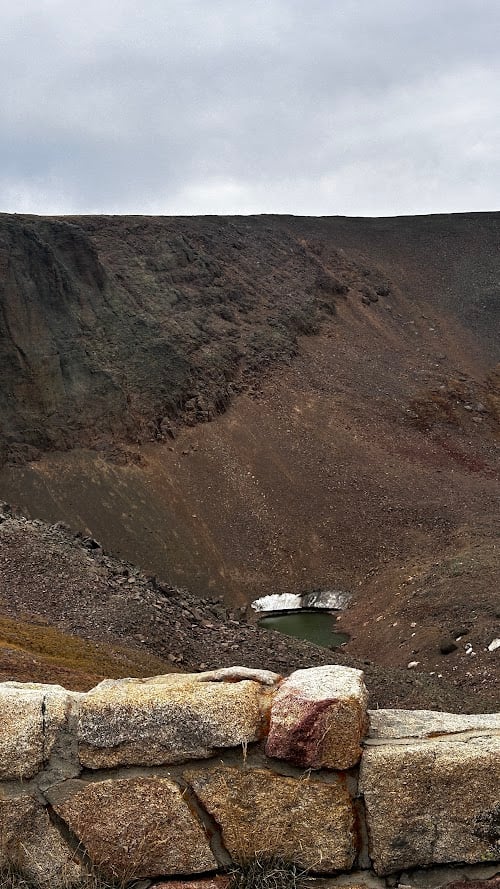
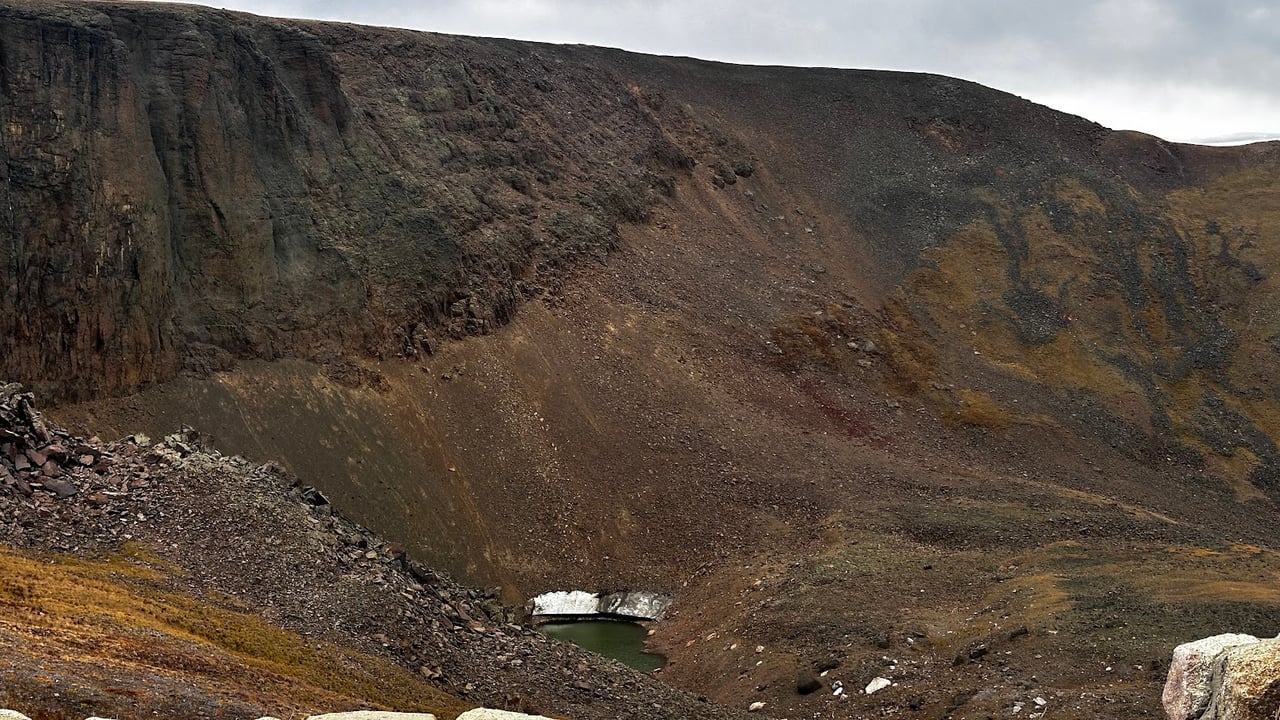
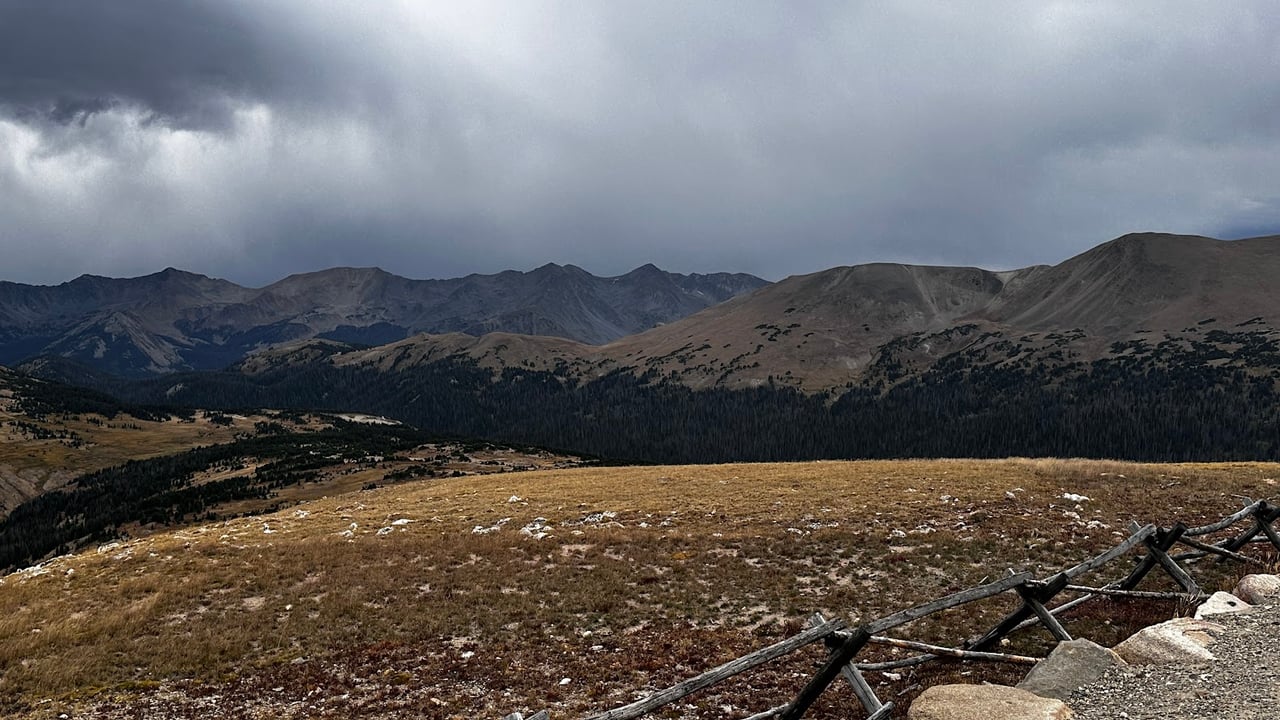
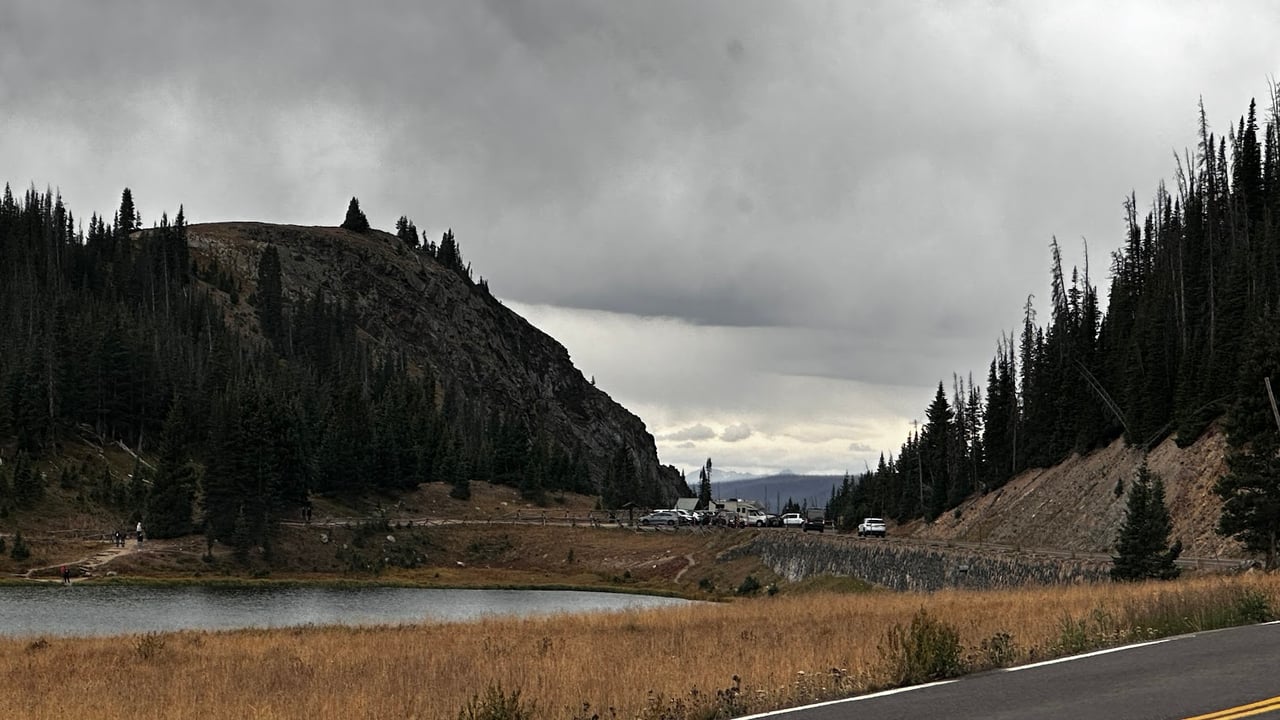
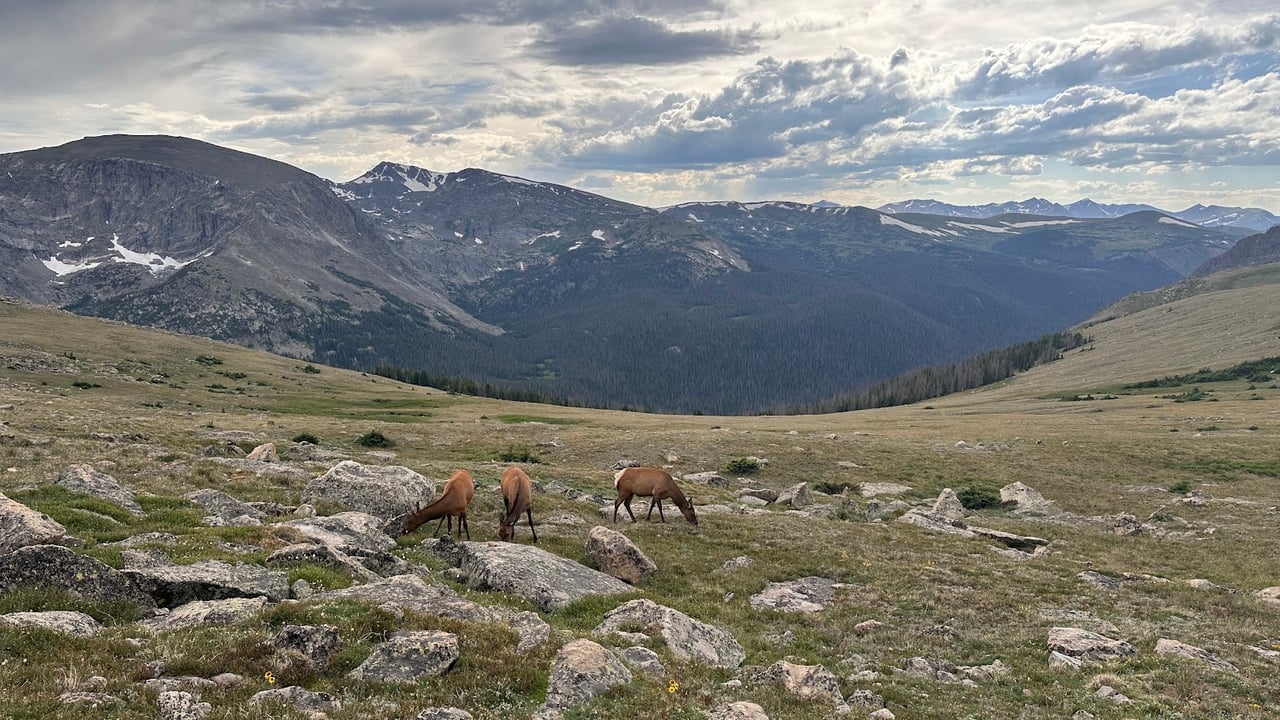
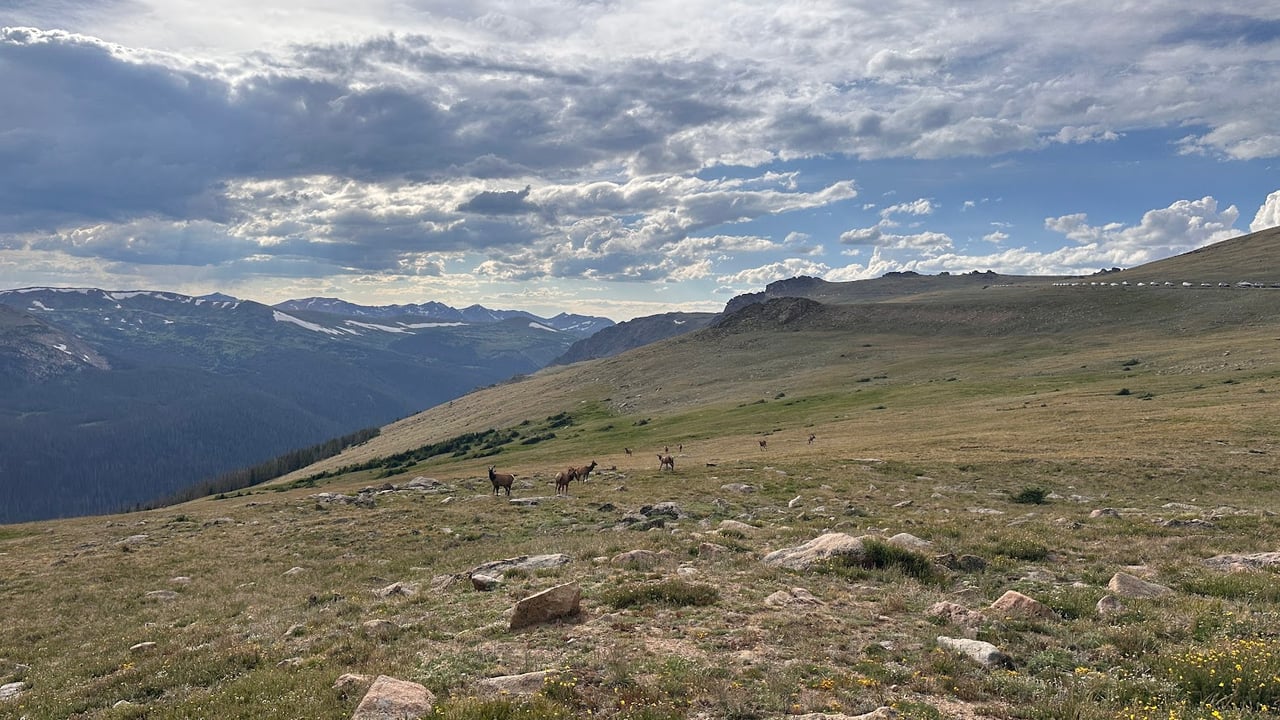
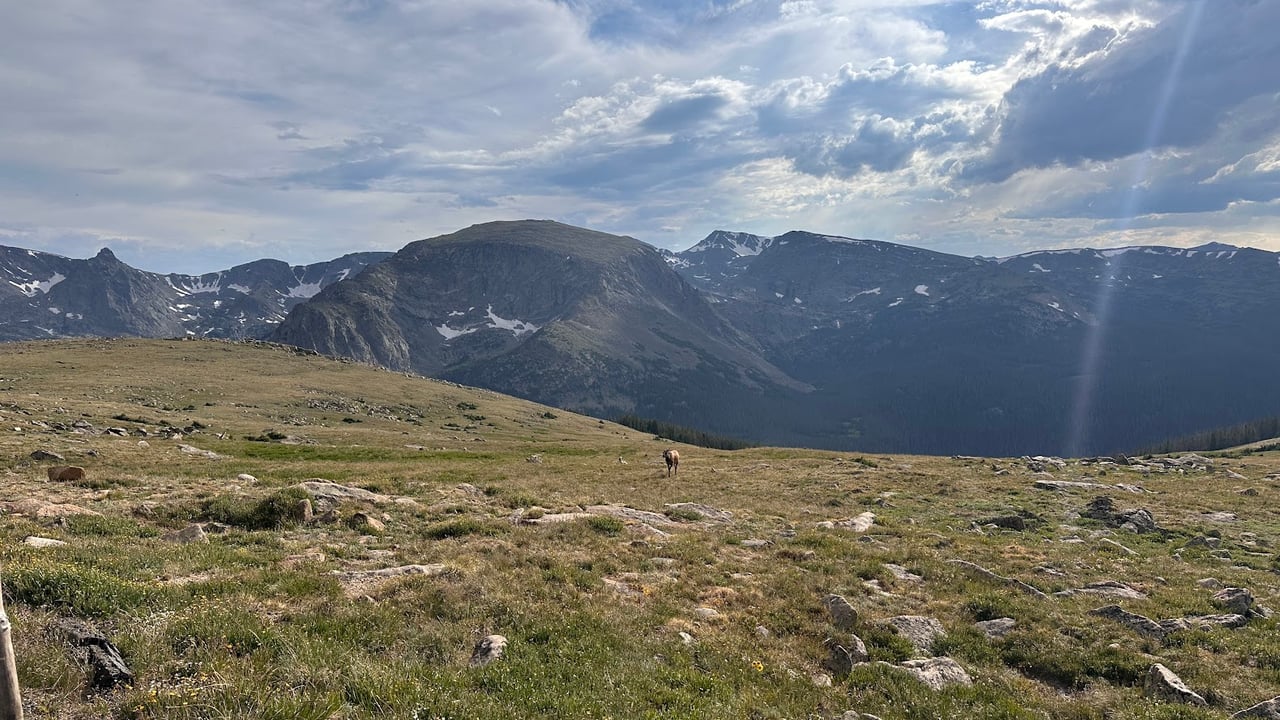
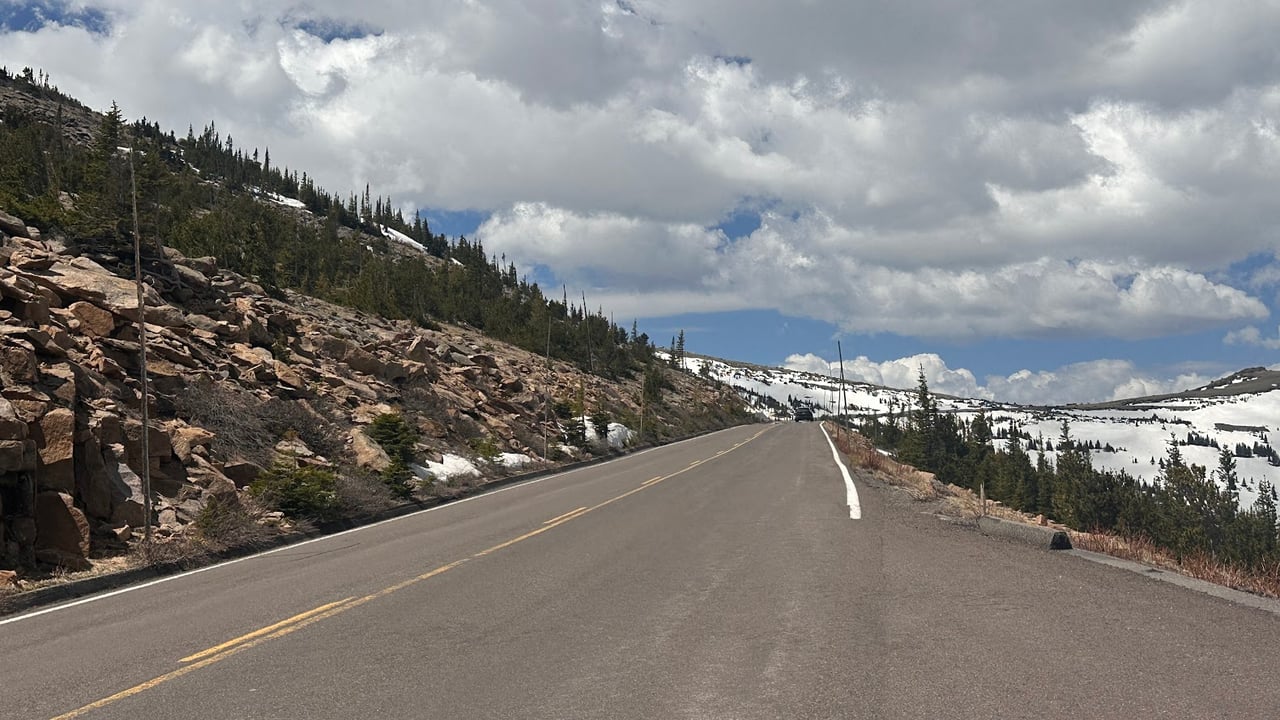
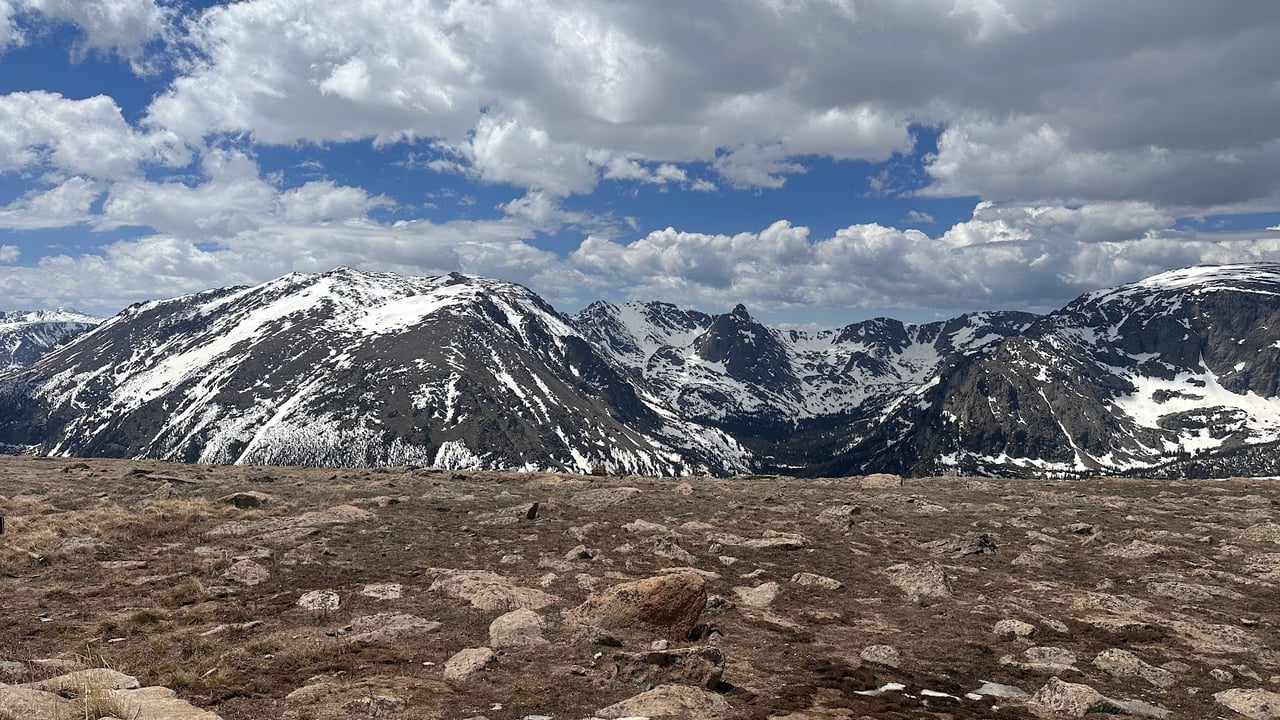
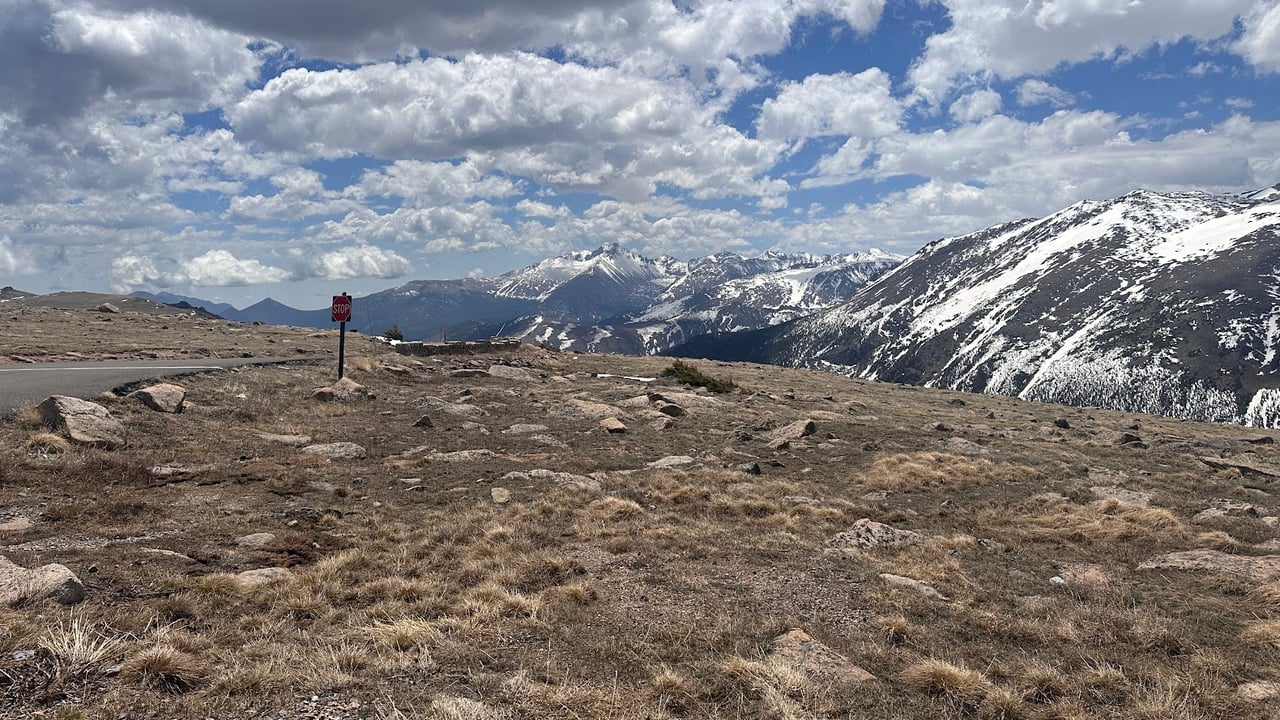
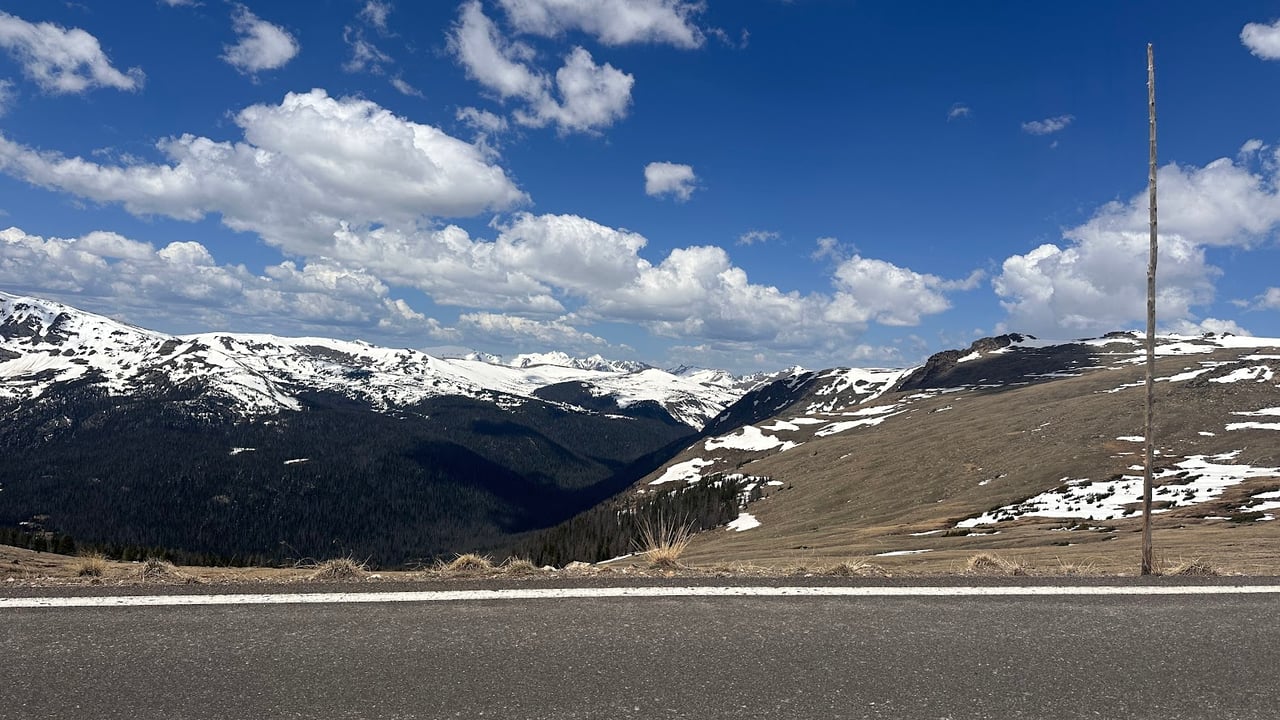
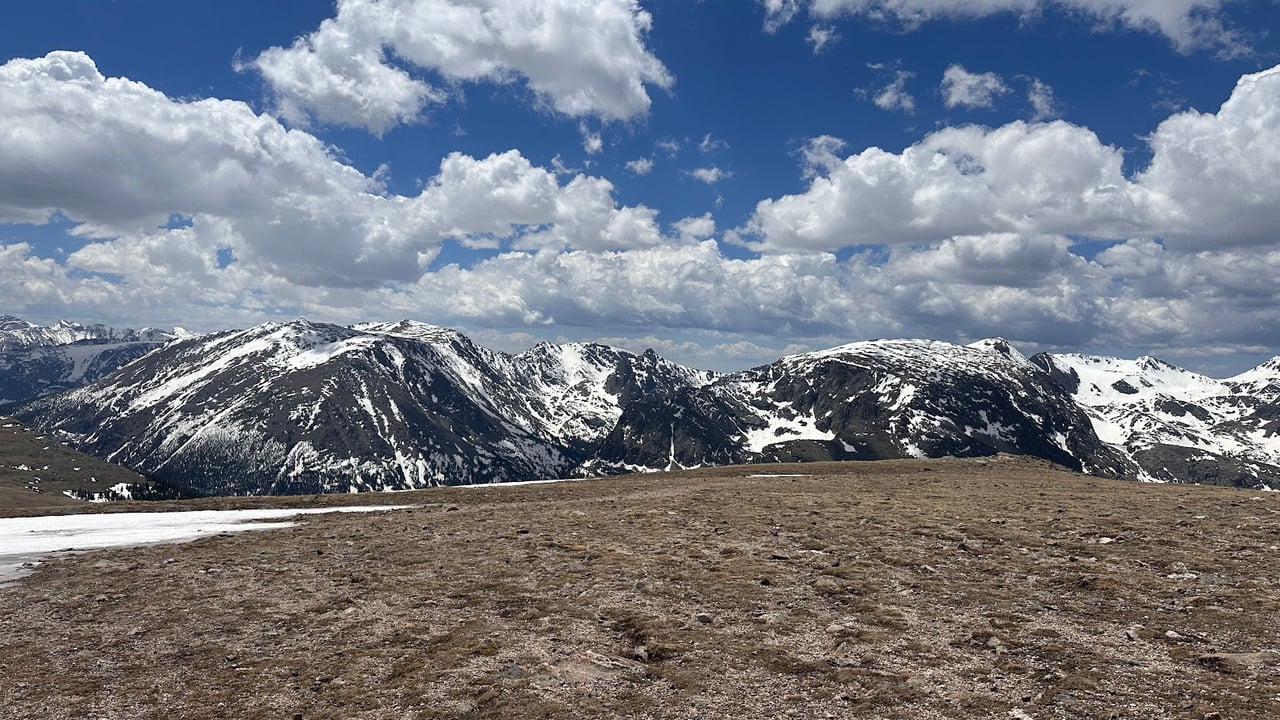
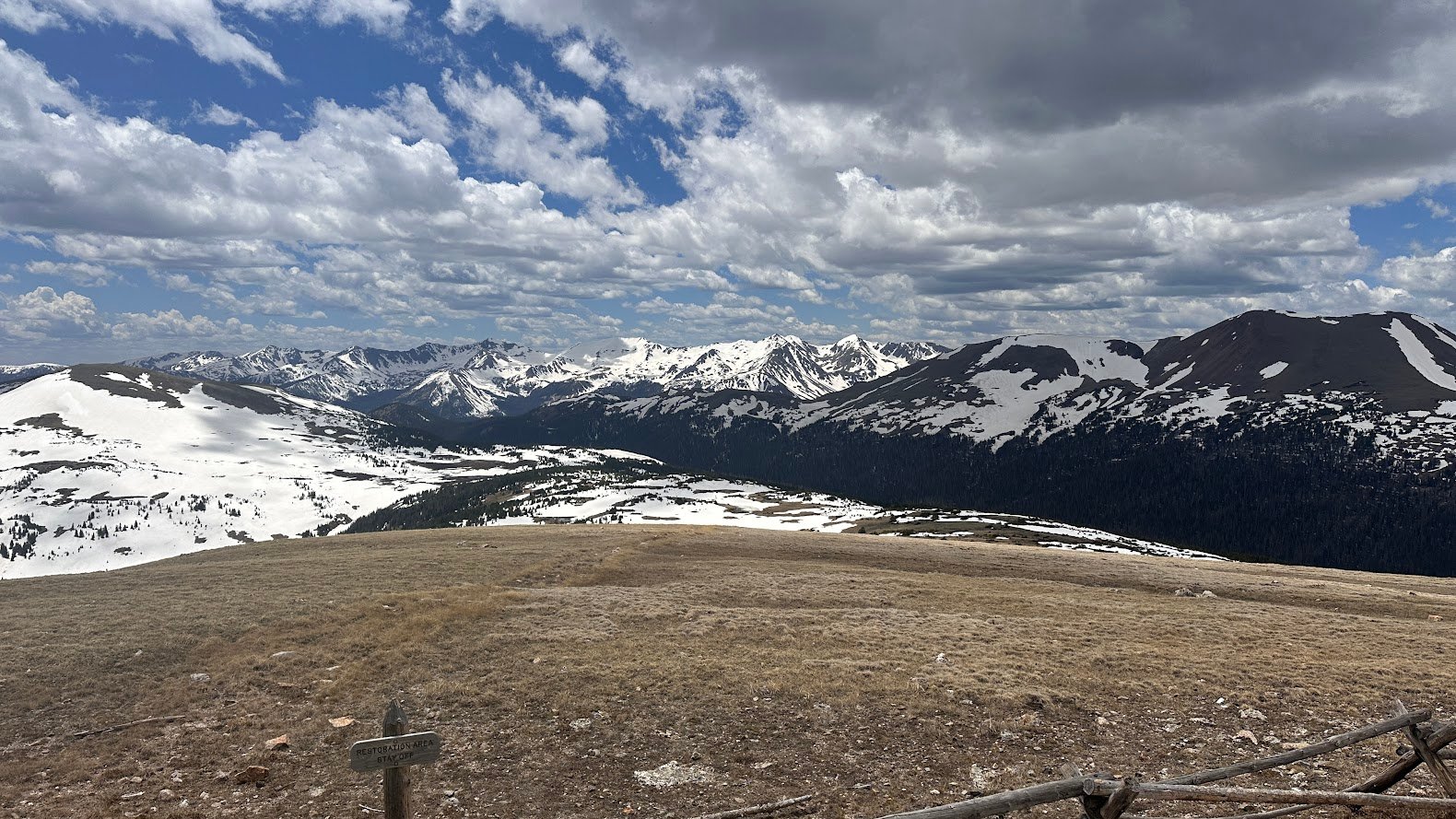
For about 11 miles, Trail Ridge Road carries you across alpine tundra, a landscape so fragile and rare it exists in only a few places on Earth.
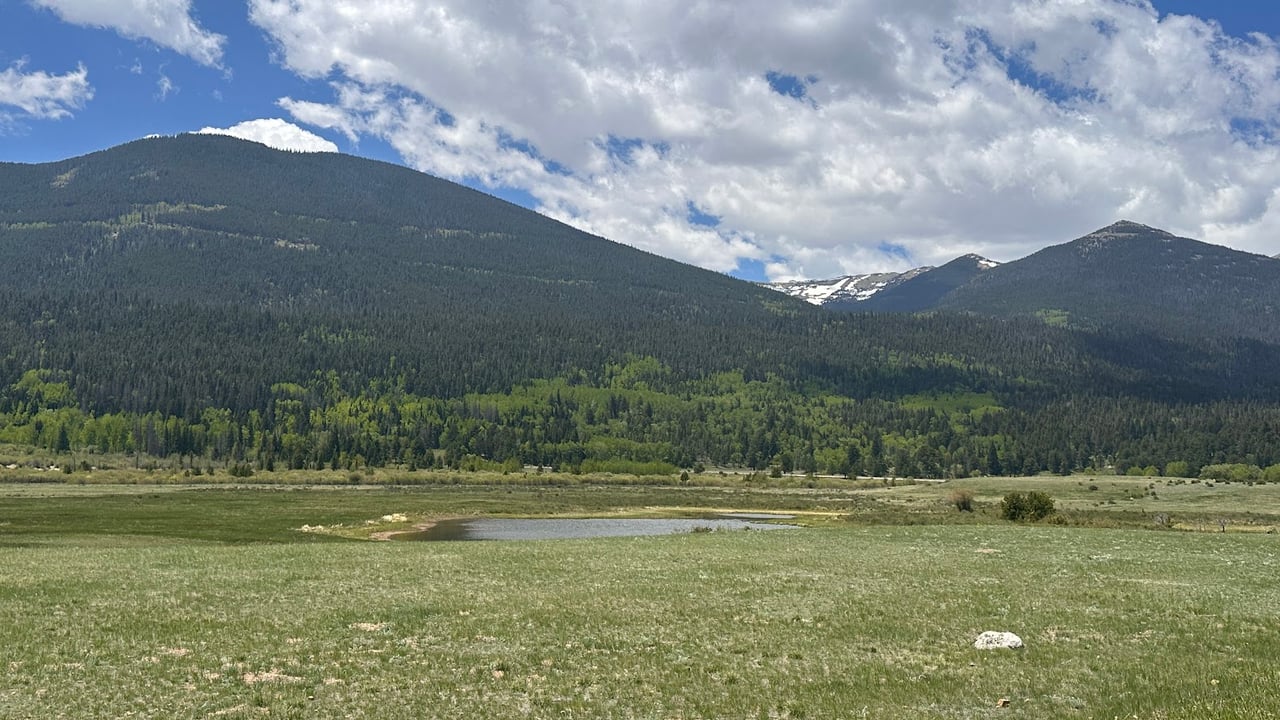
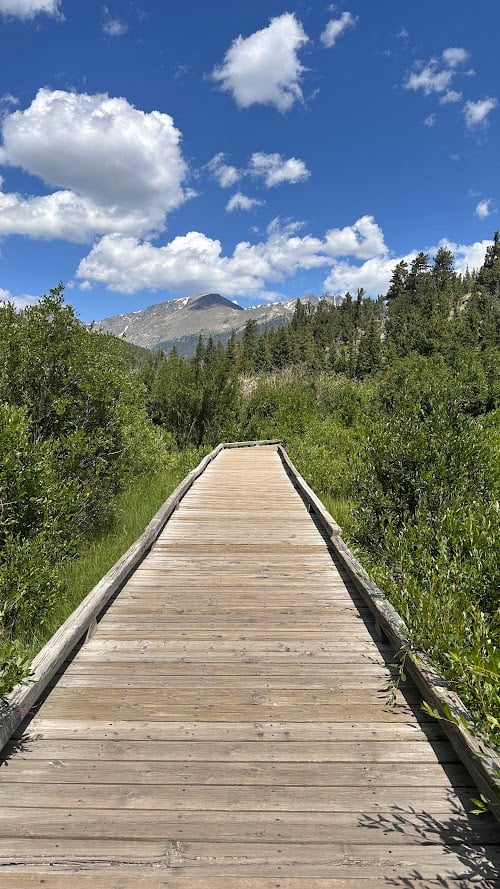
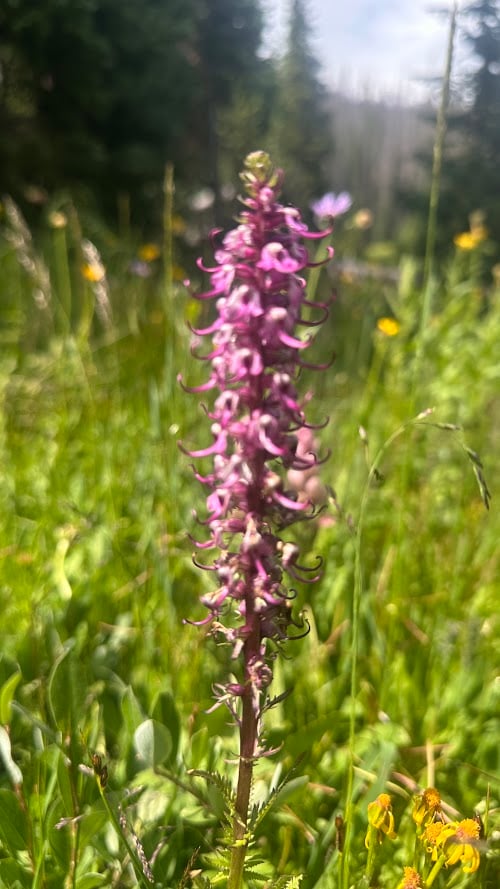
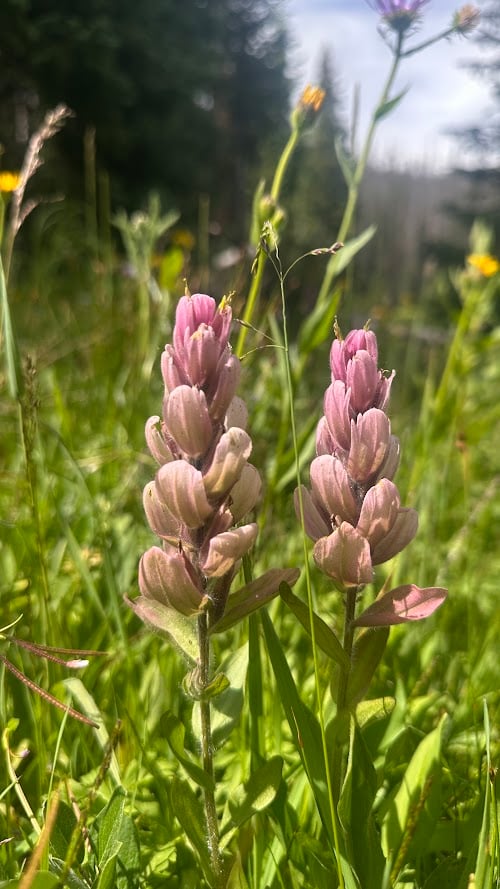
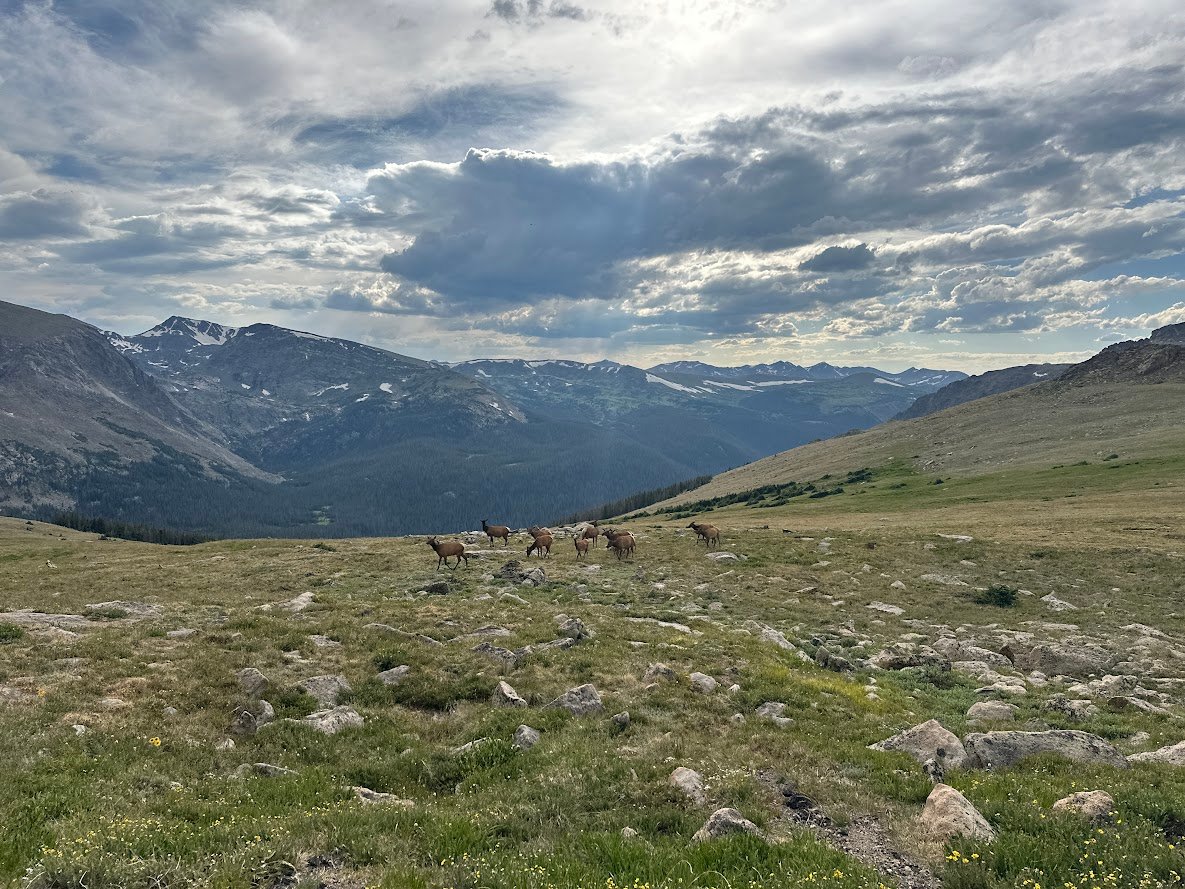
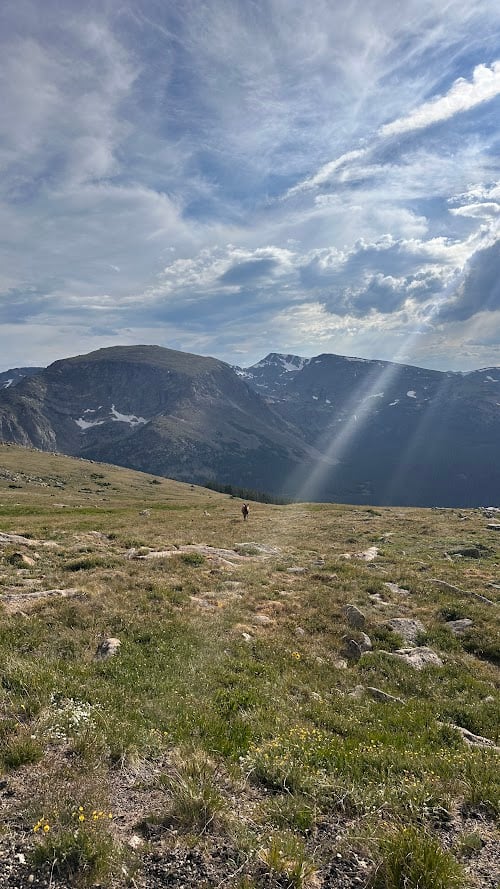
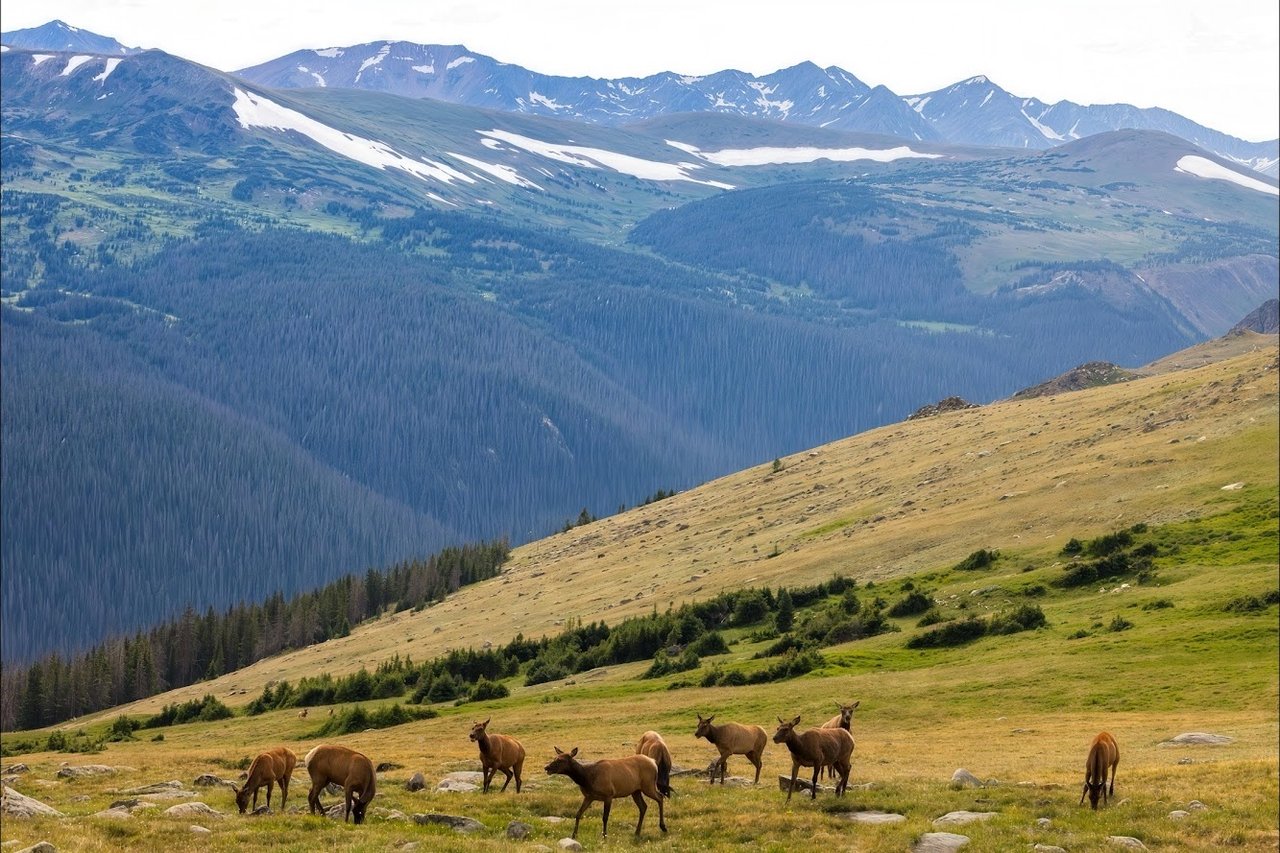
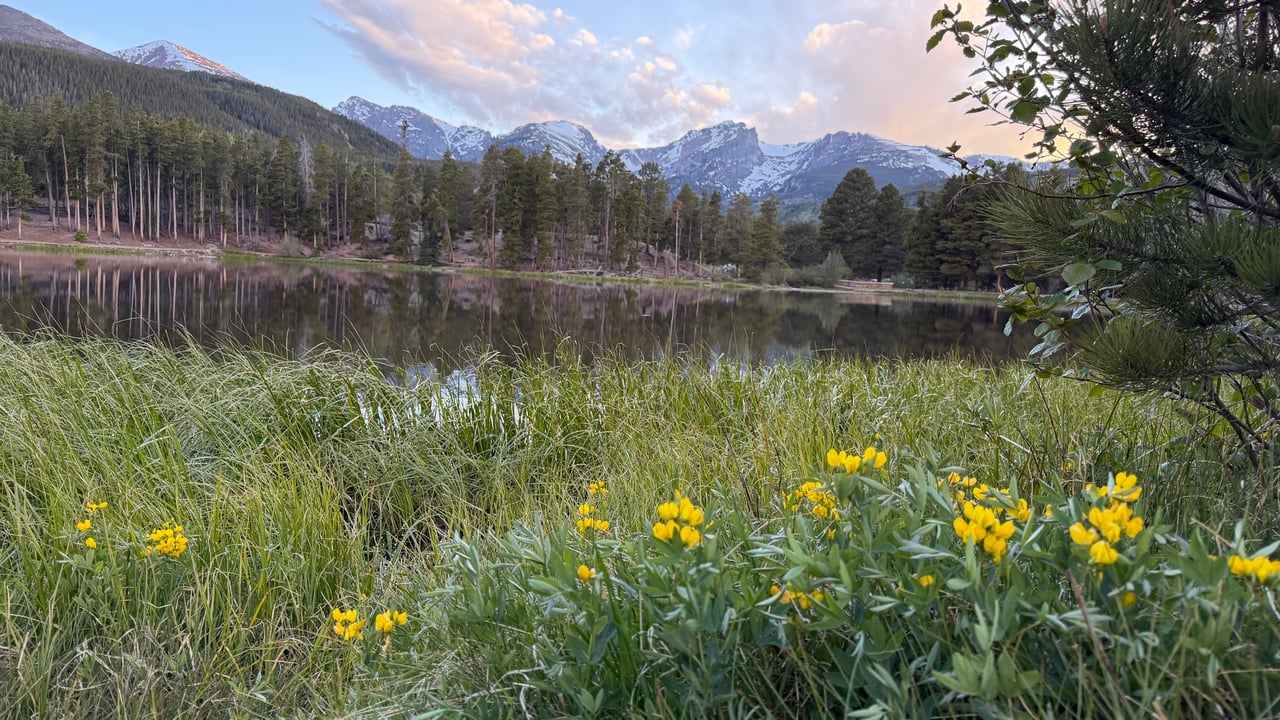
The ground flattens into rolling, grassy expanses dotted with wildflowers in summer—tiny bursts of color against a vast, windswept canvas. The horizon feels wider here, almost stretched.
And the silence?
It’s different.
Without trees to rustle or absorb sound, everything feels exposed. The wind whistles. Your footsteps crunch louder. Even your voice seems to travel farther than it should.
It’s not empty, it’s just… still.
The Feeling of Thin Air
At this altitude, your body notices what your mind is still trying to process.
Breathing takes effort, not difficult, just more intentional. You inhale deeper, slower. Conversations pause between sentences. Movements become more deliberate.
There’s something grounding about it.
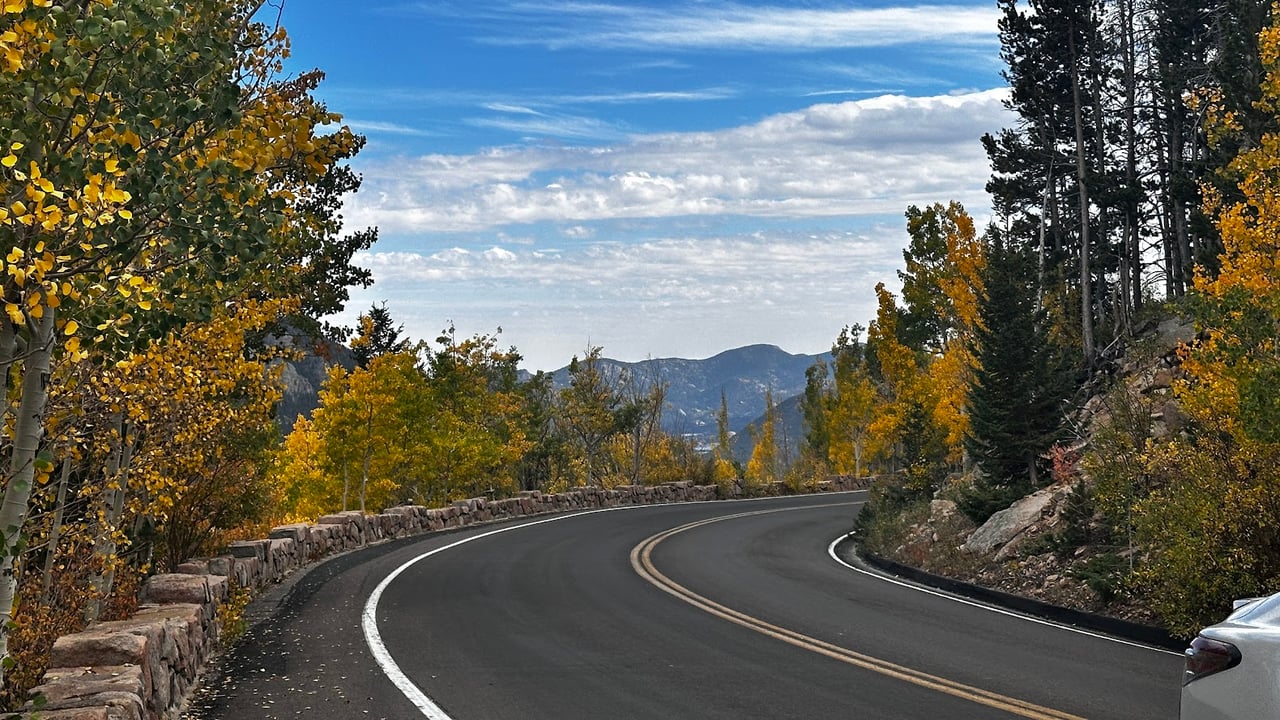
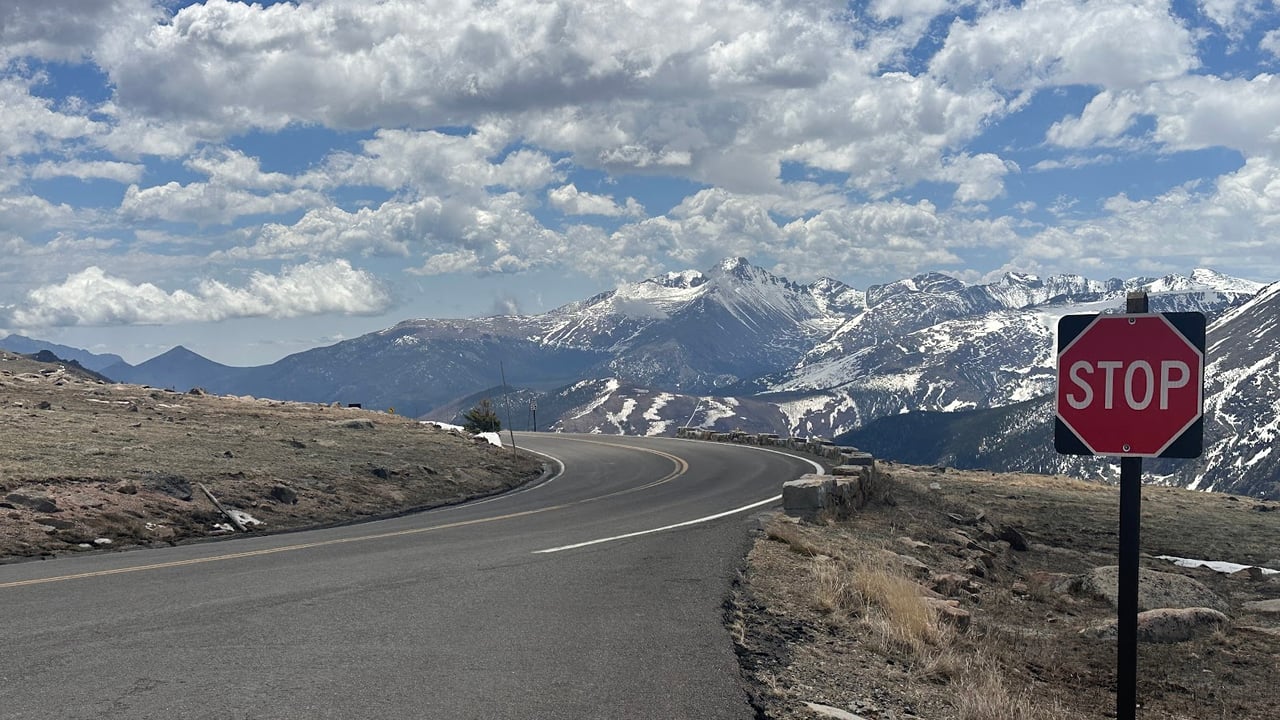
The thin air strips away distractions. You’re not thinking about emails or errands, you’re thinking about your next breath, the way the clouds cast shadows across the mountains, the way the road curves impossibly along the ridgeline.
You’re present.
And that might be the most unexpected part of this drive.
Wildlife Encounters: Life at the Edge
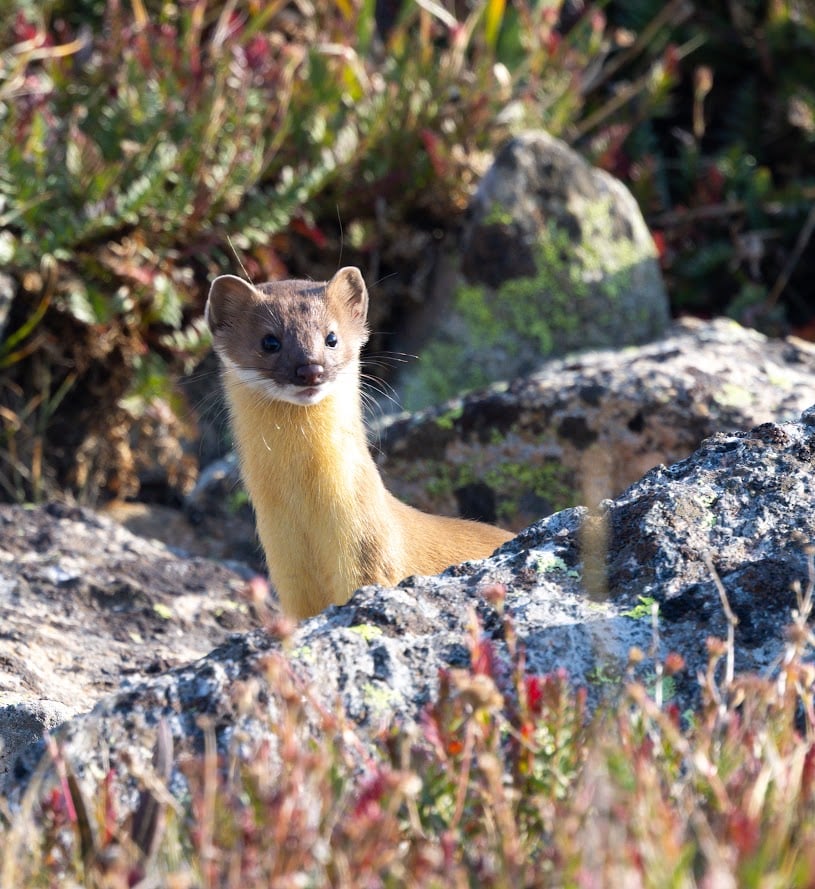
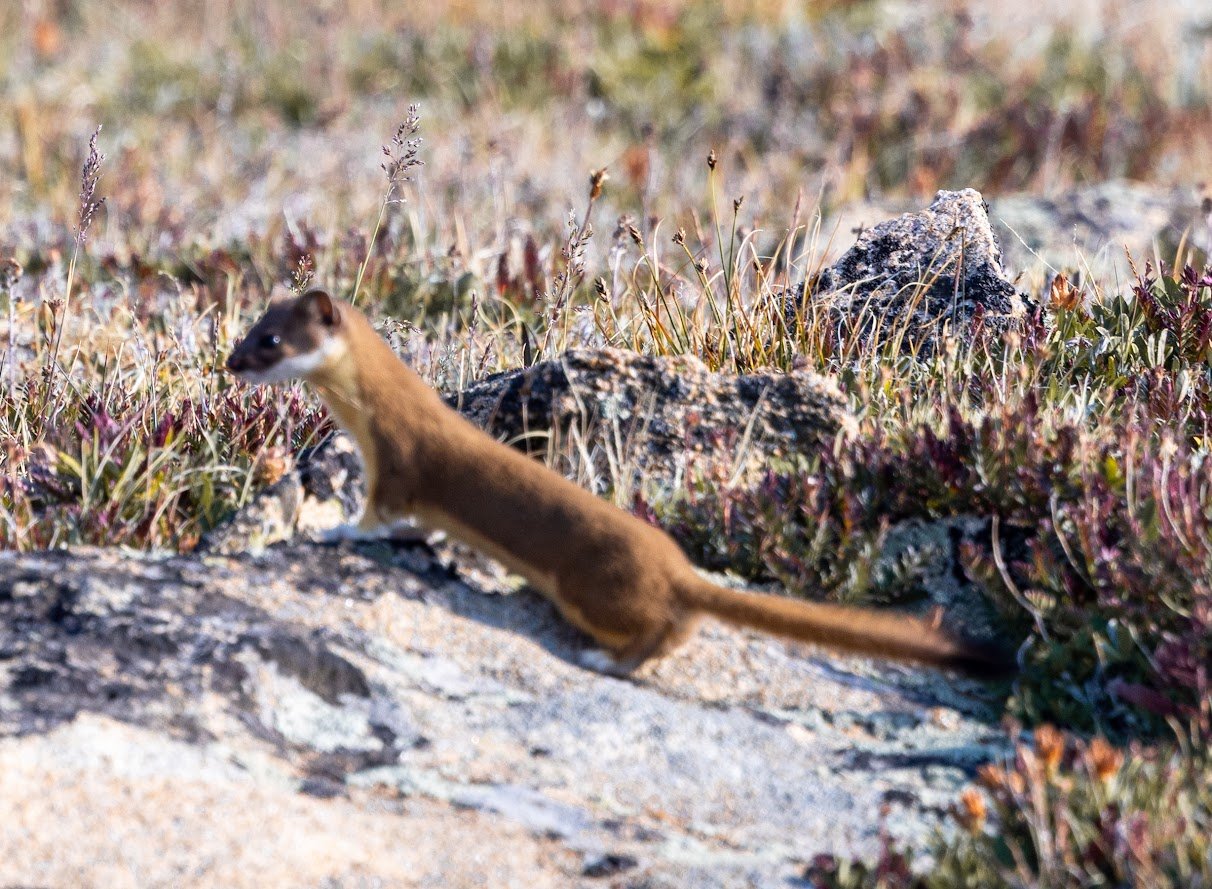
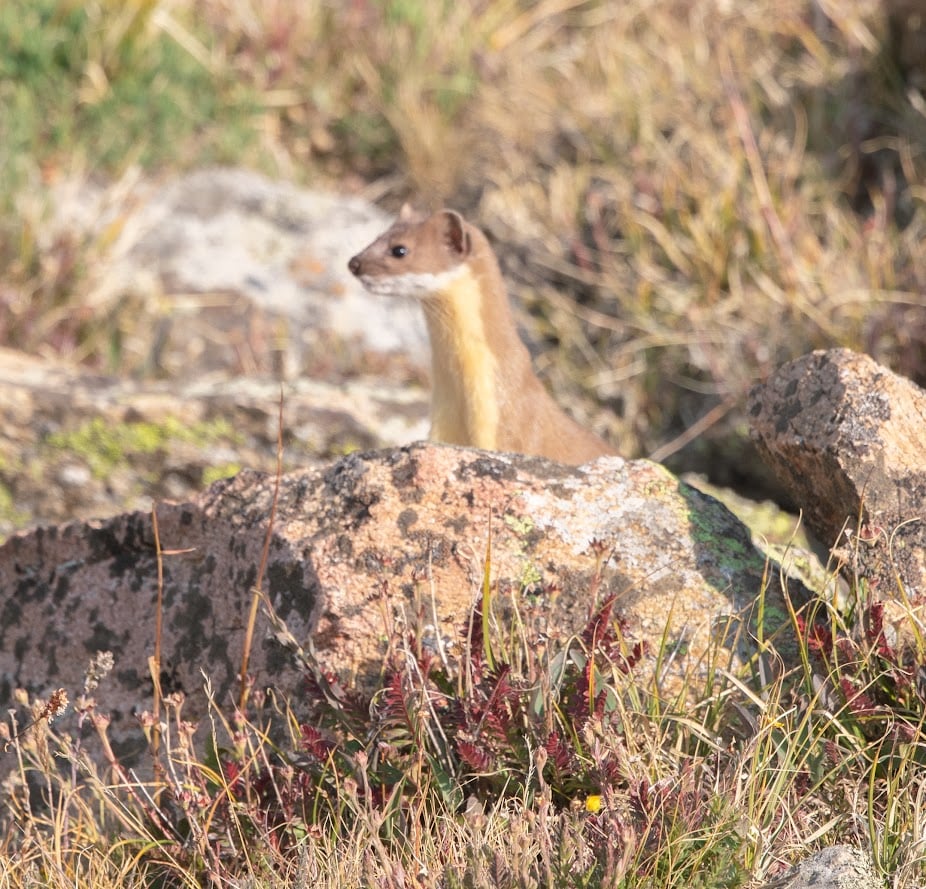
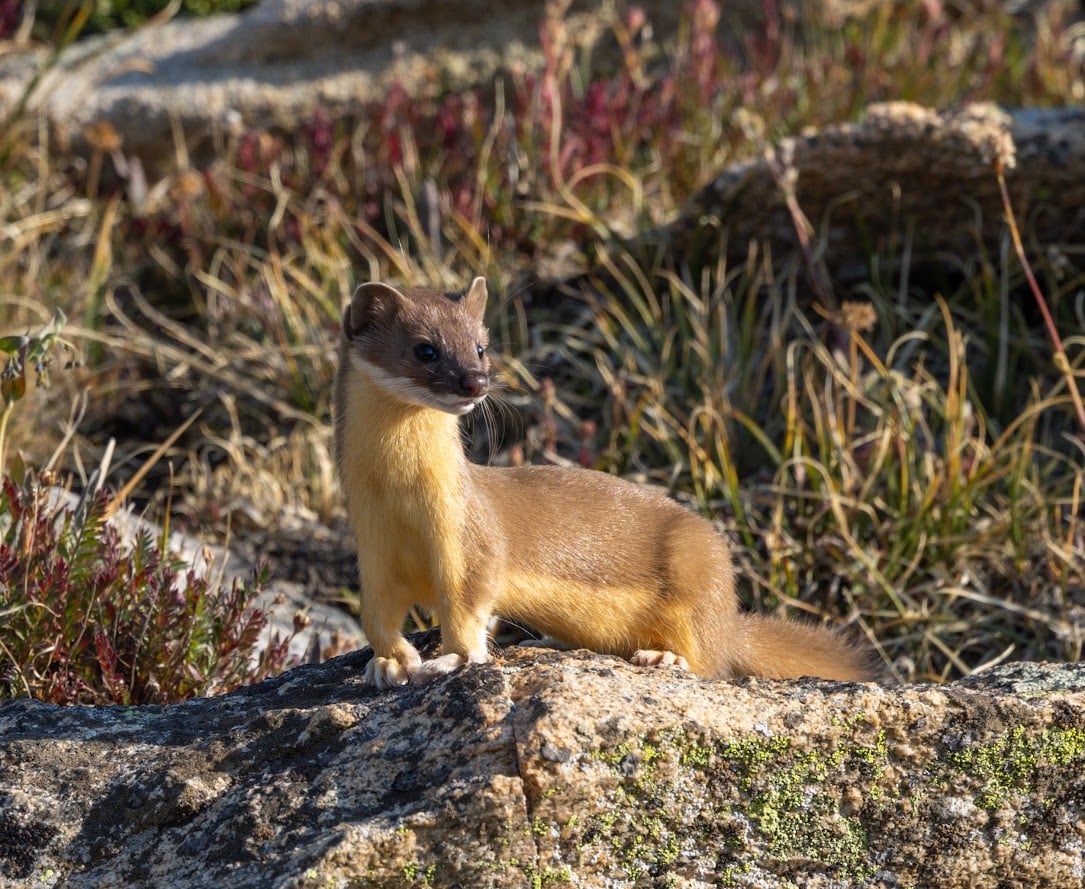
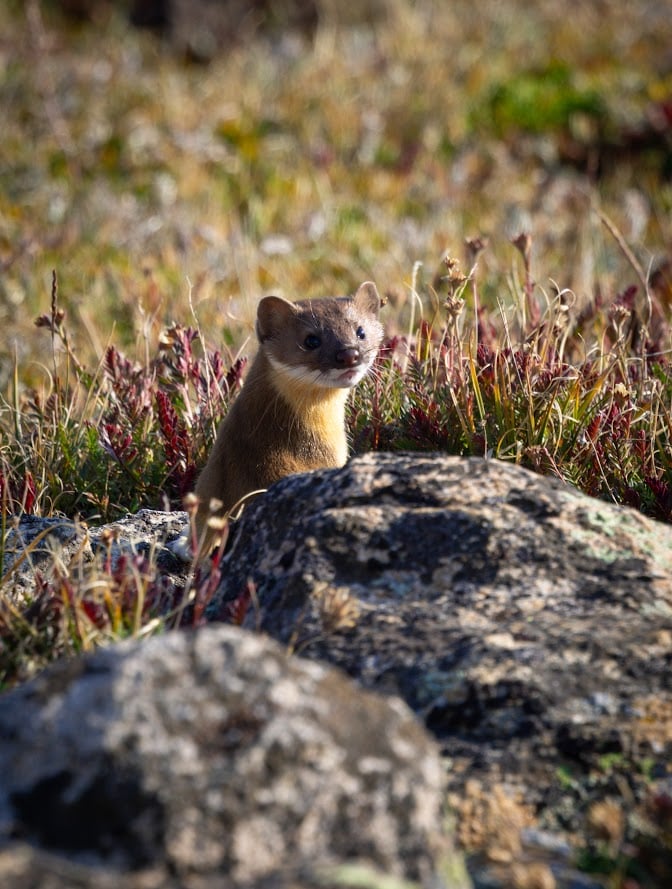
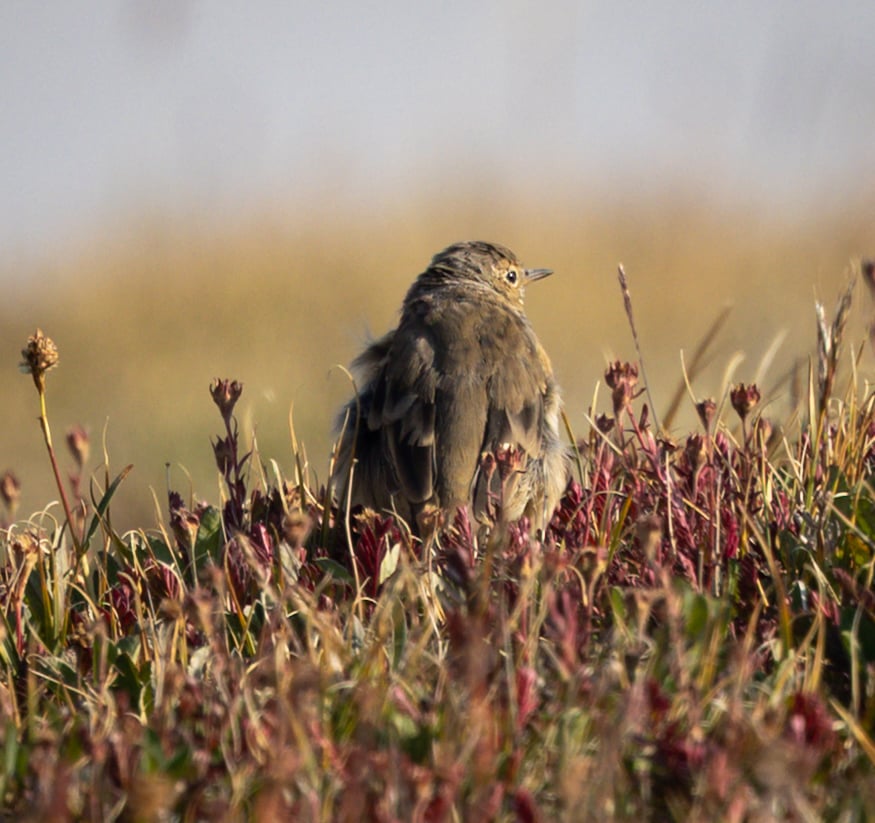
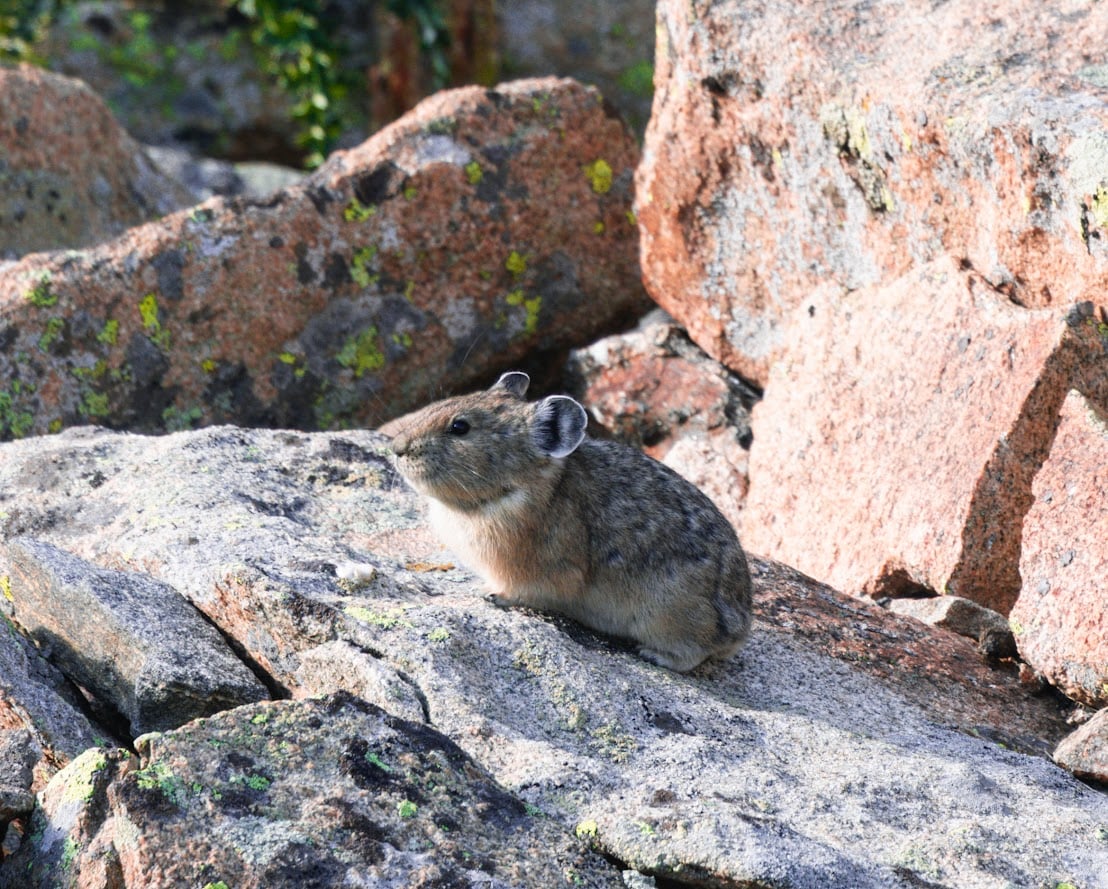
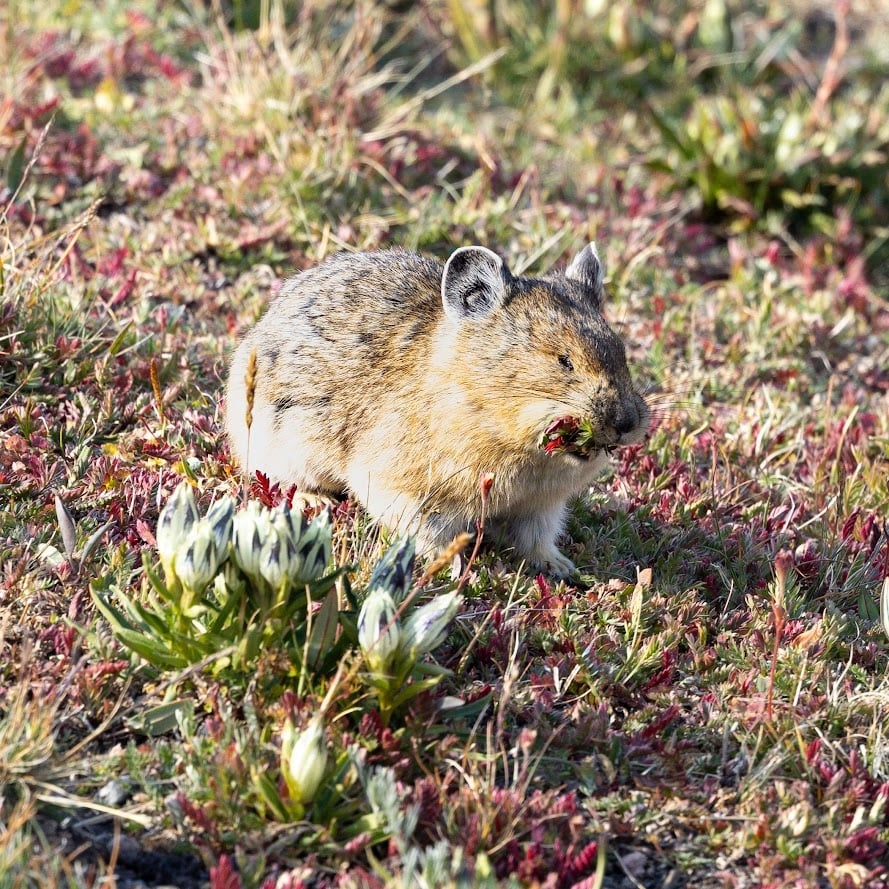
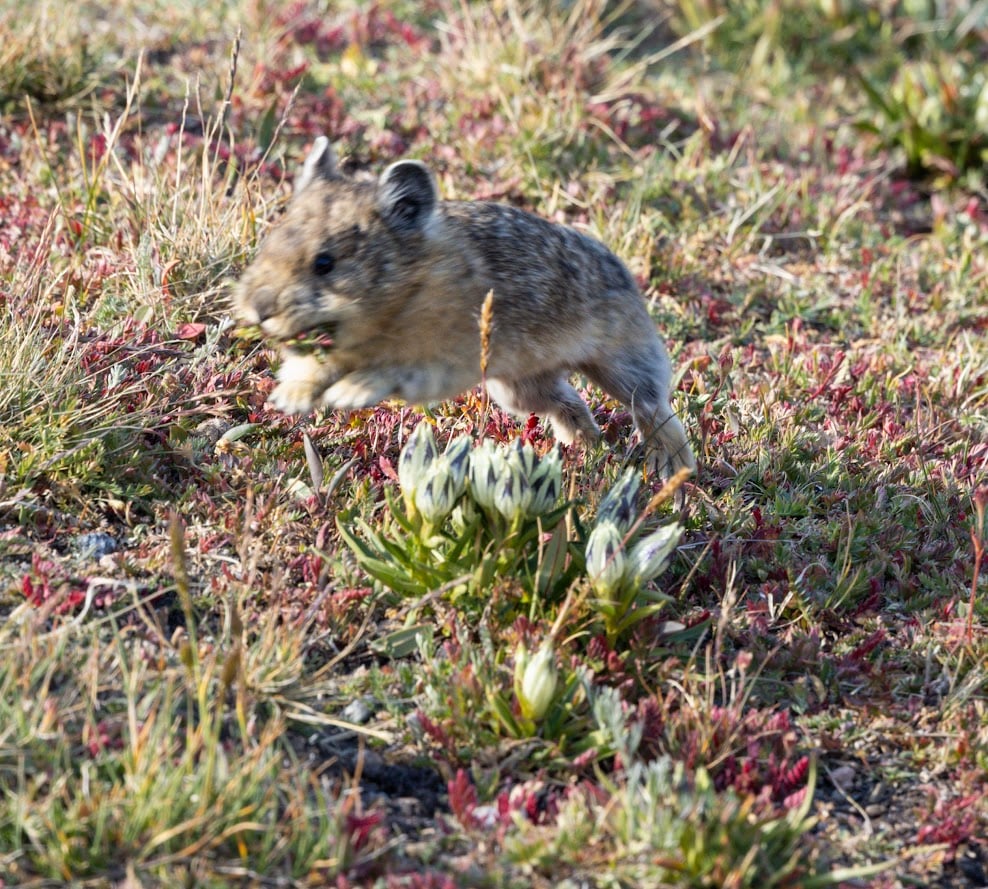
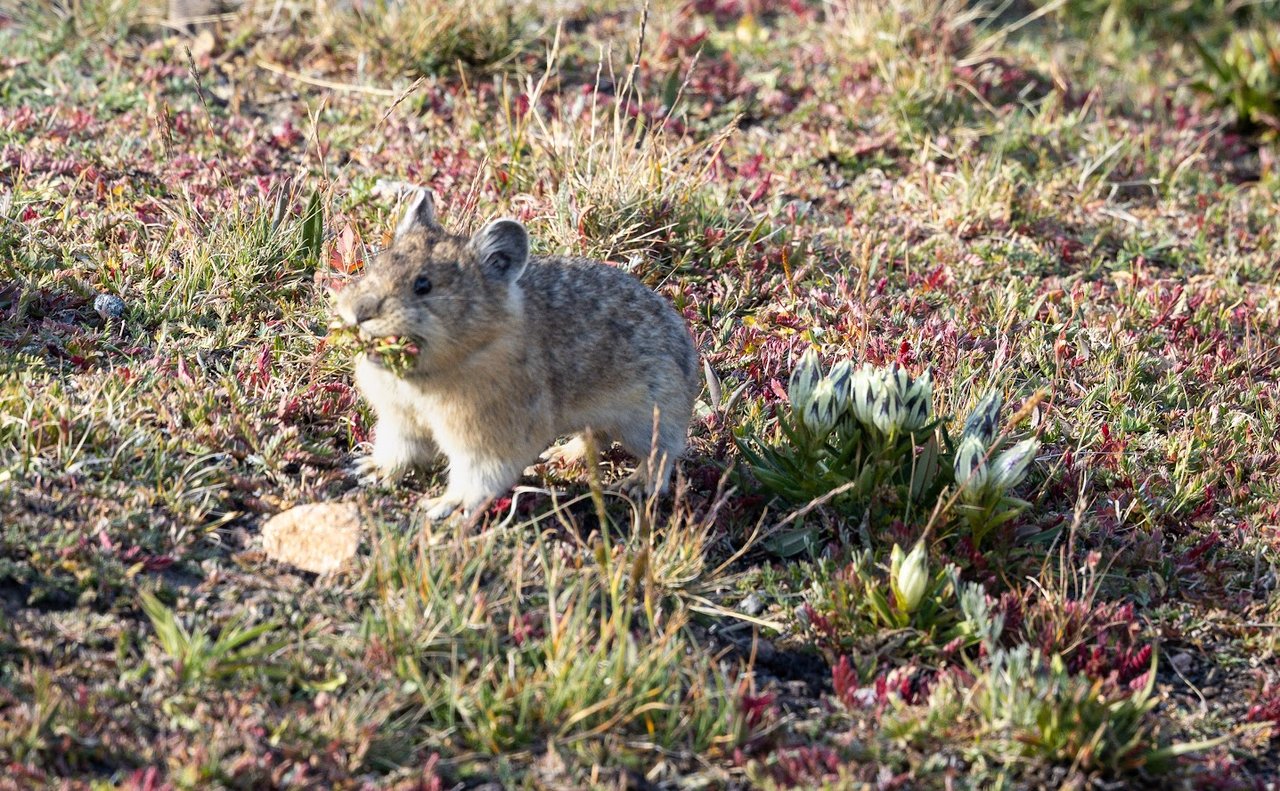
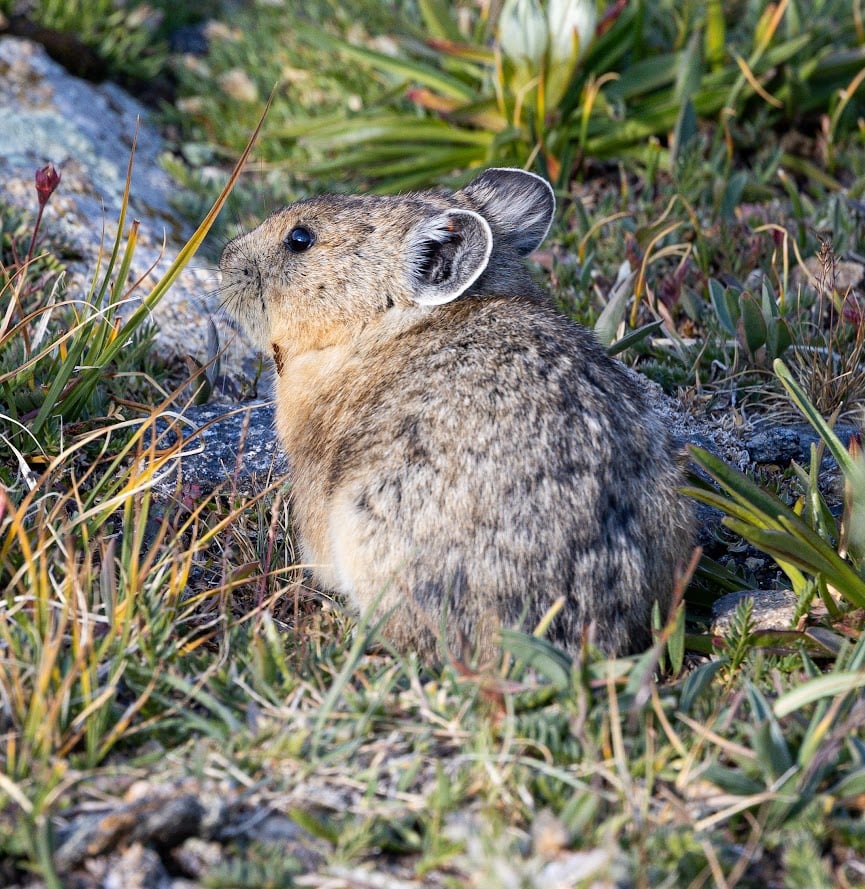
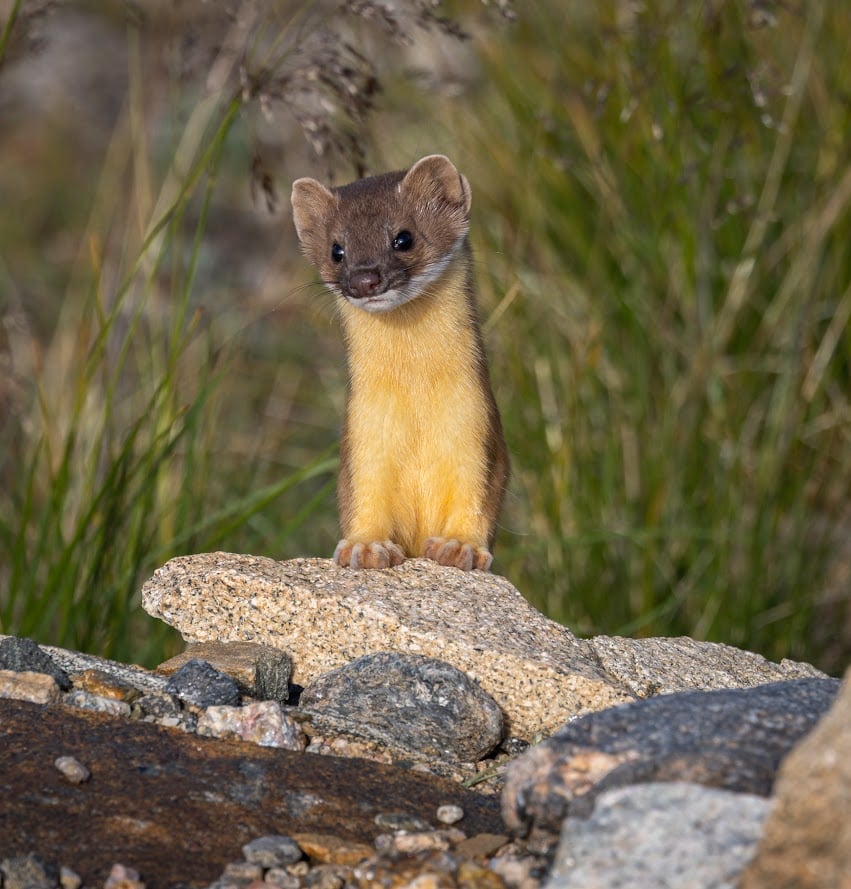
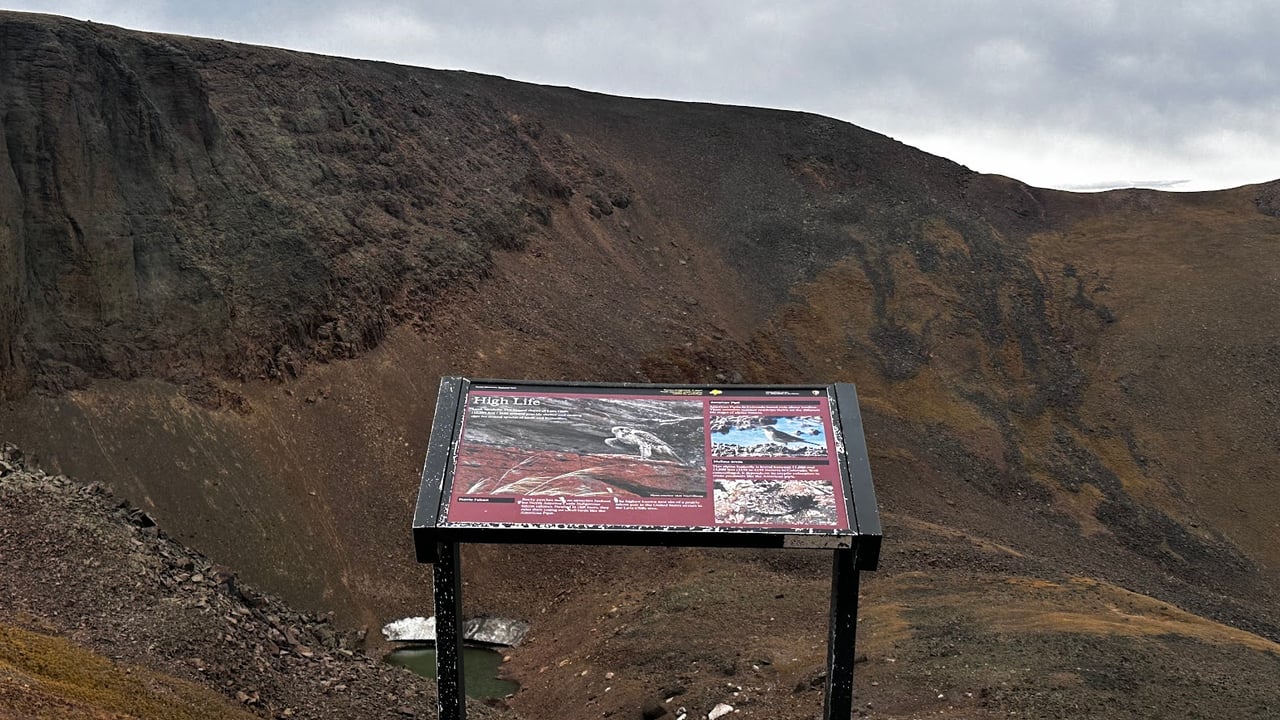
Despite the harsh conditions, life thrives here, just in quieter, more subtle ways.
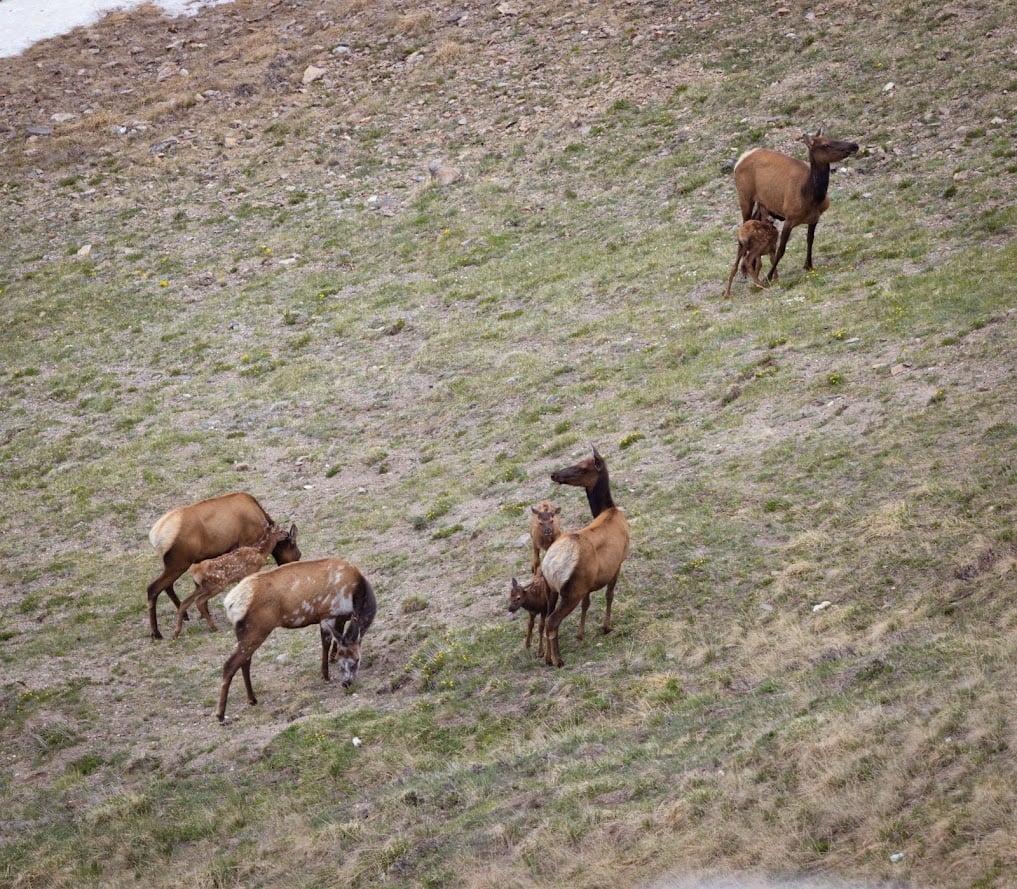
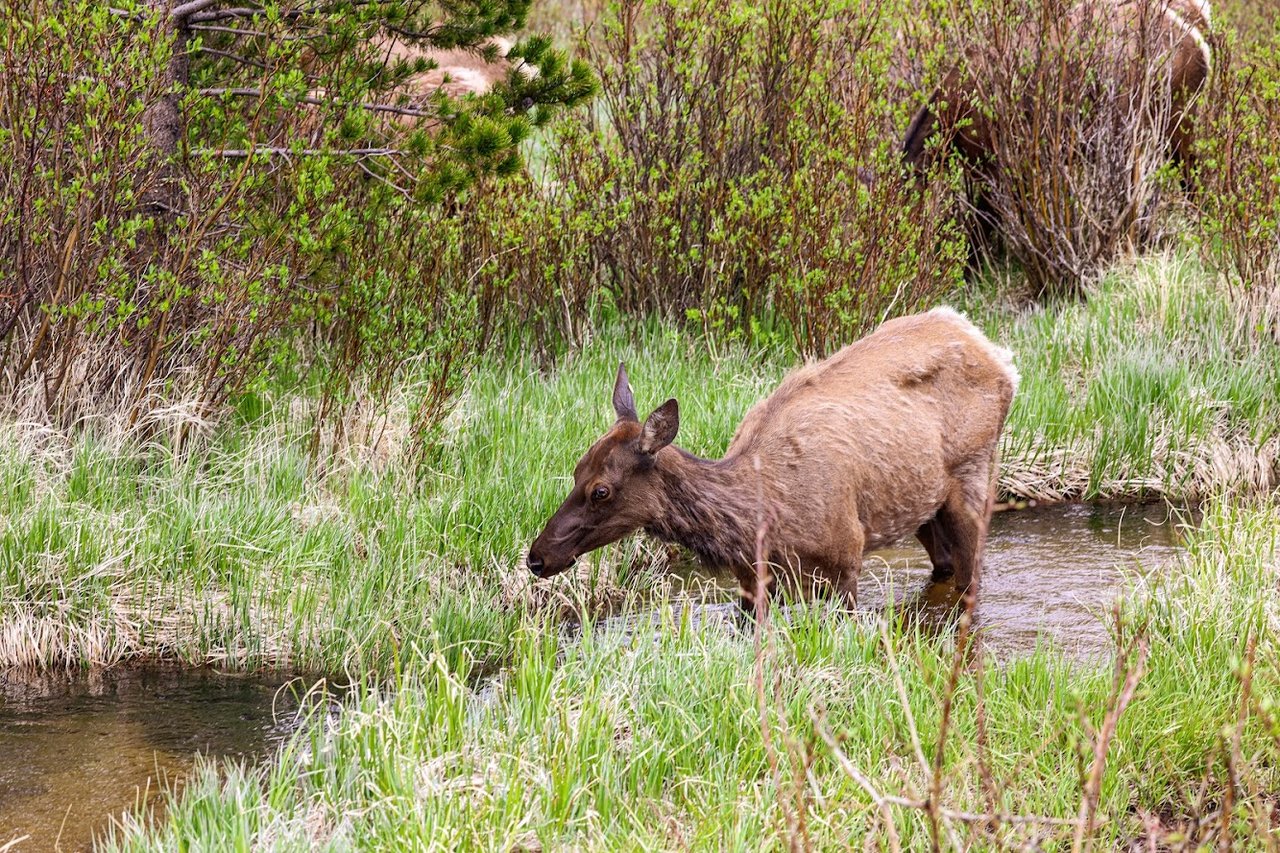
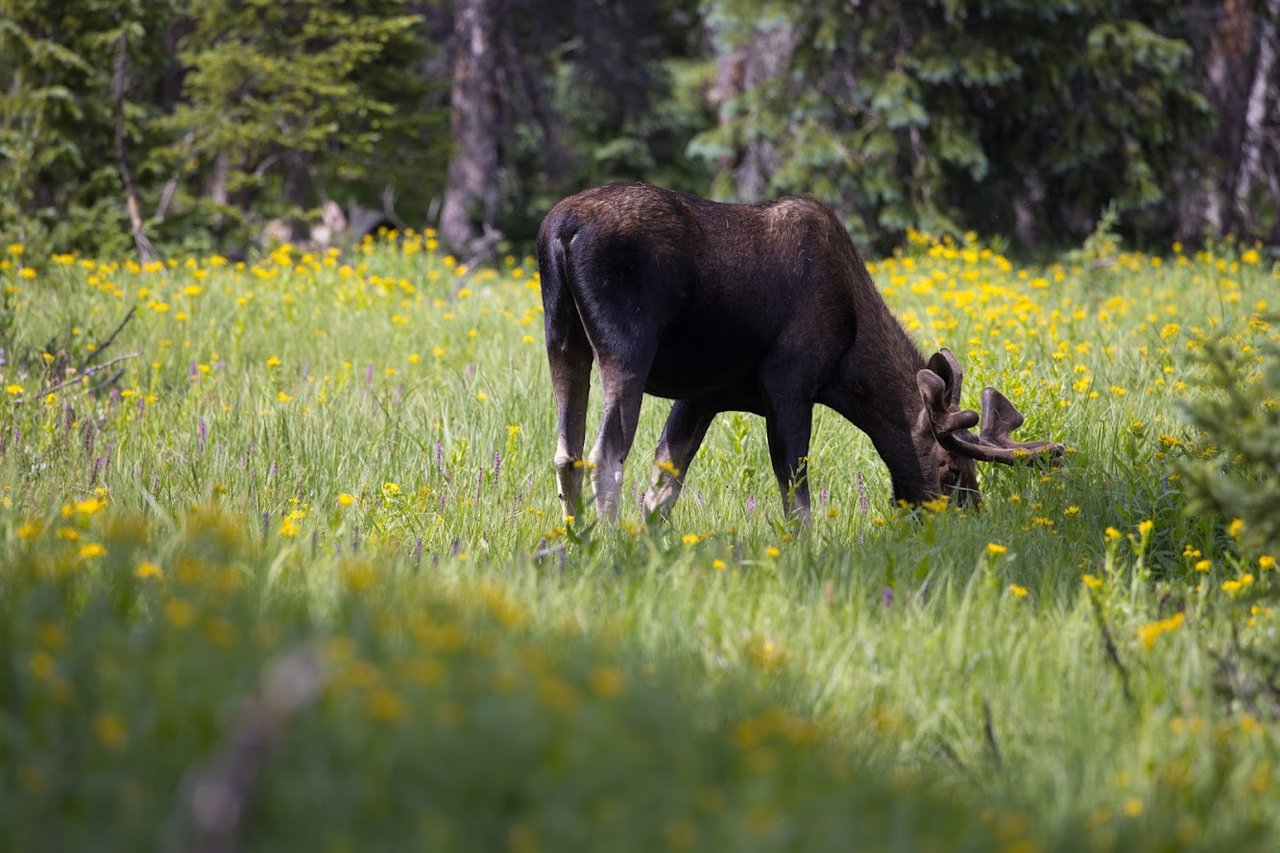
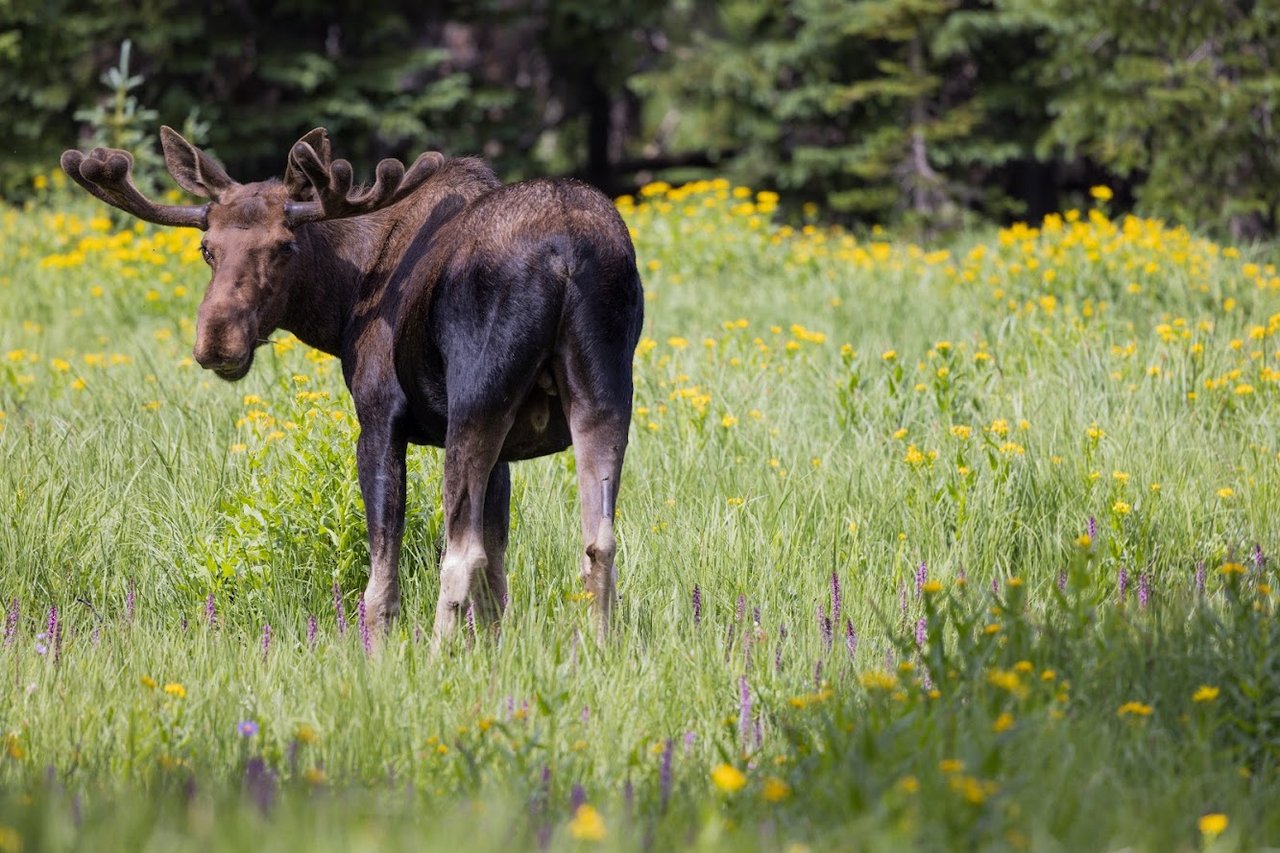
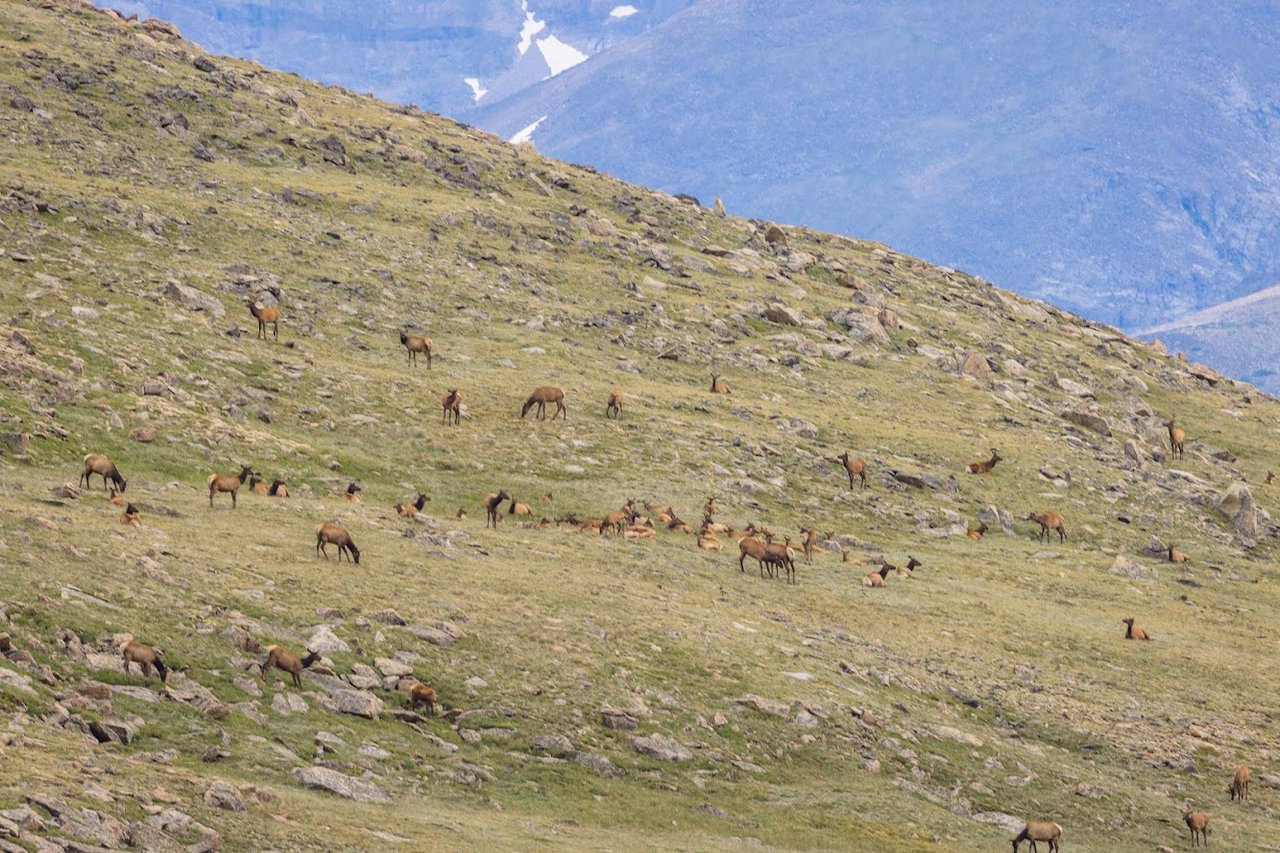
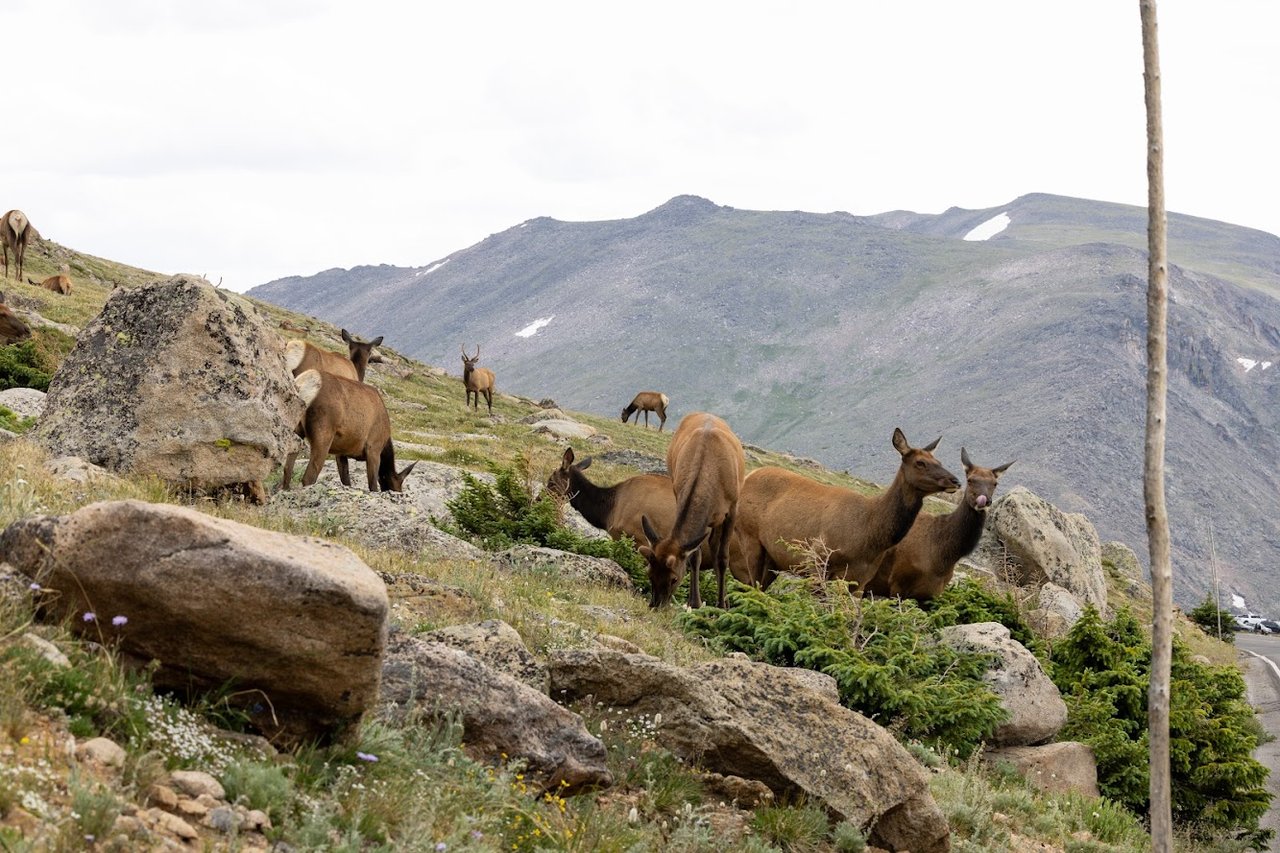
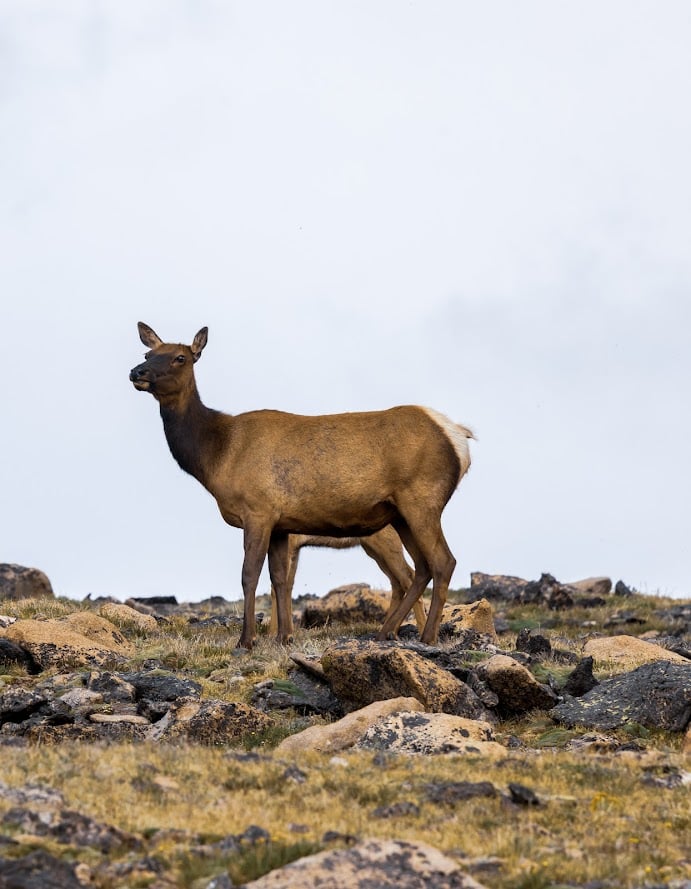
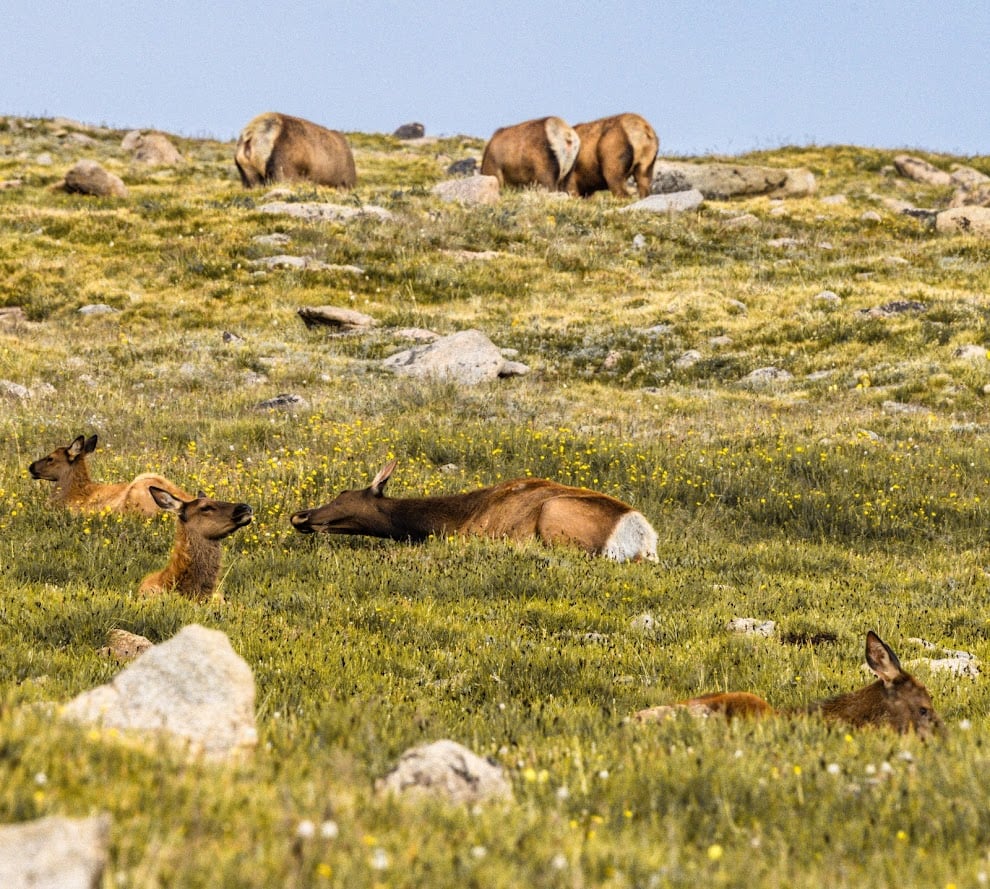
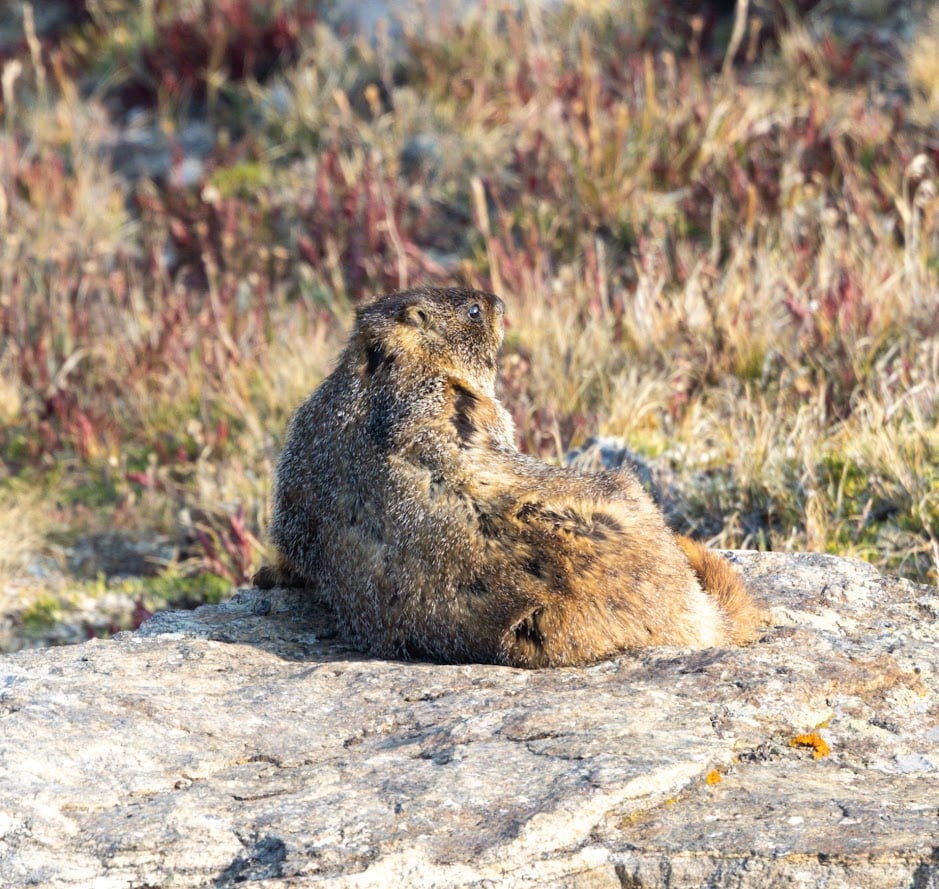
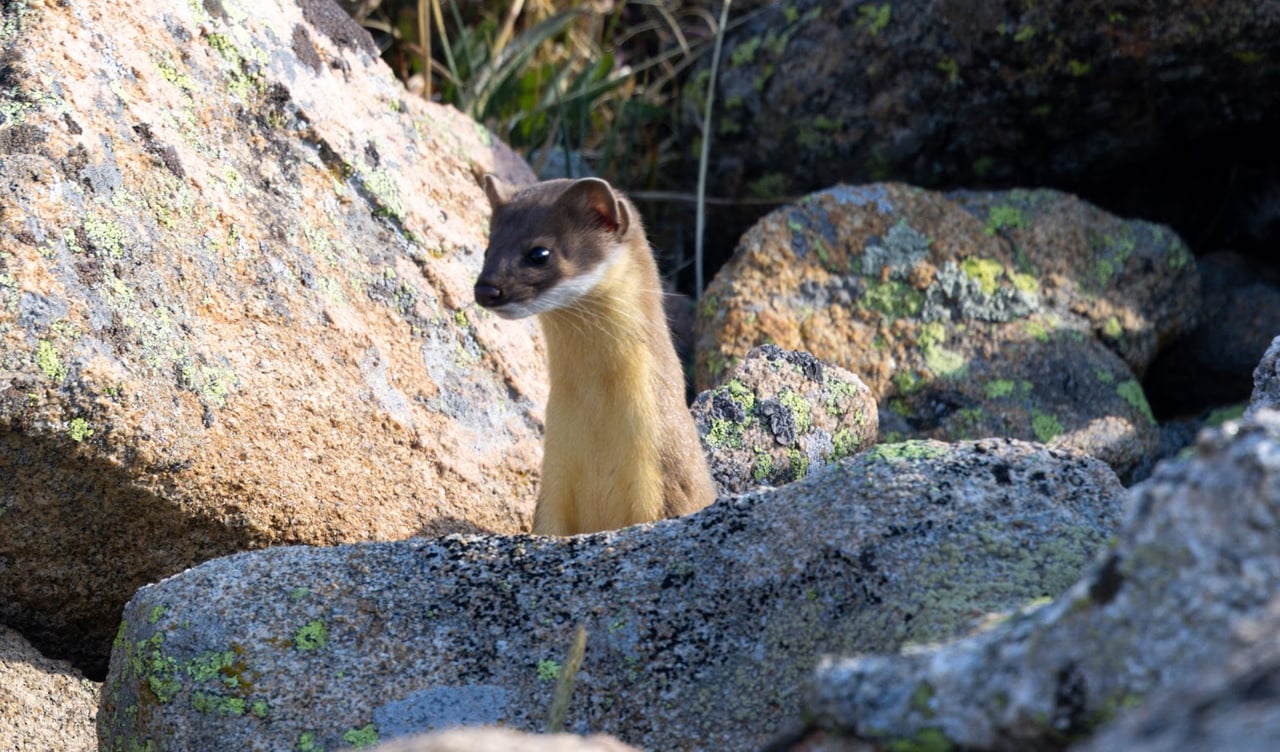
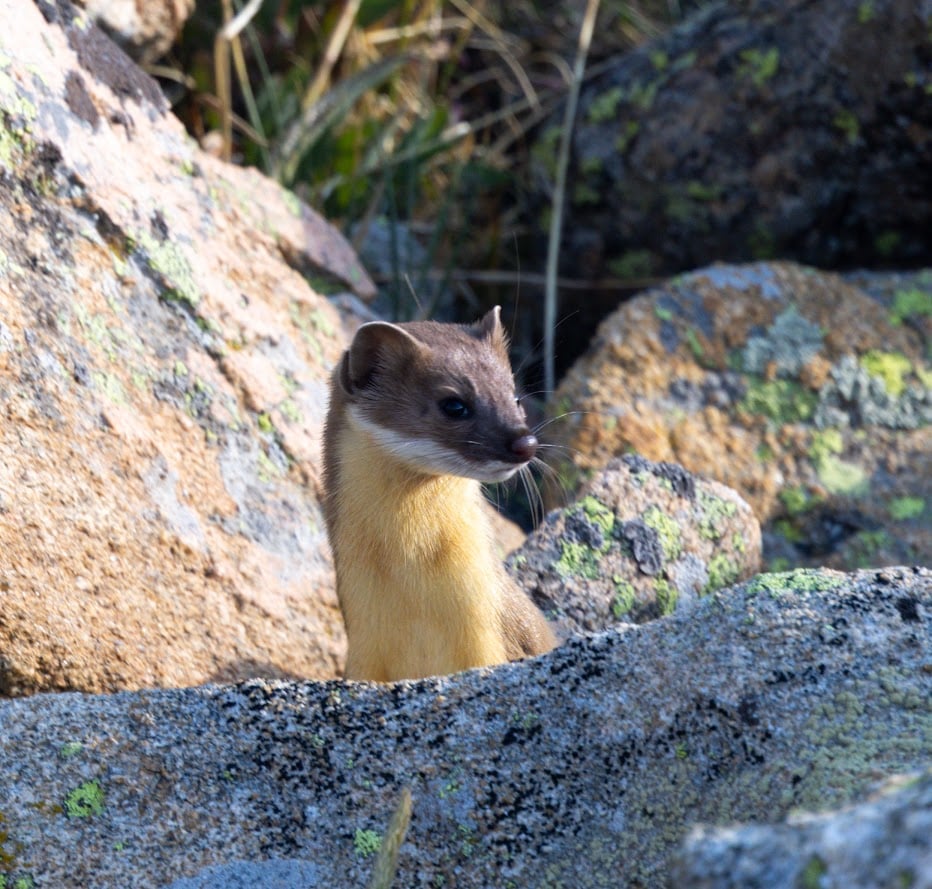
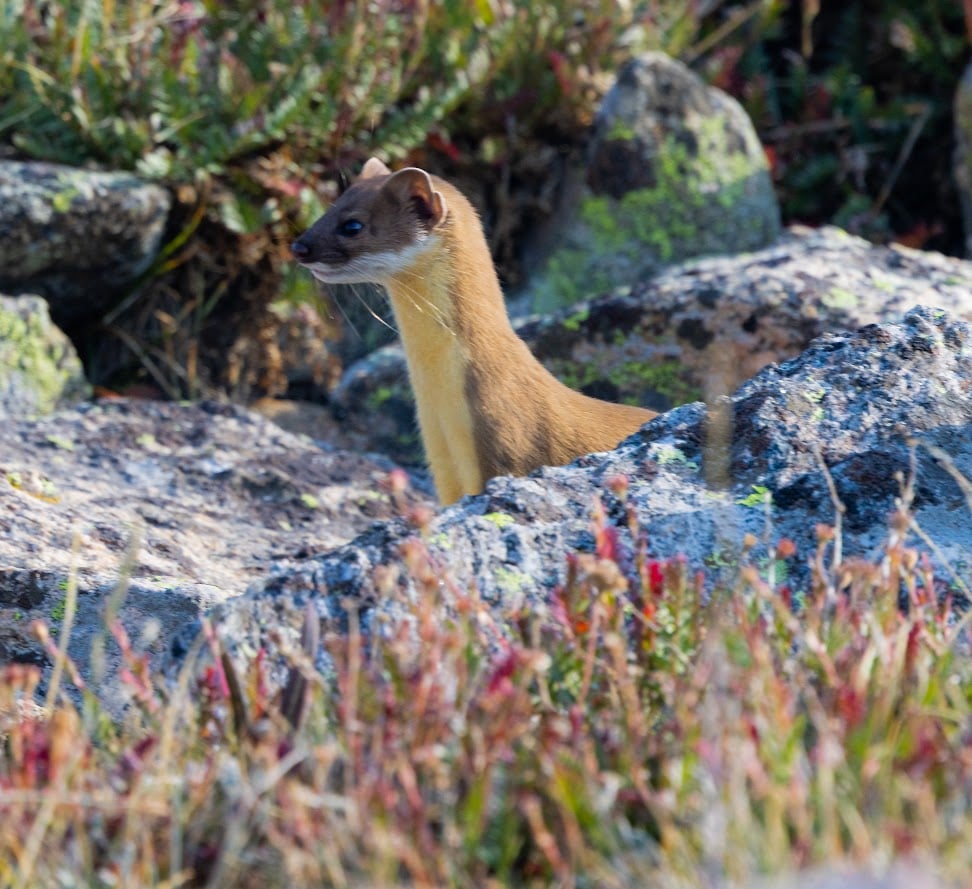
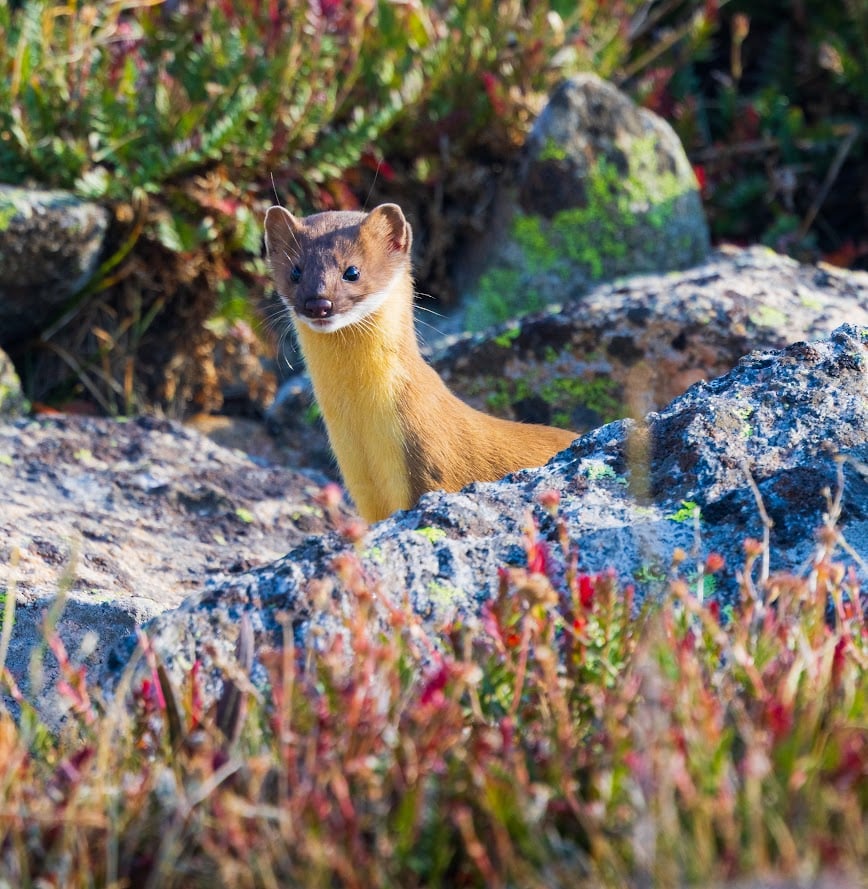
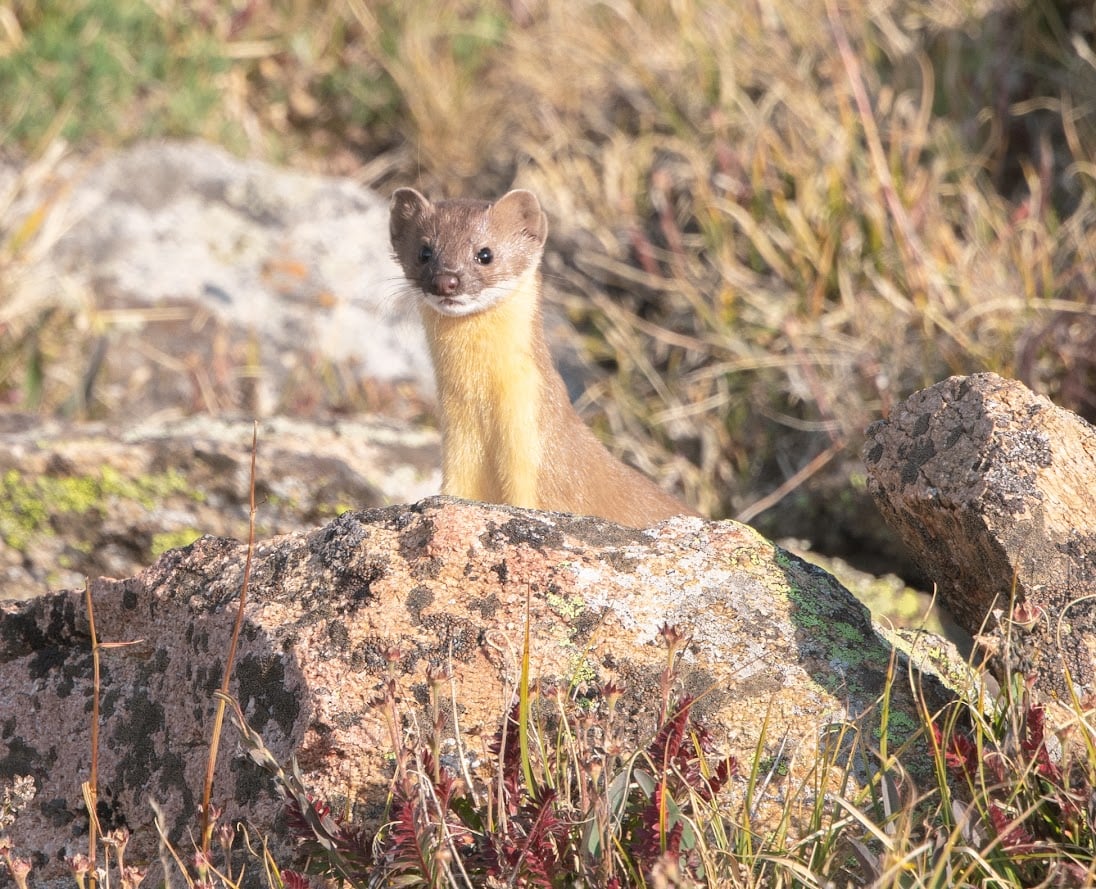
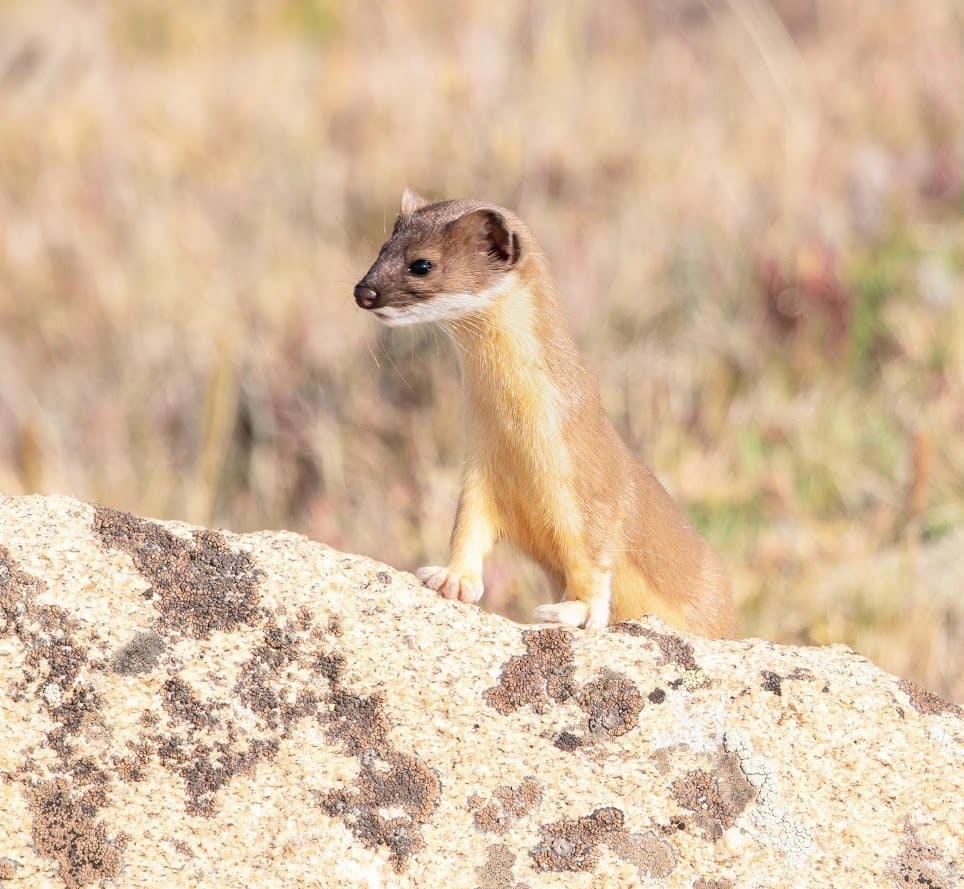
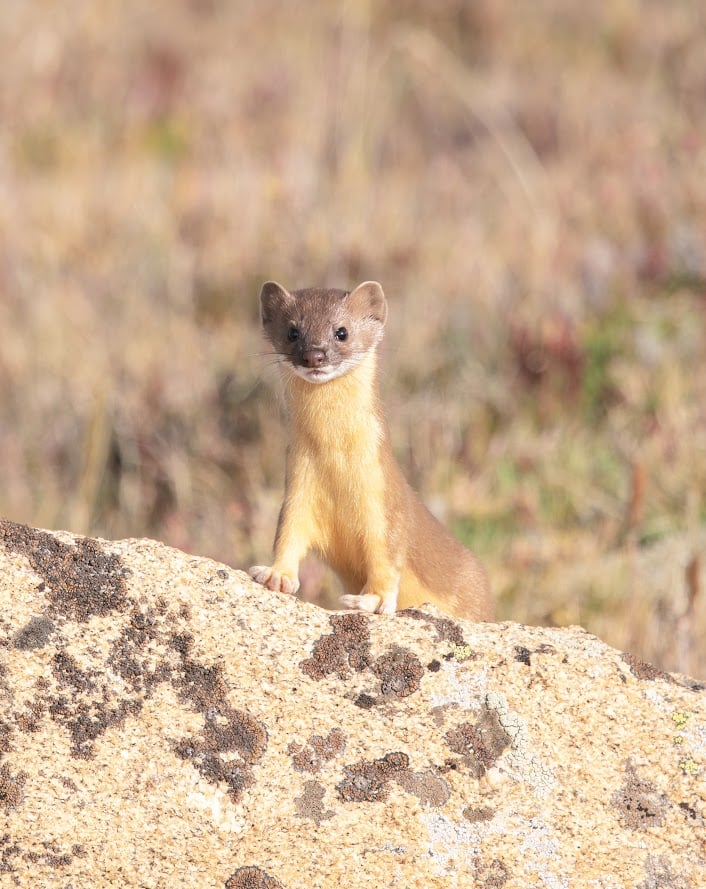
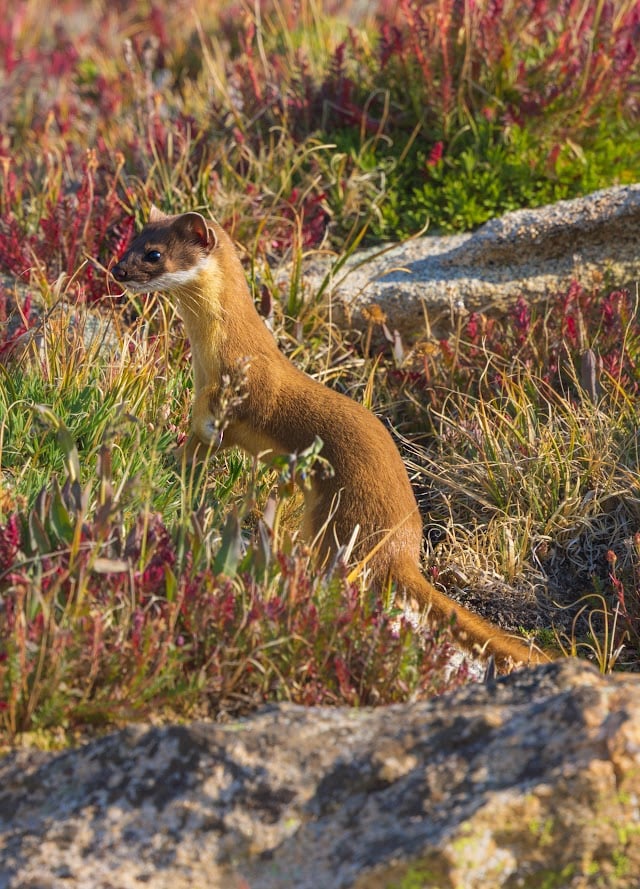
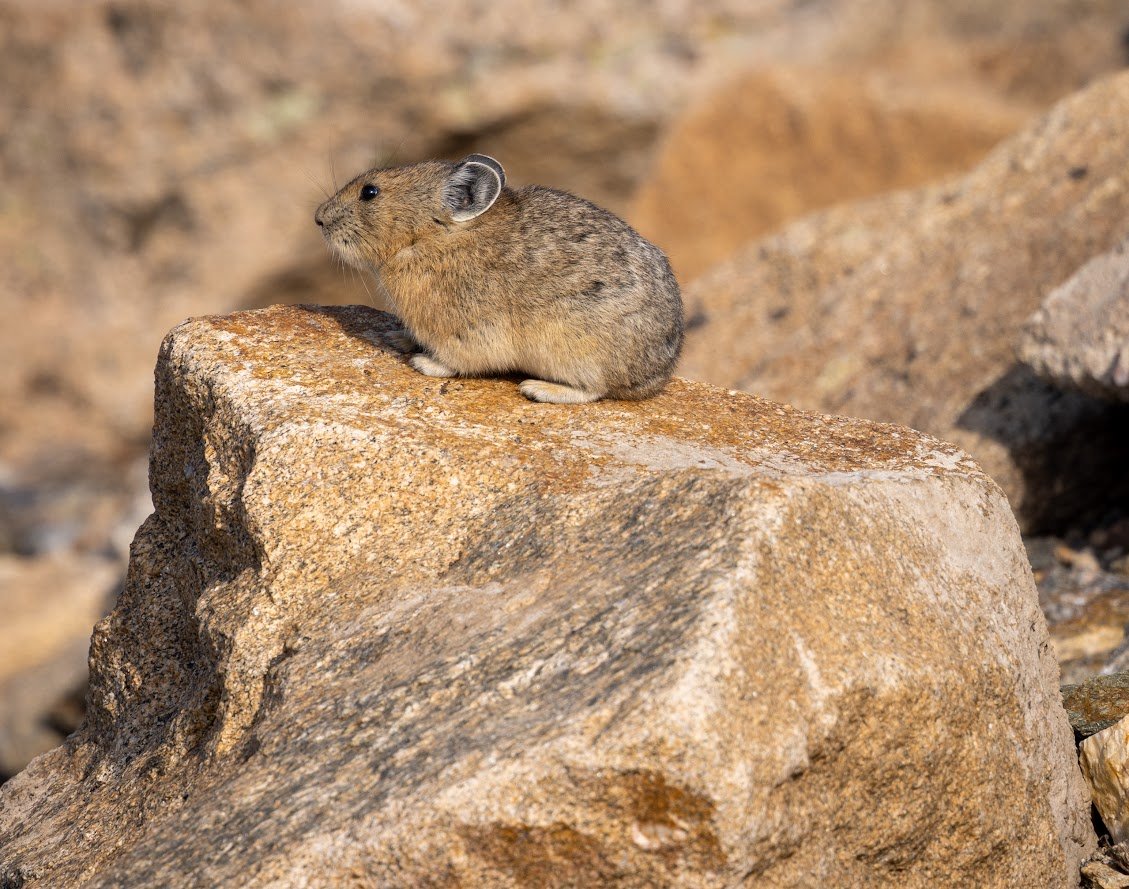
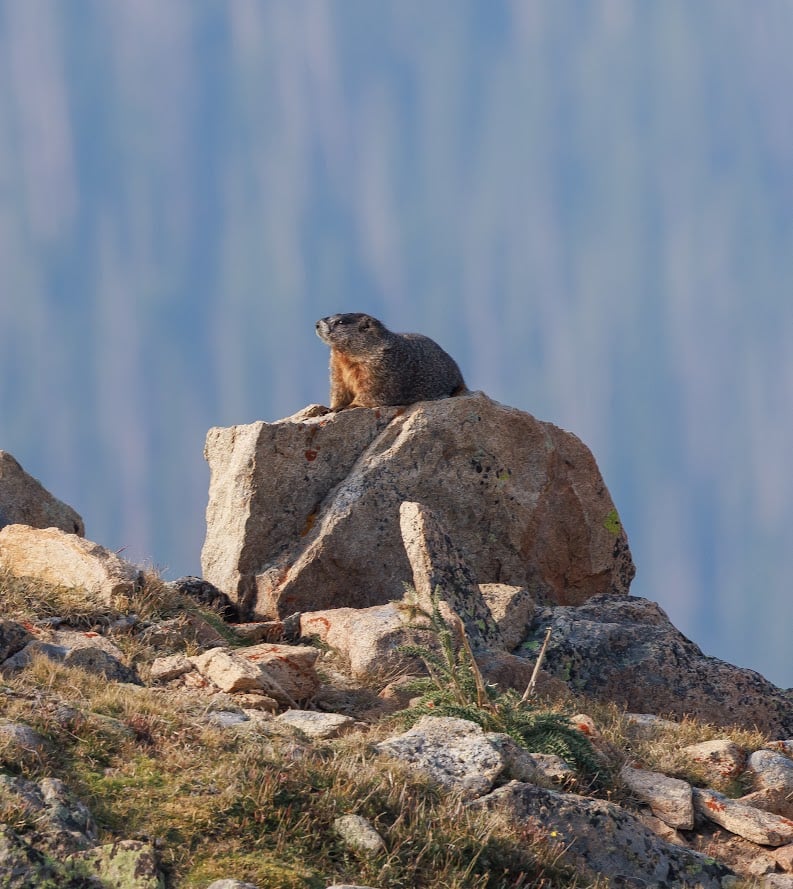
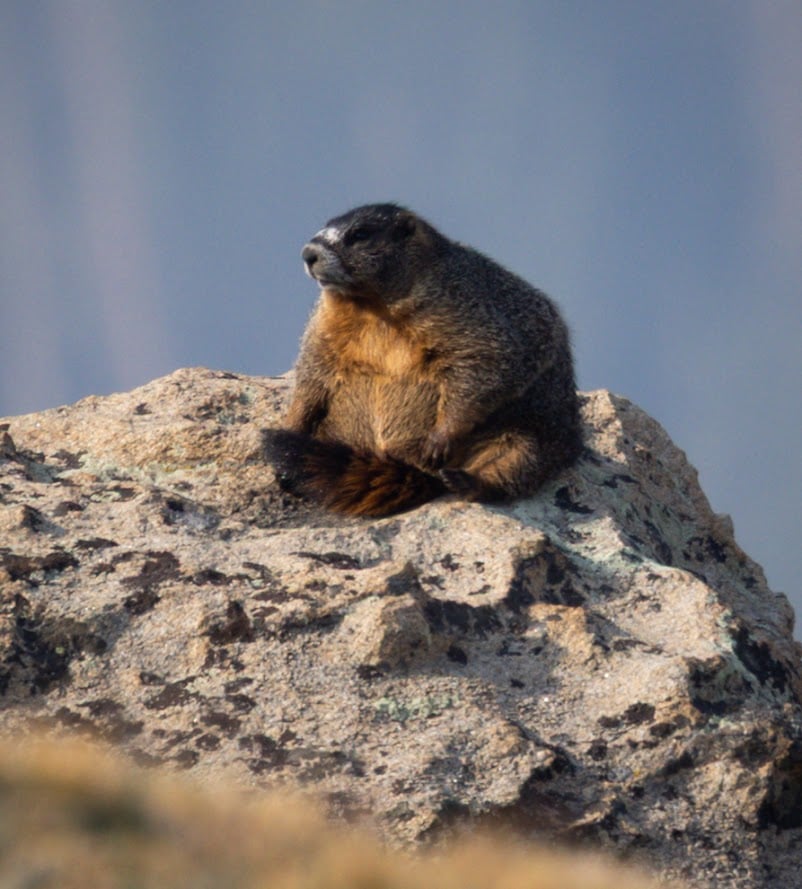
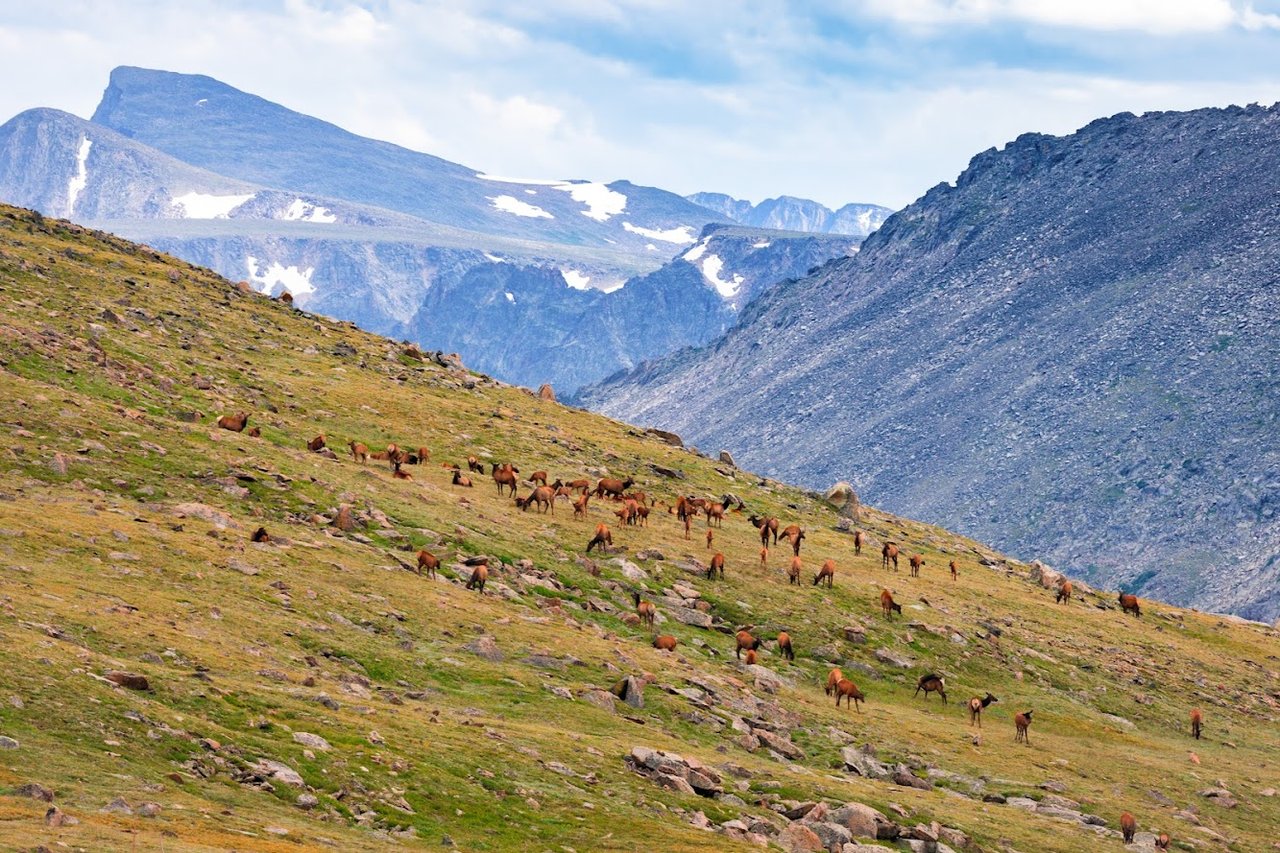
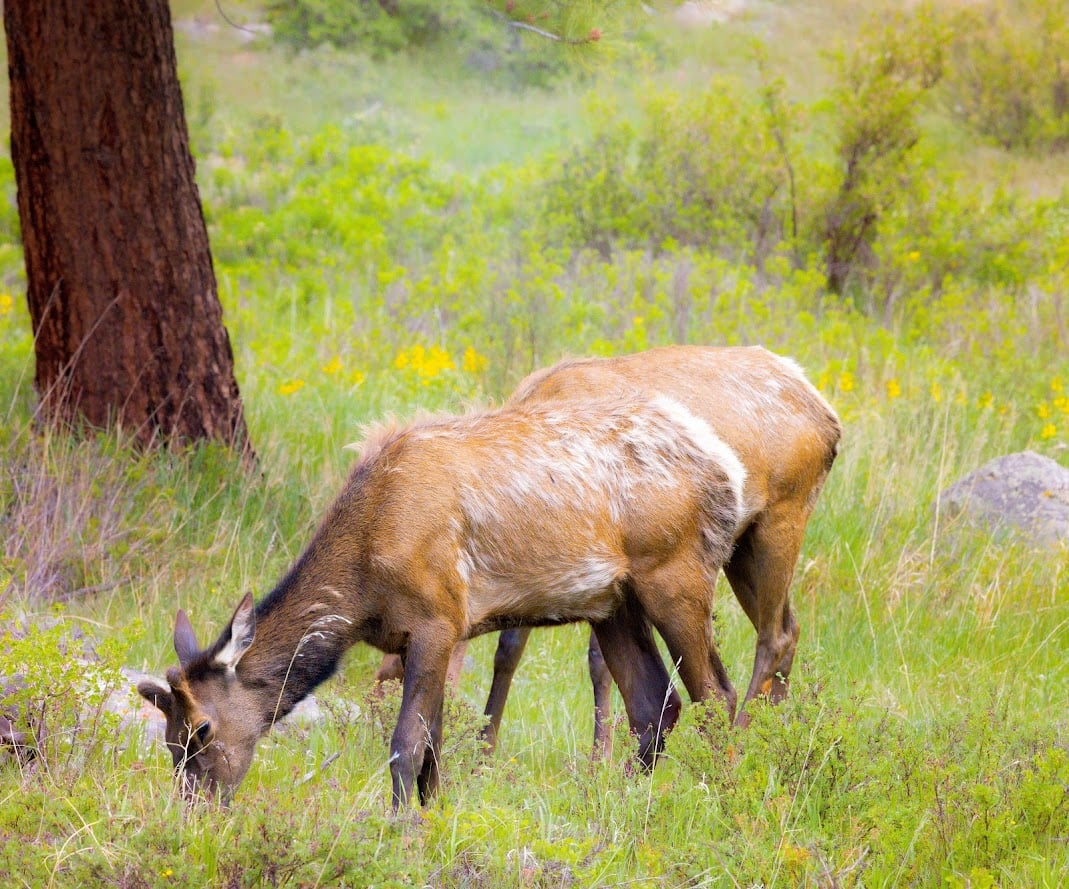
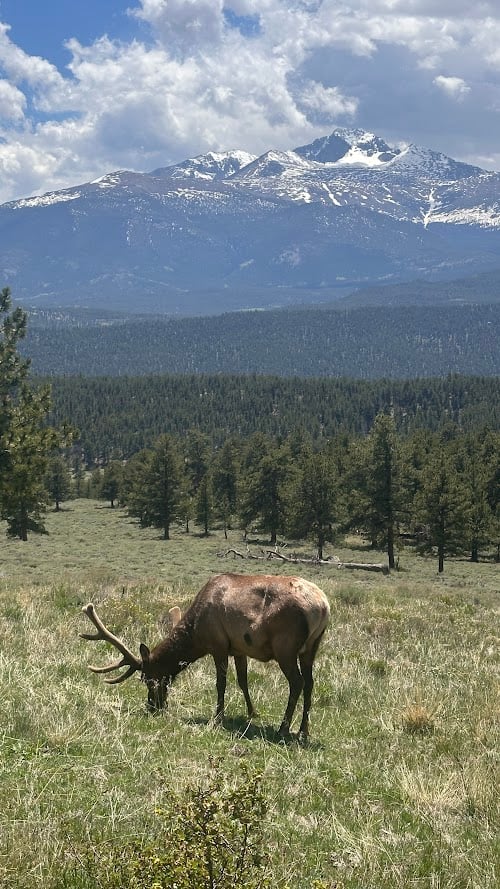
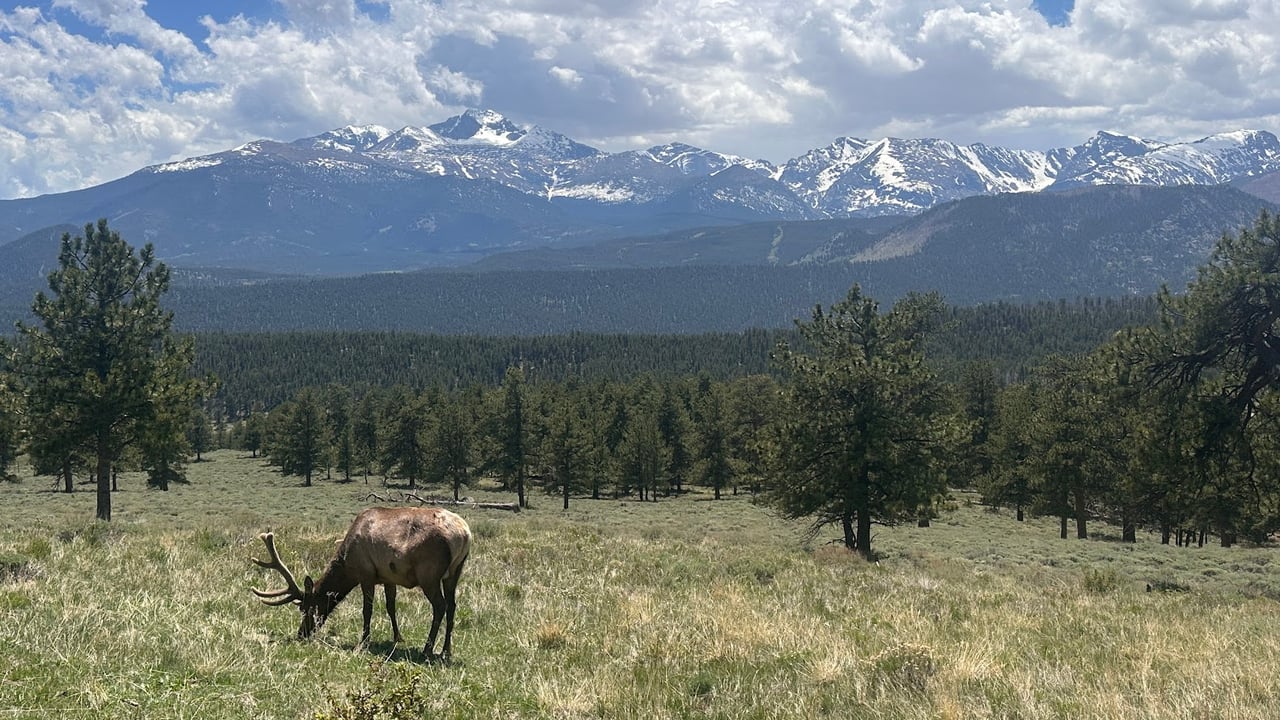
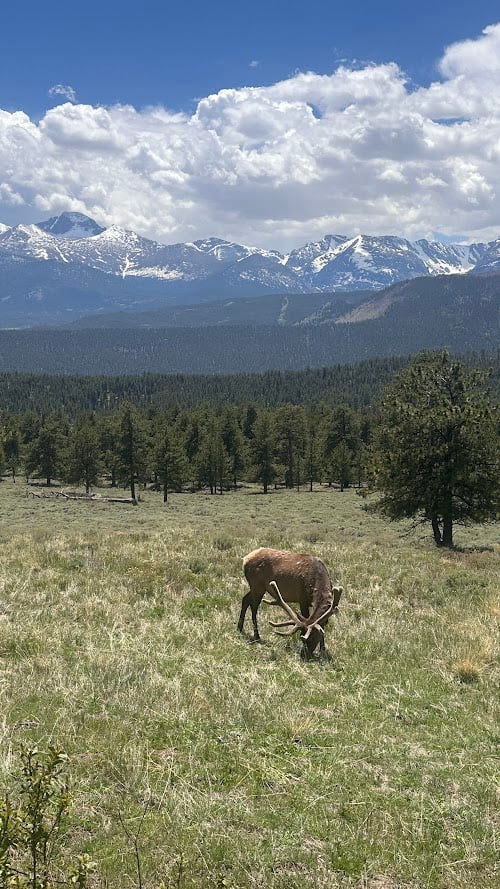
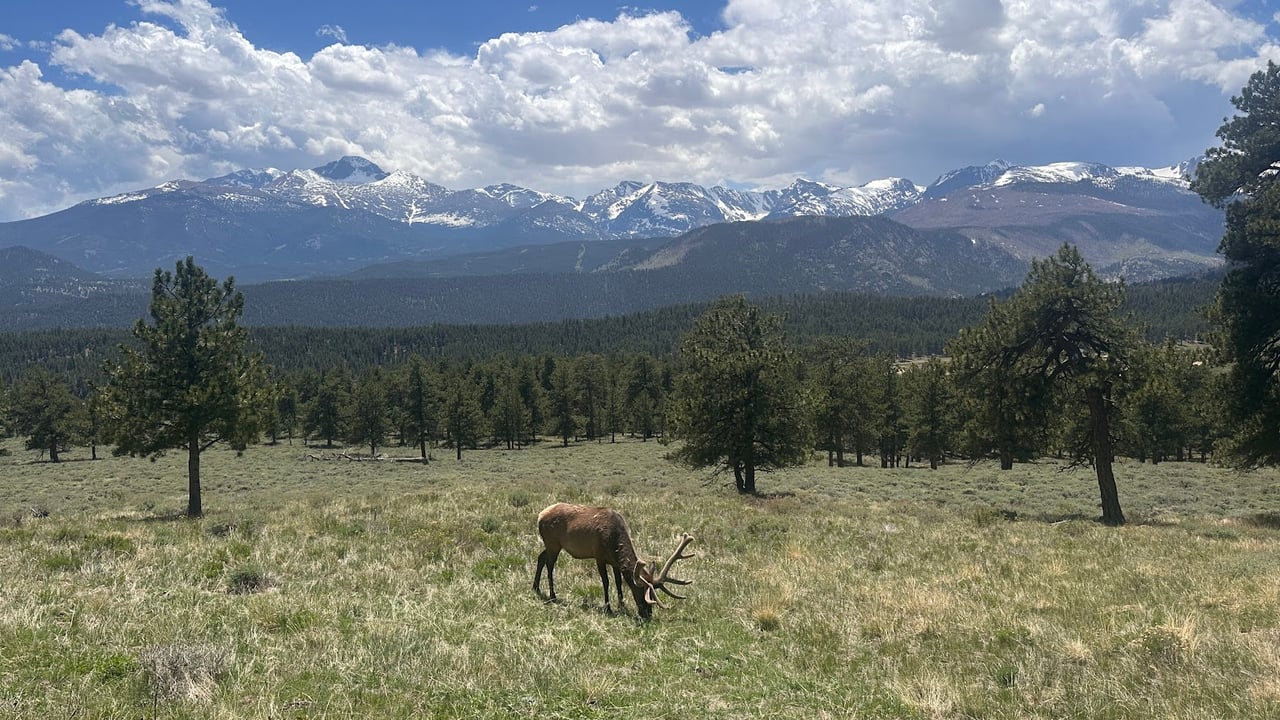
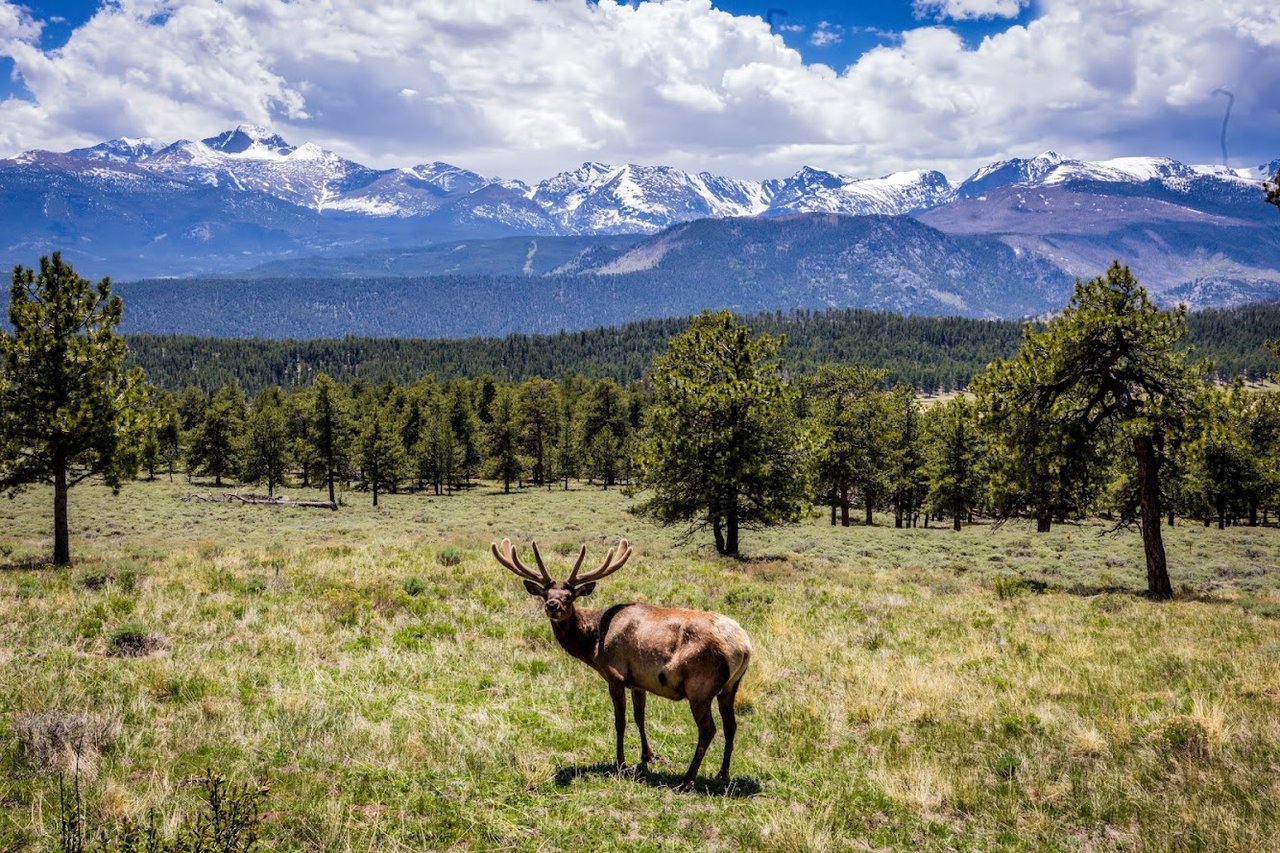
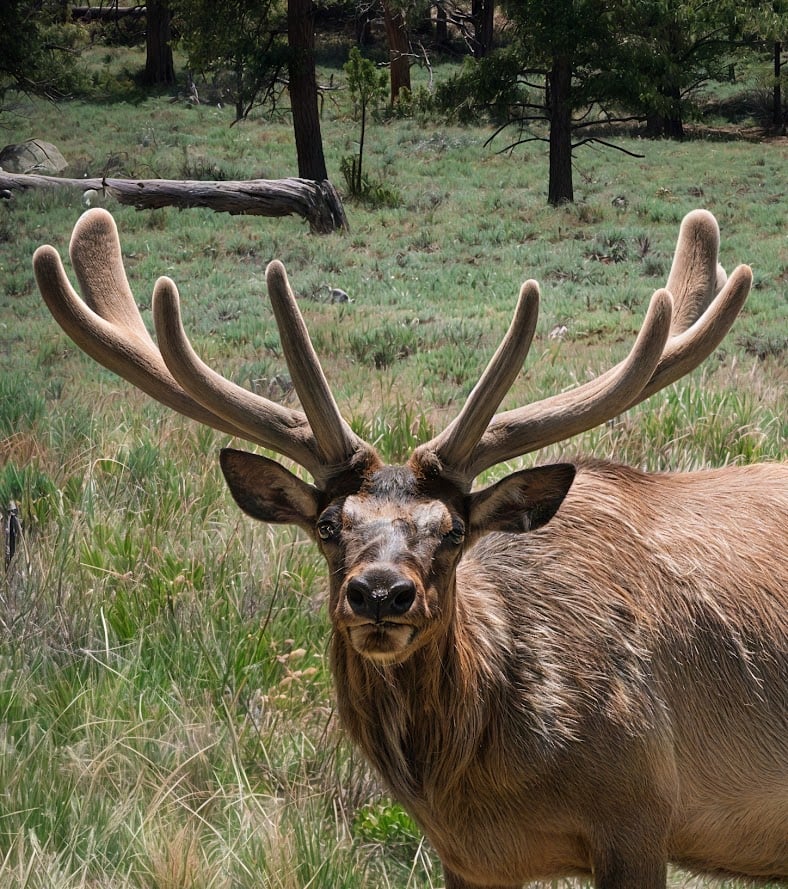
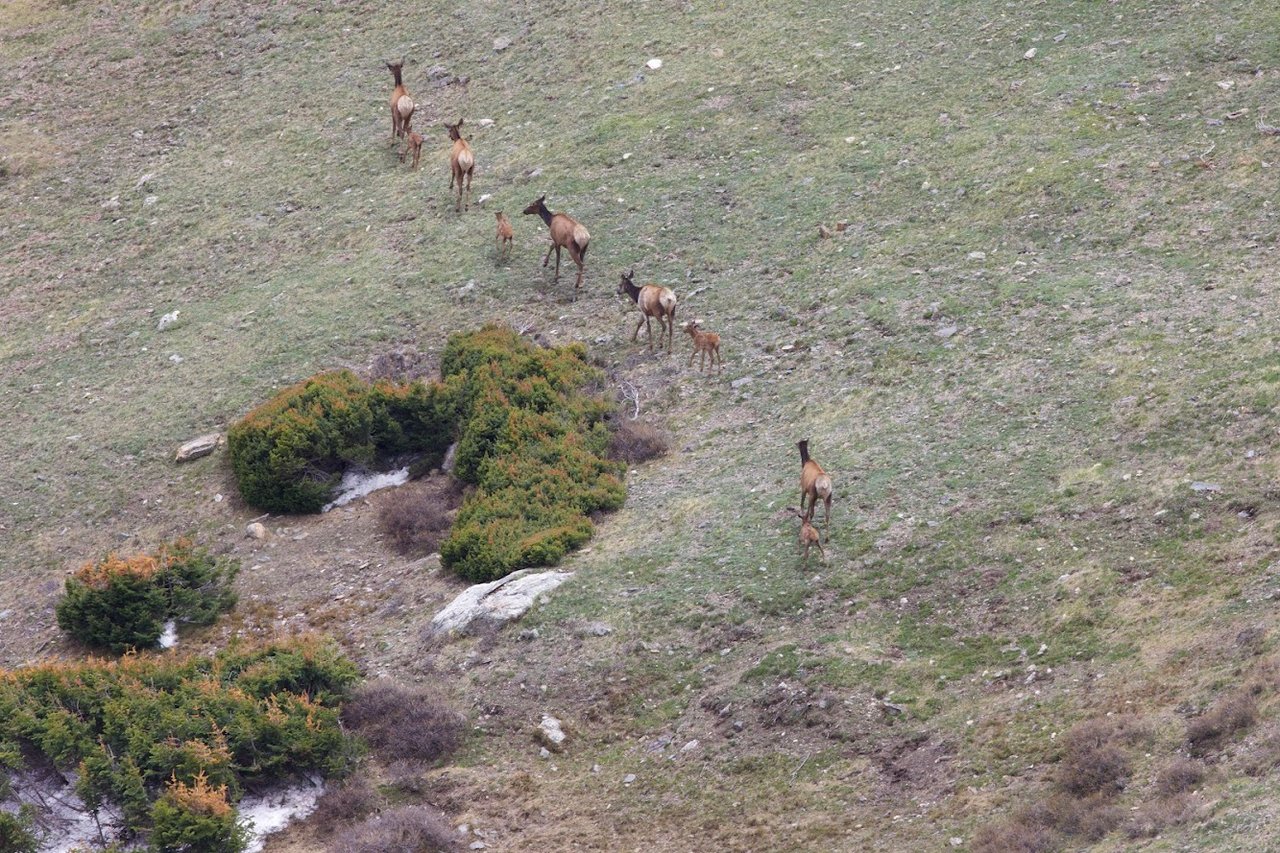
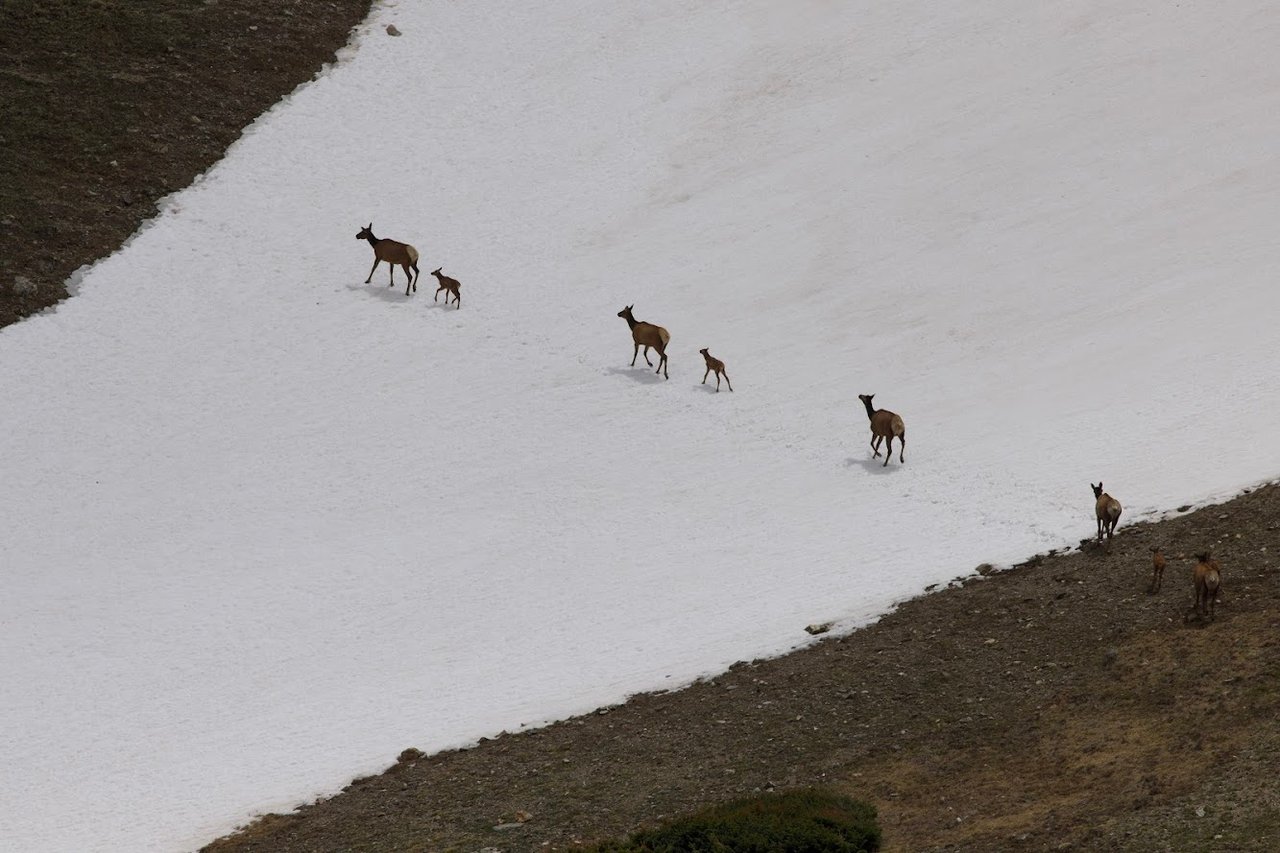
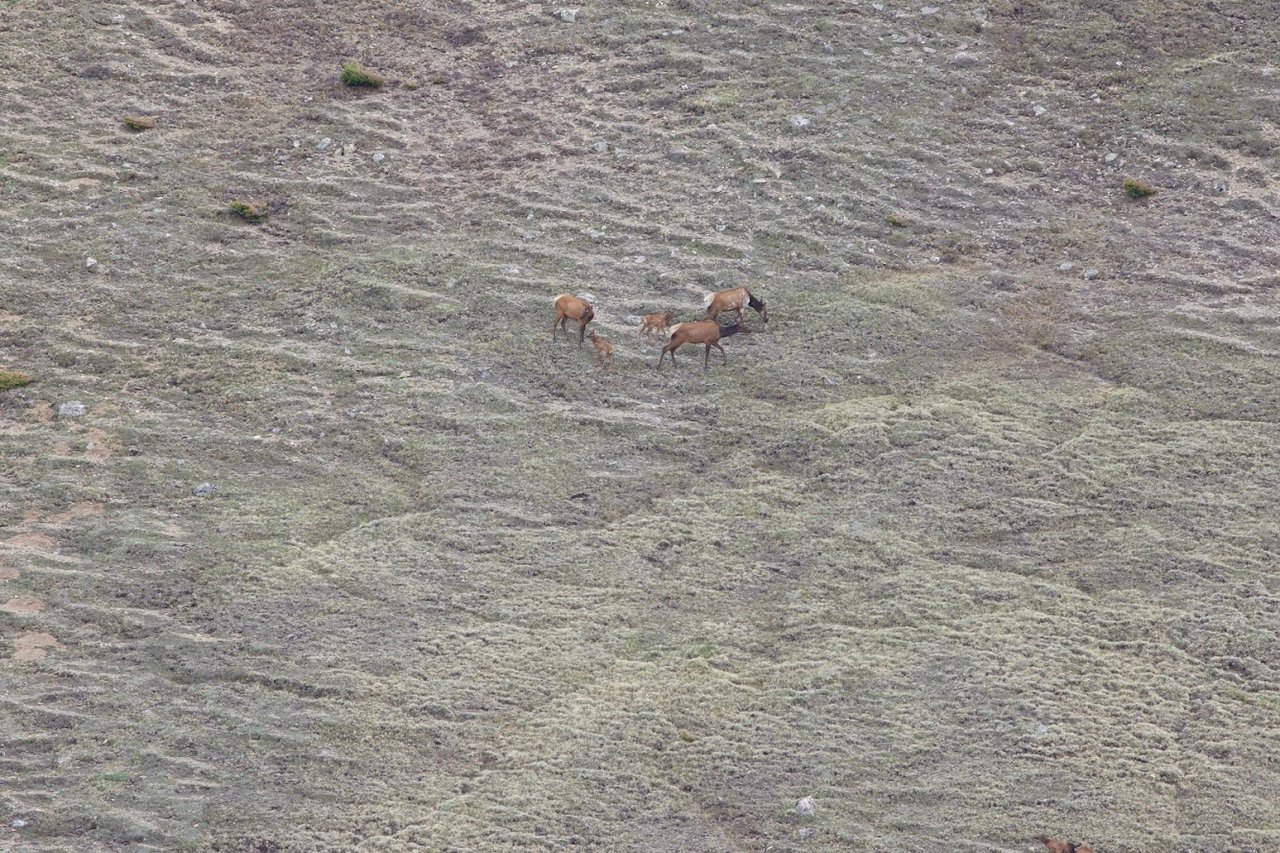
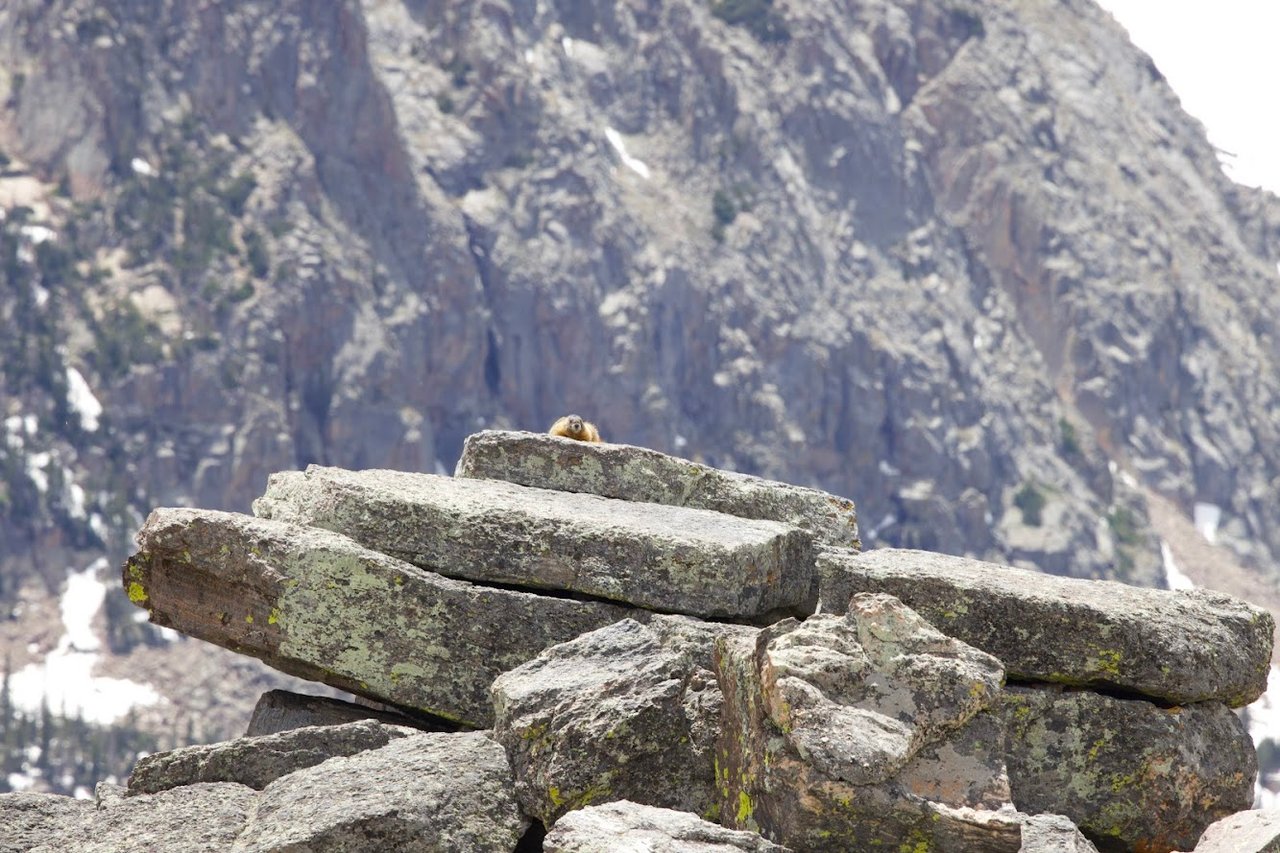
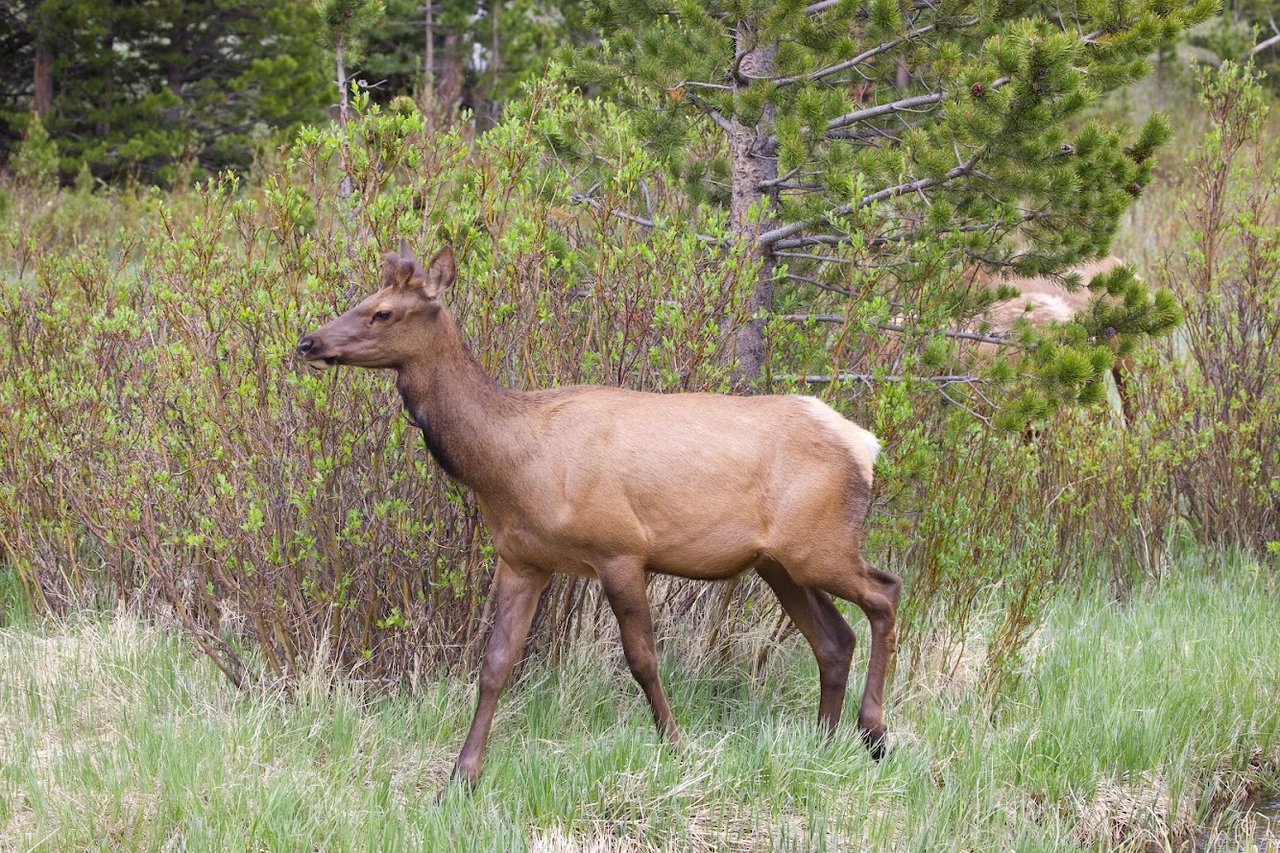
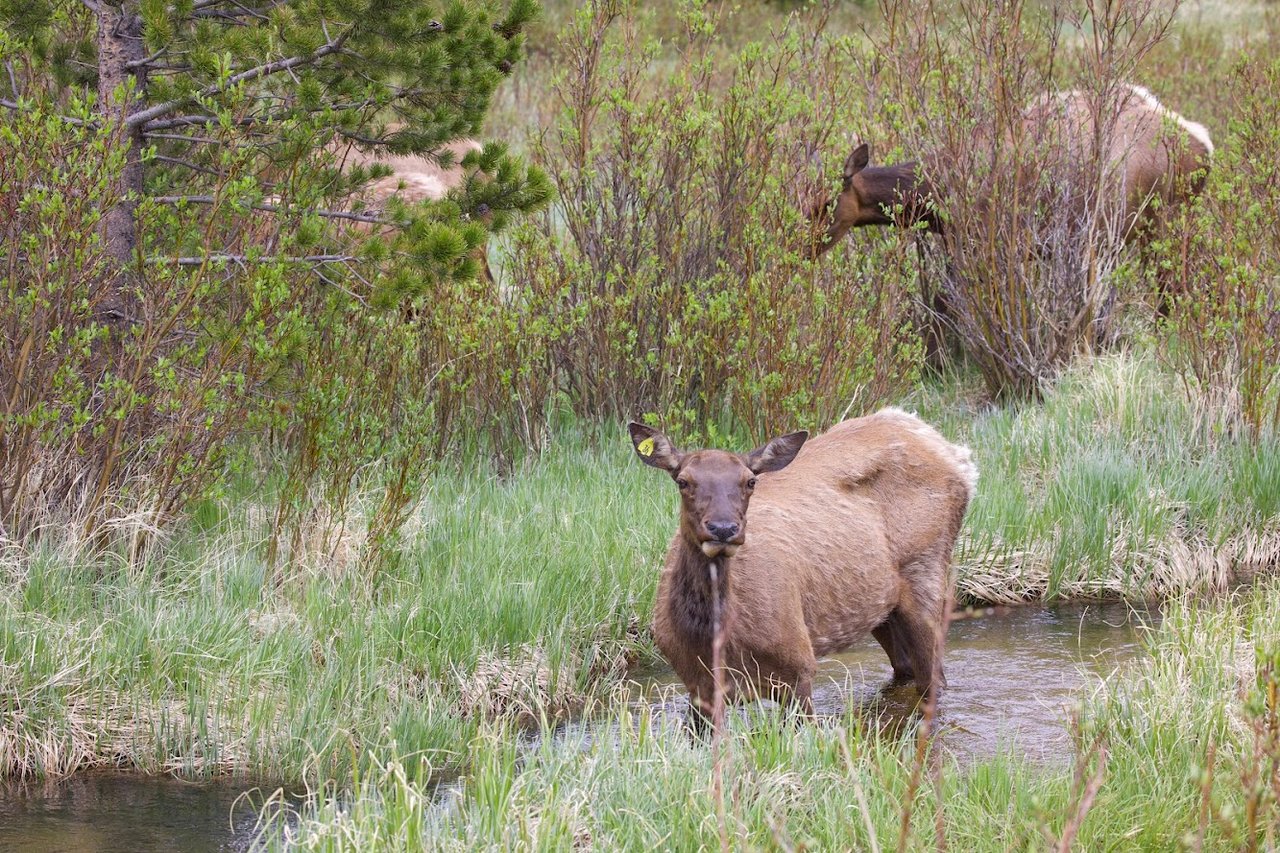
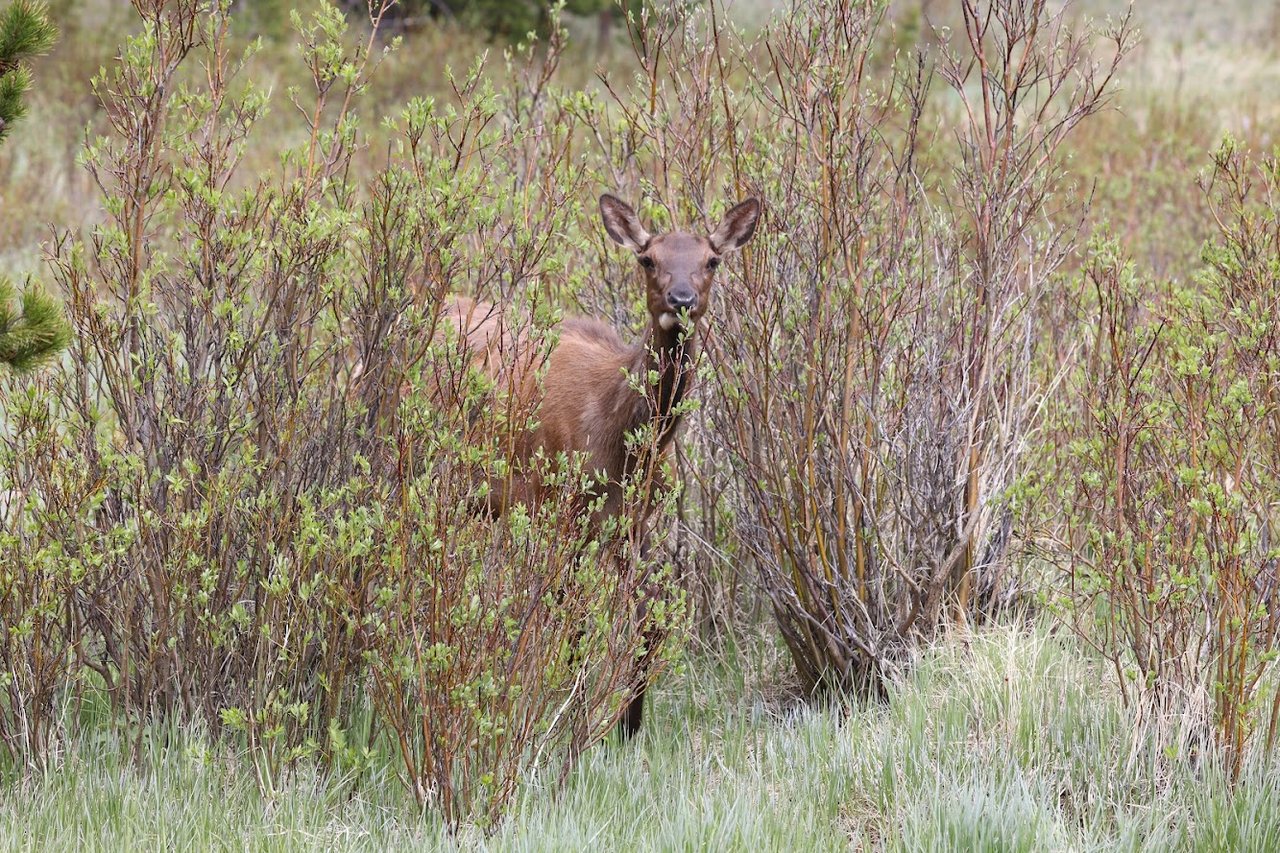
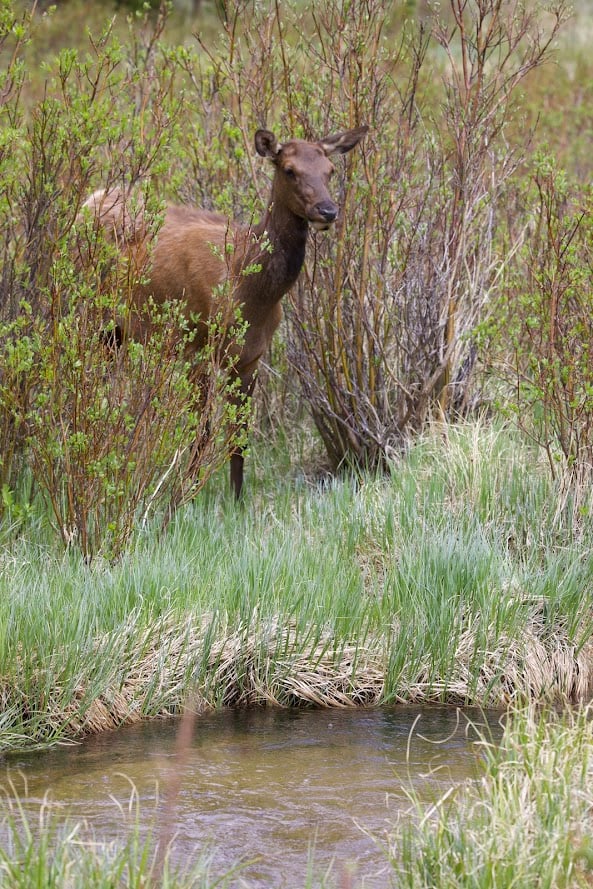
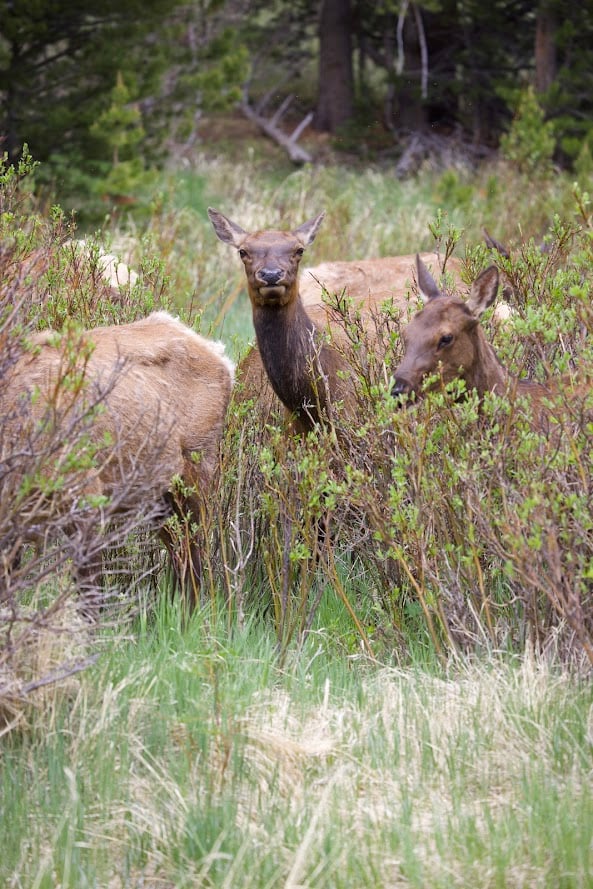
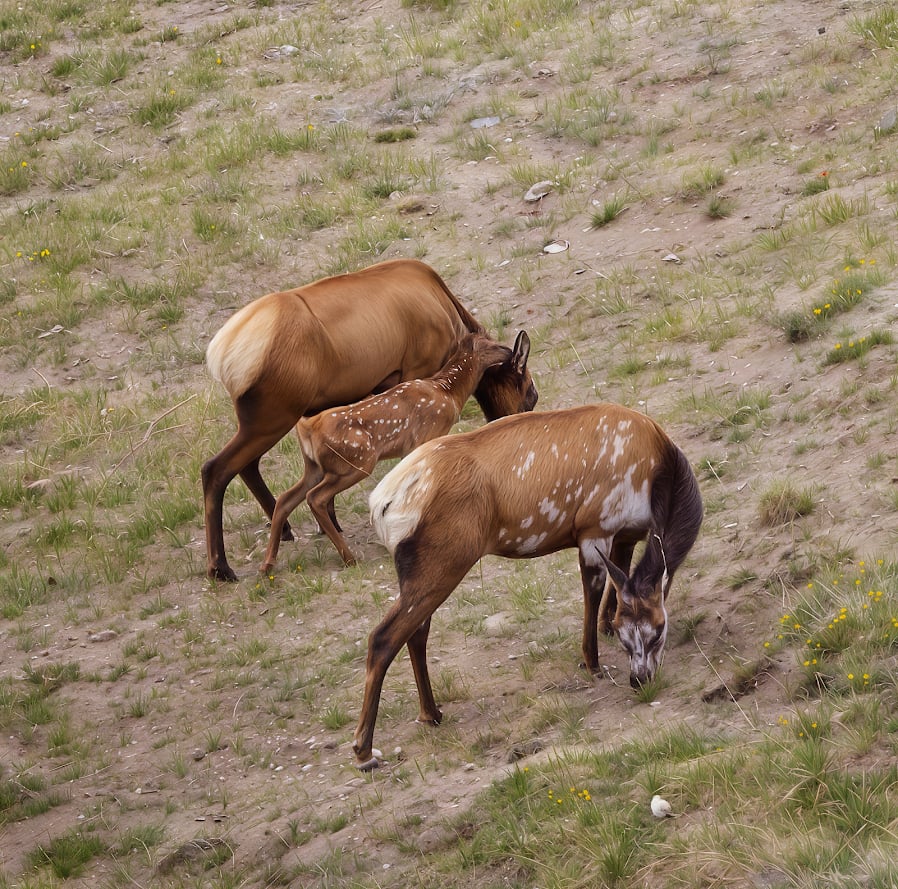
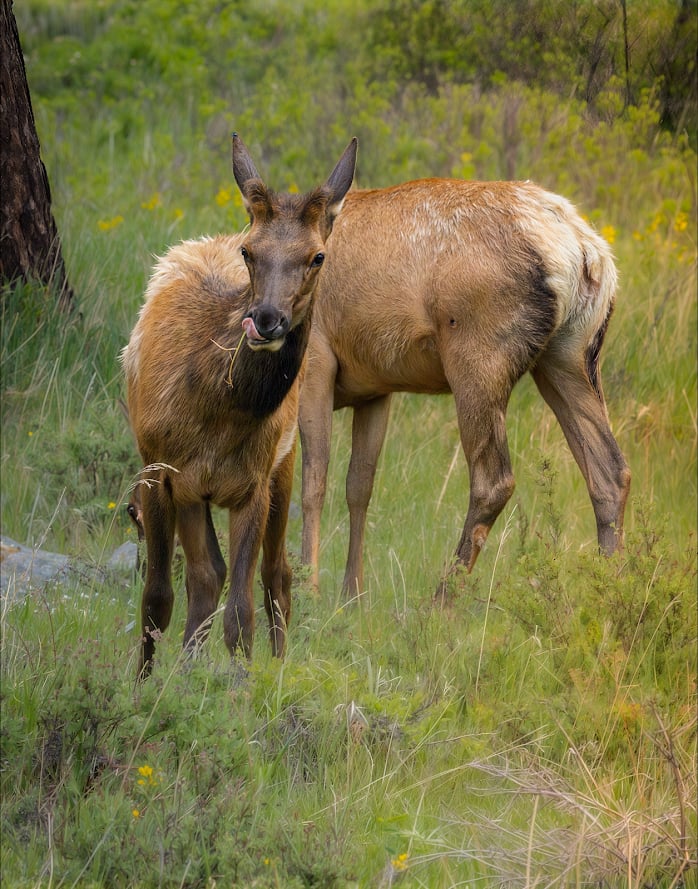
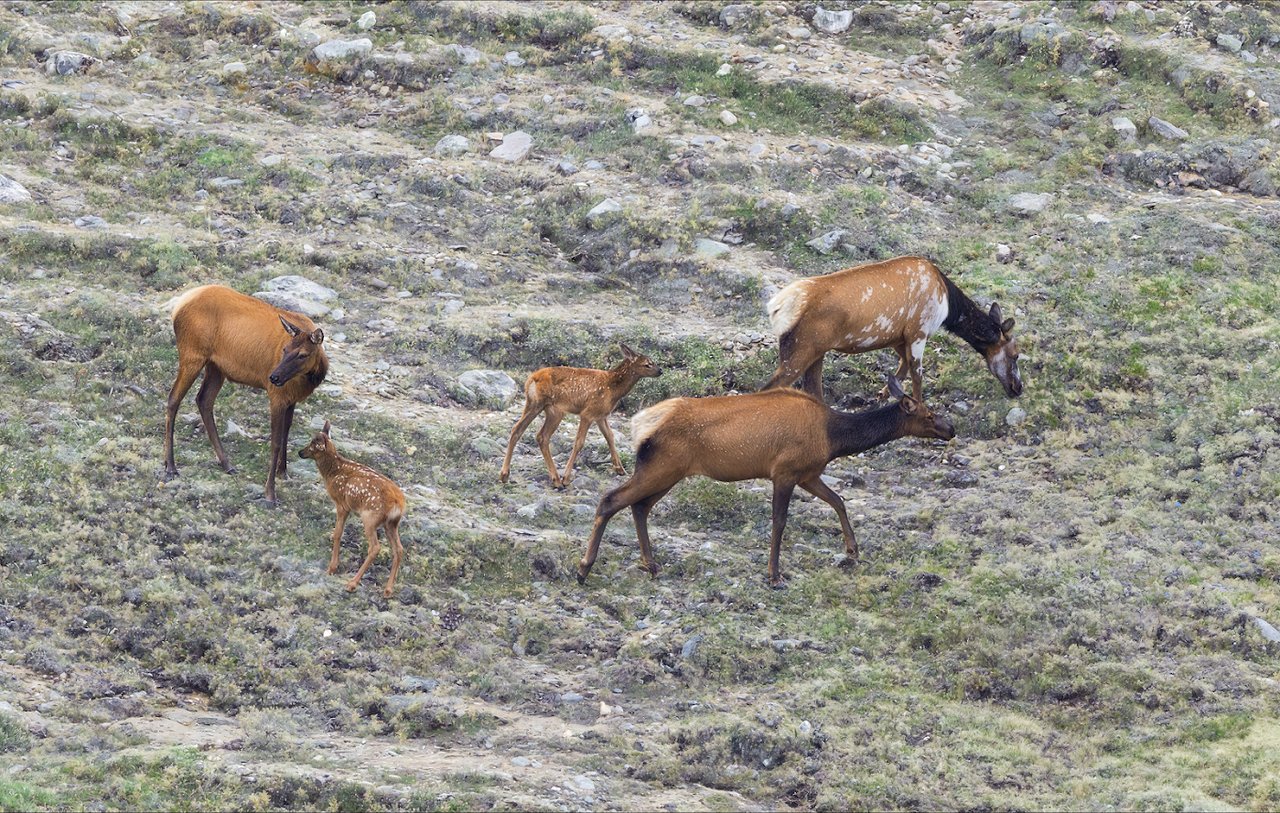
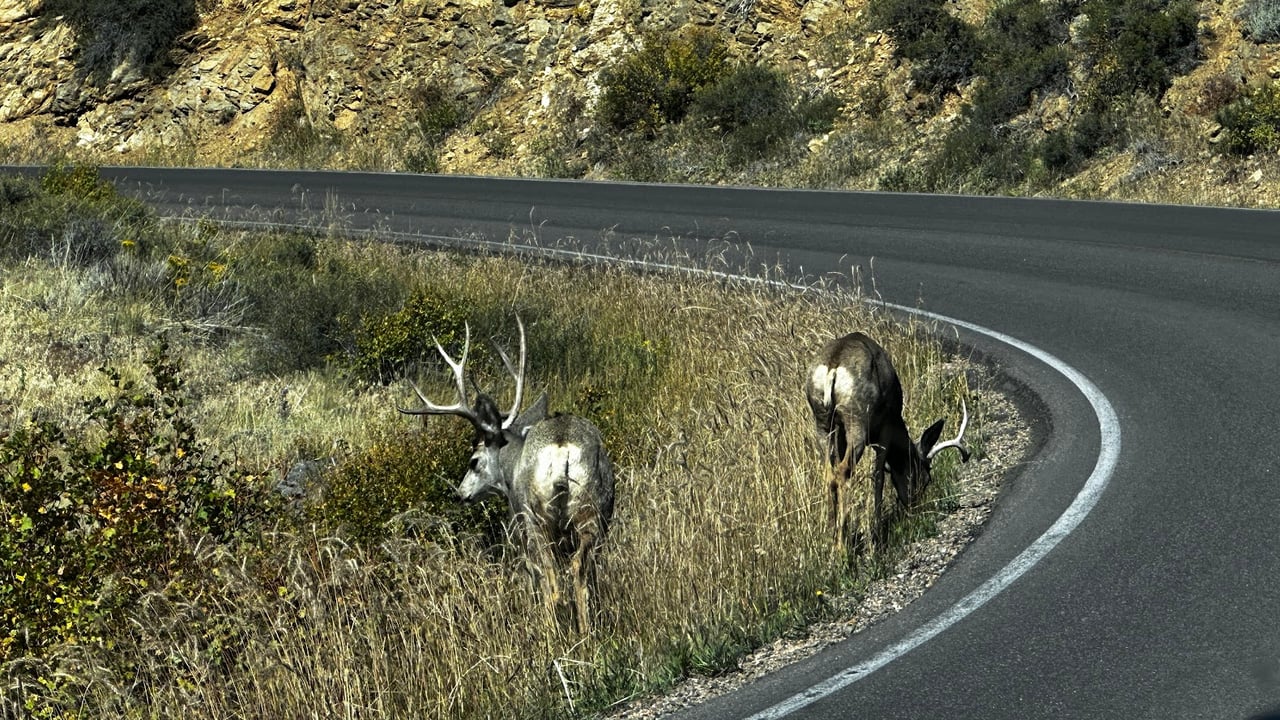
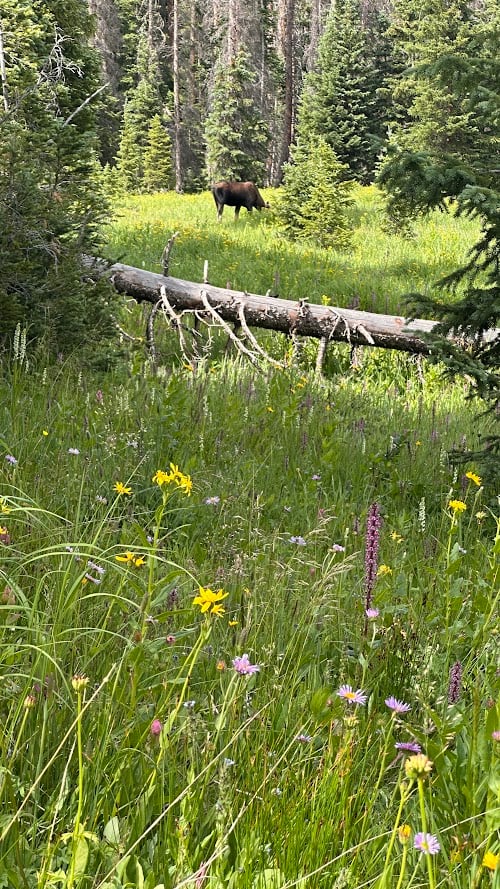
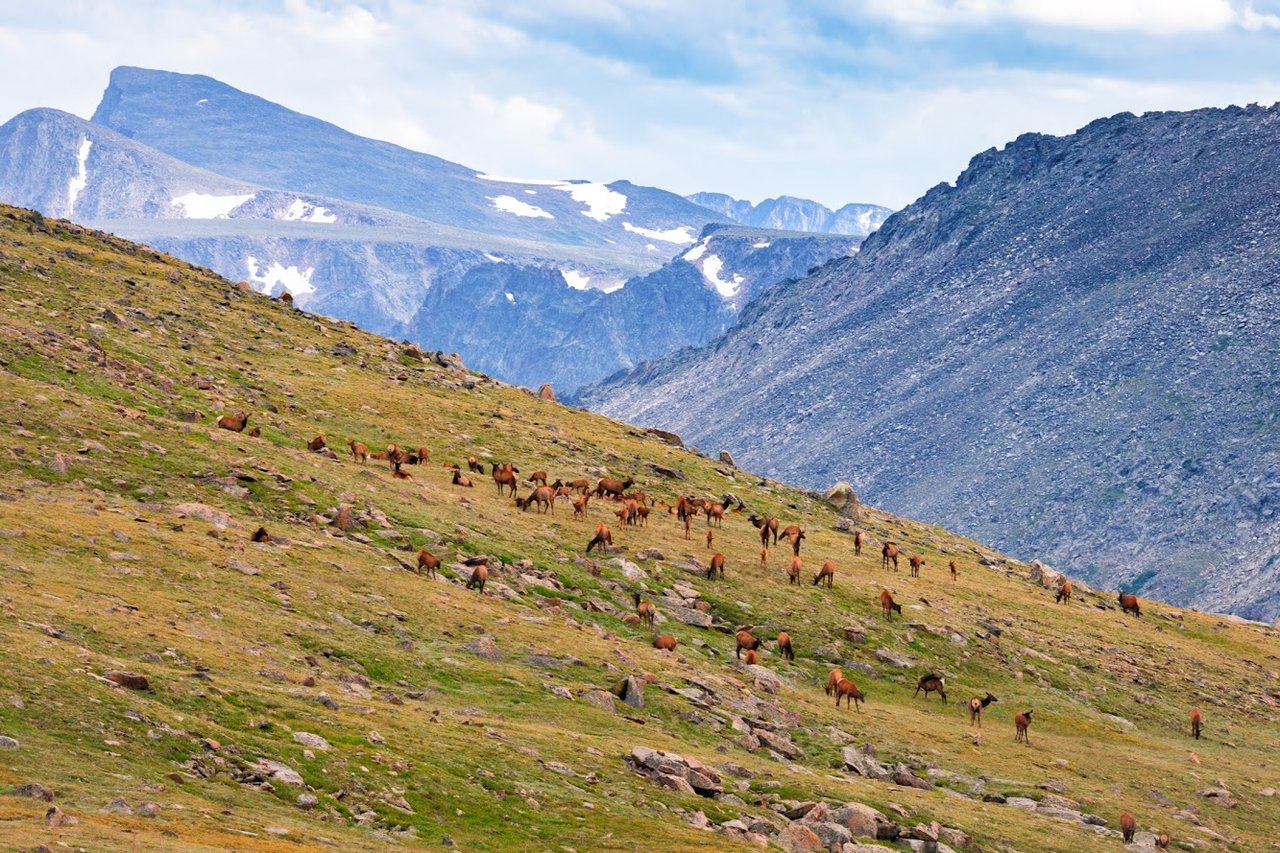
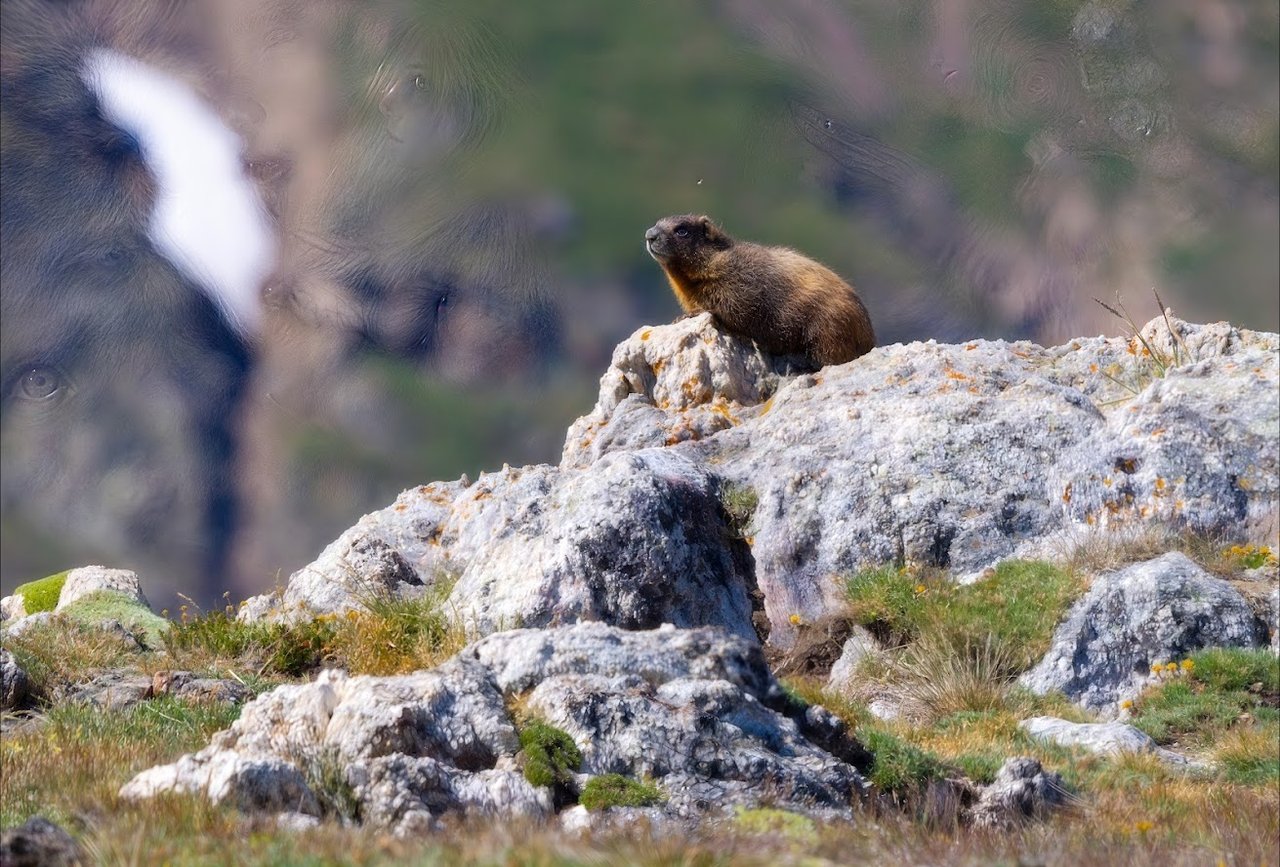
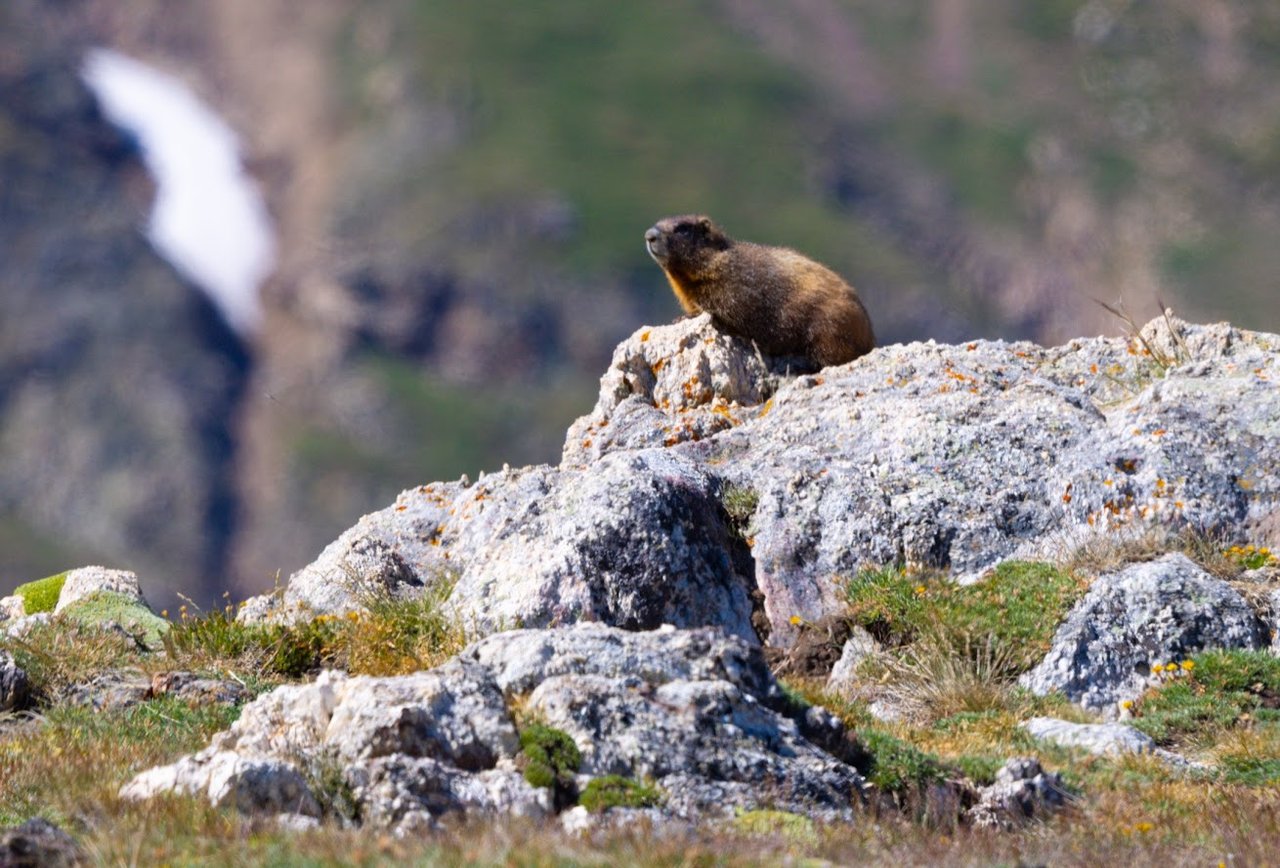
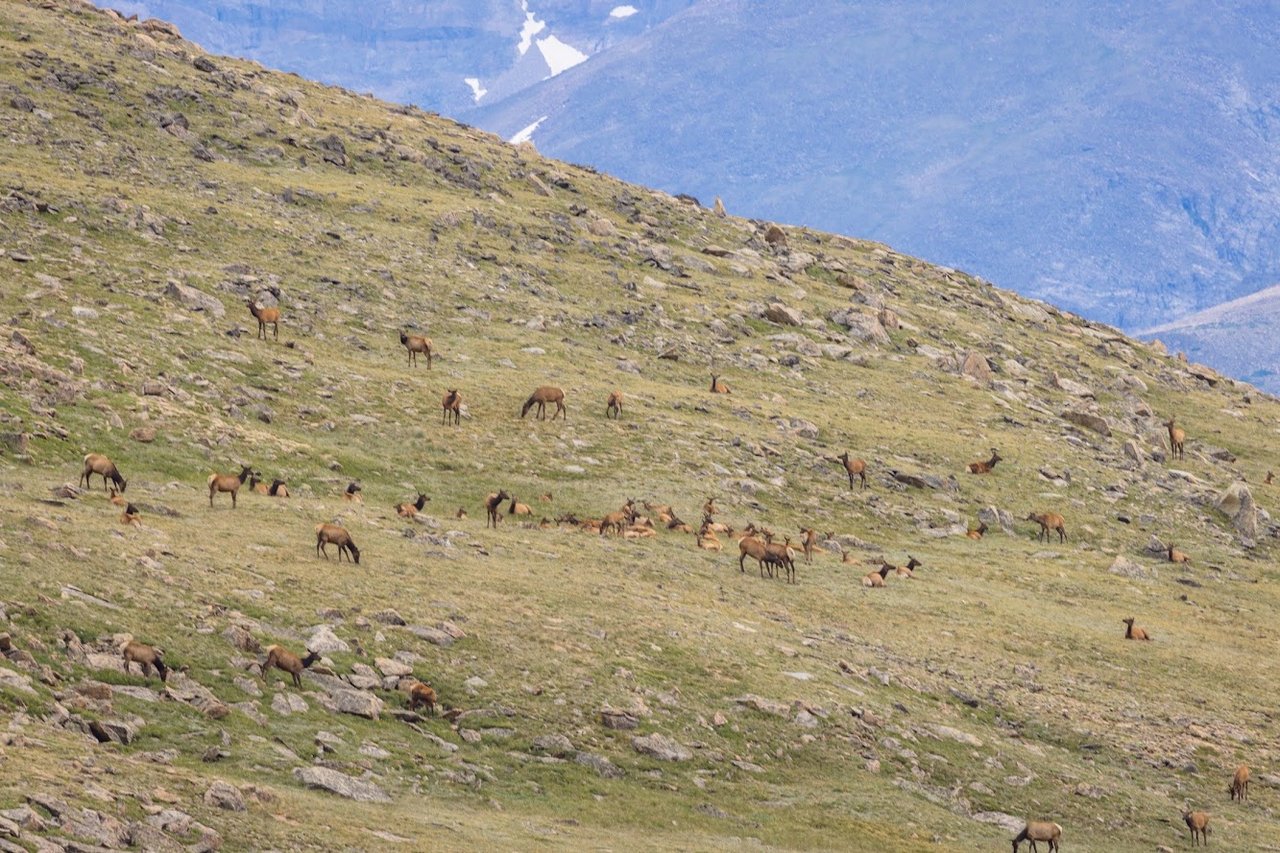
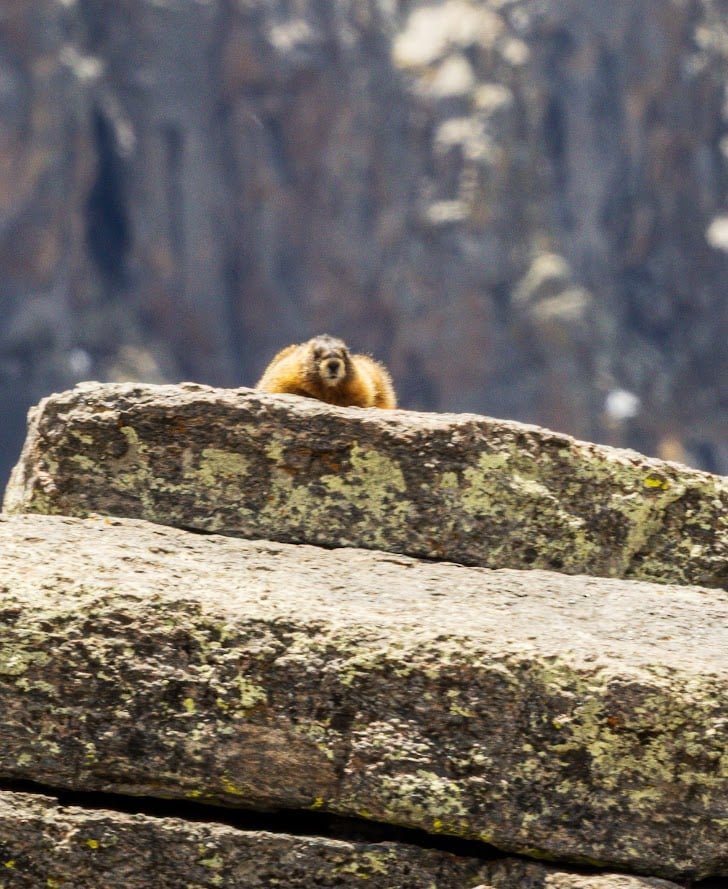
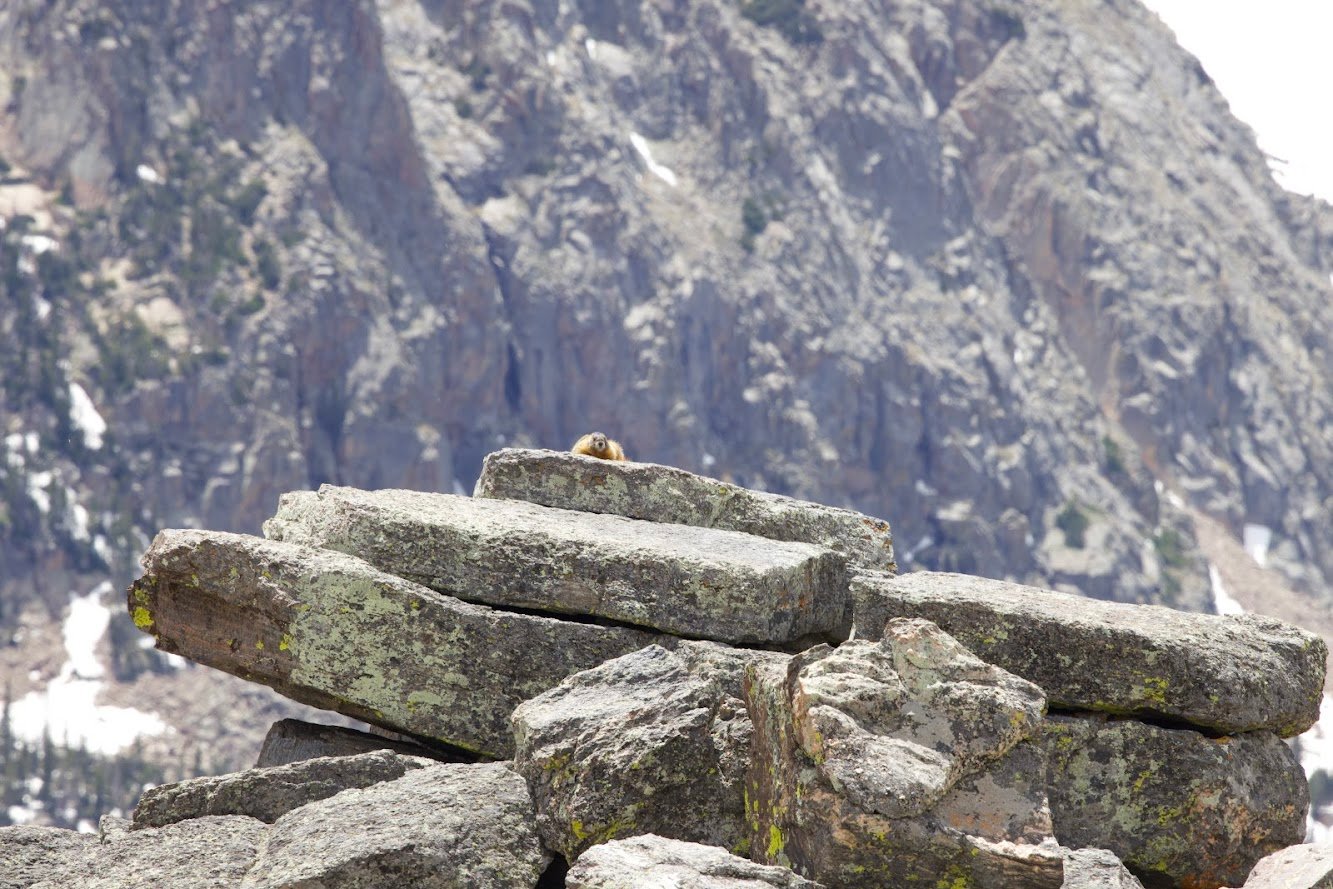
Scan the hillsides and you might spot elk moving like shadows through the valleys below. Look closer, and bighorn sheep navigate rocky cliffs with impossible balance. Marmots dart between stones, their high-pitched whistles cutting through the wind.
There’s a hum of resilience in this environment.
Everything that lives here has adapted to the cold, the wind, and the altitude. And watching it feels like witnessing survival in its purest form.
The Continental Divide: Standing on the Roof of a Continent
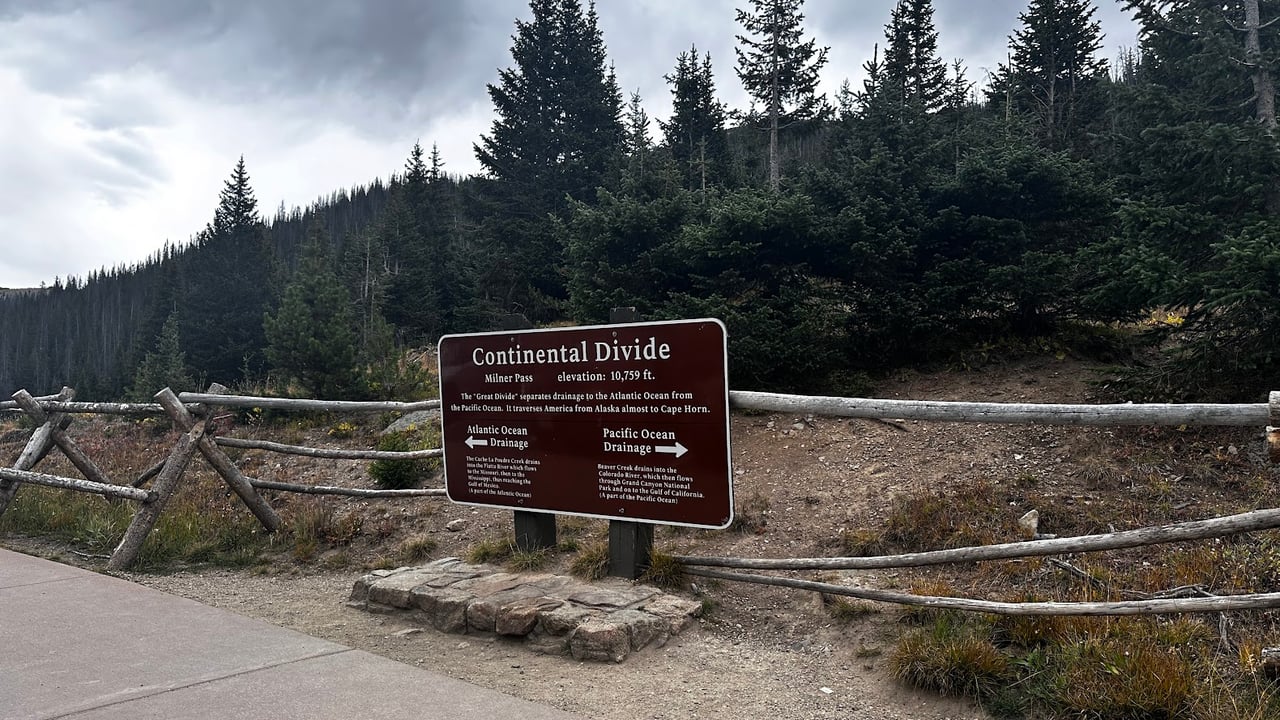
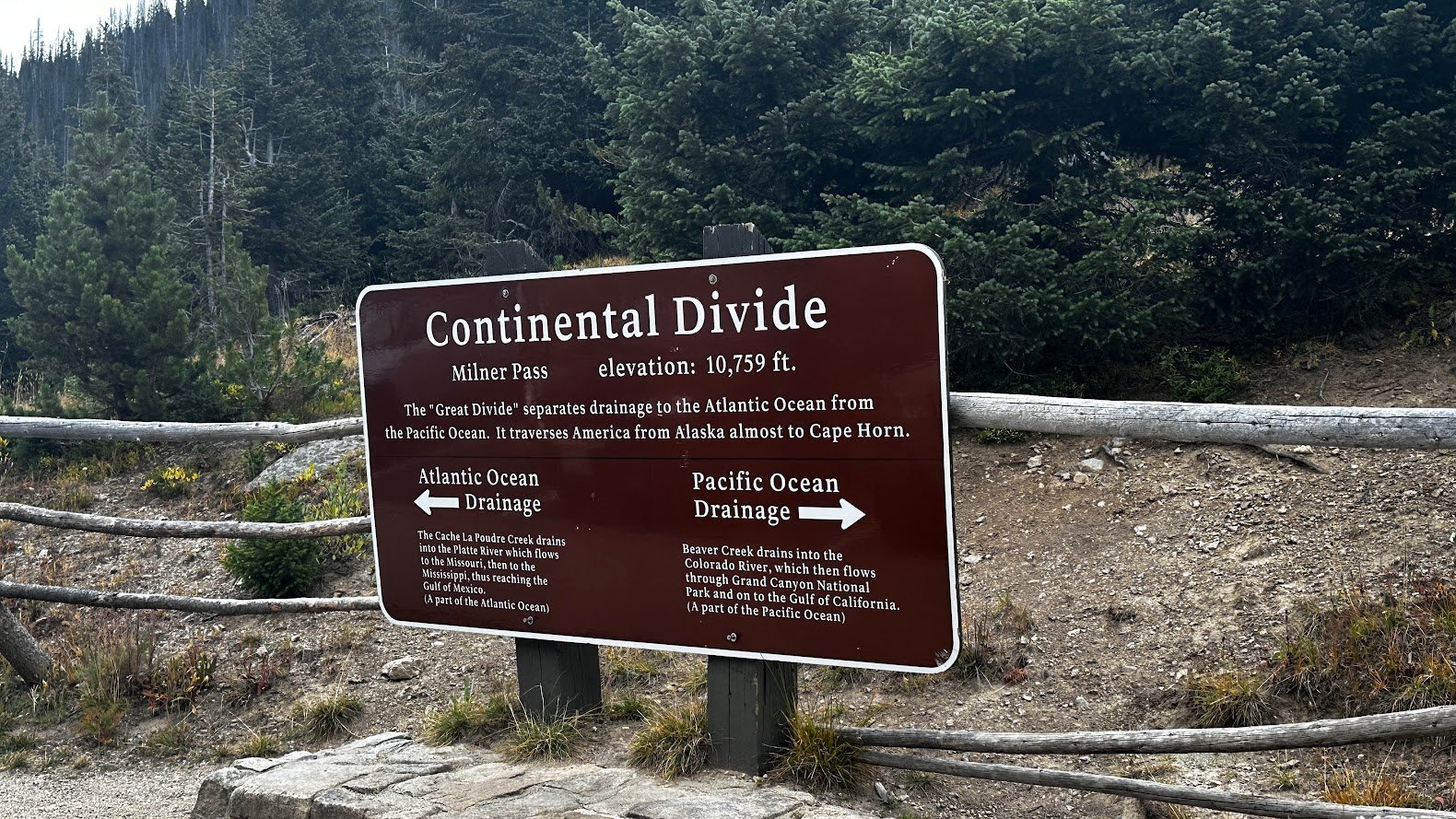
Somewhere along the drive, you cross the Continental Divide at Milner Pass, a quiet but powerful moment.
On one side, water flows toward the Pacific Ocean. On the other, it travels toward the Atlantic.
It’s a line you can stand on. A divide that shapes an entire continent.
And yet, it feels almost insignificant compared to the vastness surrounding it.
The Alpine Visitor Center: A Pause in the Sky
Near the top of the drive sits the Alpine Visitor Center, perched at nearly 12,000 feet.
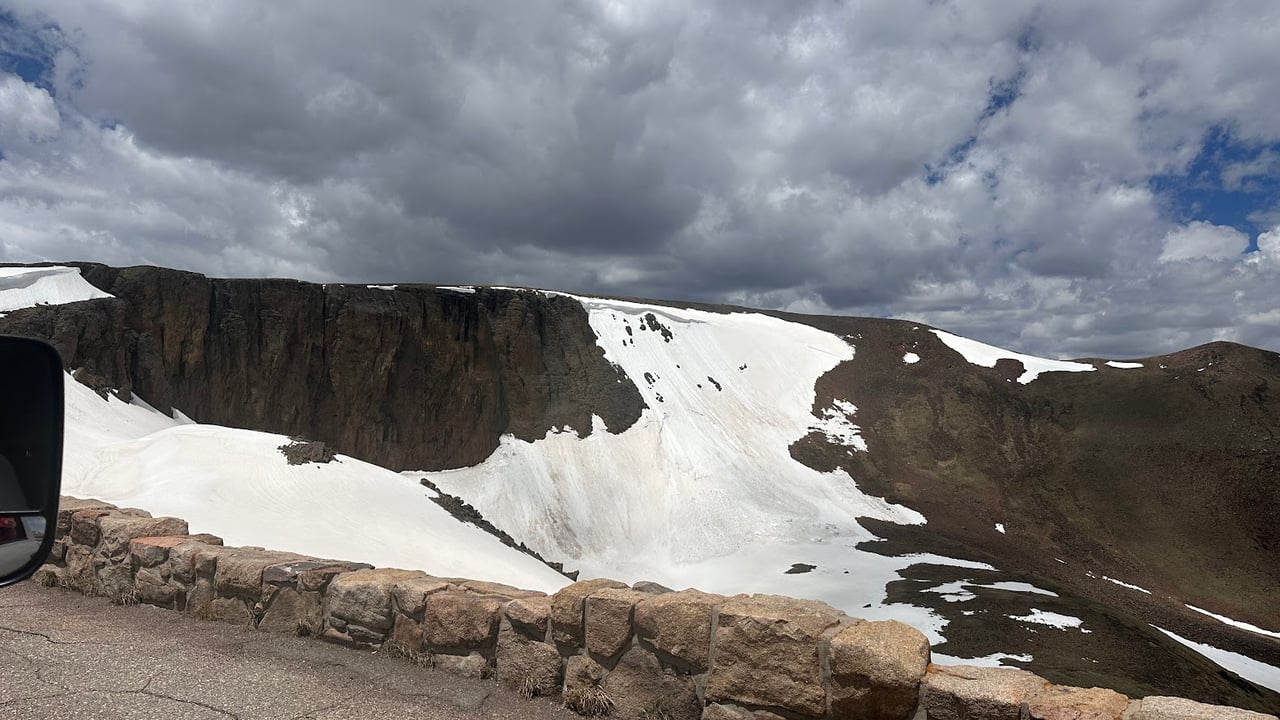
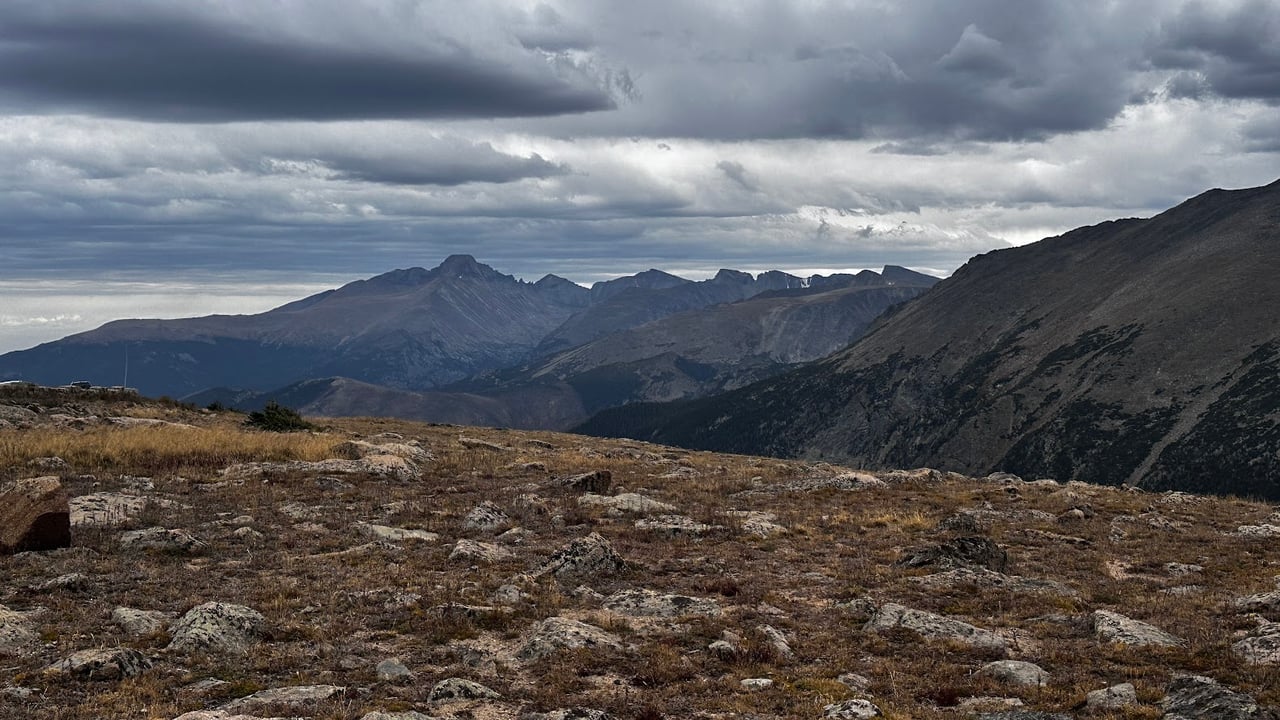
Step out here, and the air feels even thinner, the wind sharper. The views stretch endlessly, peaks layered in every direction, some still holding onto snow even in summer.
There’s a short trail nearby that climbs even higher.
Take it.
Slowly.
Each step feels heavier, but the reward is unmatched: a panoramic view that feels less like looking at the mountains and more like standing among them.
The Descent: Returning to Earth
Eventually, the road begins to descend toward Grand Lake.
The tundra fades. Trees reappear. The air thickens, warmer, richer. You catch the scent of earth again, damp soil, pine, life.
It feels almost strange.
Like re-entering a world you forgot existed.
Because for a while, up there, you weren’t just visiting the mountains, you were part of them.
Why This Drive Feels Different
Trail Ridge Road isn’t just about views, though it has plenty of those.
It’s about transition.
In just 48 miles, you move through multiple ecosystems, cross the Continental Divide, and experience an elevation that quite literally changes how your body and mind respond to the world.
Few places offer that kind of transformation in such a short span of time.
And maybe that’s why it sticks with you.
A Pink Realty Perspective: Why It Matters
Living in Colorado Springs means having access to experiences like this within a few hours’ drive.
It’s easy to take that for granted.
But Trail Ridge Road is a reminder of what makes Colorado different, not just the scenery, but the way it invites you to slow down, look closer, and feel something bigger than yourself.
This isn’t just a weekend trip.
It’s a reset button.
Final Thought: Don’t Rush It
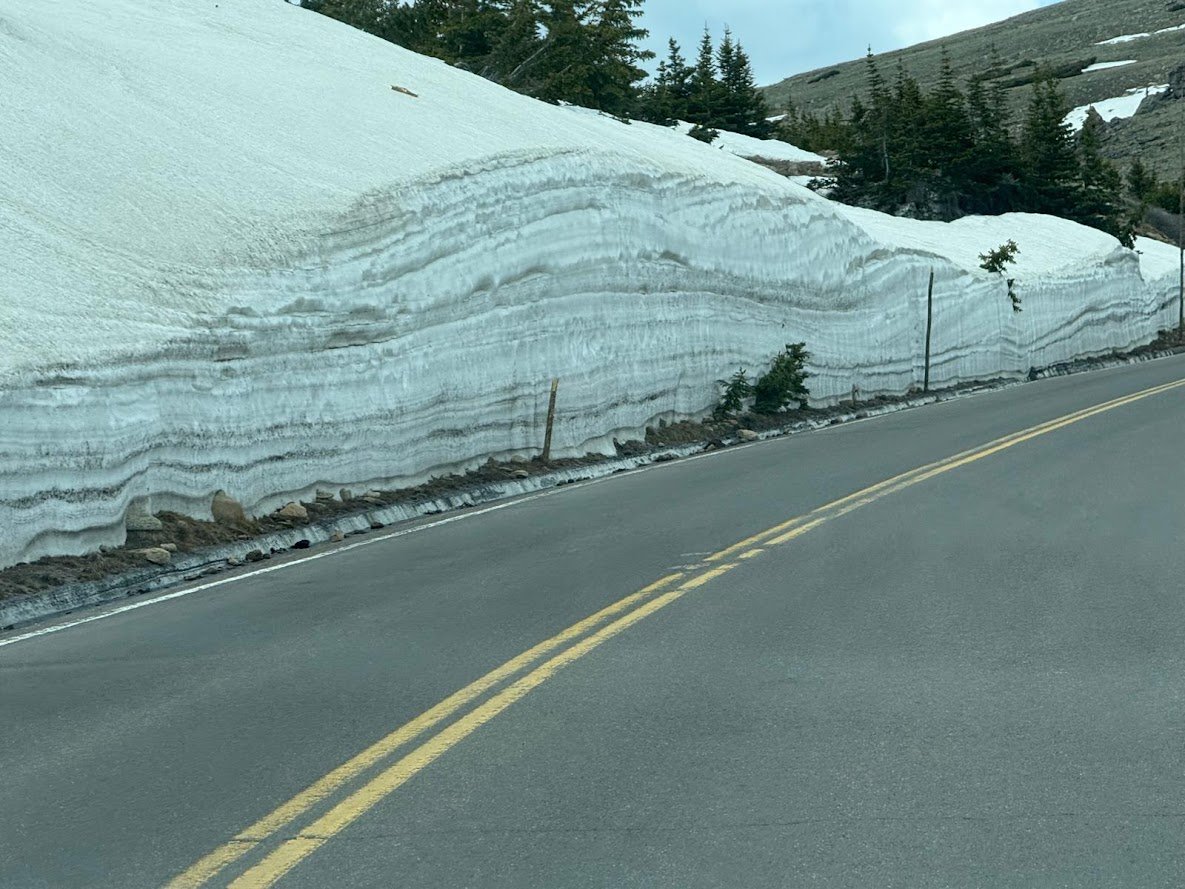
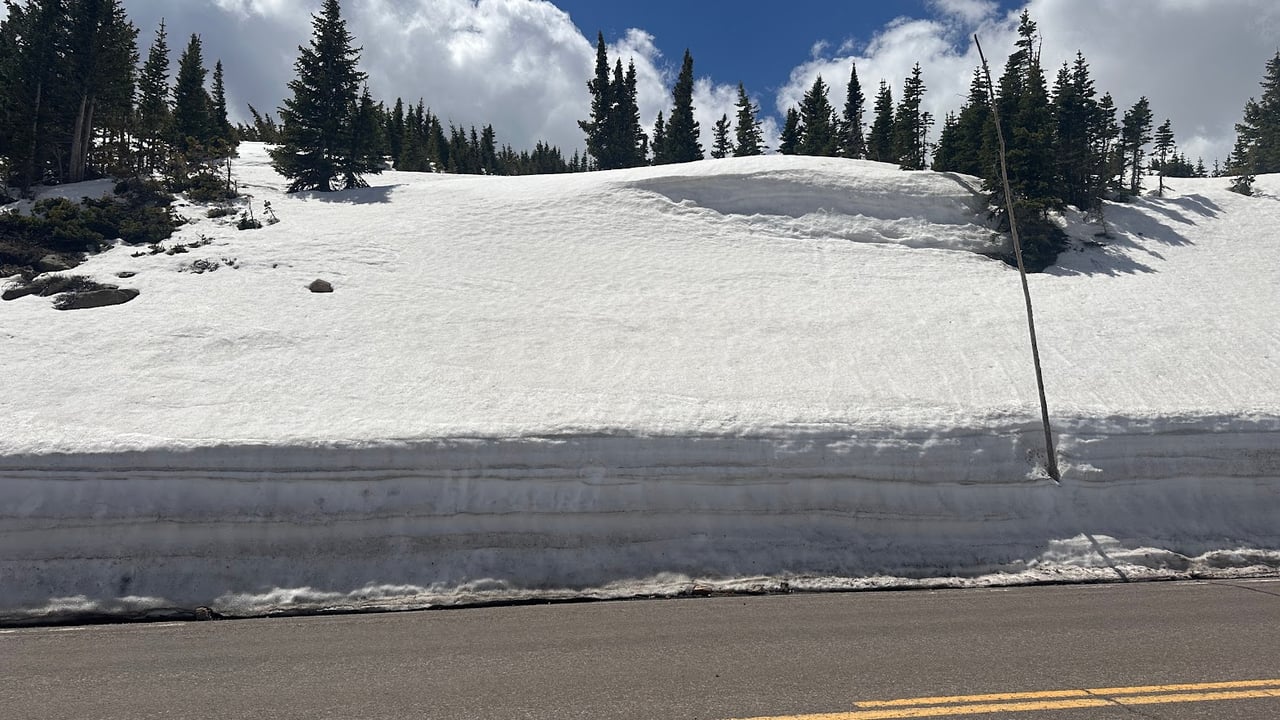
If you go and you should remember that Trail Ridge Road is typically only open from Memorial Day until the first heavy snowfall of winter, making the window to experience it feel even more special.
Don’t treat this like a drive to “get through.”
Pull over more than you think you need to. Step out. Breathe. Listen.
Because the real magic of Trail Ridge Road isn’t just what you see.
It’s what you feel when you realize—you’re standing over 12,000 feet above sea level, surrounded by nothing but sky, stone, and silence.
And for a moment…
That’s enough.