A home-searching checklist for Colorado Springs has to go past square footage and listing price, because the details that make a house livable here rarely show up on a spec sheet. At 6,035 feet, homeowners deal with sun angle, dry air, and temperature swings that buyers in Denver or Dallas never have to think about. Basements change how square footage gets counted and appraised. HOA covenants can dictate paint color and fencing before a homeowner plants a single shrub. Buyers who check window orientation, garage size, HVAC type, and defensible space before writing an offer end up with fewer surprises after closing.
Key Takeaways
- Basements often aren't counted the same way in advertised square footage, which affects both livability and appraisal.
- South- and west-facing windows bring strong winter light but more UV fading and summer cooling load at this elevation.
- HOA and Architectural Control Committee covenants can govern paint, fencing, xeriscaping, and RV parking, so they're worth reading before falling for a house.
- Homes near Black Forest, Cedar Heights, and the western edge of town need a real look at defensible space and roofing material, not just curb appeal.
- Garage size, RV parking, and lot orientation toward Pikes Peak all carry a real premium in this market.
Why Square Footage Numbers Don't Tell the Whole Story Here
Listed square footage in Colorado Springs often hides more than it reveals, because so many homes here include basements that get counted, or left out, inconsistently. A house advertised at 2,400 square feet might include a finished basement, or it might reflect only the above-grade floors with the basement noted separately in the disclosures. Buyers should ask directly whether the quoted number includes below-grade space, since that single question affects both how the home lives day to day and how it appraises at closing.
Walkout Basements on Sloped Lots
Many Colorado Springs properties sit on lots with enough grade change to allow a walkout basement, where the lower level opens directly to the backyard instead of relying on window wells. That layout turns a basement into real living space rather than a storage afterthought, but it only works on the right lot. Buyers touring a home with a walkout should confirm the grading actually delivers usable outdoor access, not just a door that opens onto a retaining wall.
Local Tip: Ask the listing agent for the assessor or appraisal record's breakdown of above-grade versus below-grade square footage. The number on the flyer and the number a lender's appraiser uses aren't always the same.
Sun Exposure and Window Orientation at 6,035 Feet
Colorado Springs sits high enough, and dry enough, that sun exposure affects how a house performs more than it does in most other markets. A living room with south-facing or west-facing glass pulls in strong light through the winter, which cuts heating costs and keeps rooms bright. That same exposure works against a homeowner in July, driving up afternoon cooling load and fading rugs, floors, and furniture faster than a more humid climate would.
Ask About Glazing and Window Treatments Before Assuming
Buyers touring a home with large south- or west-facing windows should ask what kind of glass is installed and whether the existing blinds, shades, or awnings do enough to manage heat gain and UV exposure. Low-e glazing helps considerably at this elevation, and a home without it may need window treatments added soon after move-in. It's a five-minute question during a showing that can save a homeowner a real expense later.
Does the HVAC System Actually Match Colorado's Climate?
Not every Colorado Springs home has central air conditioning, and buyers shouldn't assume it does just because a listing stays quiet on heating and cooling. The swing between hot, dry summer afternoons and cold winter nights at this altitude puts real demands on a home's HVAC system, and older homes here were often built with evaporative cooling instead of refrigerant-based air conditioning.
Evaporative Cooling Works Differently in a Dry Climate
An evaporative cooler, often called a swamp cooler, cools by pulling dry outside air through wet pads, and it performs well in Colorado Springs precisely because the air is so dry. It behaves nothing like the humid-climate systems many out-of-state buyers picture when they hear the term, and it needs open windows to work, unlike central air. Buyers relocating from more humid states should ask directly what system a home actually has installed, so they know what to expect on a 95-degree August afternoon.
Main Takeaway: A home's HVAC setup at 6,035 feet deserves a direct question, not an assumption, since central air, evaporative cooling, and no cooling system at all are all common here.
Outdoor Living Space as a Year-Round Asset
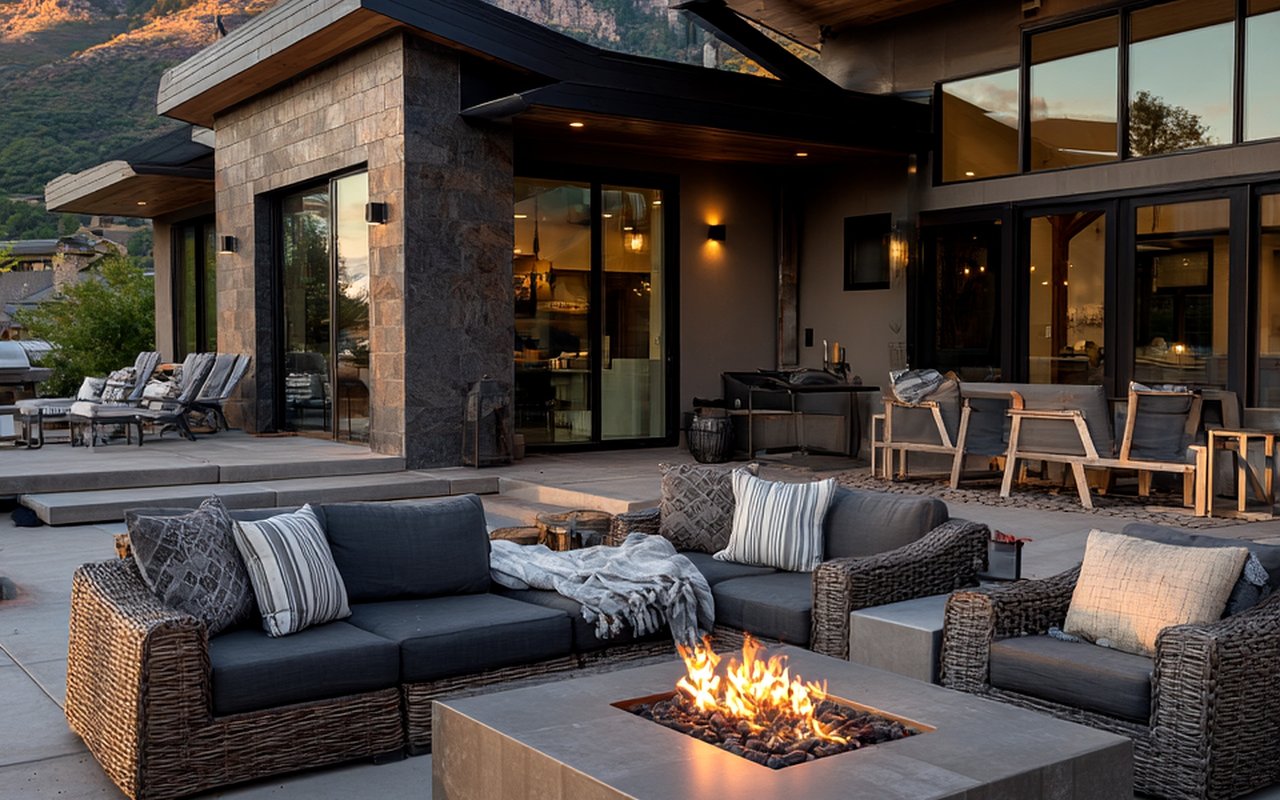
A patio, deck, or covered porch in Colorado Springs earns its keep across most of the year, not just in summer. With roughly 300 days of sunshine annually, outdoor space gets used well into fall and even on mild winter afternoons, which makes it worth weighing as seriously as any interior room. Buyers should walk the yard at the time of day they'd actually use it, checking sun exposure, wind exposure, and whether the existing irrigation reaches the areas they'd want to plant or maintain.
Homeowners planning any changes to that outdoor space, from a xeriscaped bed to a new fence line, should look into what's realistic for the lot before closing. Pink Realty's guide to landscaping a new Colorado Springs home walks through water-wise plantings and layout choices that hold up in this climate.
HOA and Architectural Control Covenants Worth Reading Early
Plenty of Colorado Springs neighborhoods sit inside a homeowners association or an Architectural Control Committee, and those covenants can govern far more than most buyers expect. Paint colors, fencing style and height, xeriscaping choices, and even whether an RV or trailer can park in the driveway are all commonly regulated. A buyer who falls for a house before reading its covenants risks learning after closing that the camper they own has nowhere to legally sit.
Requesting the HOA or ACC documents during the due diligence period, rather than after signing a contract, lets buyers confirm the property fits how they actually plan to live. This matters as much for landscaping plans as it does for parking, so anyone weighing a xeriscape conversion should check the covenant language before assuming it's allowed.
Wildfire-Wise Construction Near the Foothills
Homes in and around Colorado Springs' forested foothills carry wildfire considerations that buyers in most other parts of the country never have to weigh. Areas like Black Forest, Cedar Heights, and the western edge of town back directly up to pine stands and scrub oak, and that proximity to open space and tree cover changes what belongs on a due diligence checklist.
Defensible Space and Roofing Material
Buyers looking at a property near tree cover should ask about defensible space, the maintained buffer between vegetation and the structure, and about the roof's material. A fire-rated roof and a well-kept defensible space zone both affect insurability and, in some cases, insurance cost, so they're worth confirming before falling for a wooded lot. This isn't a boilerplate line item in Colorado Springs. It's a real factor in what a home costs to insure and how safely it sits against its surroundings.
Storage for a Gear-Heavy Colorado Lifestyle
Storage space matters more in Colorado Springs than it does in a lot of markets, because so many residents own ski and bike equipment along with camping gear that a standard two-car garage can't hold. A garage built for a third vehicle, or a dedicated RV pad, gives a household room for equipment that would otherwise crowd a driveway or cost extra for offsite storage.
Buyers who ski, ride, or camp regularly should treat garage size and RV parking as functional requirements on their checklist, not upgrades. A three-car garage or a legal RV pad carries a real premium in this market, and that premium reflects genuine demand rather than a marketing add-on.
Do Views of Pikes Peak Actually Affect a Home's Value?
Yes. Lot orientation toward Pikes Peak or the Front Range affects both day-to-day livability and resale value in this market. A home whose main living areas face the mountains tends to hold buyer interest longer and can command a stronger price than an identical floor plan facing a neighbor's fence line. Buyers should walk a property at different points in the day to judge which rooms actually deliver a usable view, rather than relying on a single listing photo.
For a deeper look at what makes a view lot valuable in this market, Pink Realty's post on finding a home with amazing views in Colorado Springs breaks down which corridors and elevations tend to hold their value best.
Market Timing and Negotiating Leverage in 2026
Where a buyer stands on negotiating leverage in Colorado Springs shifts throughout the year and across price bands, so timing belongs on any serious checklist. Inventory and interest rates set the baseline for how much room there is to negotiate, and how many other buyers are chasing the same listing determines the rest. Pink Realty's rundown of real estate trends in Colorado Springs breaks down current conditions in more depth.
Buyers working through their first purchase in this market, or their first purchase after a long gap away from it, often benefit from a fuller resource than a single checklist. Pink Realty's buyers guide covers financing and offer strategy alongside the local factors covered here.
Square footage is a starting point in Colorado Springs, not the whole picture. Buyers who look past it, at basements, sun angle, HVAC type, HOA covenants, wildfire exposure, storage, and view corridors, tend to land in homes that fit how they actually live. Those exploring Colorado Springs homes for sale with these factors in mind are better positioned to move quickly once the right one comes up. Pink Realty, led by Monica Breckenridge and Russ Breckenridge, works with buyers across Colorado Springs, Parker, Pueblo West, Falcon, Fountain, Monument, and the Denver metro, and welcomes a conversation about what matters most in a search.