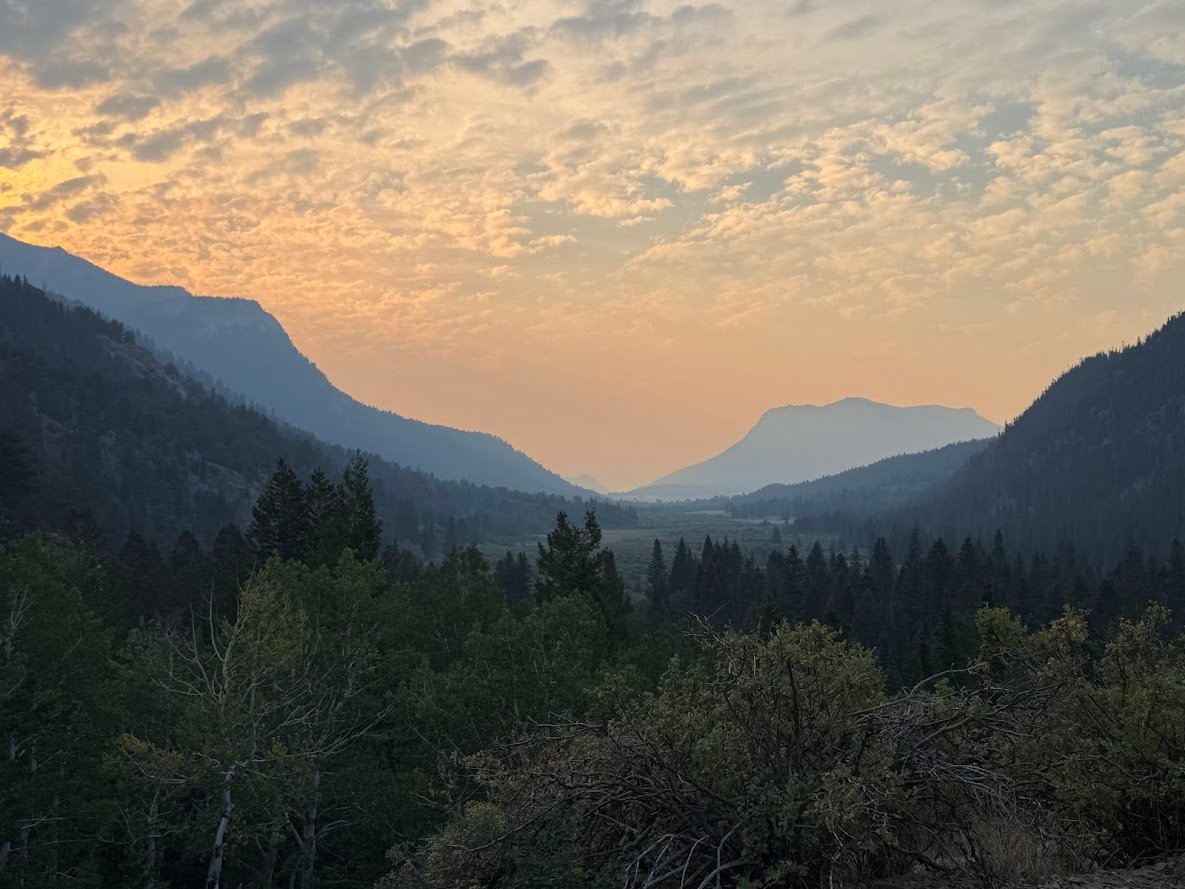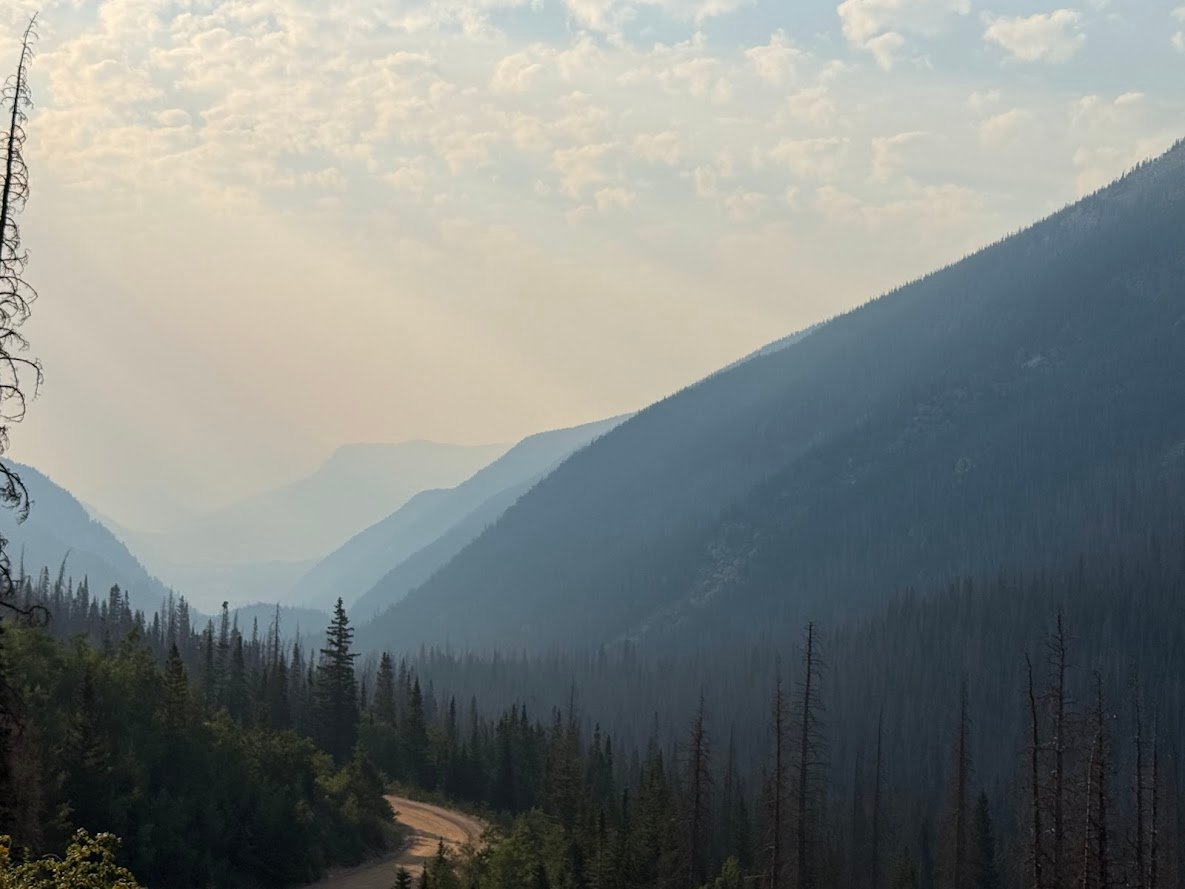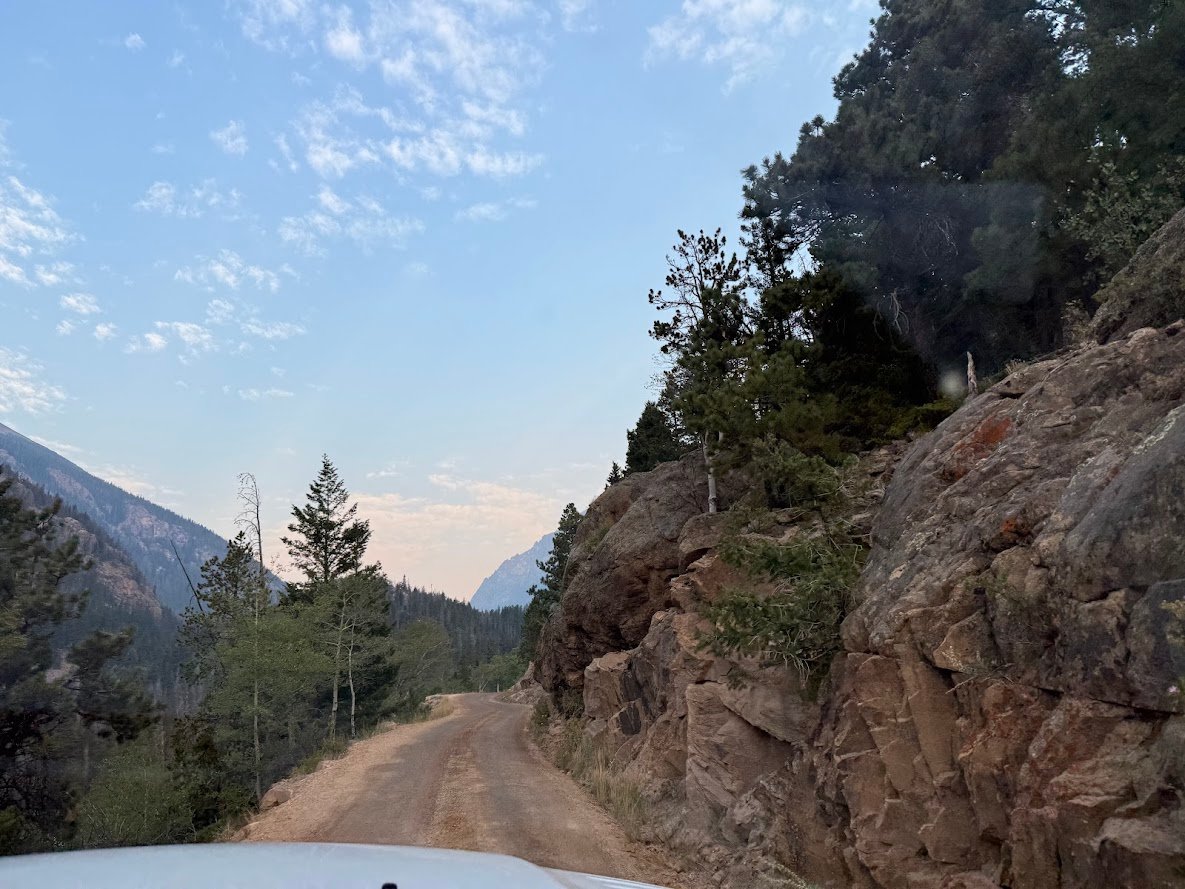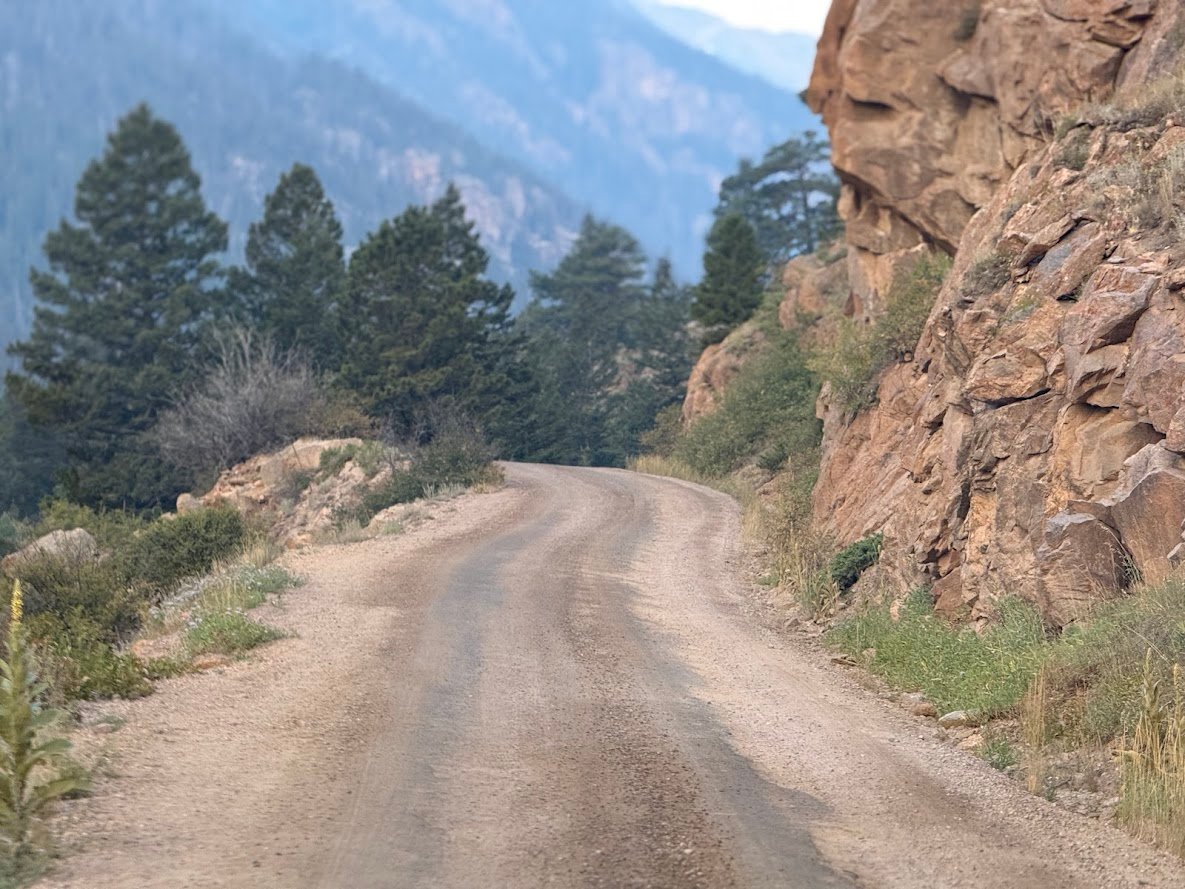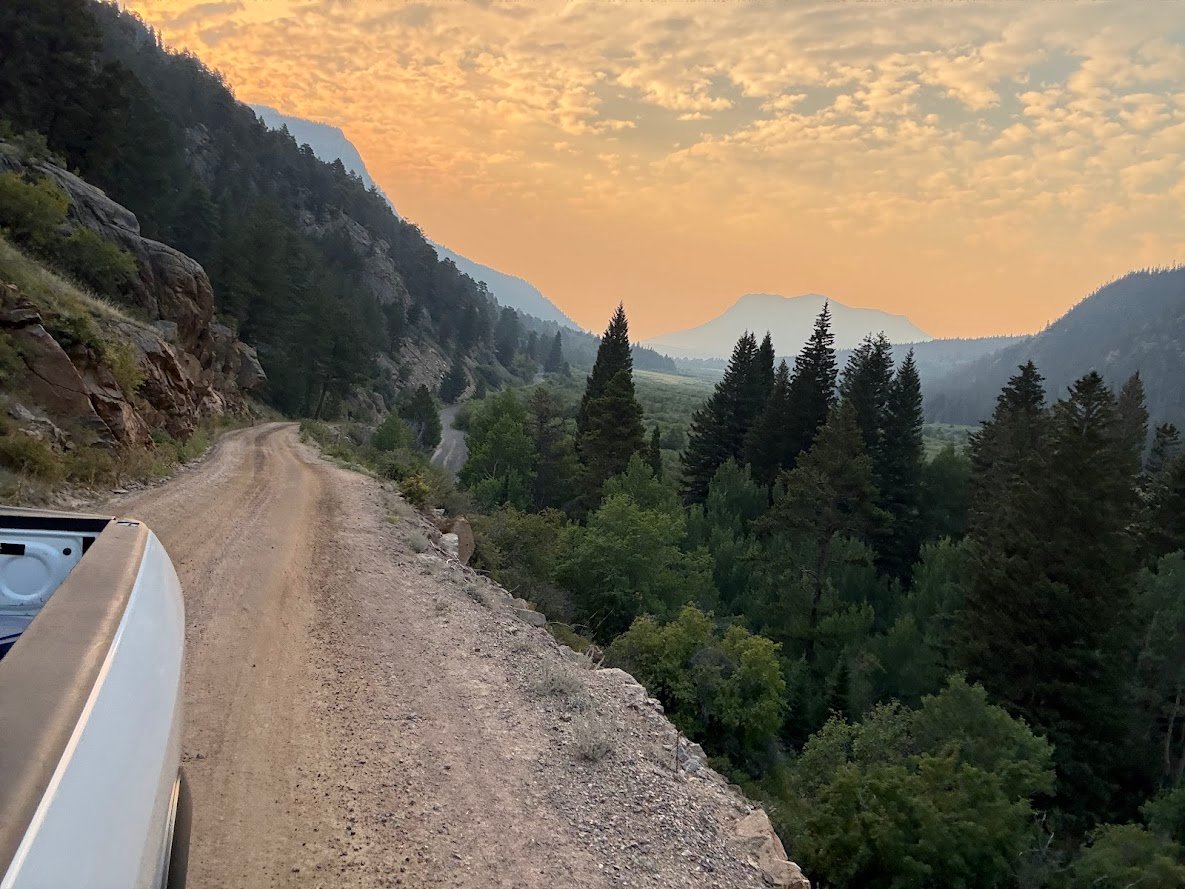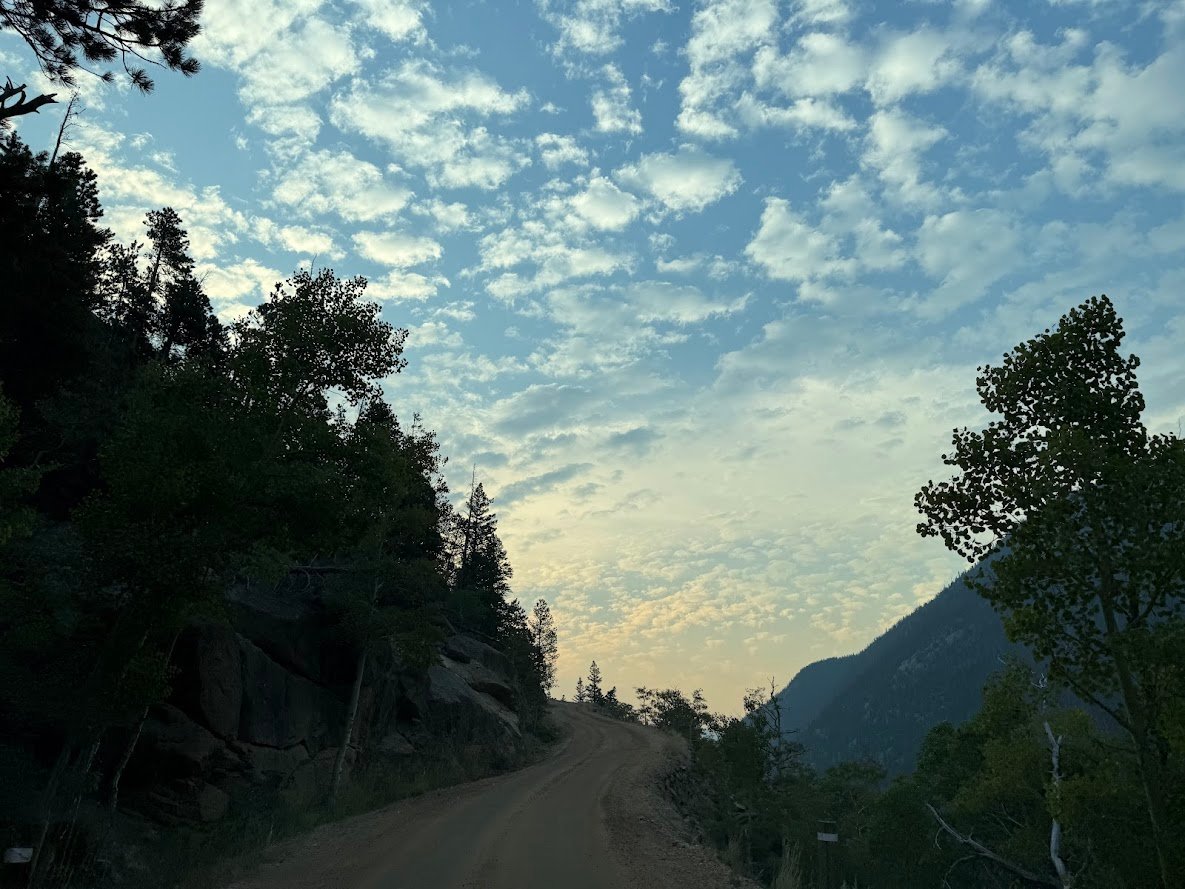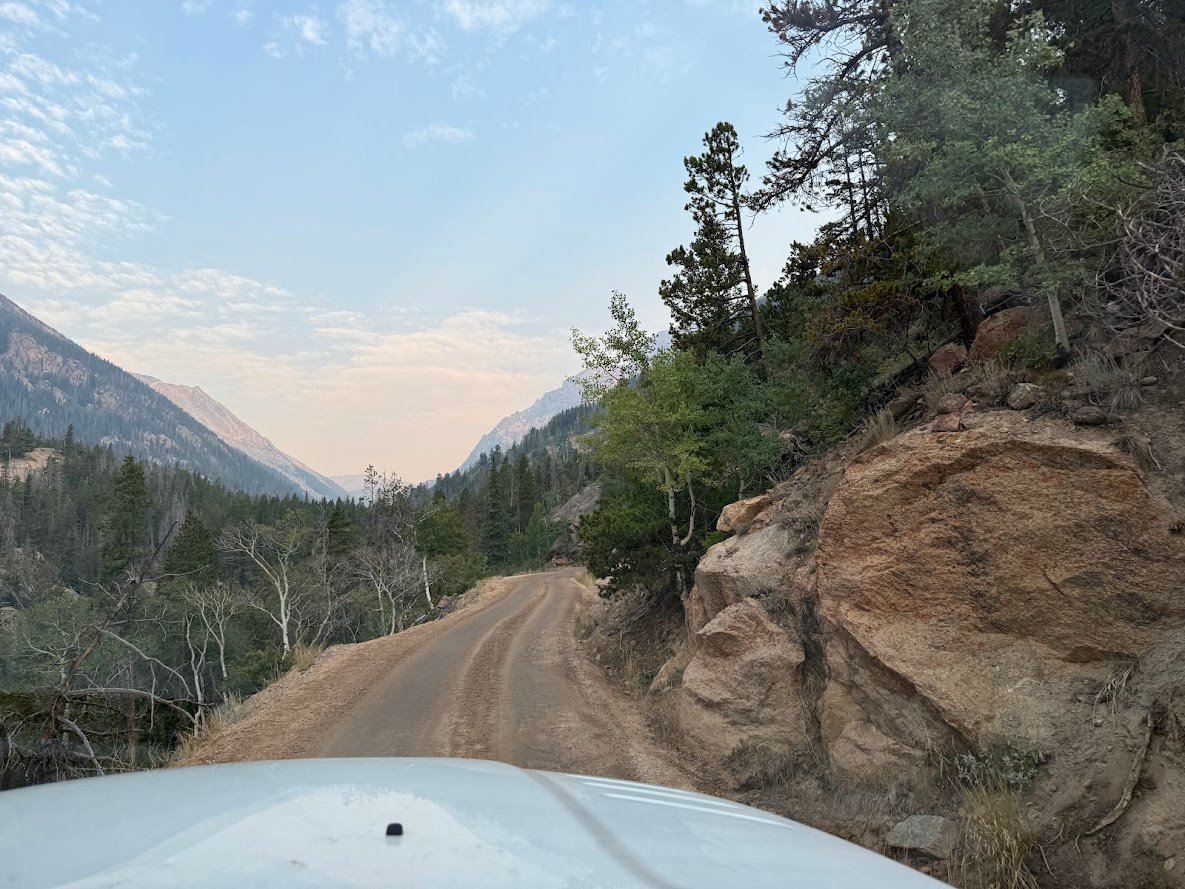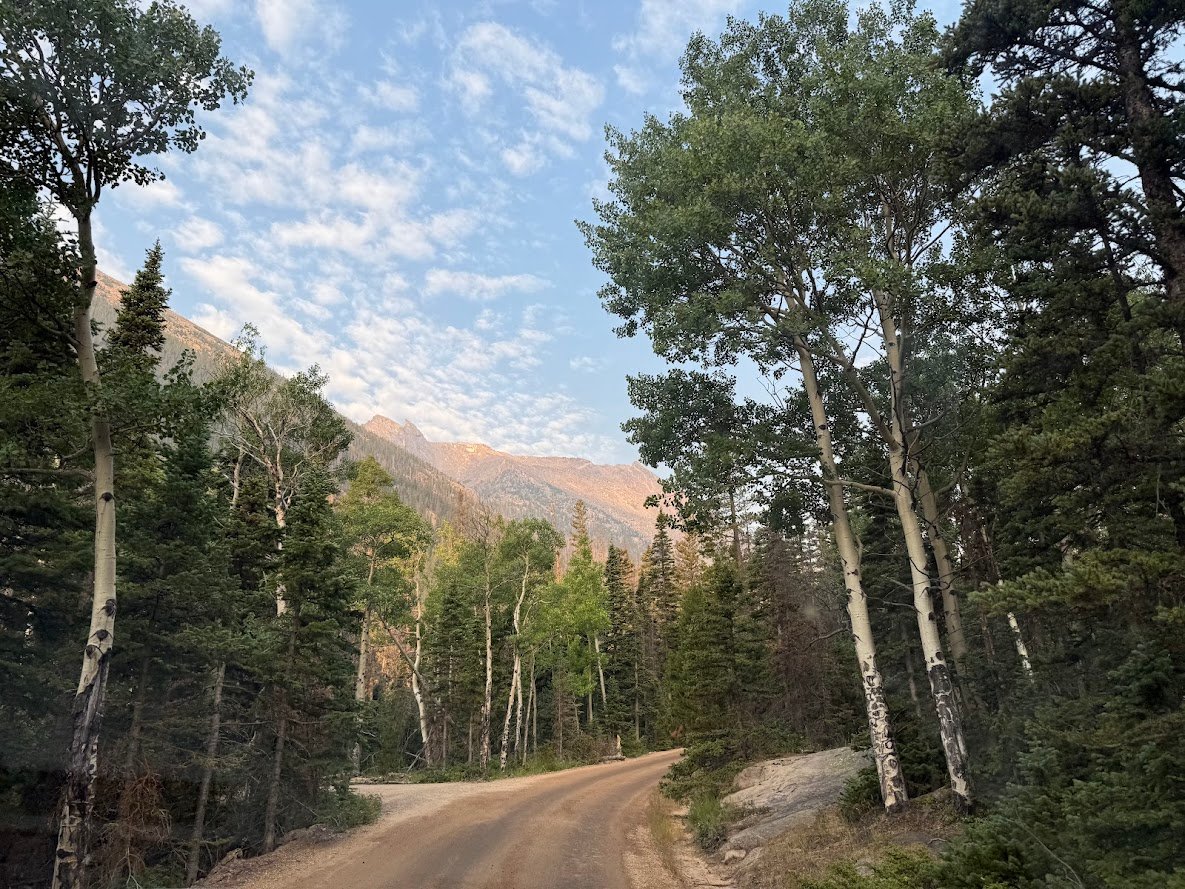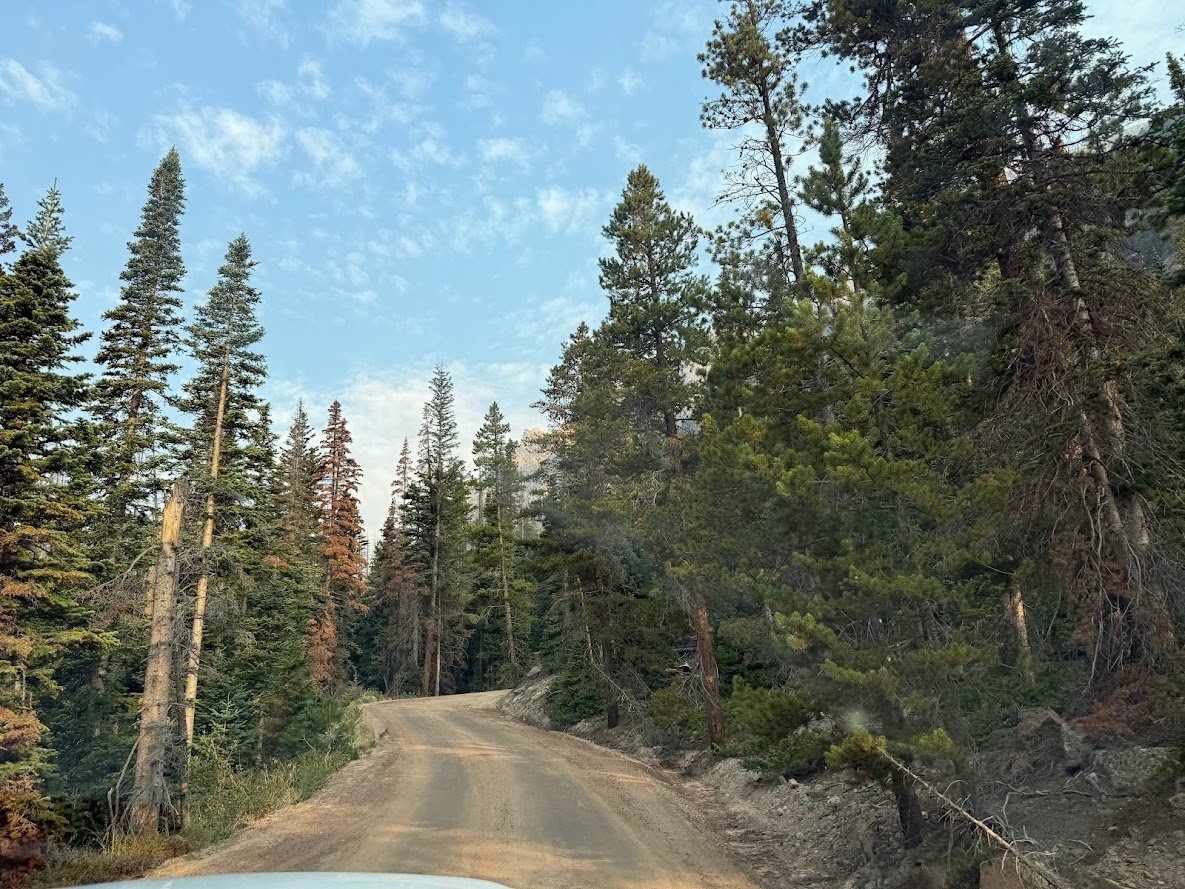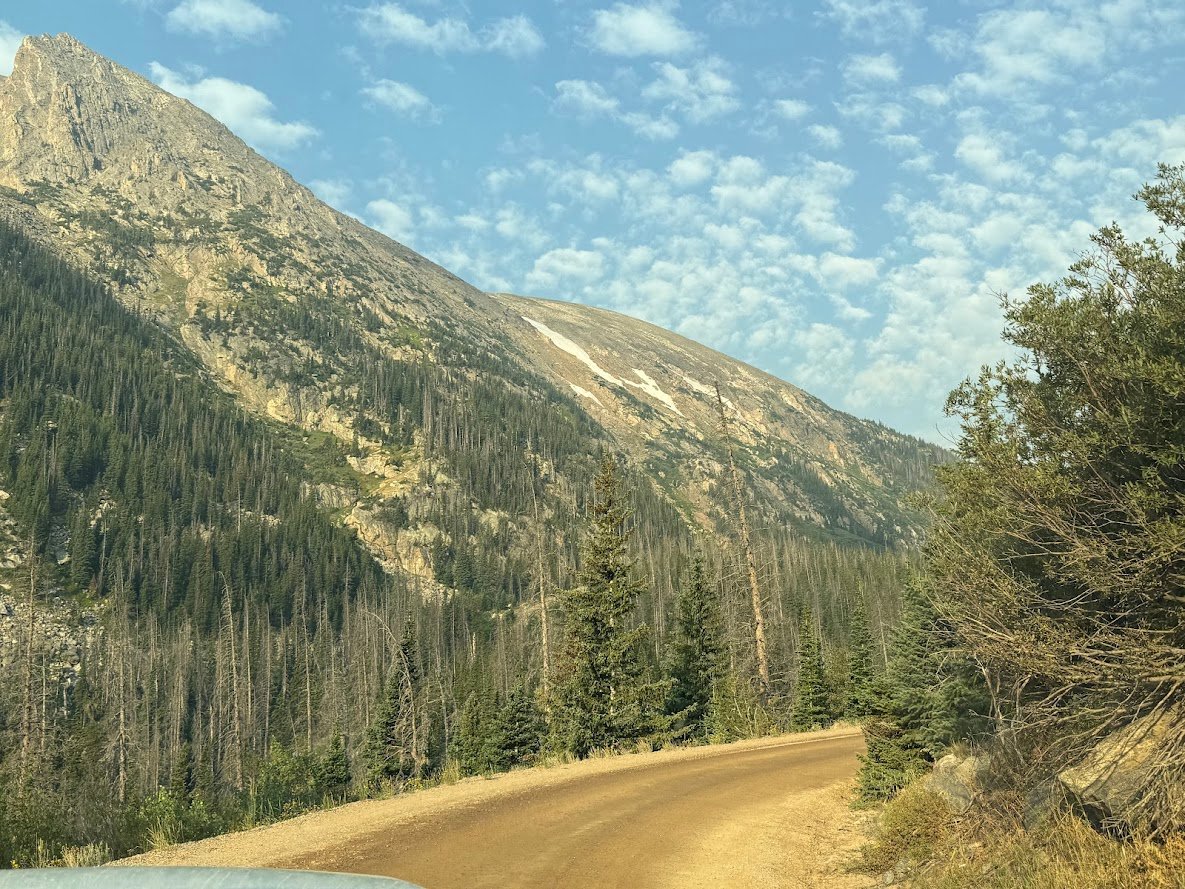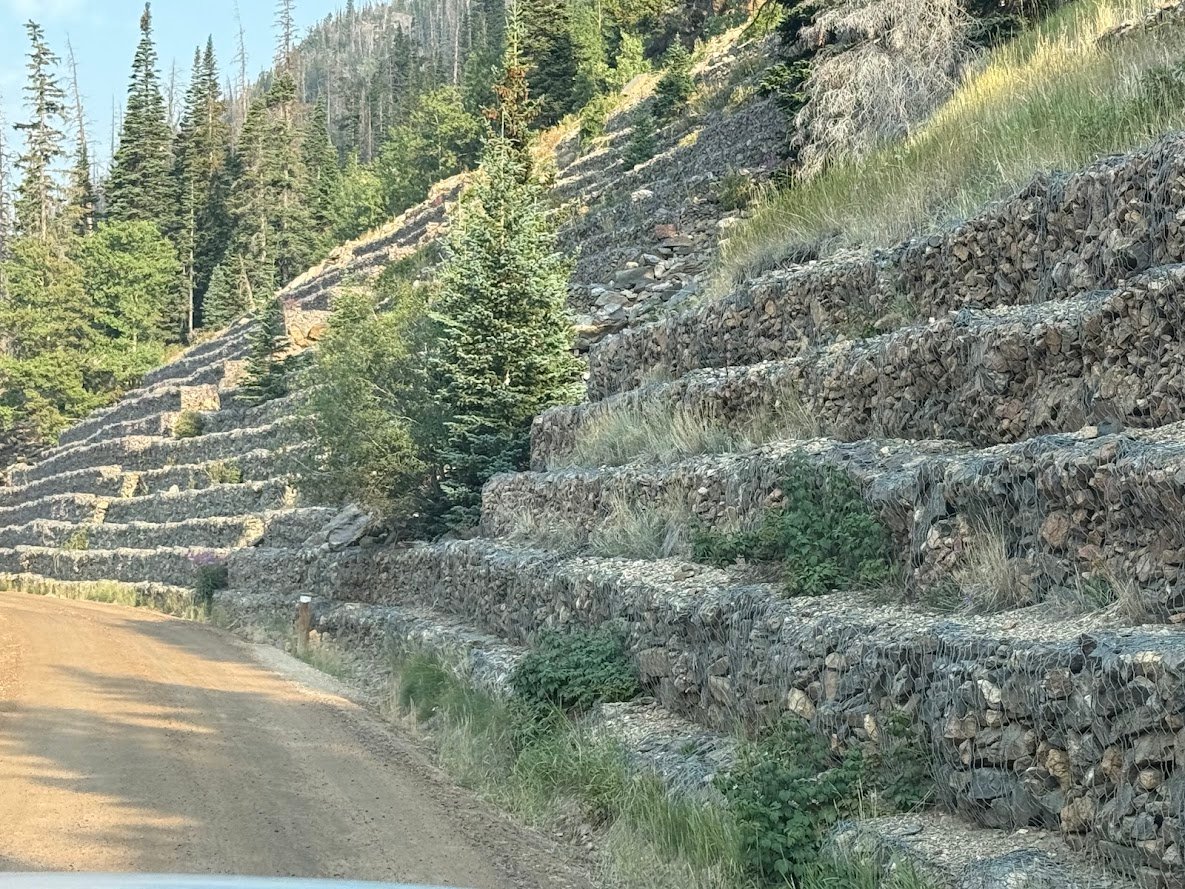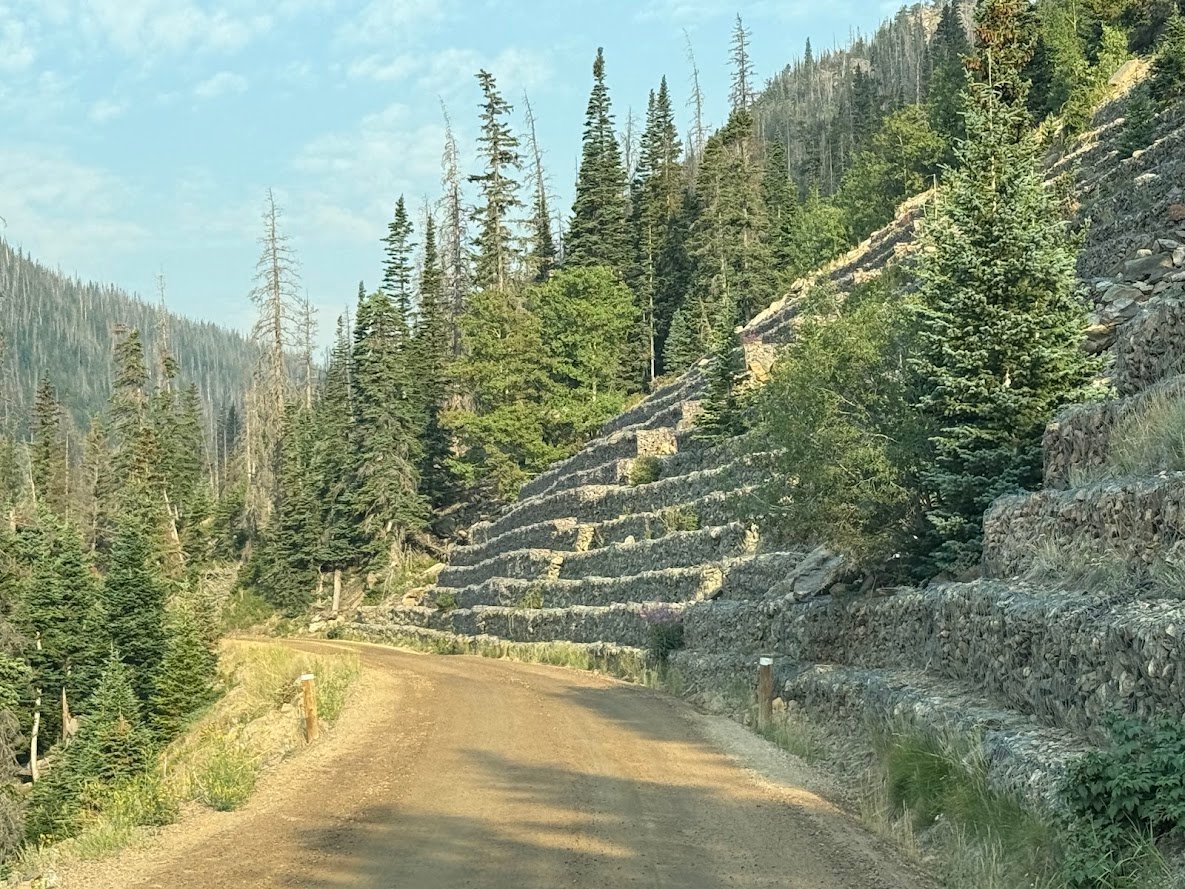
If you’ve never driven Old Fall River Road in Rocky Mountain National Park, let me set the scene for you: this isn’t just a road, it’s a slow, dusty, slightly wild conversation with the mountains themselves. No guardrails in most places, no rush, and definitely no autopilot. This is Colorado the way it used to be raw, winding, and unapologetically breathtaking.
And if you’re coming up from Estes Park, you’ll feel it almost immediately. The air sharpens. The scent shifts. The world gets quieter but somehow more alive.
Let’s take a drive.
The First Breath: Pine, Dust, and Possibility
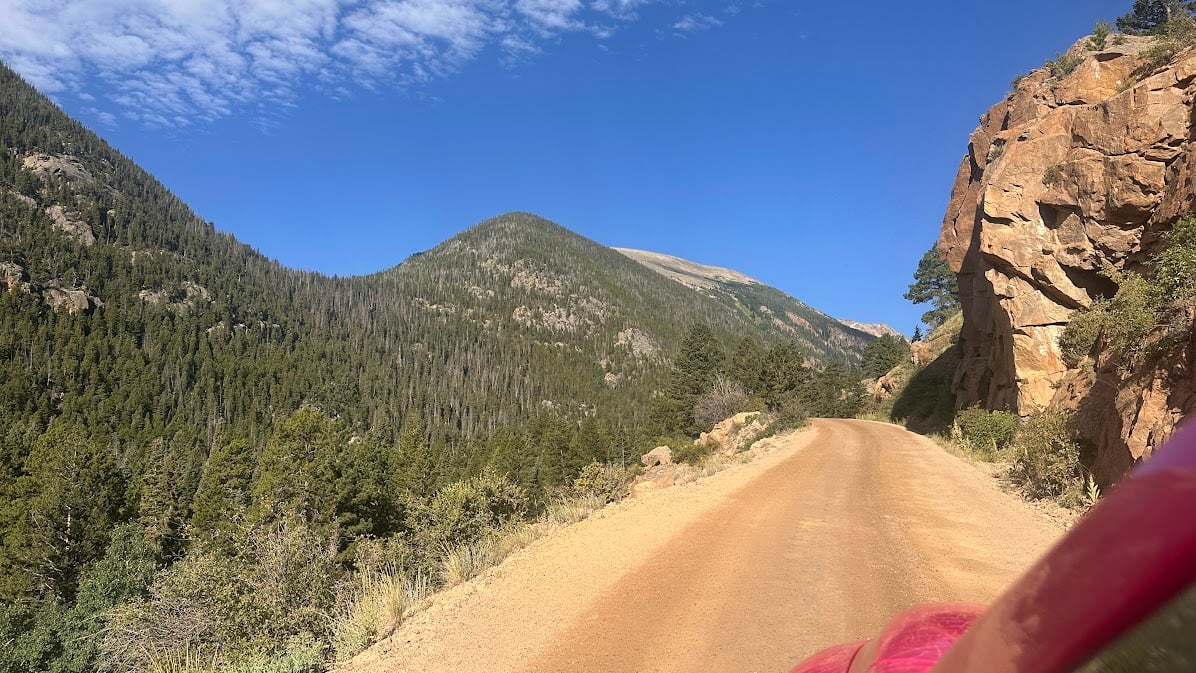
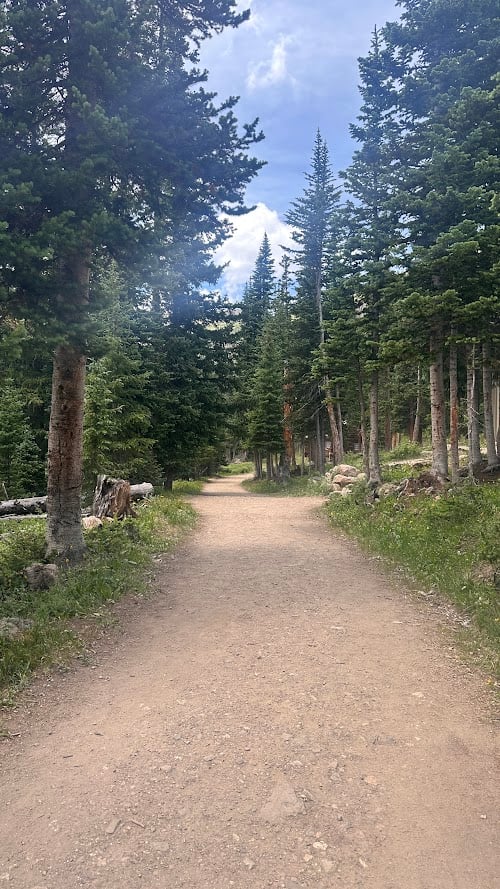
You start low, where the trees still tower and the air carries that unmistakable Colorado perfume, sun-warmed pine needles, a hint of damp earth, and just a whisper of wildflowers hiding in the understory. Crack your windows. Seriously. This road deserves to be experienced, not sealed off behind glass and AC.
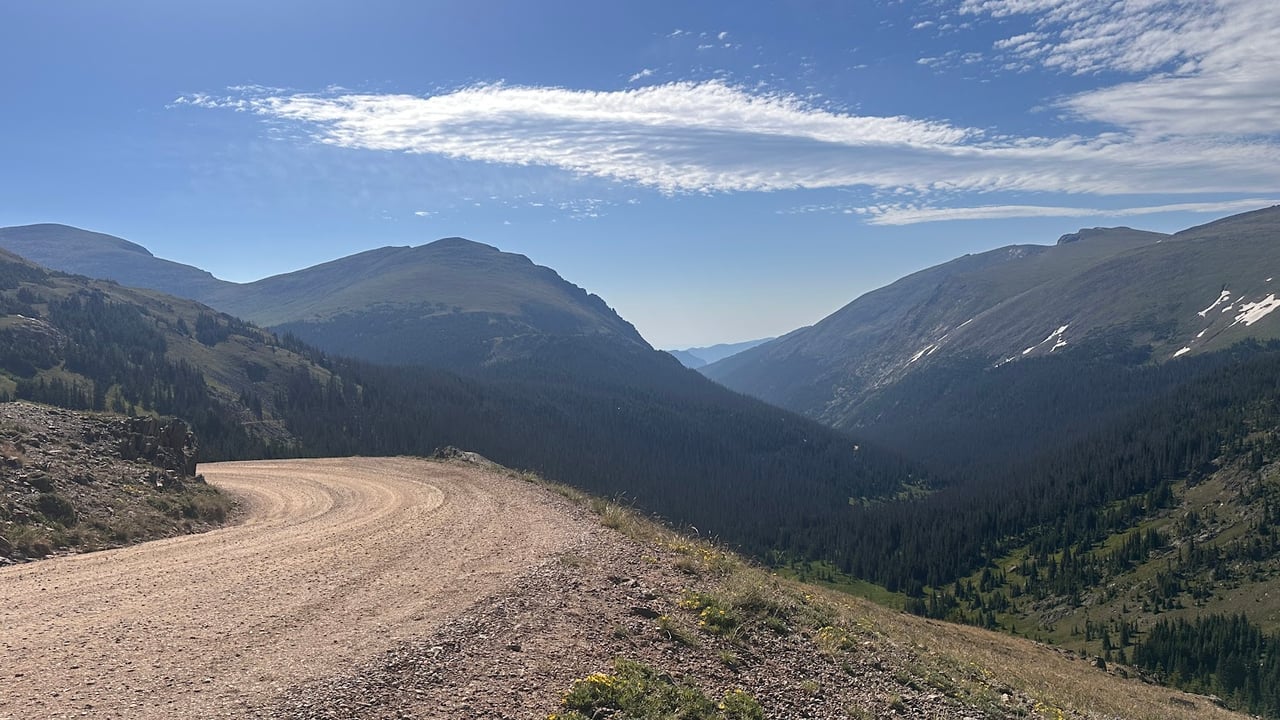
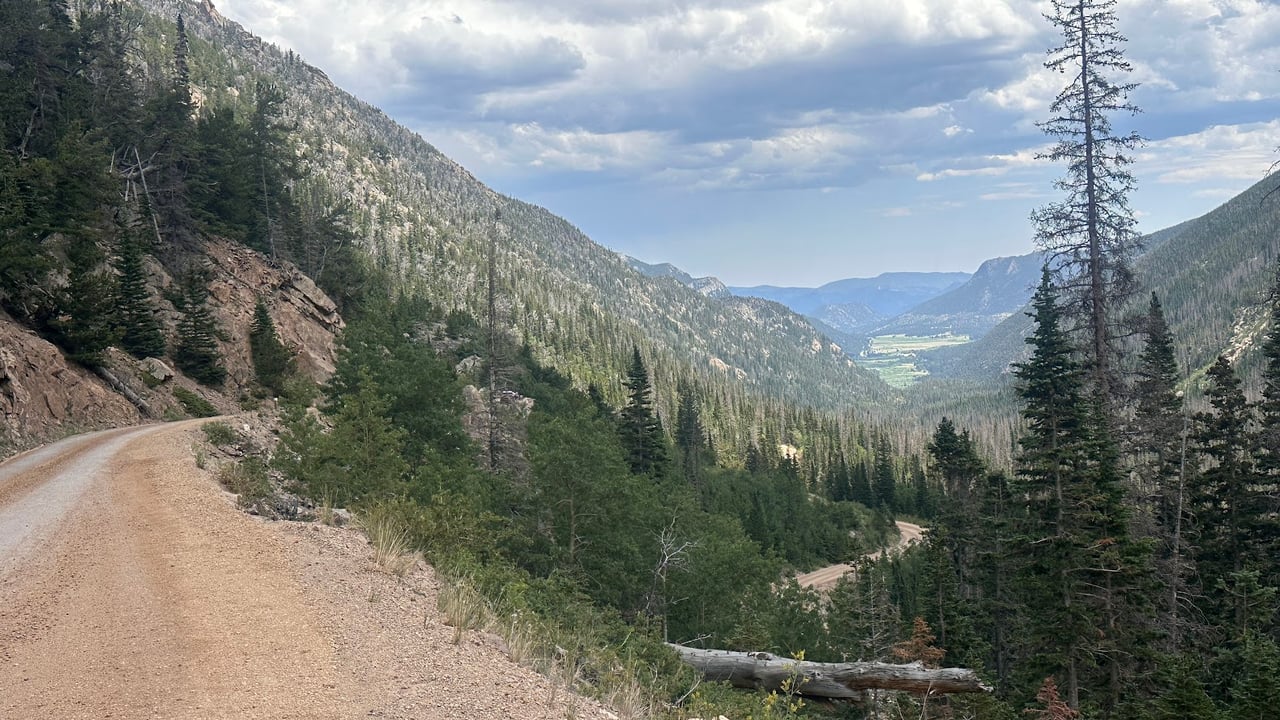
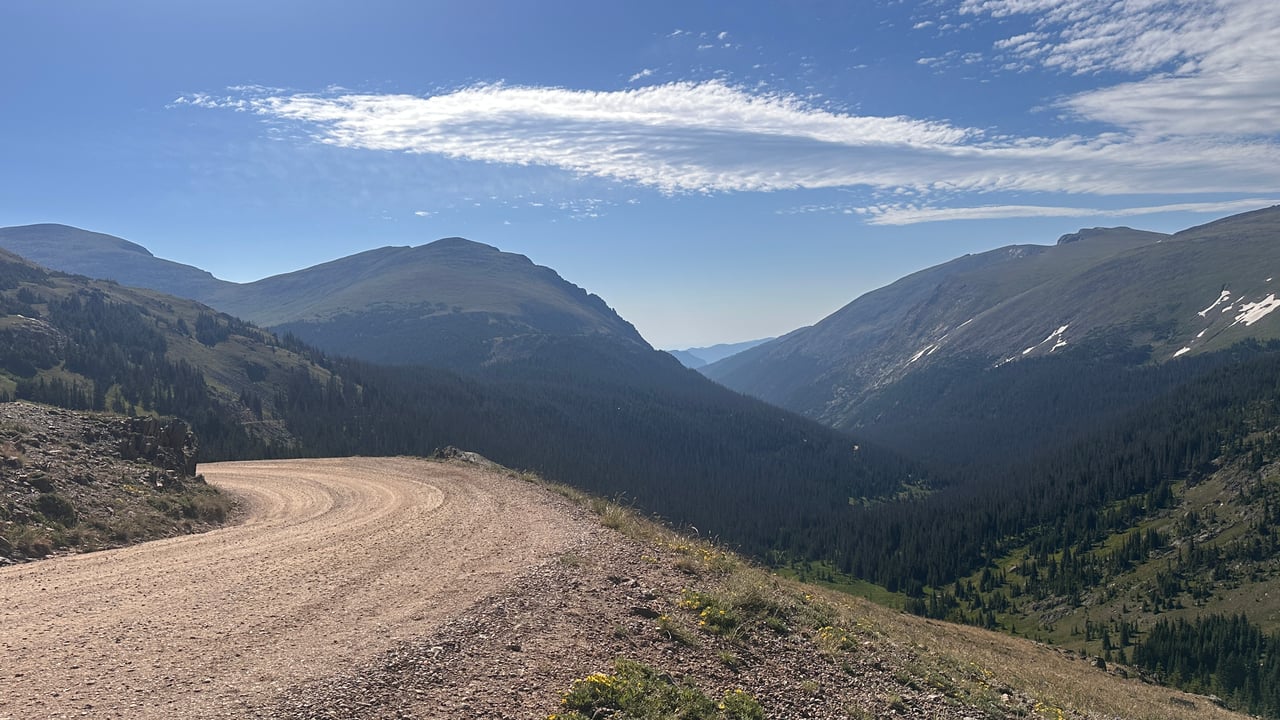
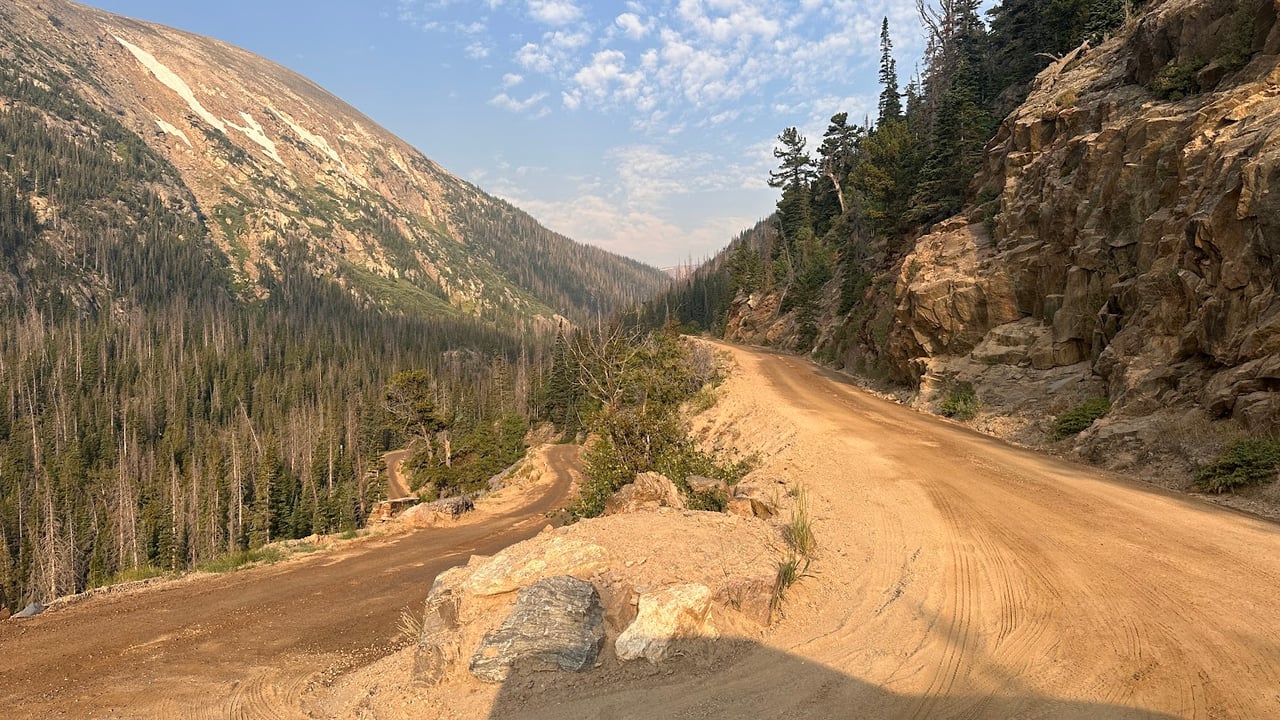
As your tires crunch over the packed dirt (yes, dirt, this is one of the last remaining unpaved roads in the park), you’ll hear it: that satisfying gravelly hum beneath you, like the mountains reminding you that you’re not on a freeway anymore.
The scent deepens as you climb. Pine gives way to spruce and fir, cooler, richer, almost resinous. Every now and then, a breeze drifts through carrying something unexpected: maybe the faint sweetness of alpine flowers or the mineral tang of nearby water tumbling over rocks.
The Soundtrack: Waterfalls, Wind, and Wild Silence
Unlike the polished, postcard perfection of Trail Ridge Road, Old Fall River Road is intimate. It whispers instead of shouts.
Roll down your window at any pull-off and just… listen.
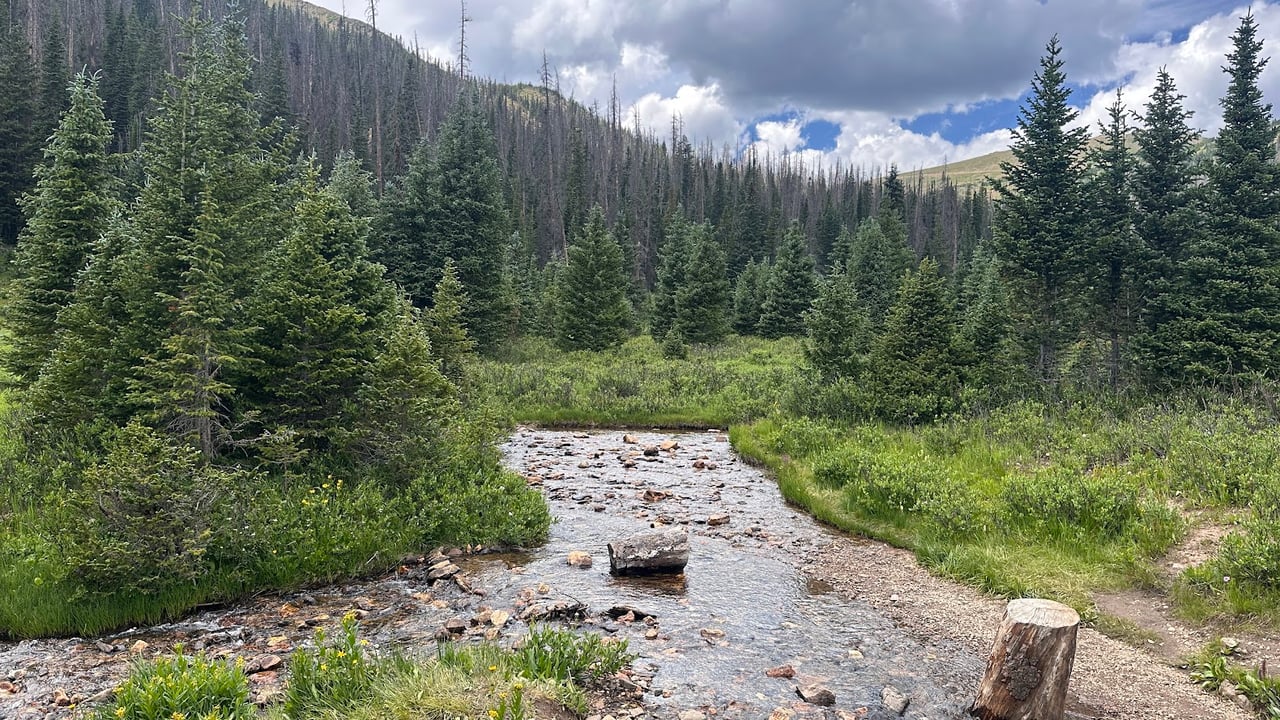
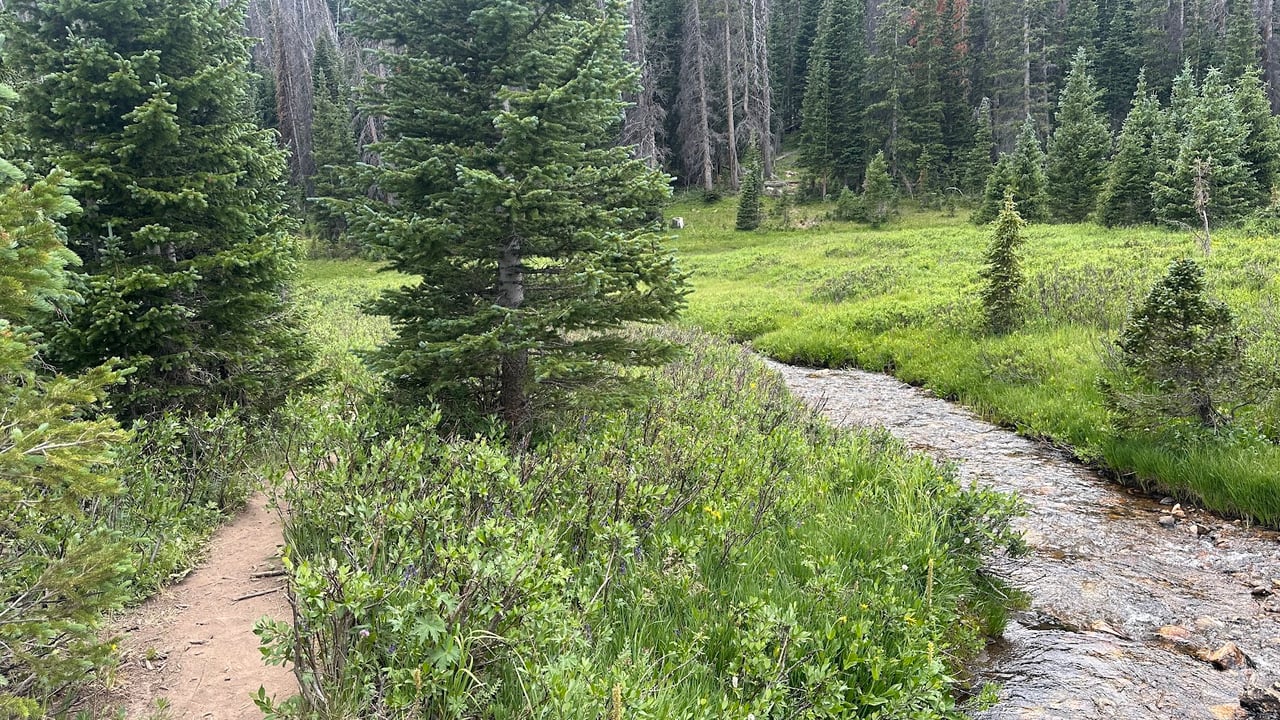
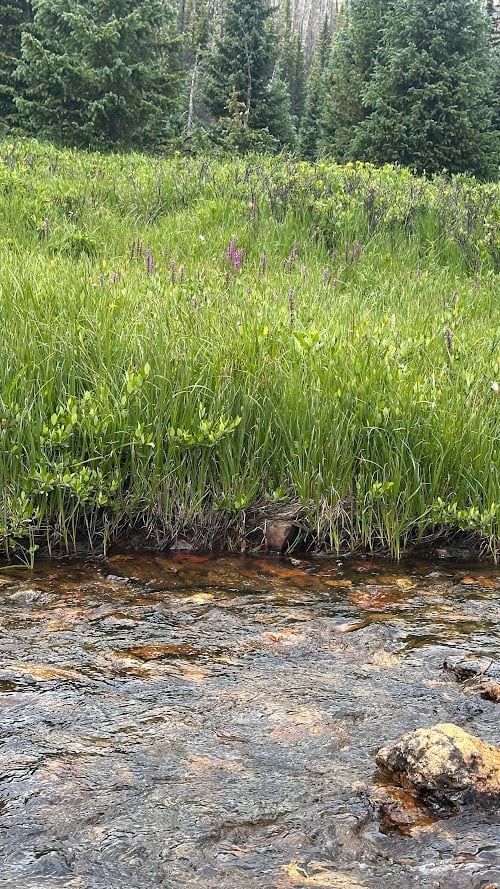
You’ll hear Fall River itself—sometimes a gentle babble, sometimes a rushing cascade depending on snowmelt and time of year. It snakes alongside you for much of the drive, never far, always moving.
Then there’s the wind.
Up here, it doesn’t just blow, it moves through the trees with intention. Aspen leaves chatter like applause. Pines sigh low and steady. And as you climb higher, above the treeline, the wind becomes something else entirely clean, sharp, and unfiltered, like it just came straight off the spine of the continent.
And in between all of it? Silence.
Not empty silence, alive silence. The kind where you suddenly realize you can hear your own heartbeat, your own breath, your own thoughts slowing down to match the rhythm of the mountains.
The Views: A Slow Reveal of the Alpine World
This road doesn’t give you everything at once. It teases.
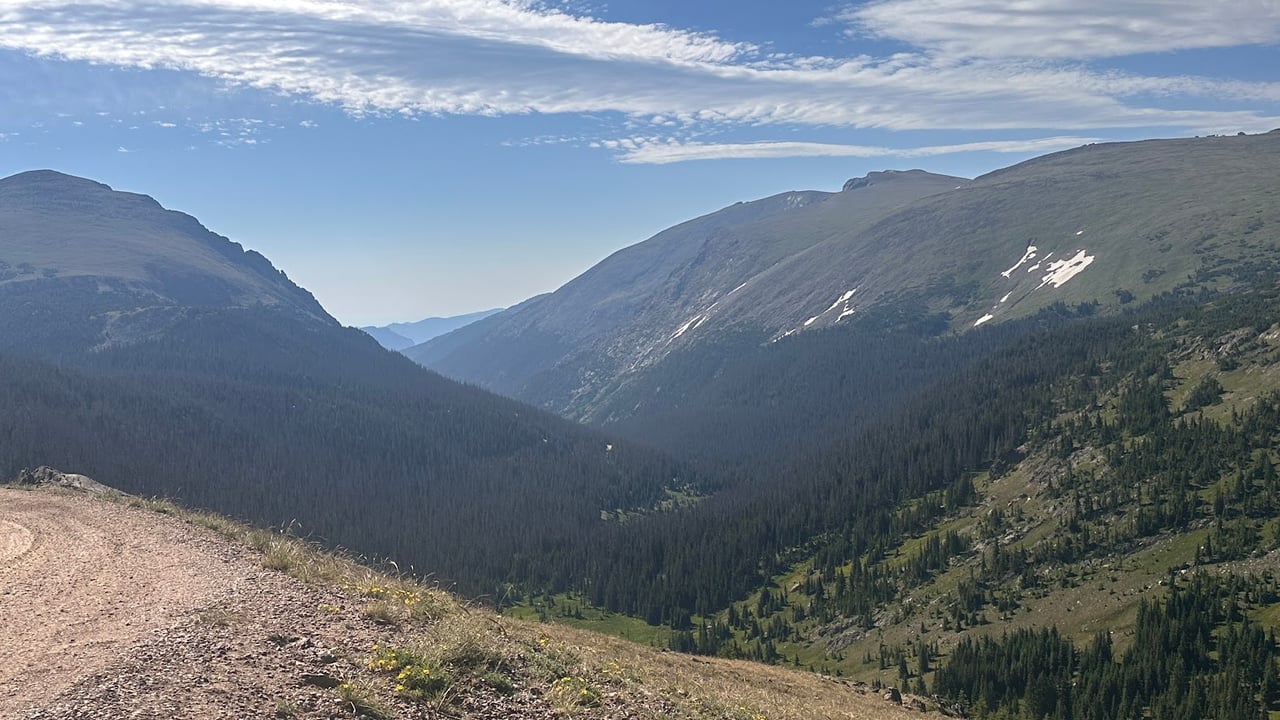
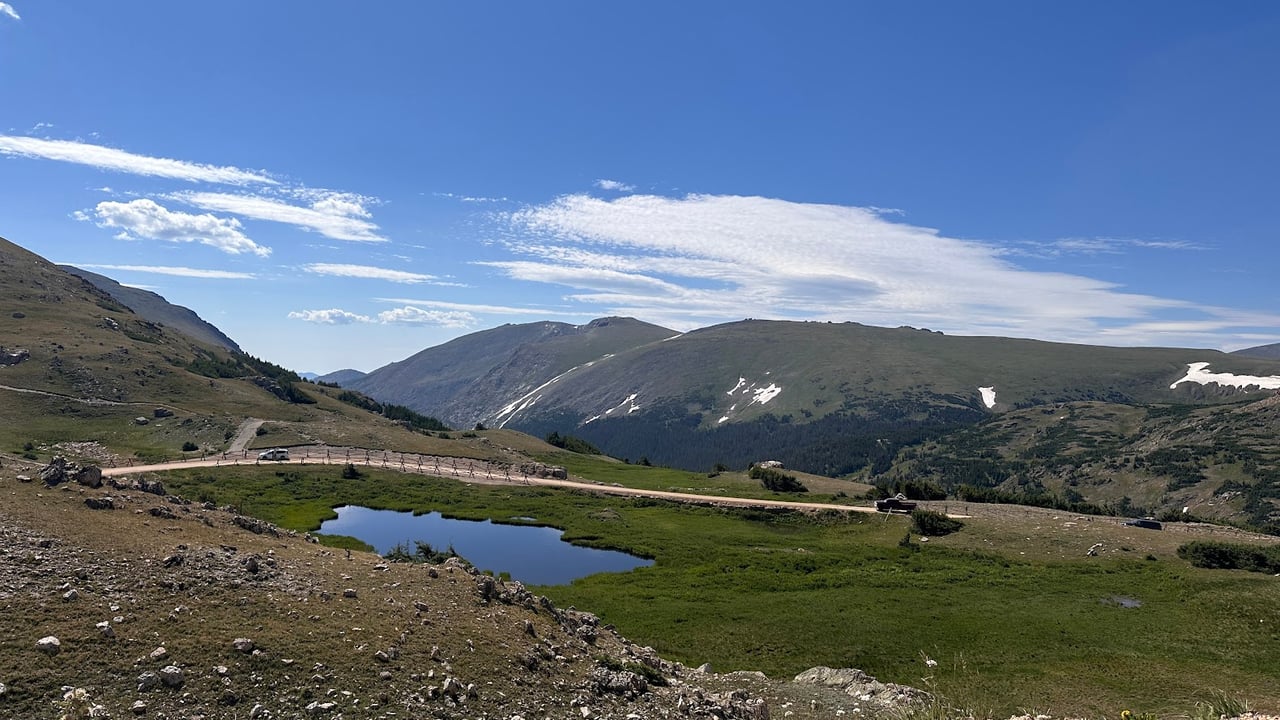
One switchback at a time, the forest begins to open. Glimpses of distant peaks appear through the trees just enough to make you lean forward in your seat.
Then suddenly, you’re out.
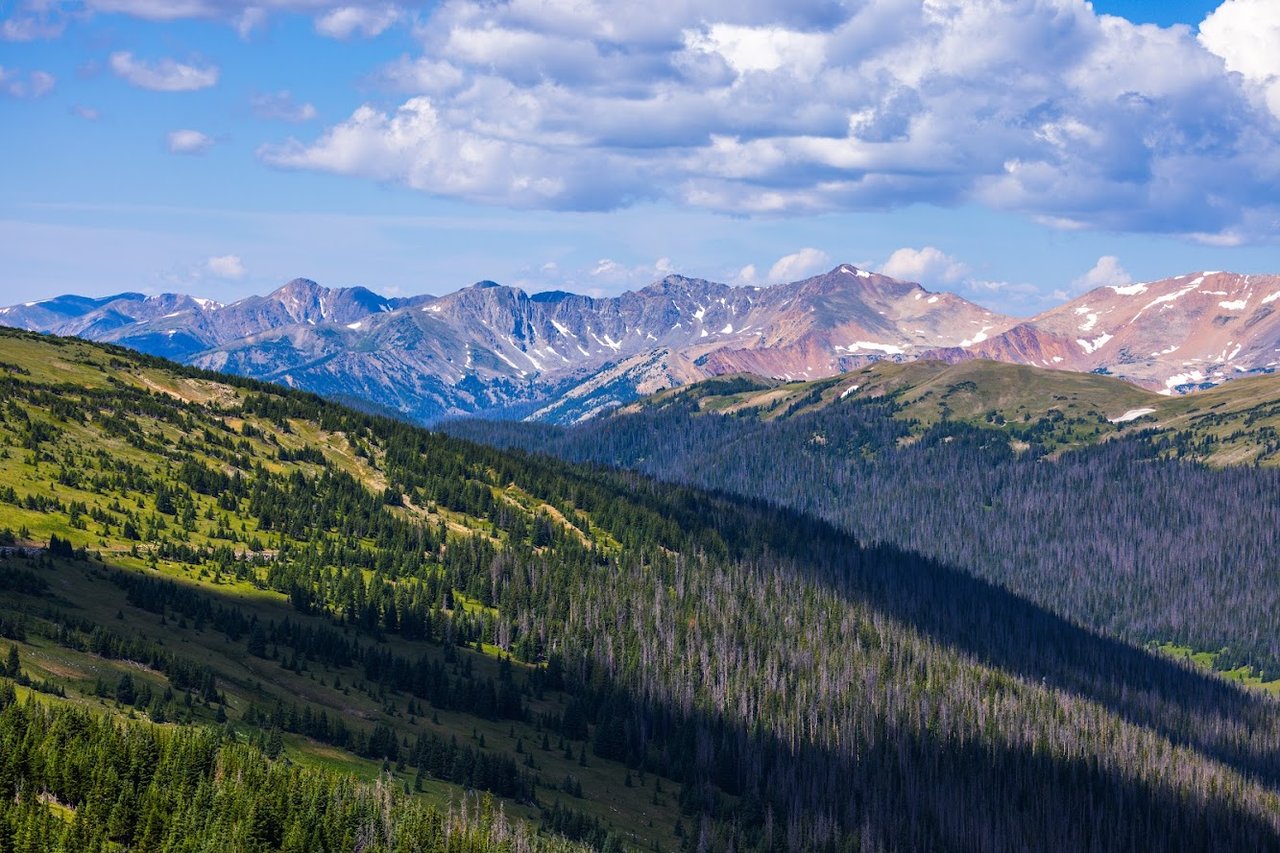
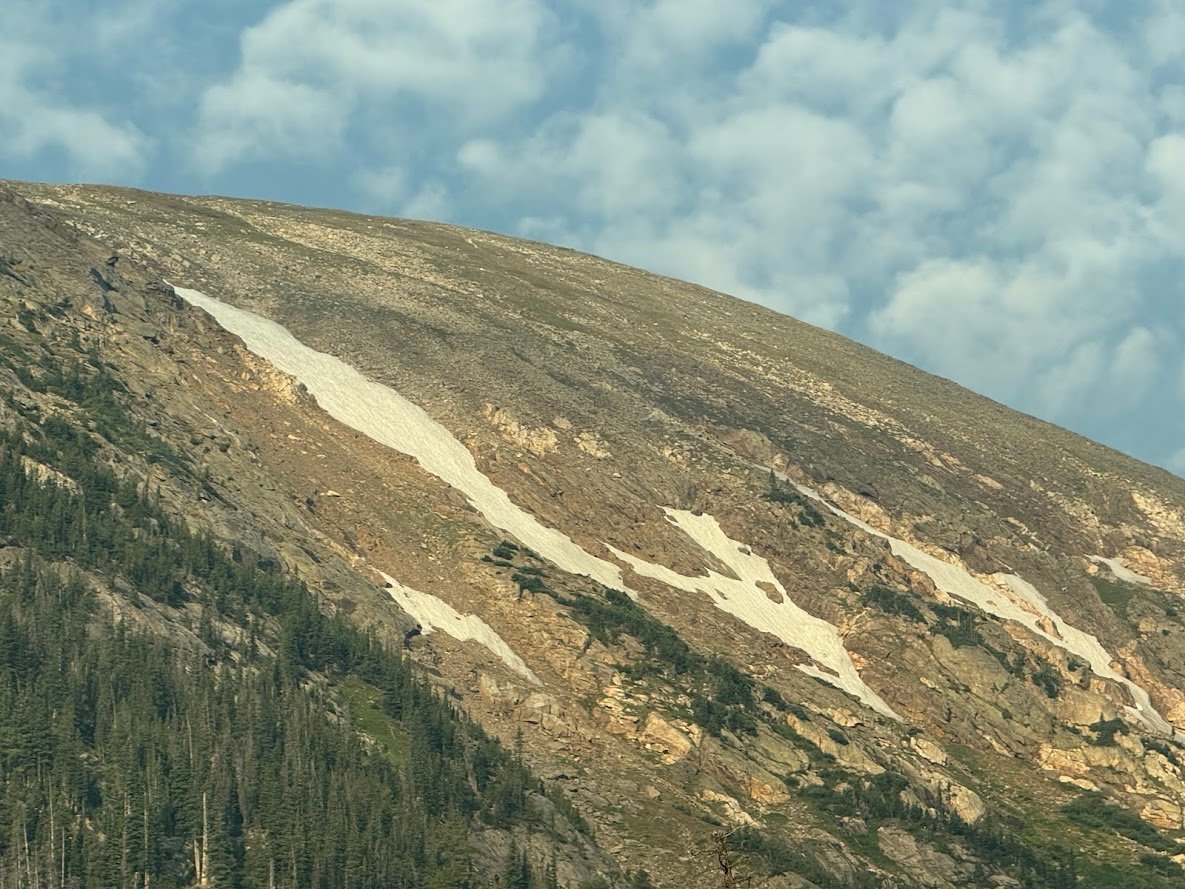
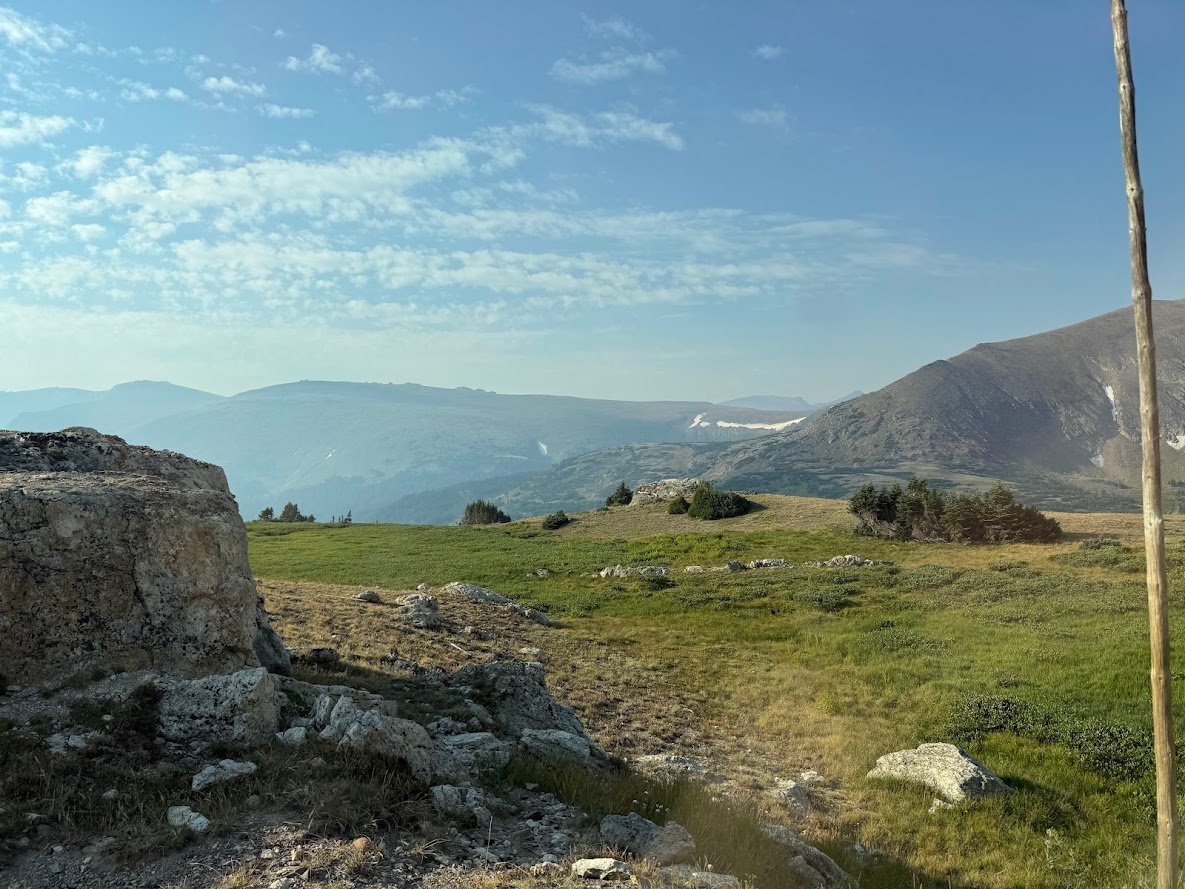
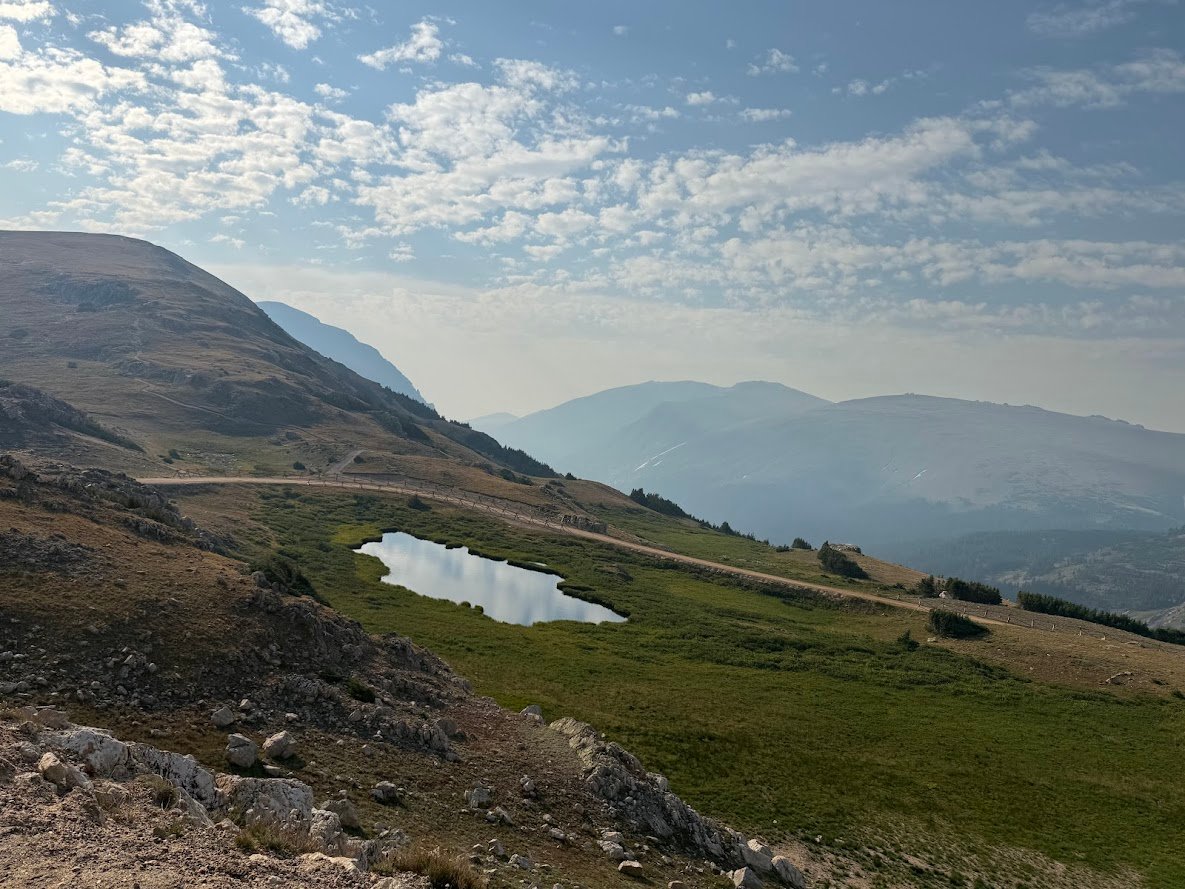
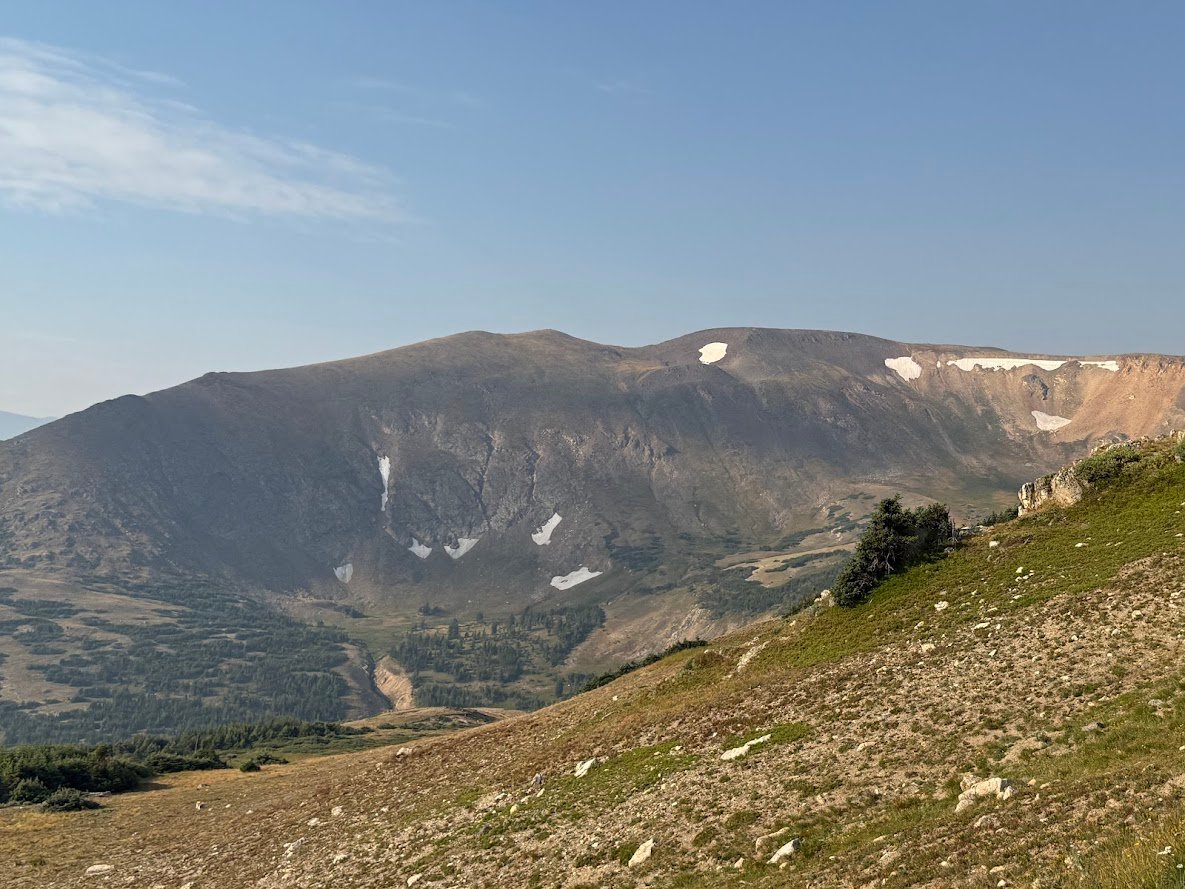
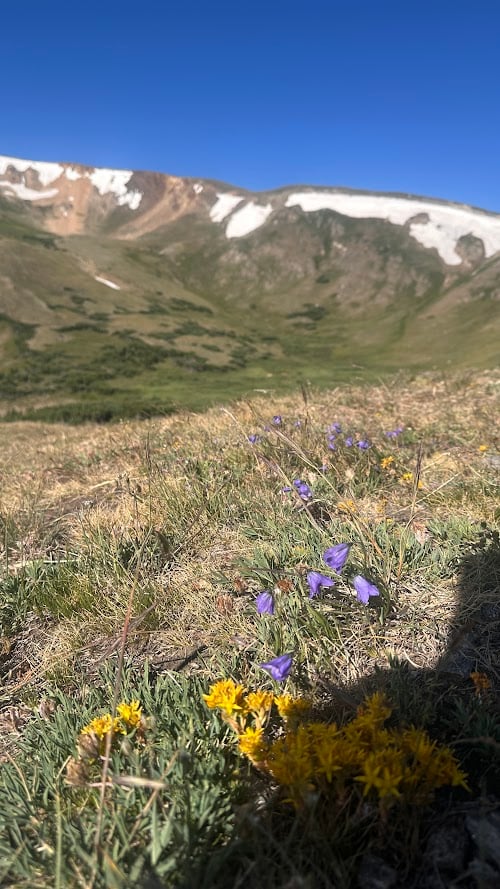
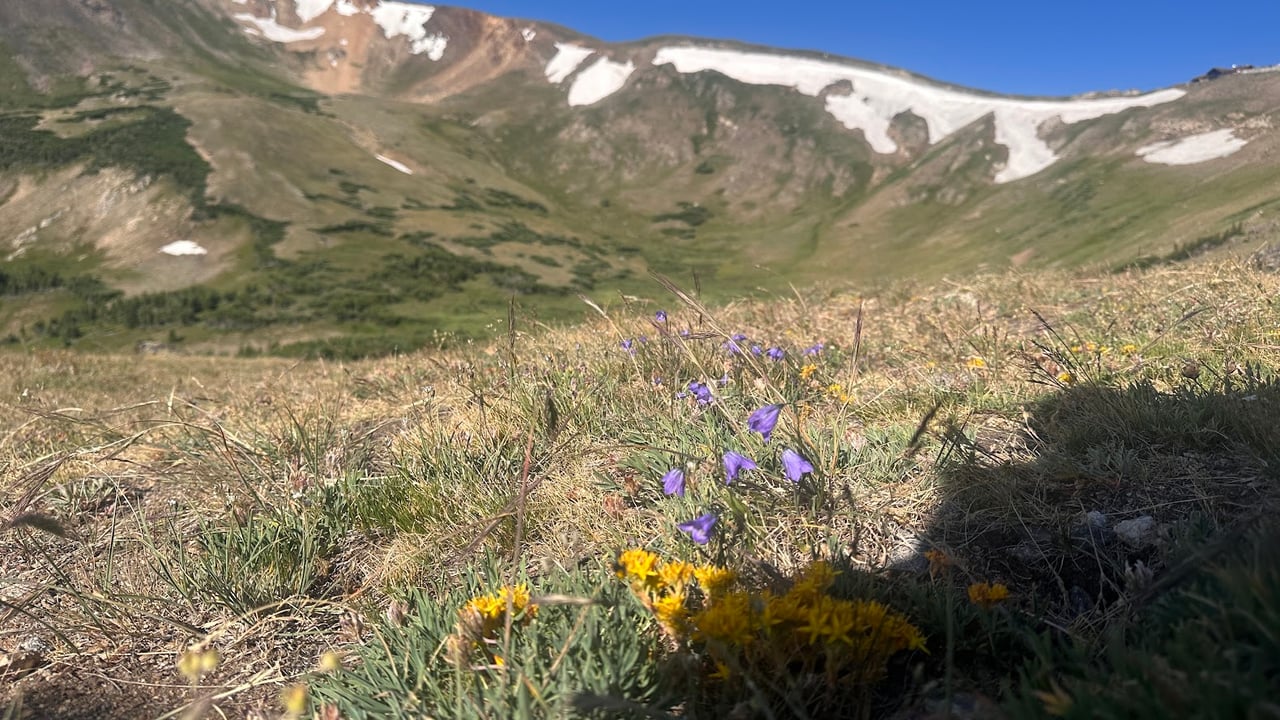
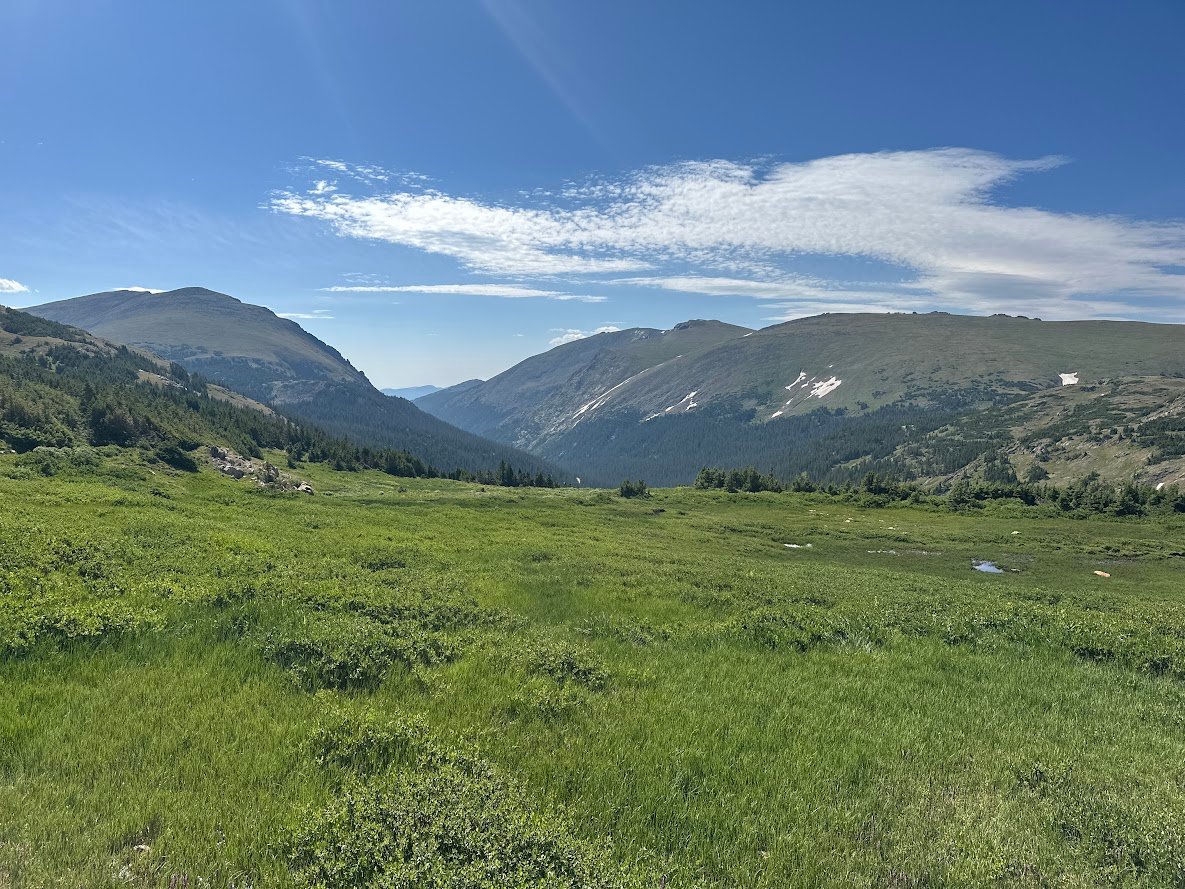
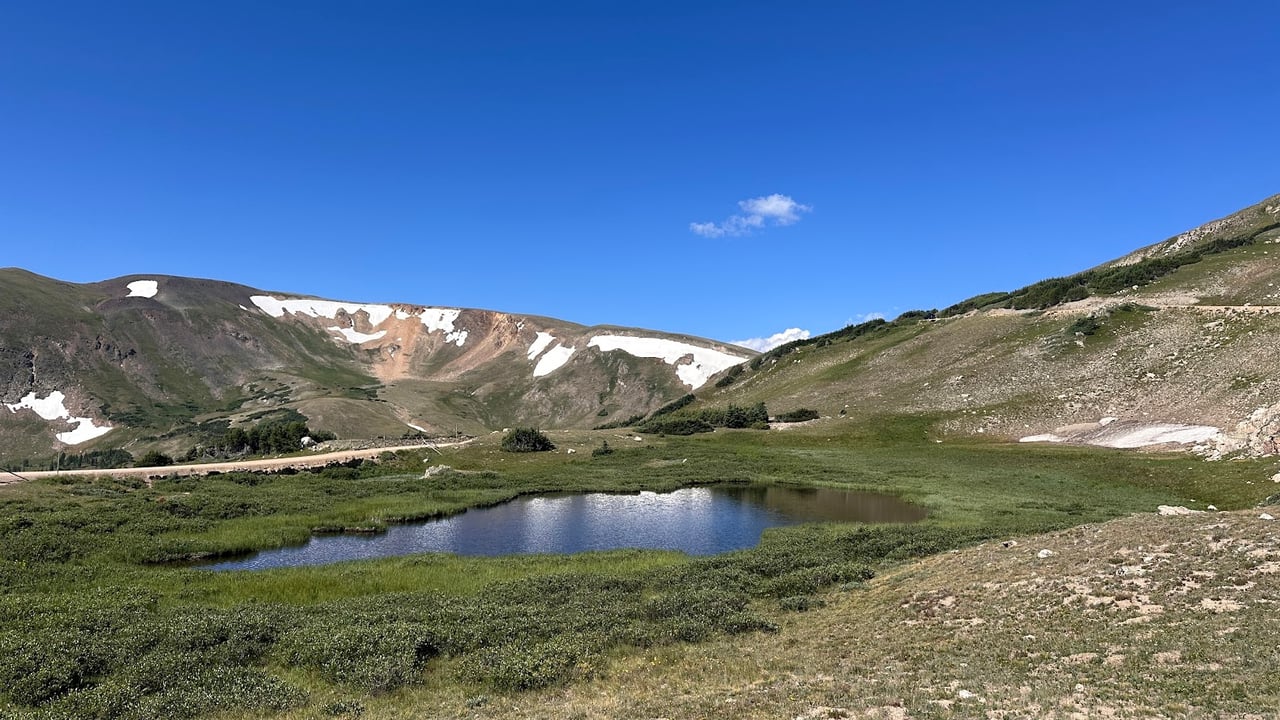
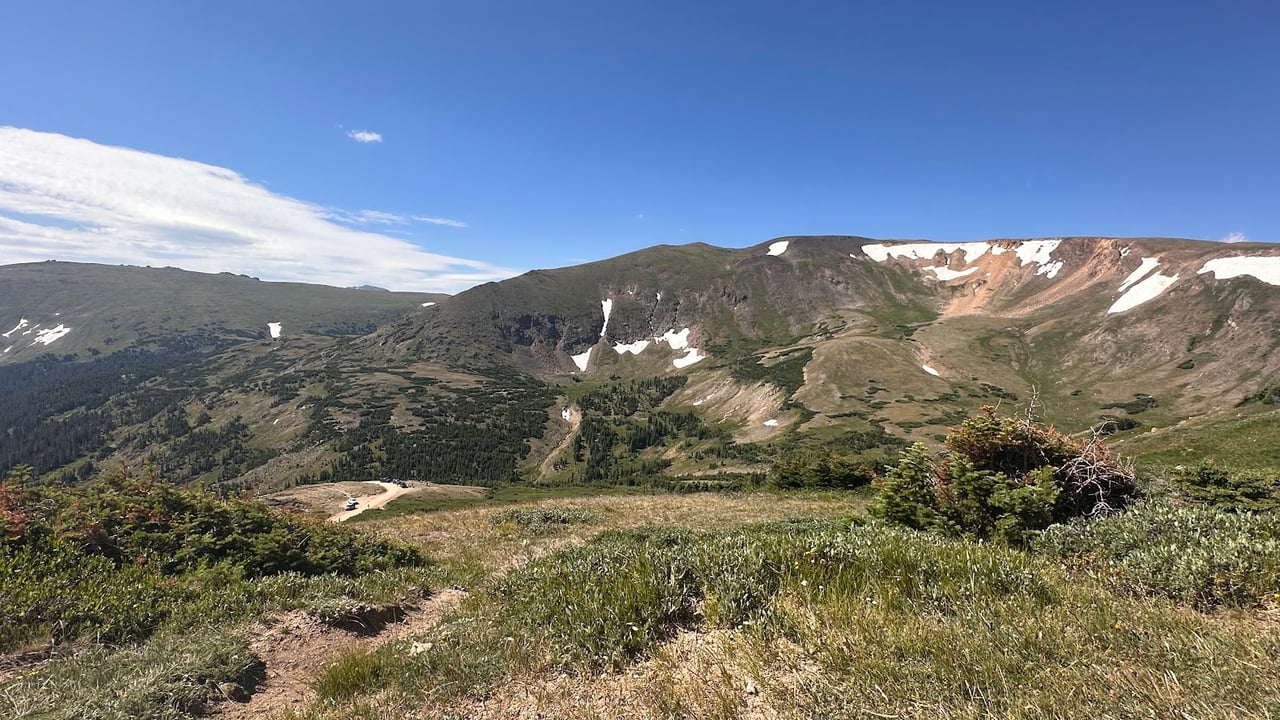
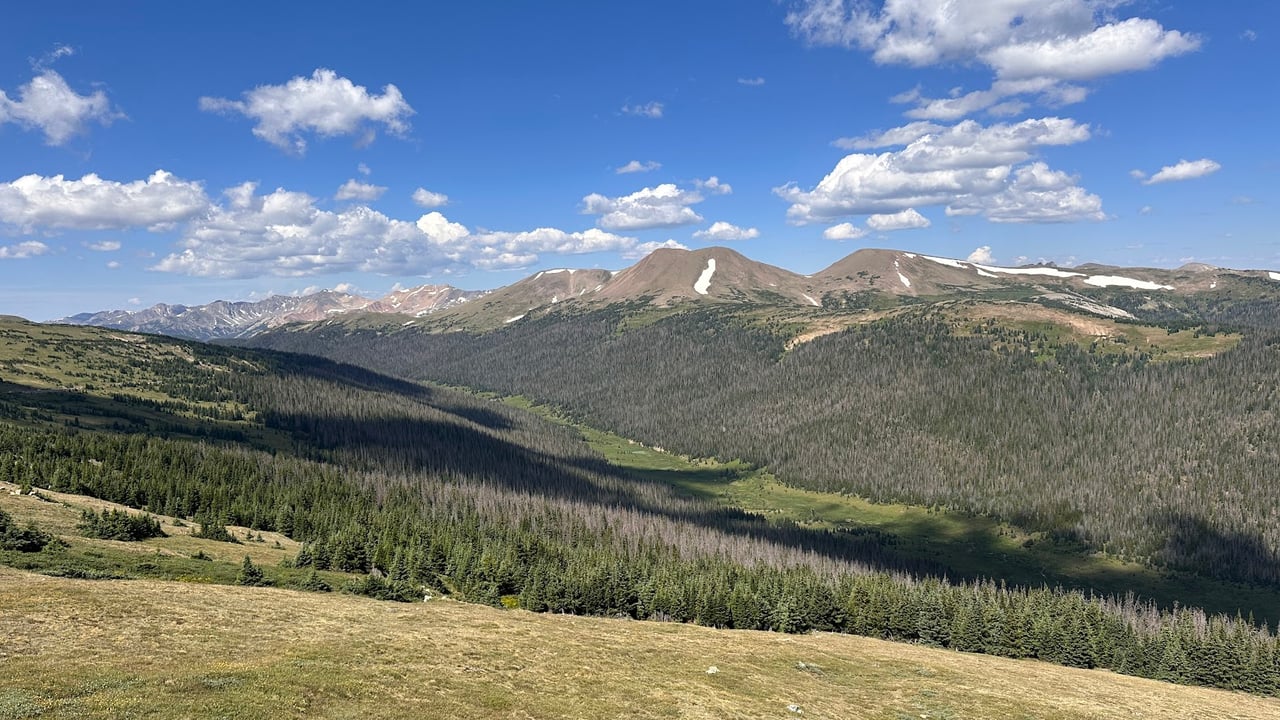
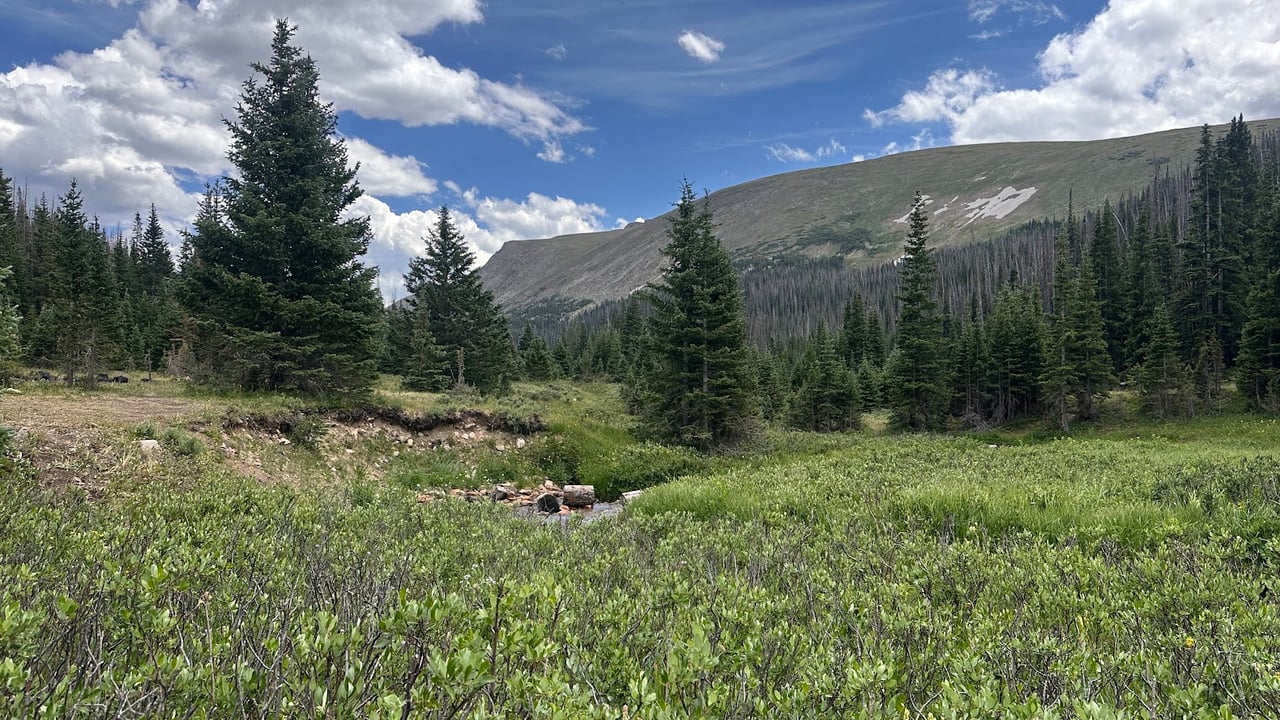
Above the treeline, the world changes completely. The dense greens fall away, replaced by tundra, low, wind-sculpted plants hugging the earth. The colors shift too: deep emerald gives way to soft sage, rusty reds, and bursts of alpine yellow and purple.
And the sky? It feels closer here. Bigger. Bluer. Like you could reach up and drag your fingers through it.
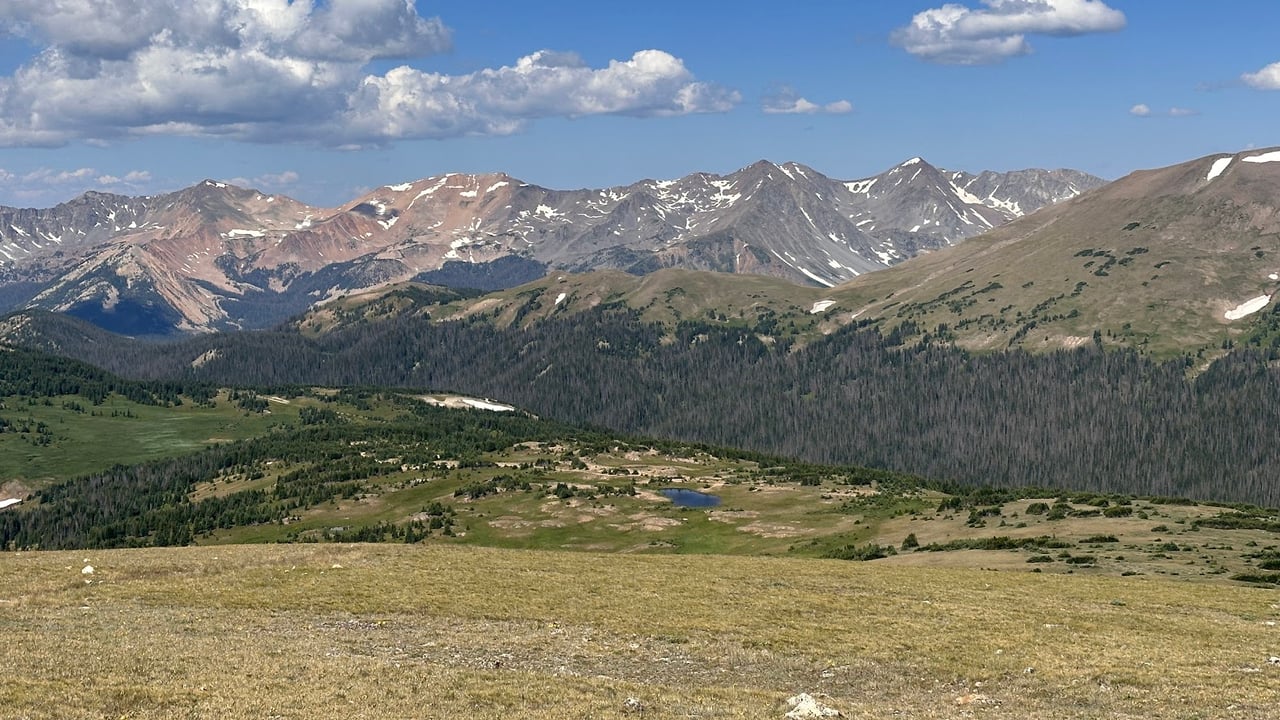
You’ll see ridgelines layered in the distance, fading from sharp gray to hazy blue as they stretch toward forever. On a clear day, it’s the kind of view that makes you forget whatever was stressing you out back in town.
The Drive Itself: Not for the Rushed (or the Reckless)
Let’s be honest, this road isn’t for everyone.
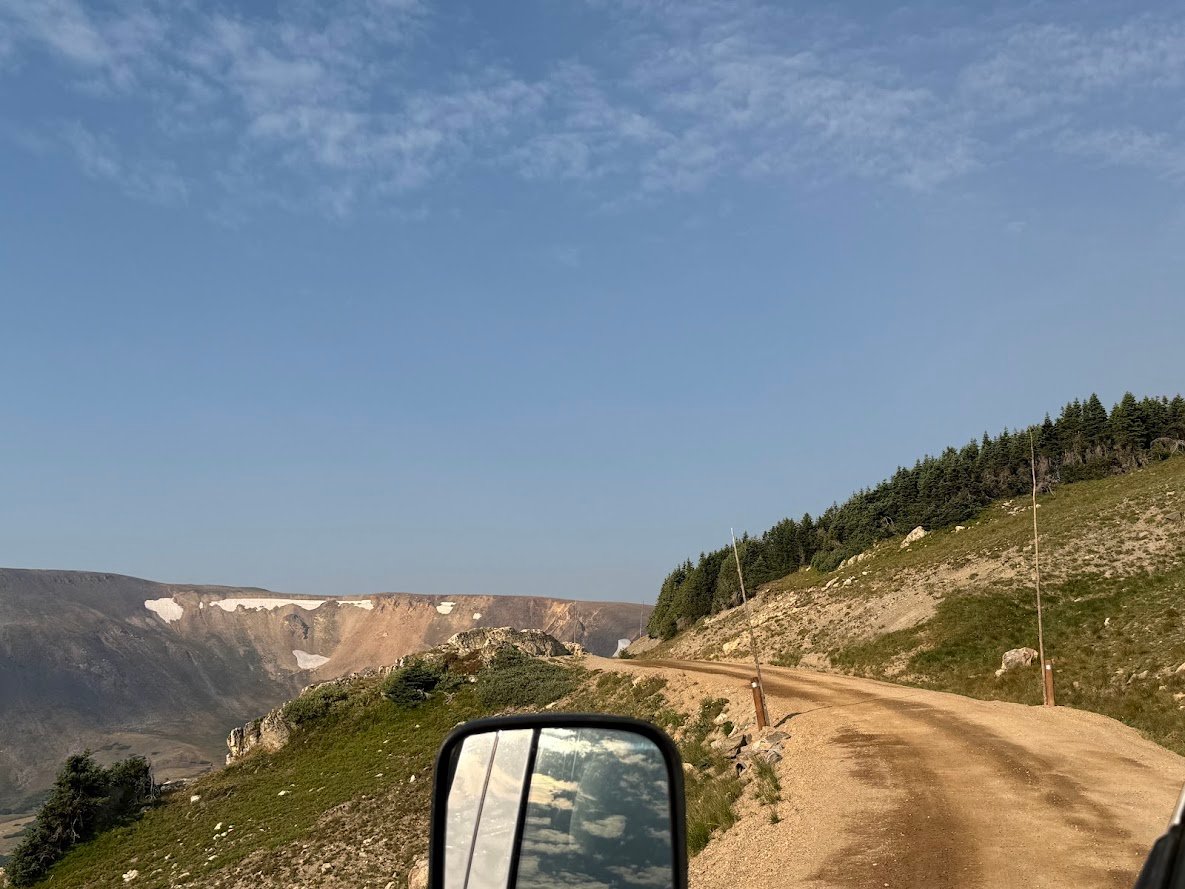
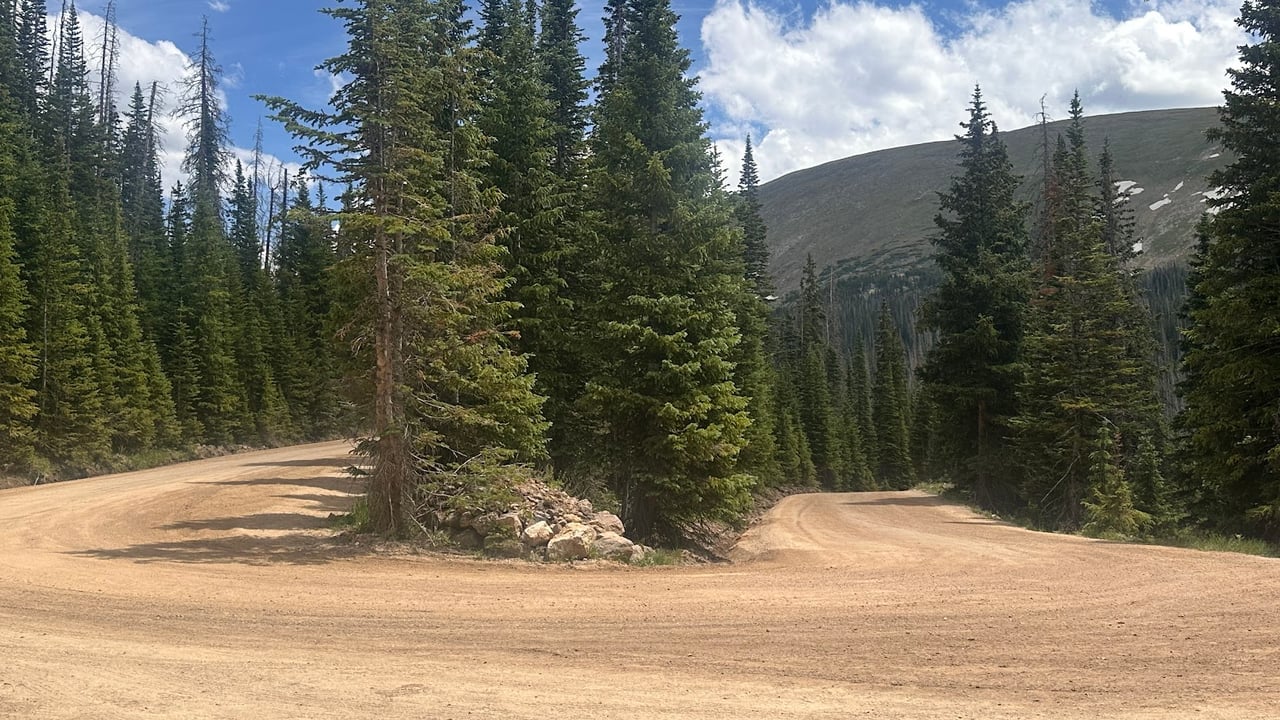
It’s narrow. It’s one-way (uphill only). It’s got switchbacks that will make you grip the steering wheel just a little tighter. And yes, there are stretches where the drop-off is… noticeable.
But that’s part of the magic.
You’re not supposed to rush this drive. In fact, if you’re trying to “get through it,” you’re doing it wrong. This is a crawl, a pause, a pull-over-every-five-minutes kind of experience.
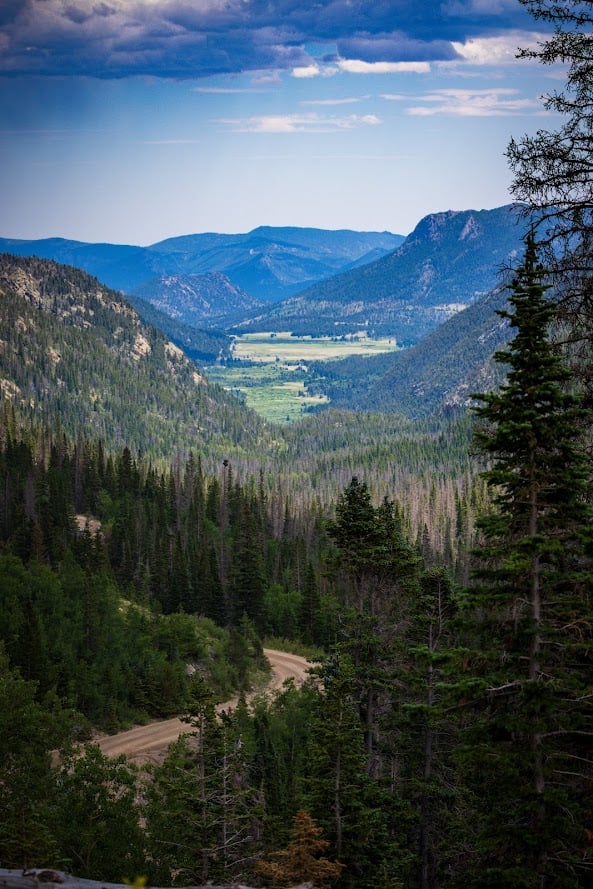
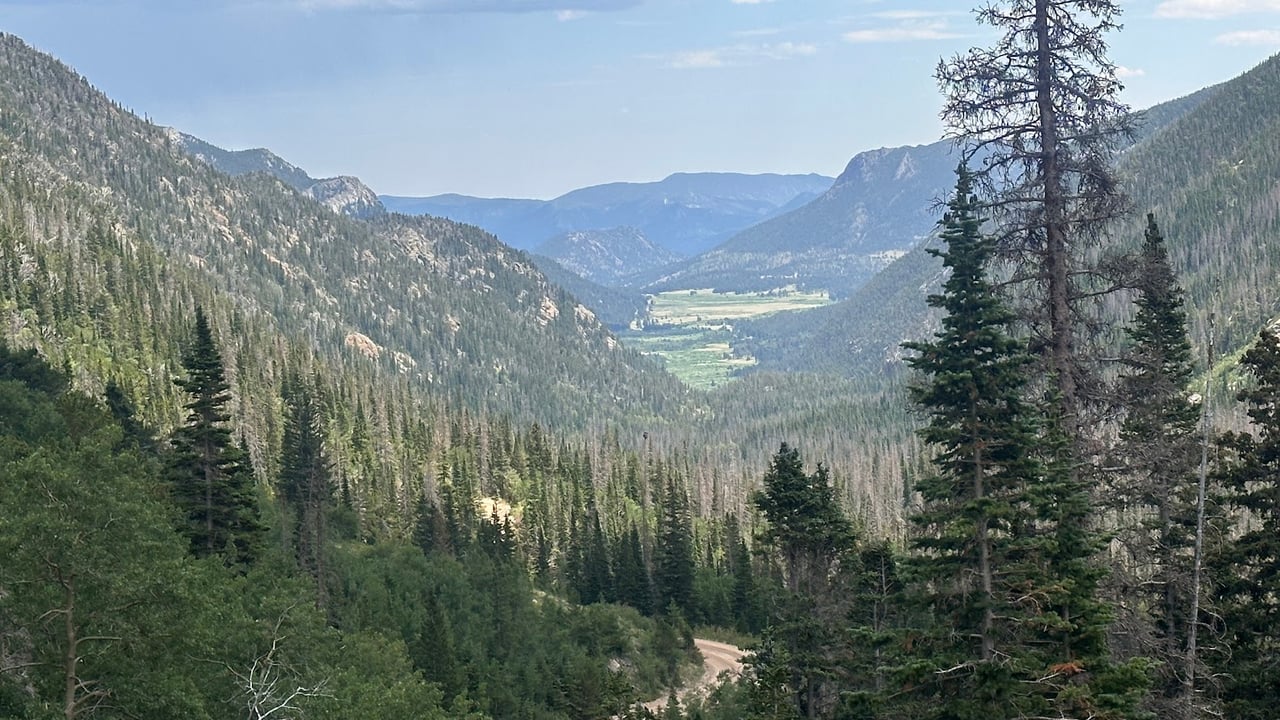
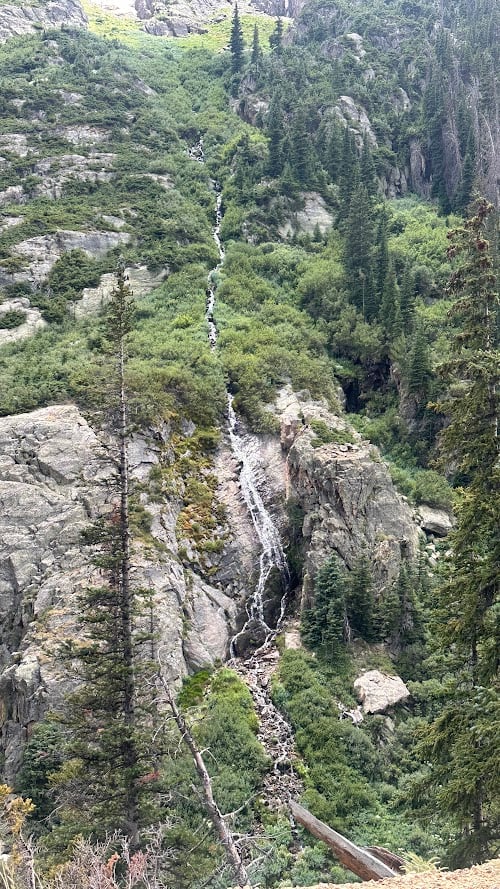
Because every turn reveals something new: a hidden waterfall, a sudden valley view, a patch of wildflowers catching the light just right.
5 Hidden Gems Most Tourists Miss
Sure, people know the road. But they miss the details. Here are five spots and moments that most visitors either rush past or never even notice.
1. The Early Morning River Glow
Most folks hit Old Fall River Road mid-day. Big mistake.
If you go early like, just after sunrise you’ll catch the river glowing in soft gold light filtering through the trees. The water looks almost liquid glass, reflecting the sky in quiet ripples.
It’s colder. Quieter. And you might have entire stretches of the road to yourself.
Pro tip: pull over, step out, and just stand there for a minute. That crisp alpine air? That’s better than coffee.
2. Chasm Falls (But Not Just the Overlook)
Yes, Chasm Falls is a known stop, but most people do the quick look and leave.
Don’t.
Walk the short trail. Then linger. Move around. Find a slightly different angle. The sound alone is worth it, a powerful rush of water echoing through rock, constant and grounding.
And if you pause long enough, you’ll notice the mist hitting your skin cool, refreshing, and carrying that clean, mineral scent of mountain water.
3. The Hidden Wildflower Pockets
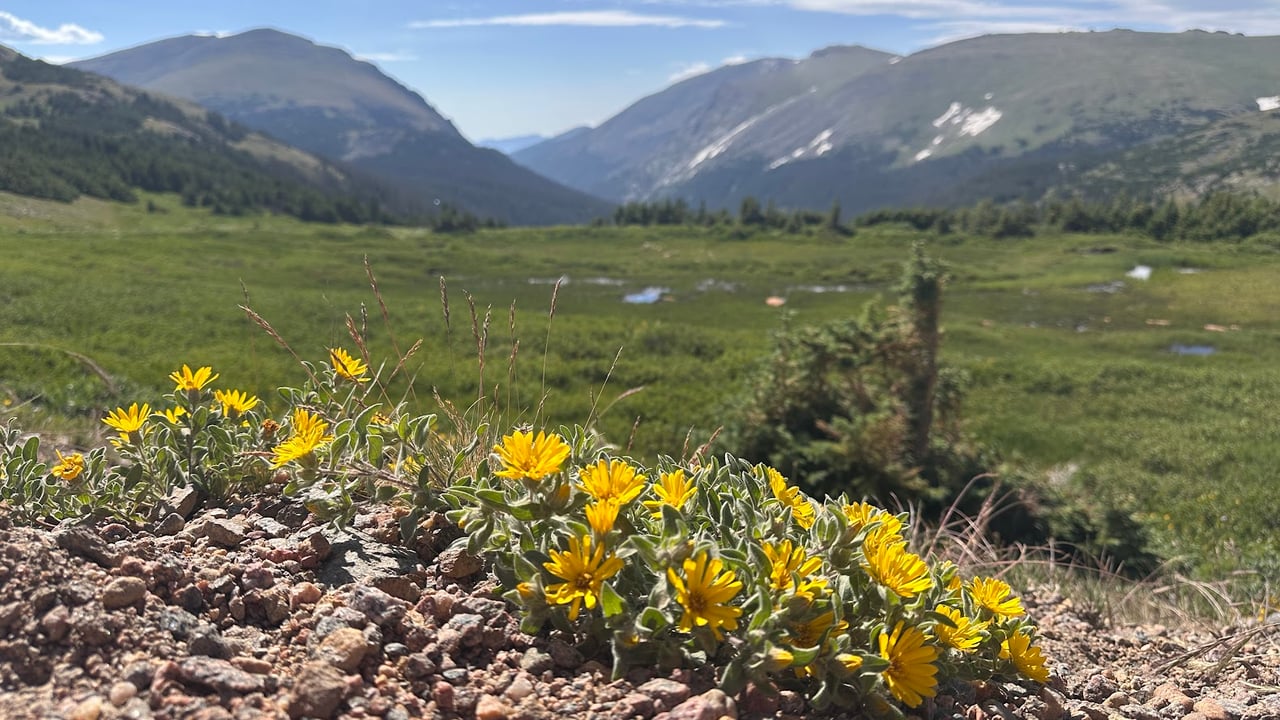
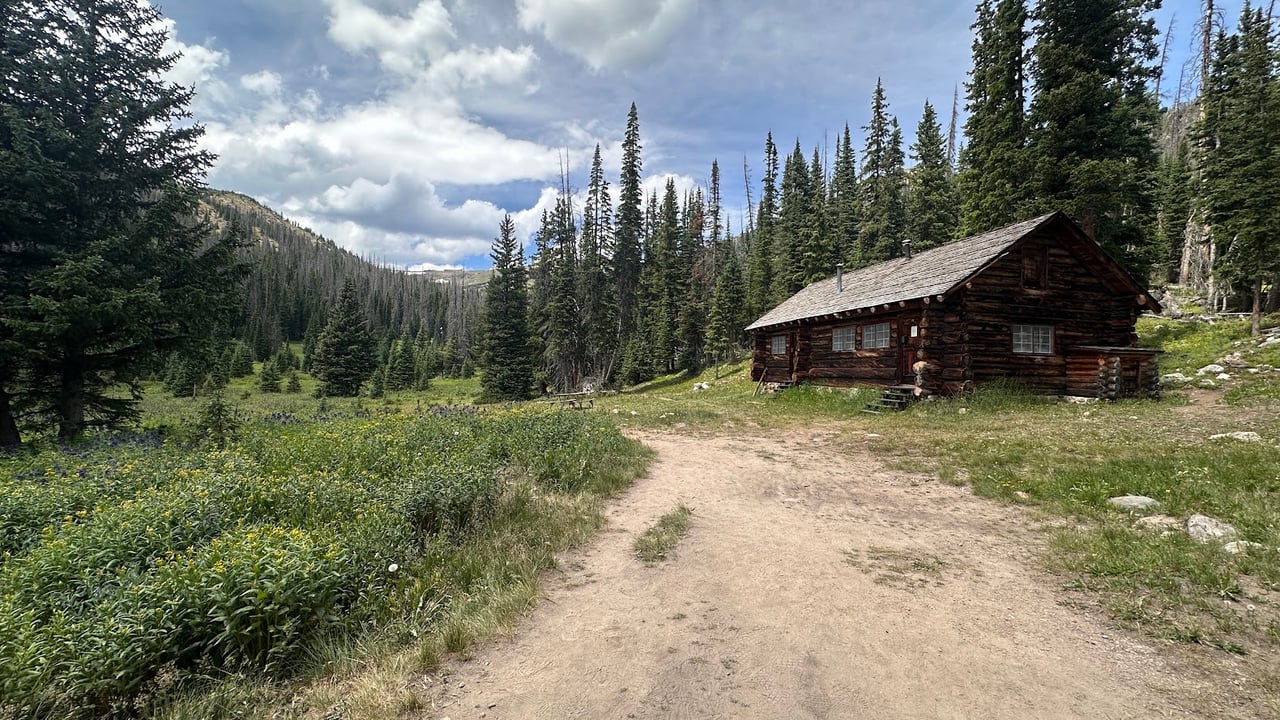
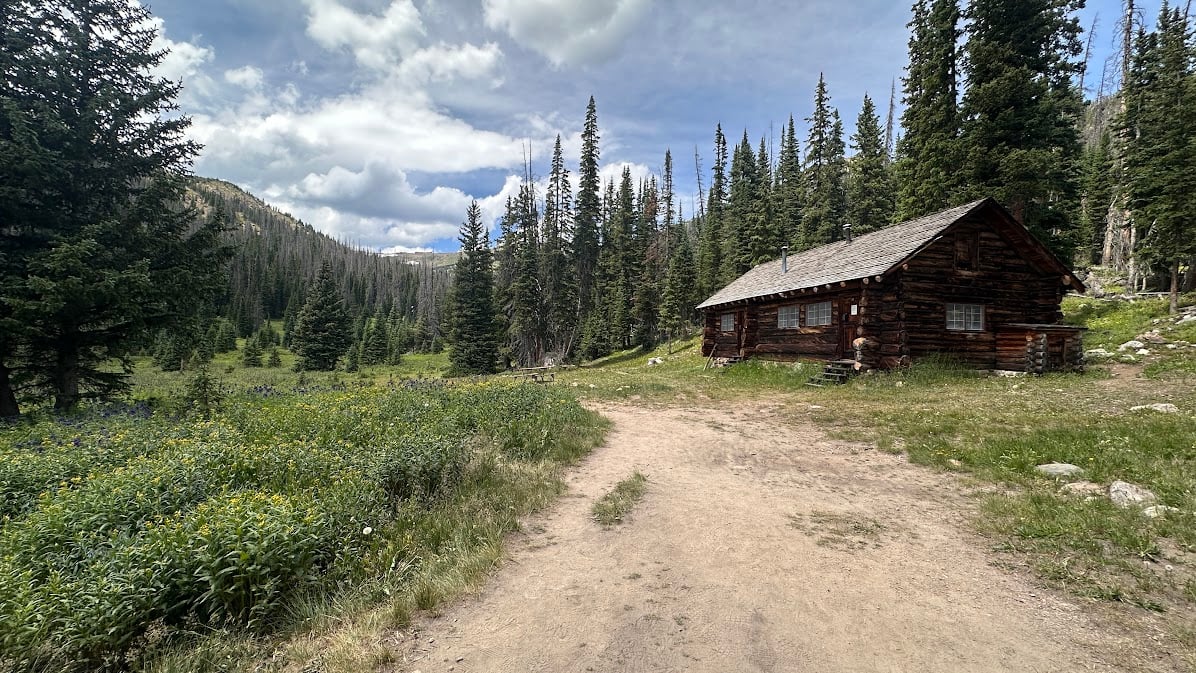
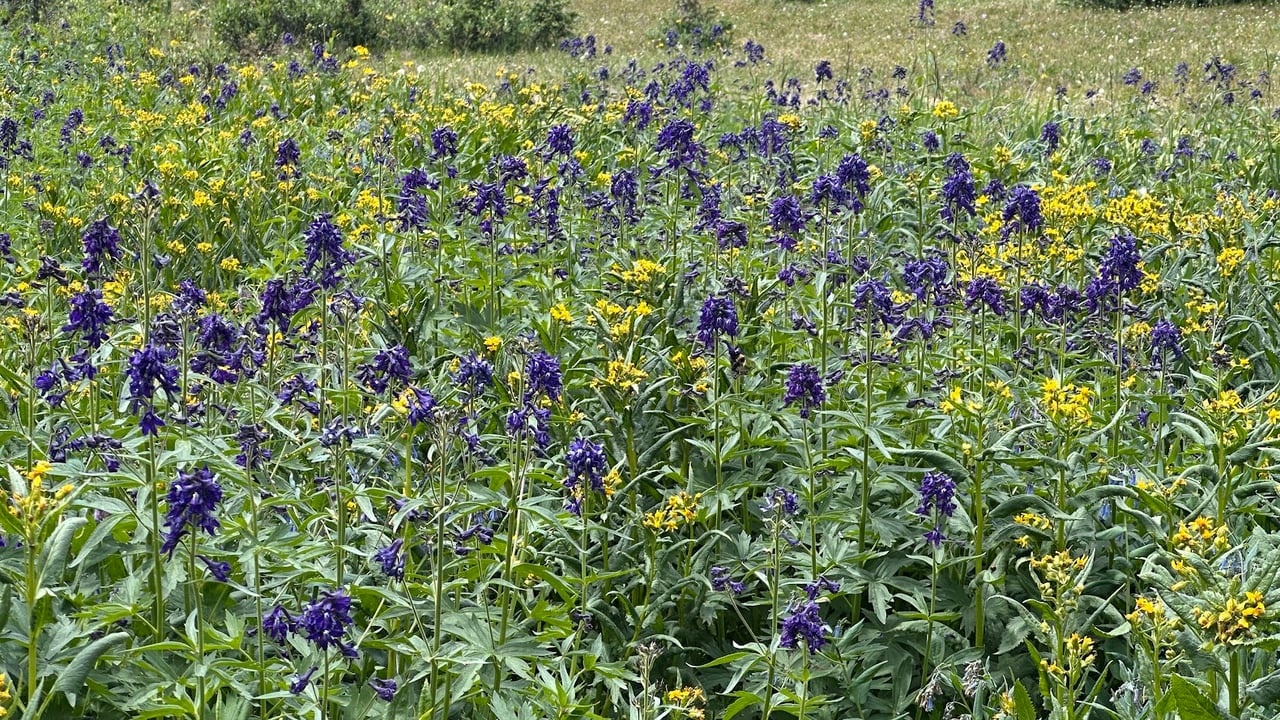
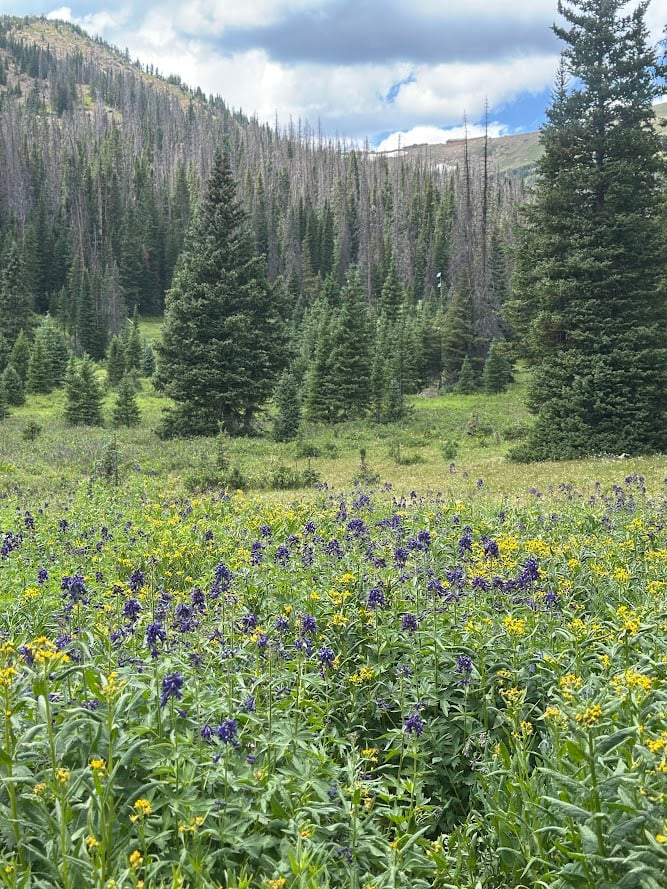
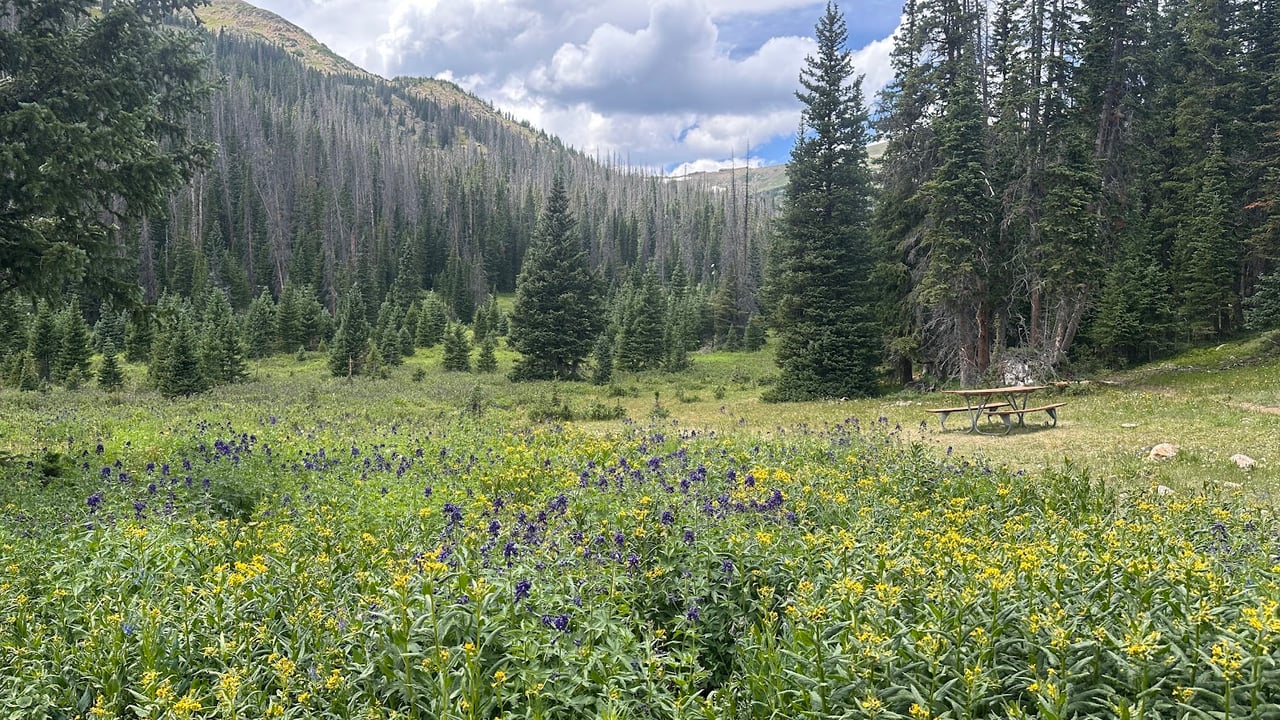
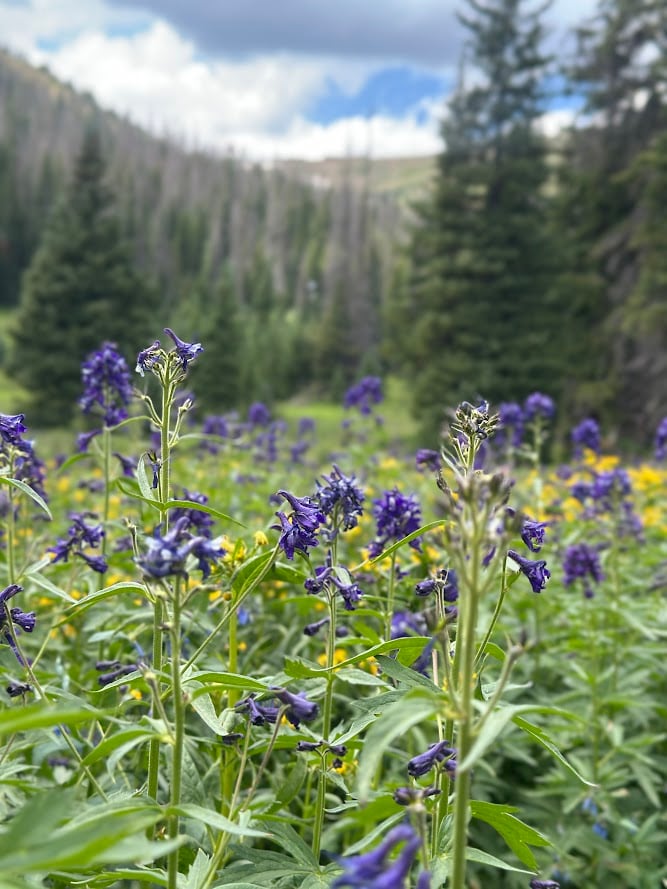
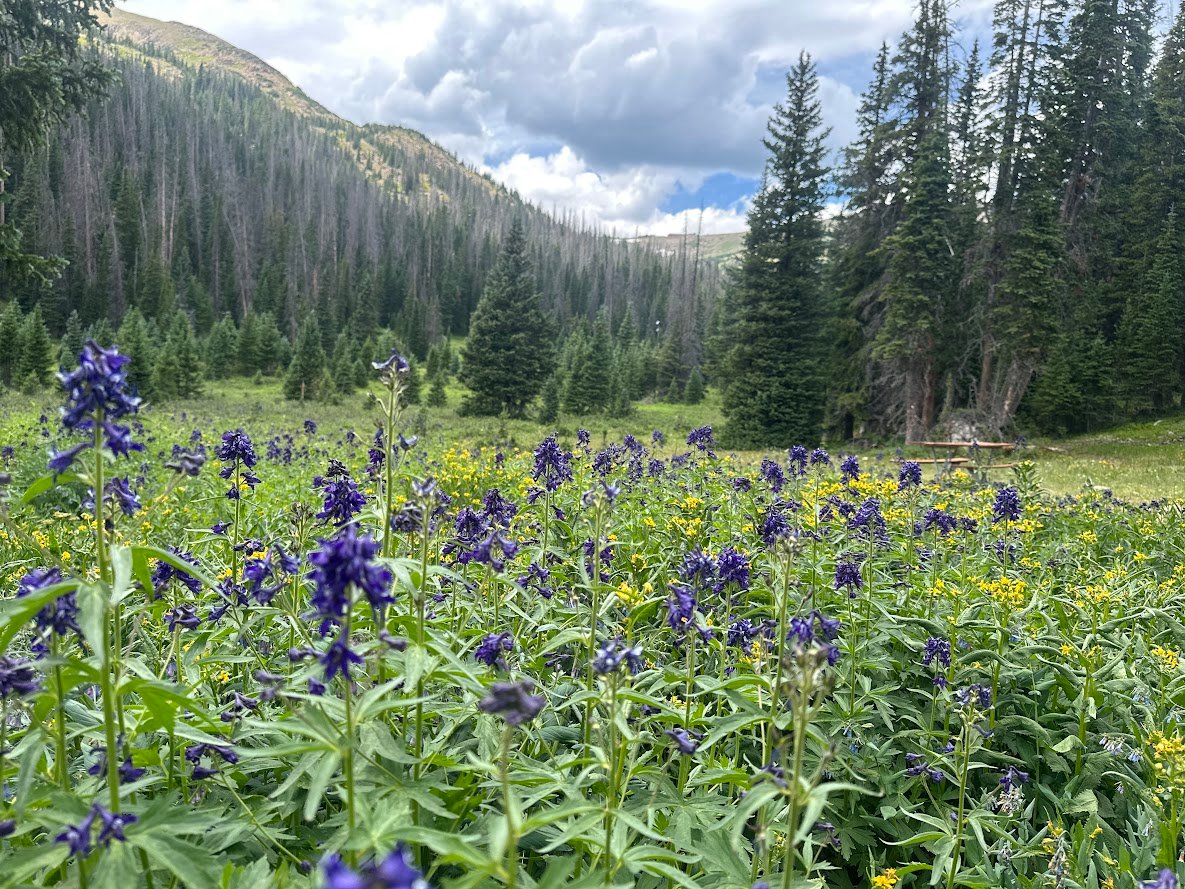
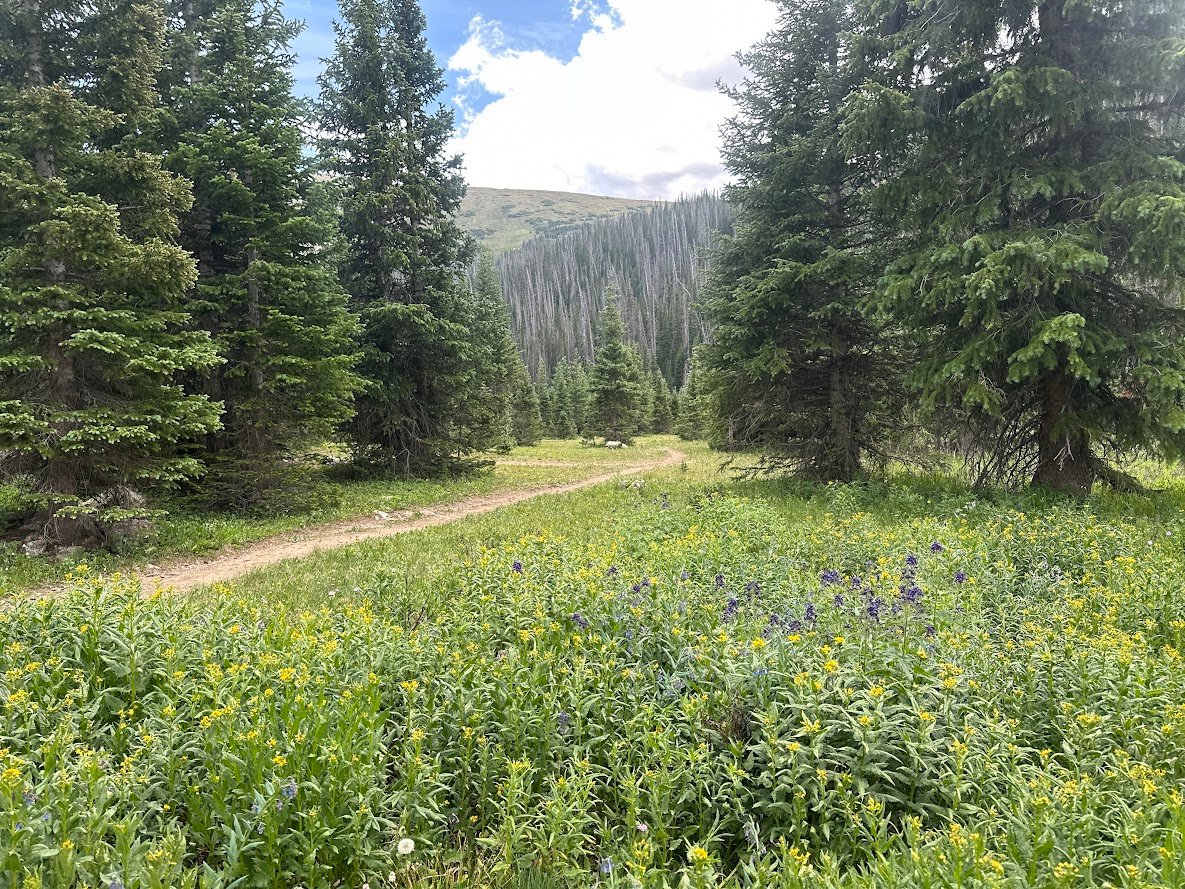
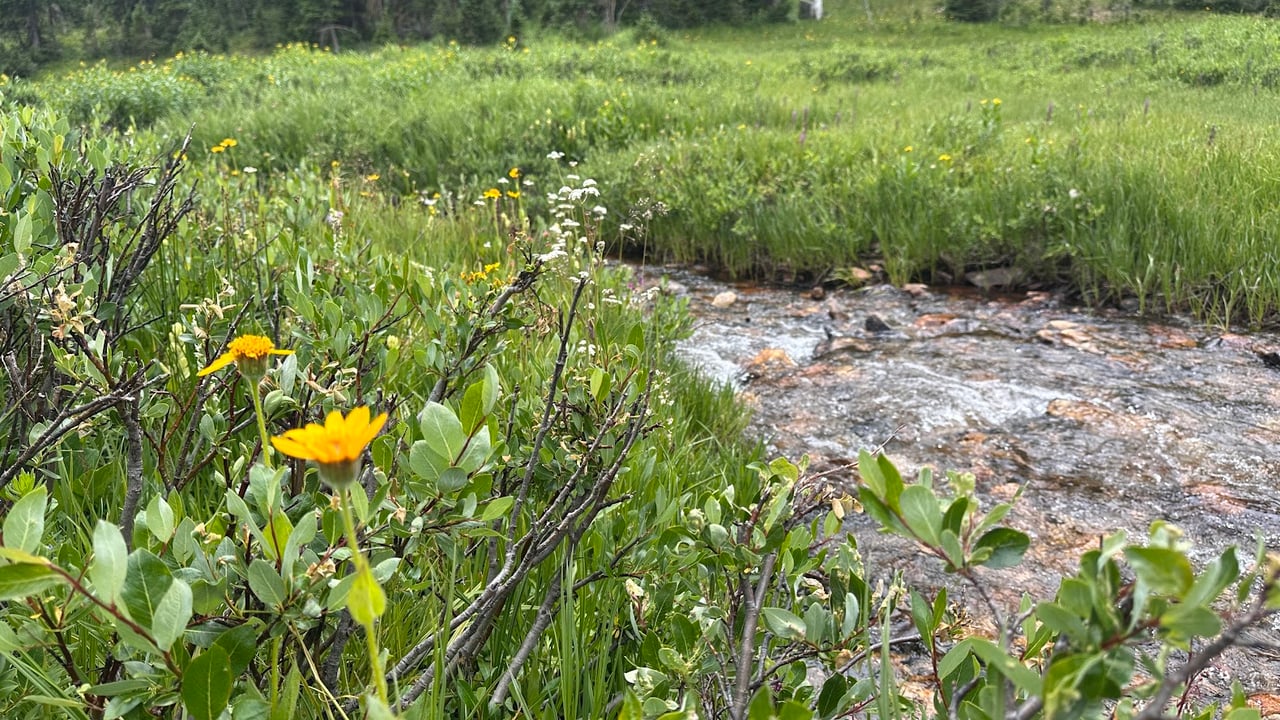
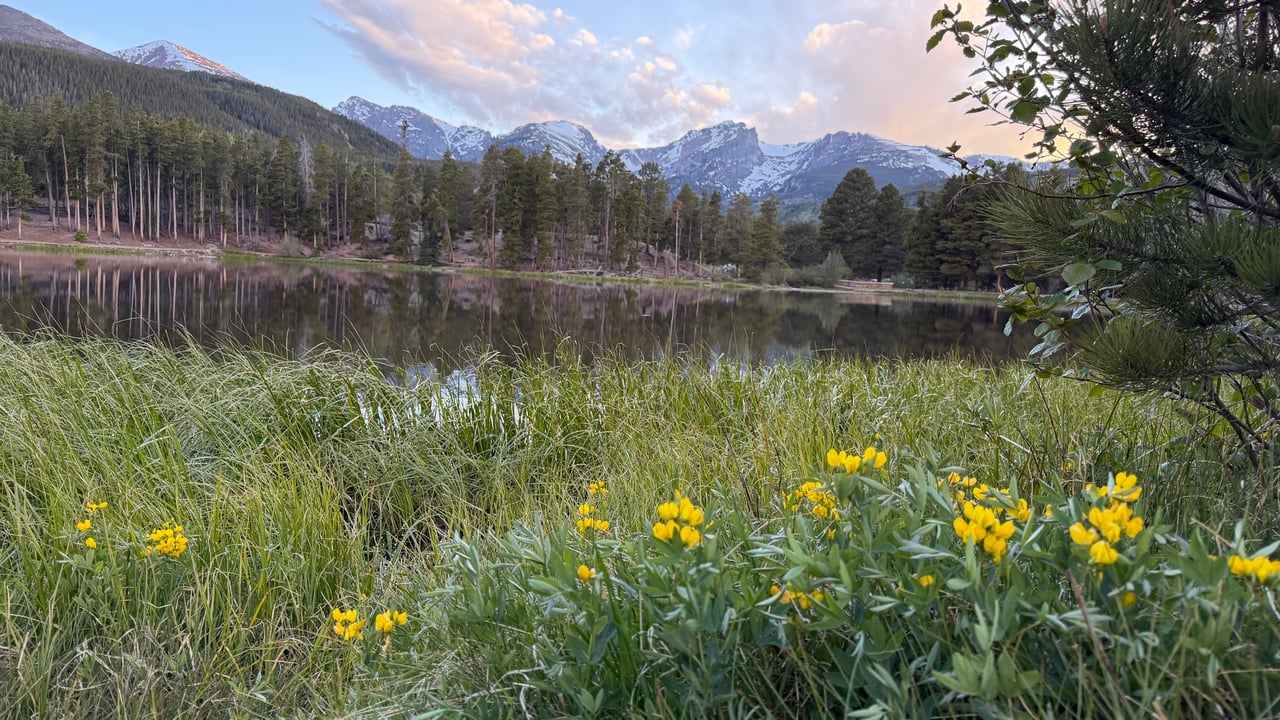
In early to mid-summer, there are small, easy-to-miss patches of wildflowers tucked just off the road.
We’re talking vibrant clusters of Indian paintbrush, alpine sunflowers, and delicate purple asters.
Most people drive right past them.
Look for slight breaks in the trees or small open meadows. Pull over safely and take a short walk—you’ll find color explosions that feel like nature’s little secret.
4. The Switchback Views Everyone Rushes Through
Ironically, some of the best views are on the tightest turns, the ones people are too focused on navigating to fully appreciate.
Once you’ve cleared the turn, pull over at the next safe spot and look back.
You’ll see the road winding below you like a ribbon through the forest, with layers of mountains stacking up behind it. It’s one of the most photogenic perspectives on the entire drive—and hardly anyone stops for it.
5. The Alpine Tundra Silence Near the Top
Near the top, just before you reconnect with Trail Ridge Road, there’s a moment where everything goes still.
No rushing water. Fewer trees. Just wind and wide-open space.
Step out of your car.
The silence up here isn’t empty, it’s expansive. It feels like standing inside a pause button. The kind of quiet that resets your brain in the best way possible.
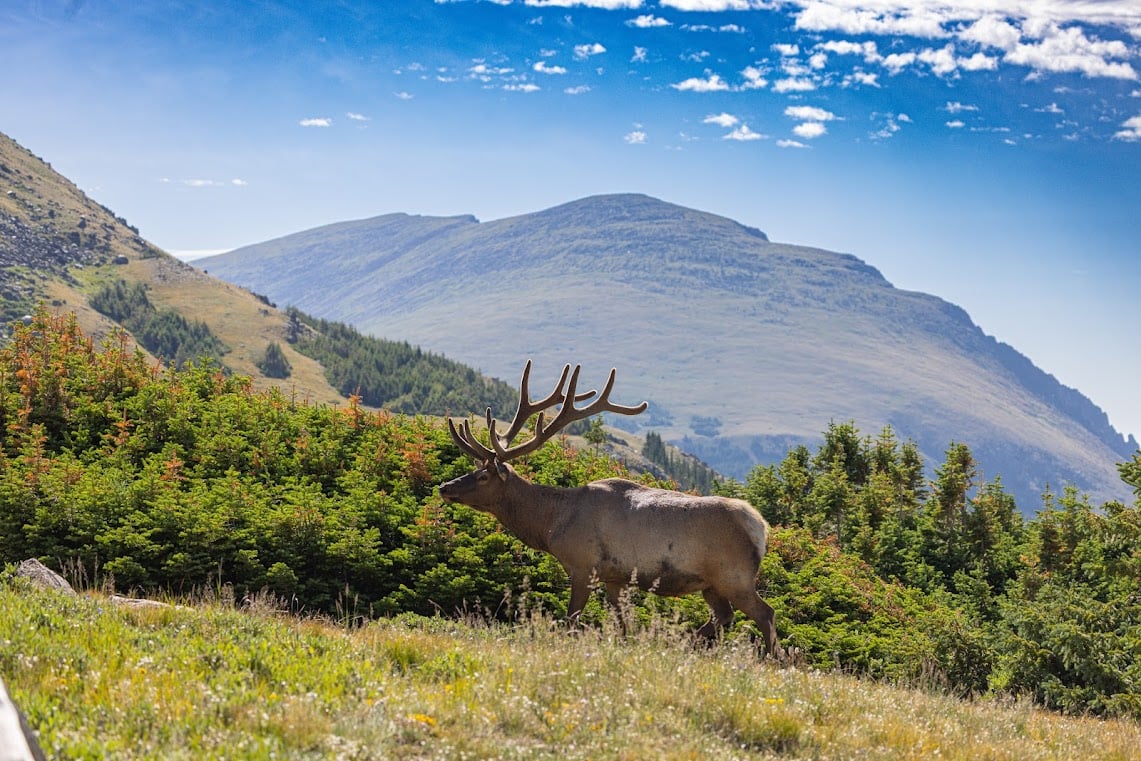
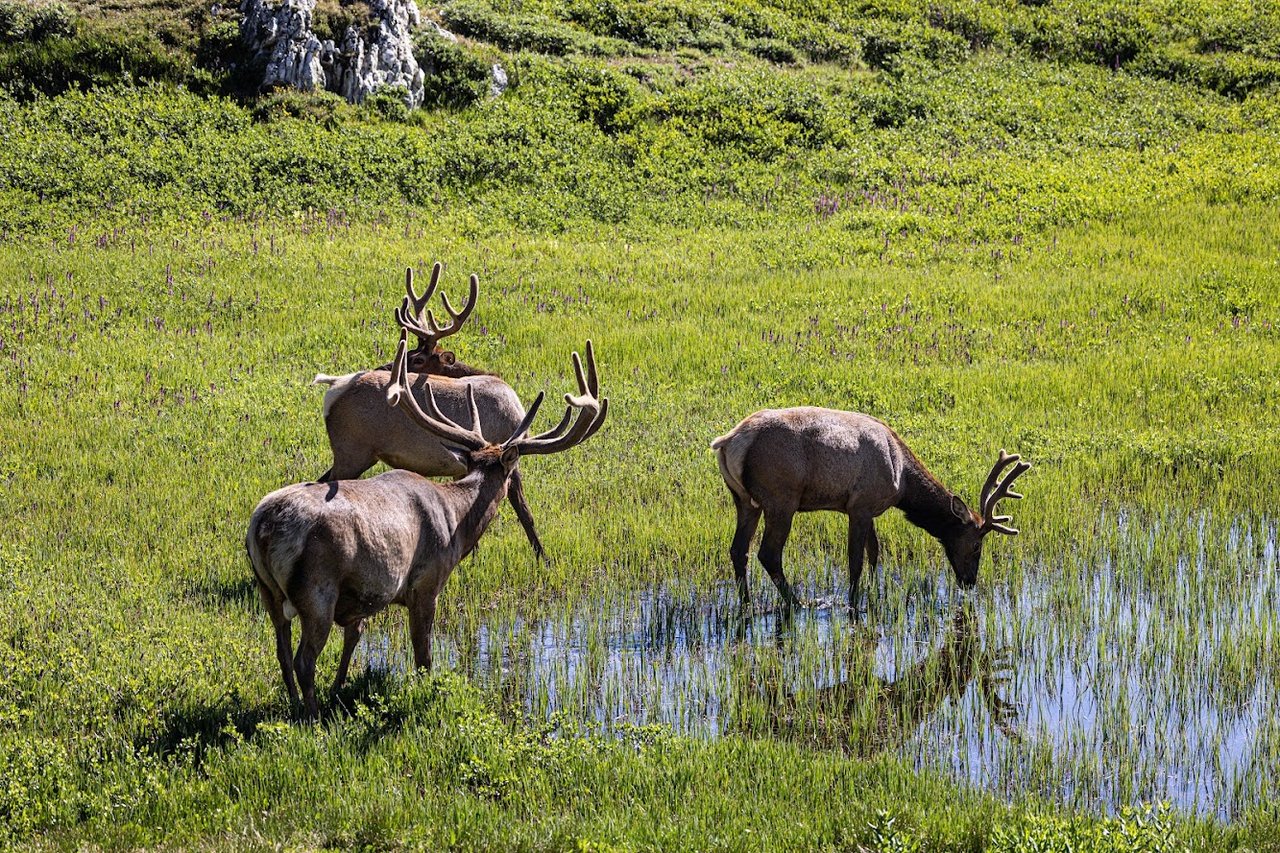
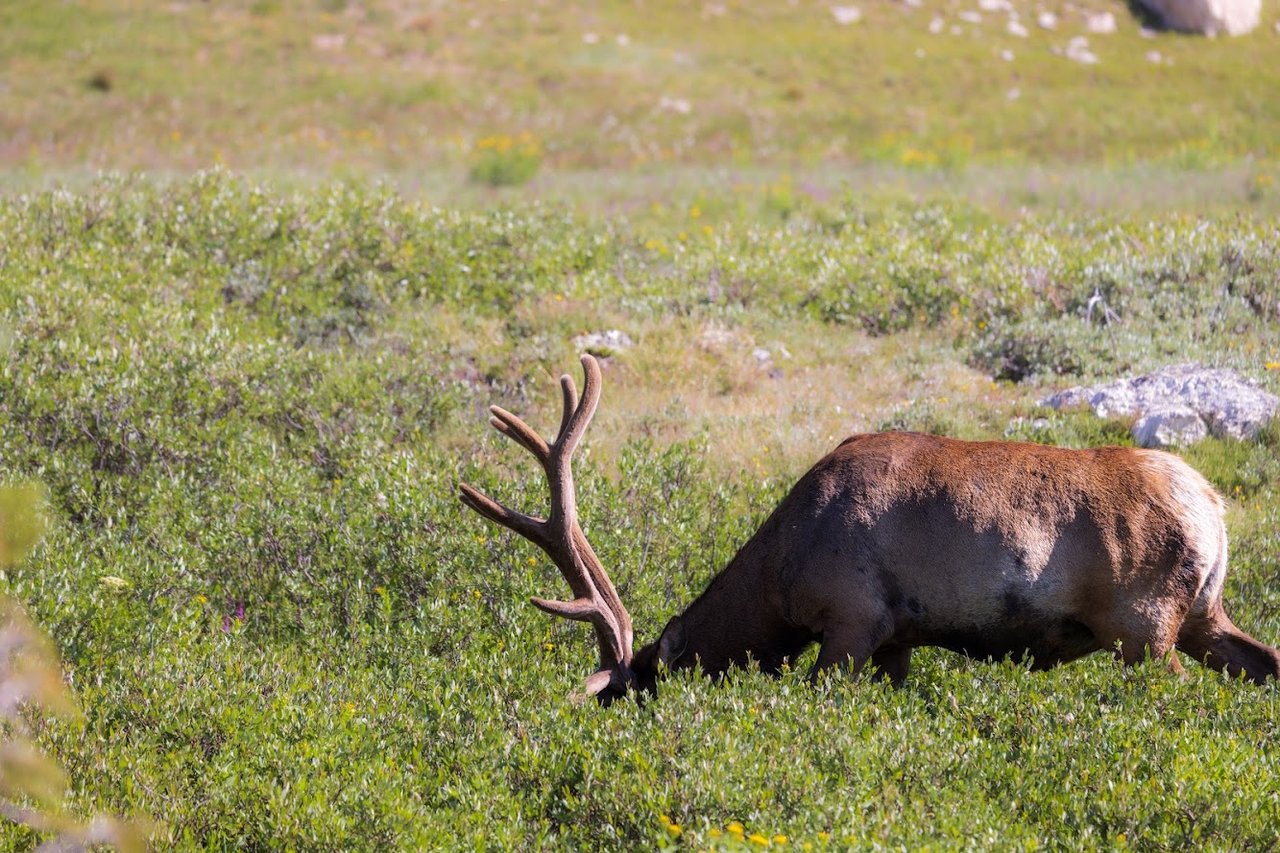
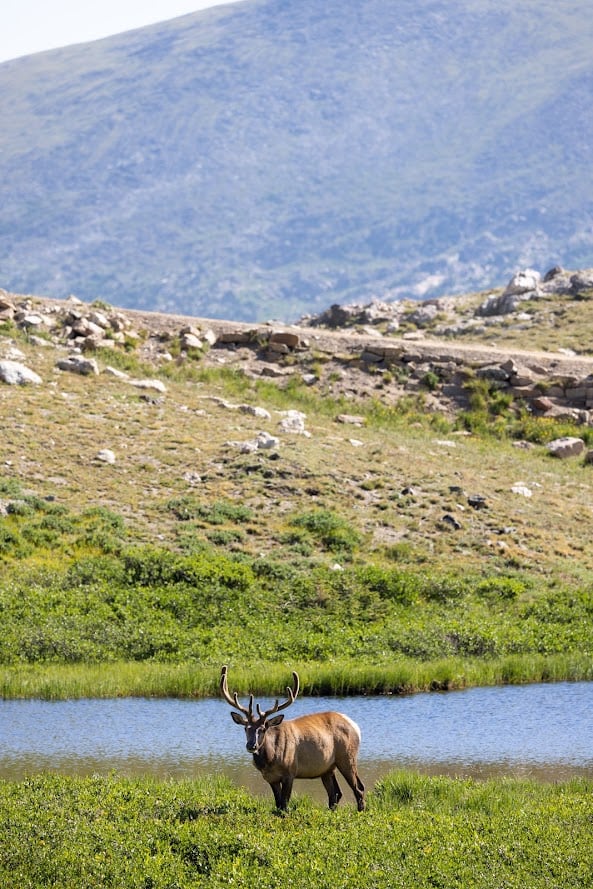
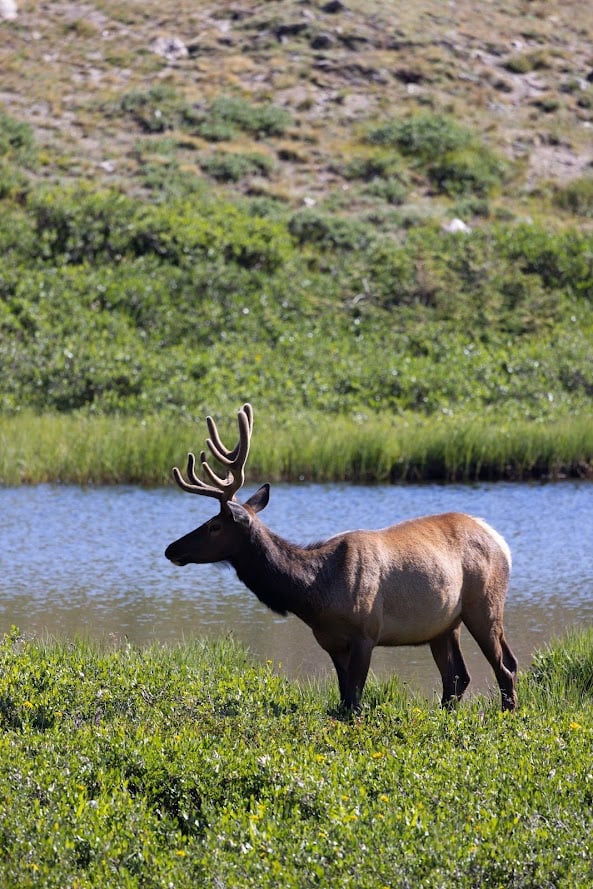
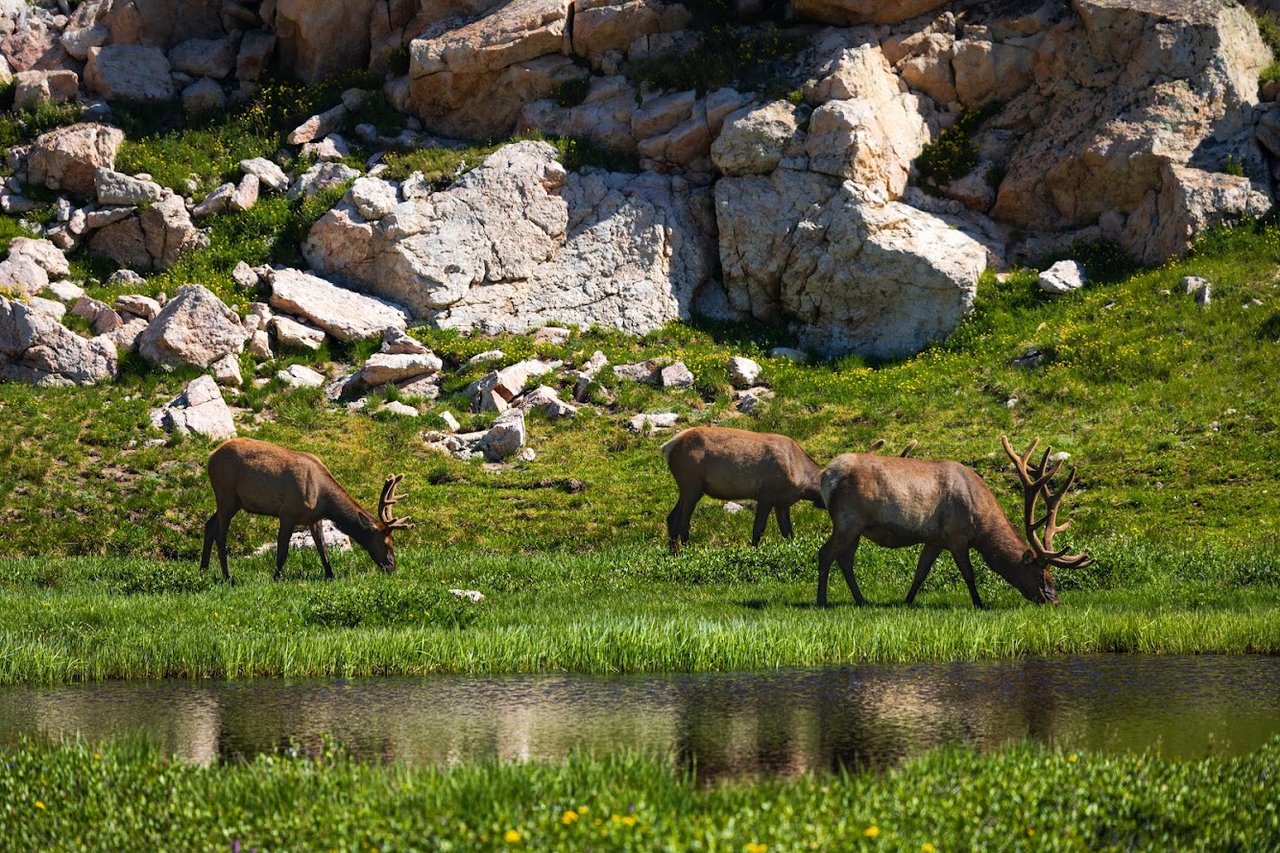
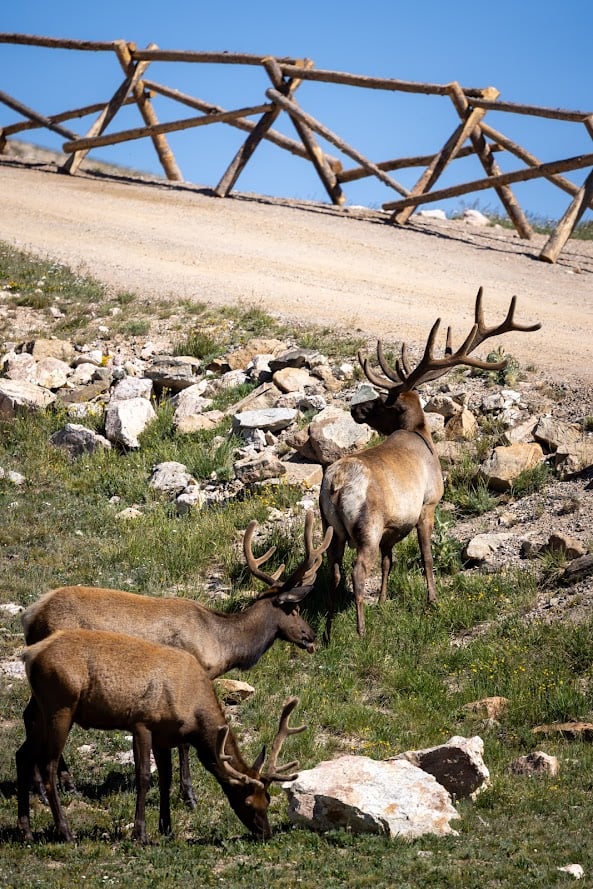
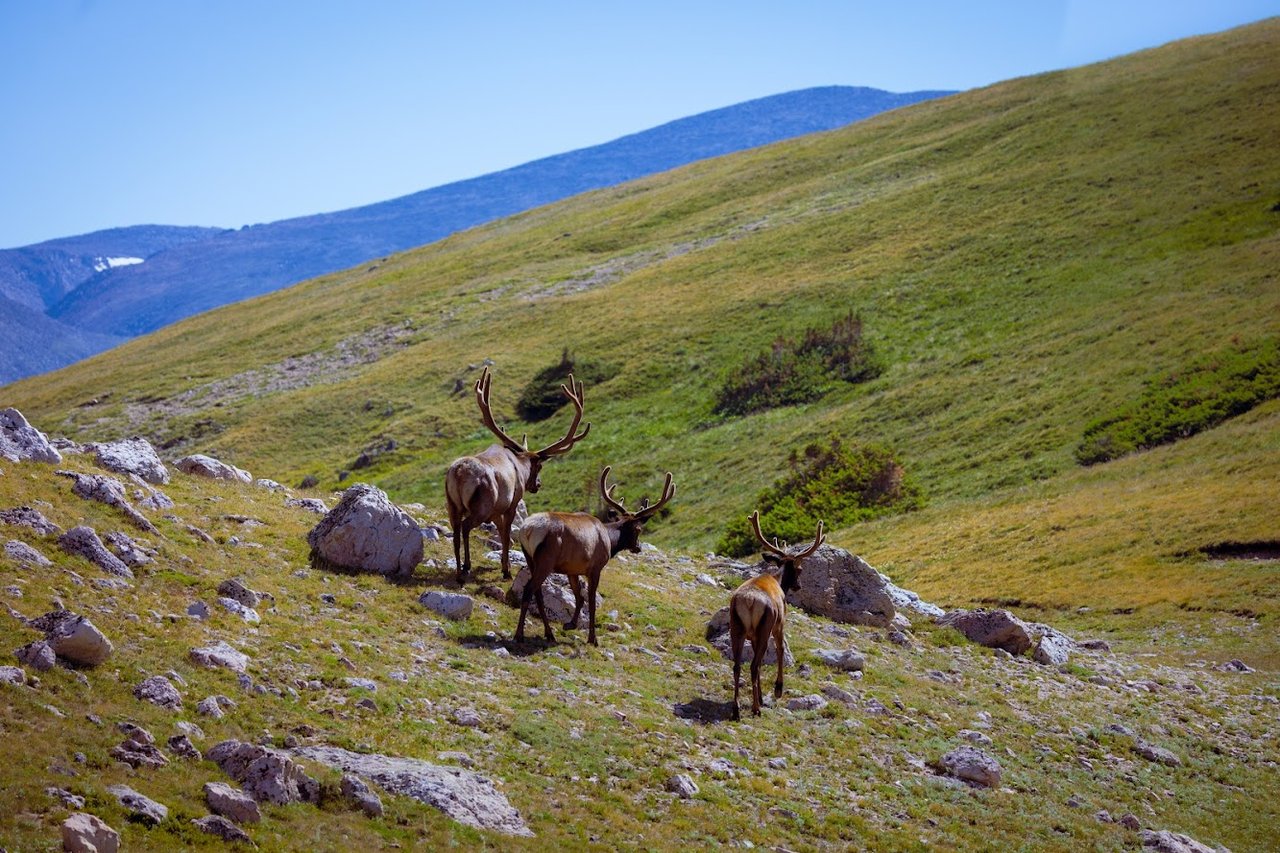
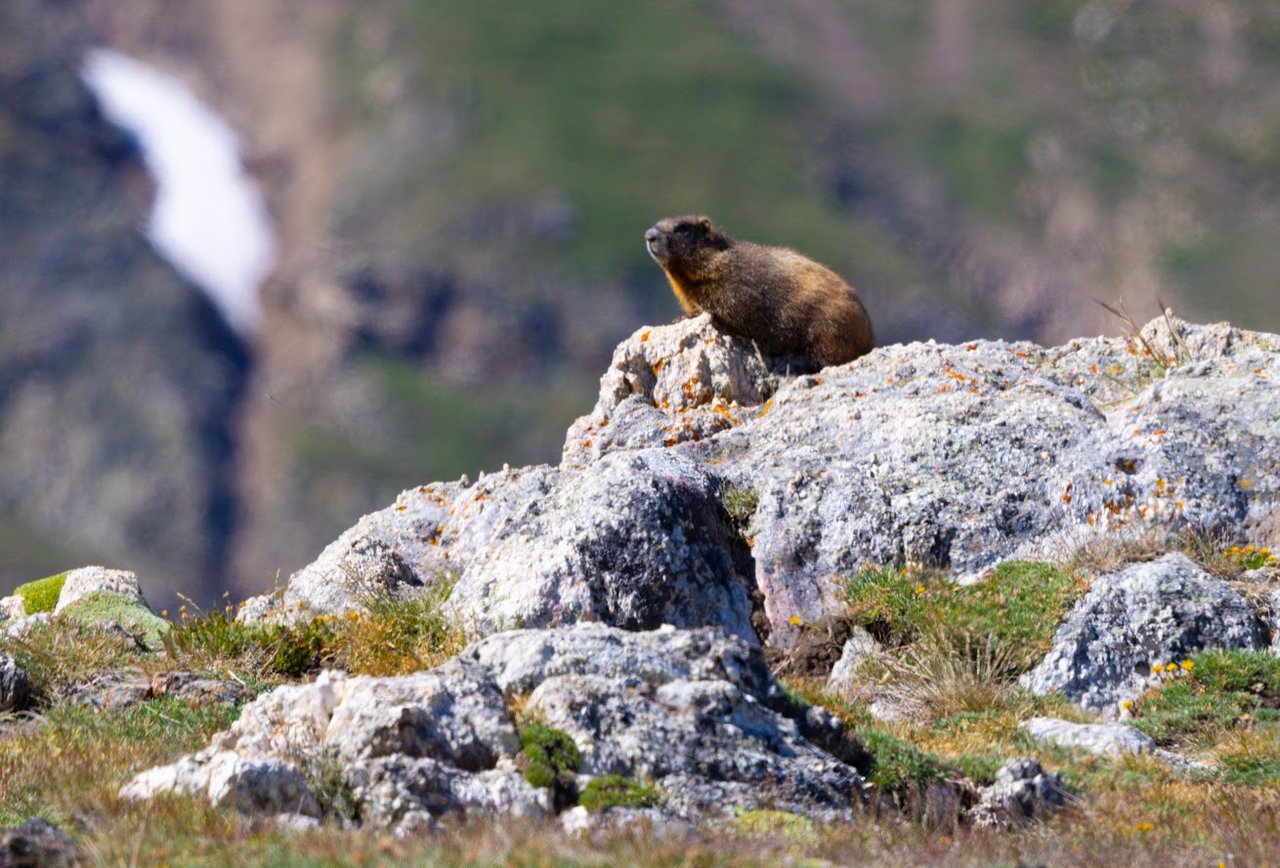
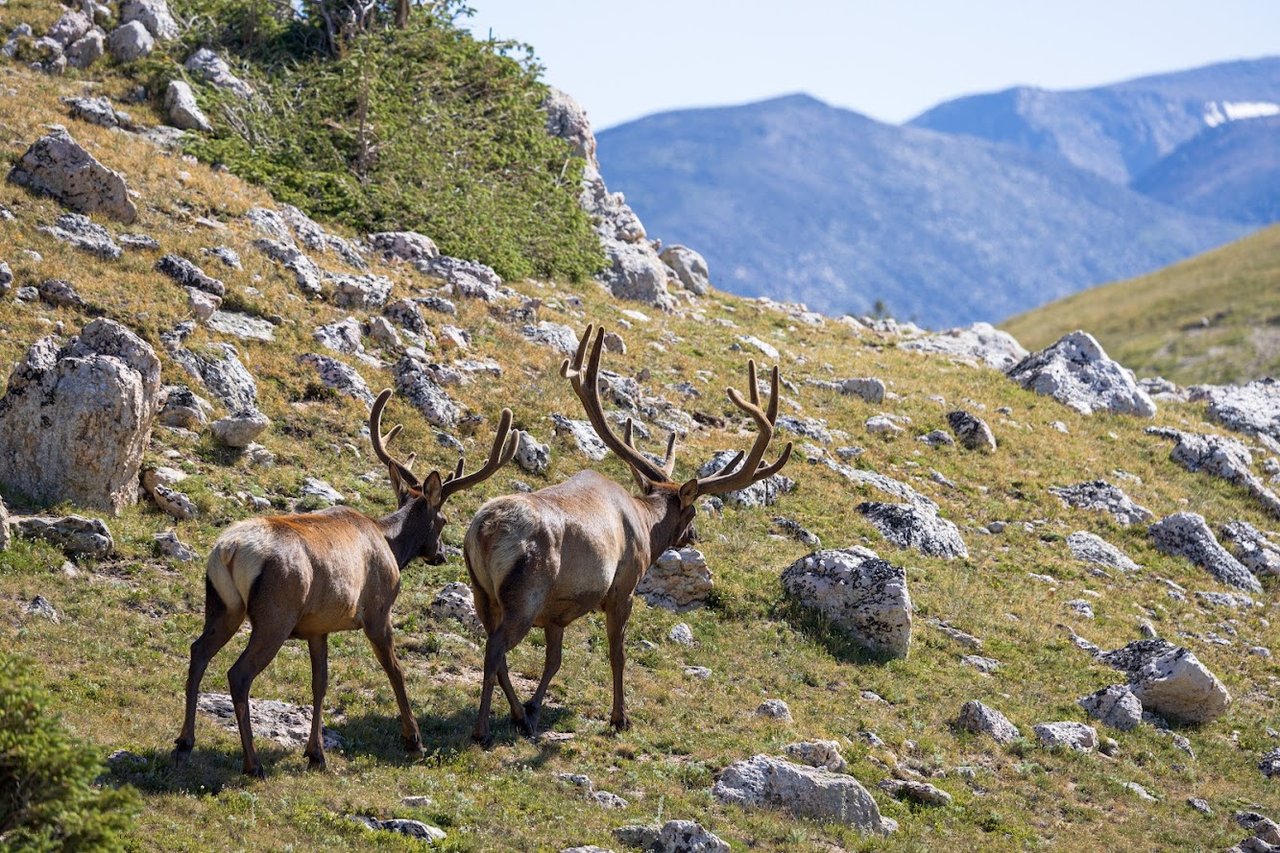
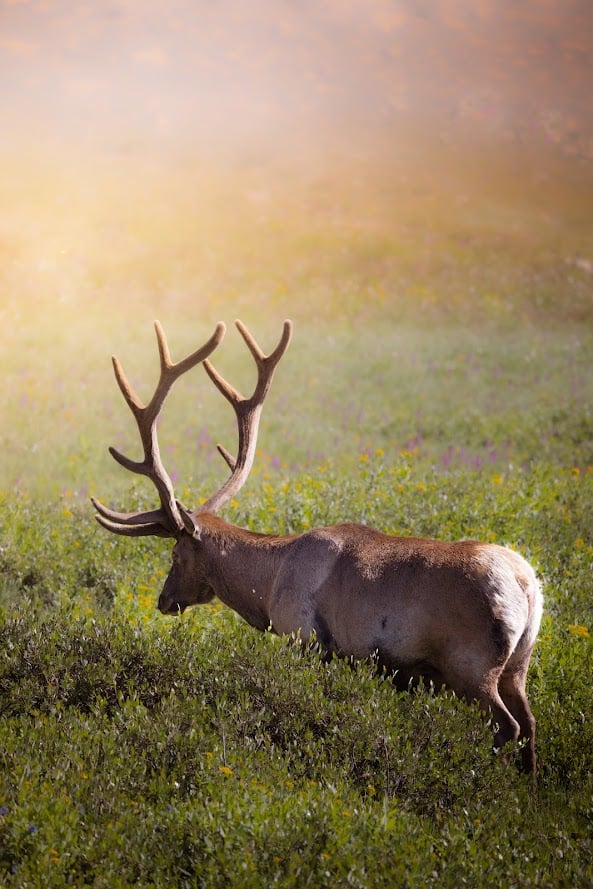
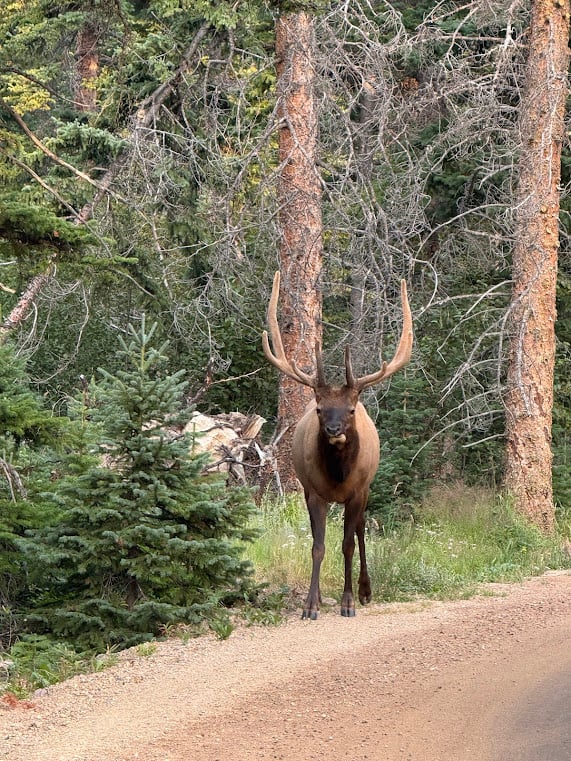
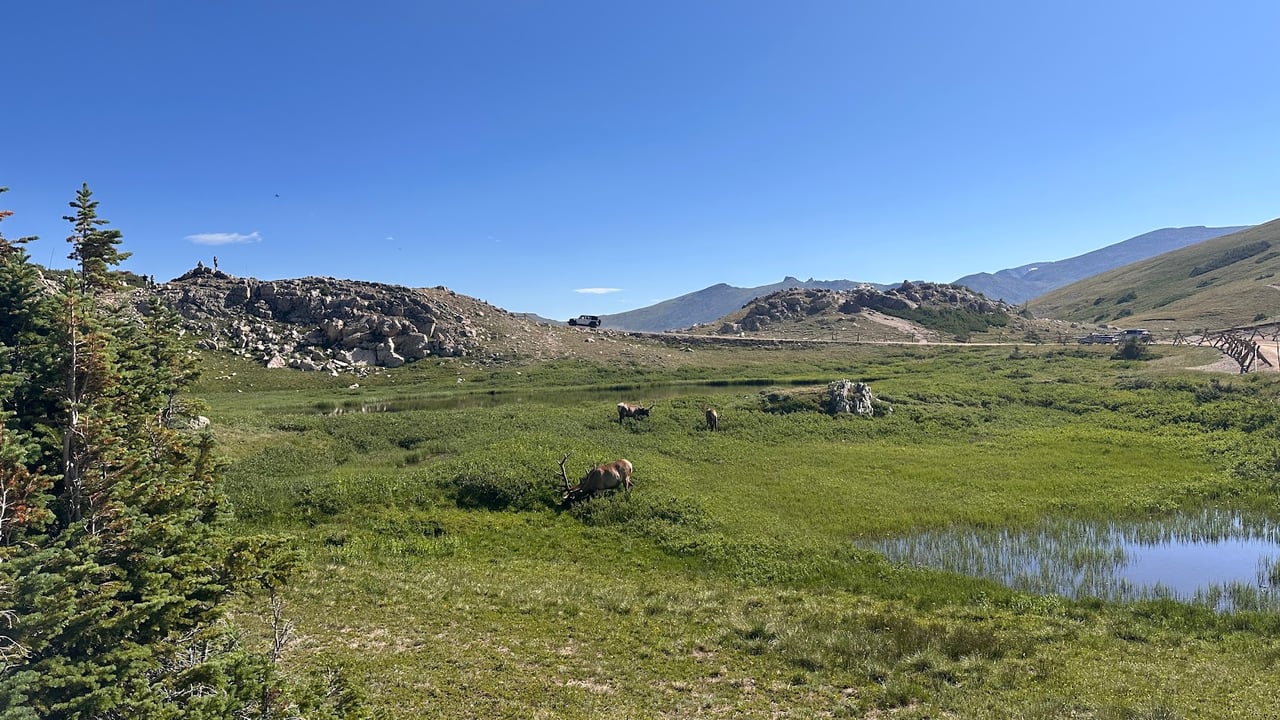
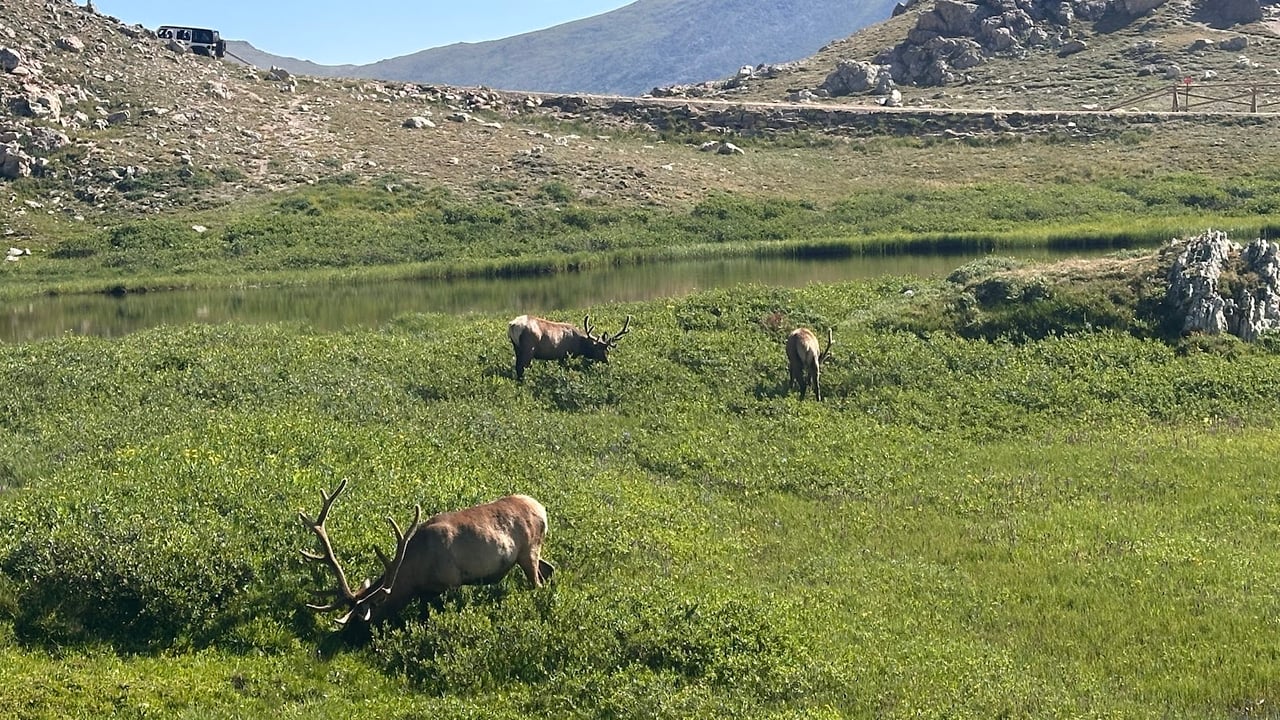
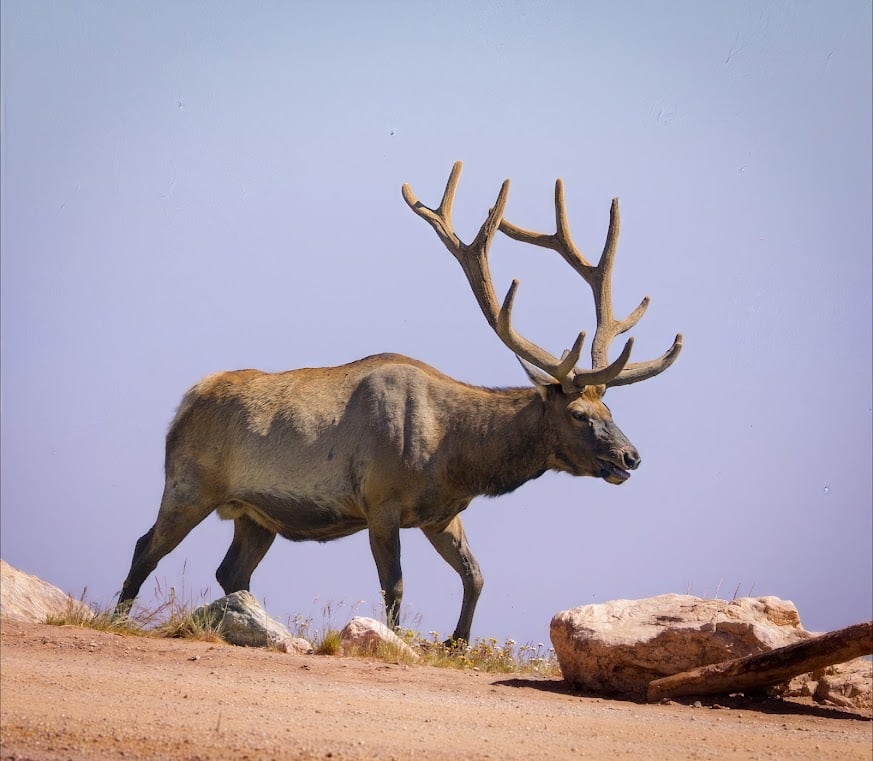
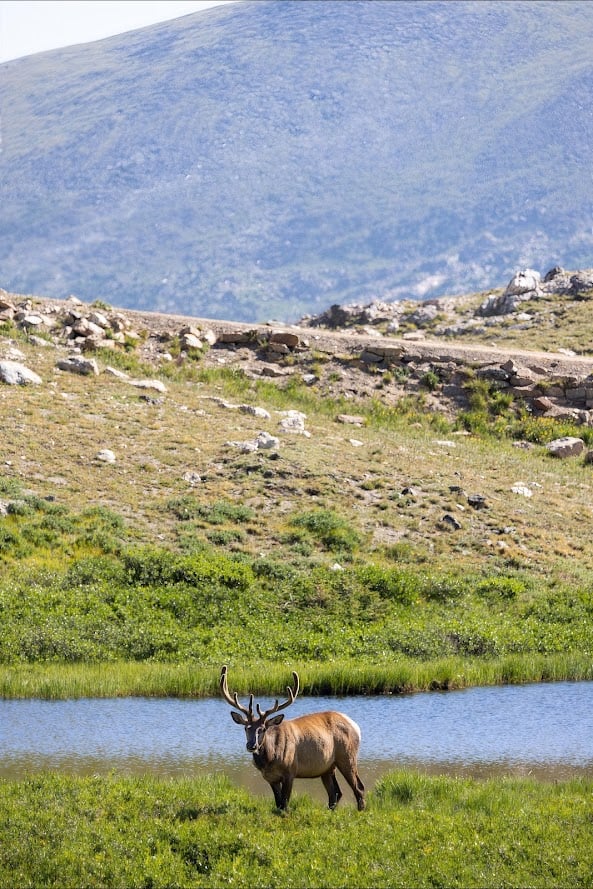
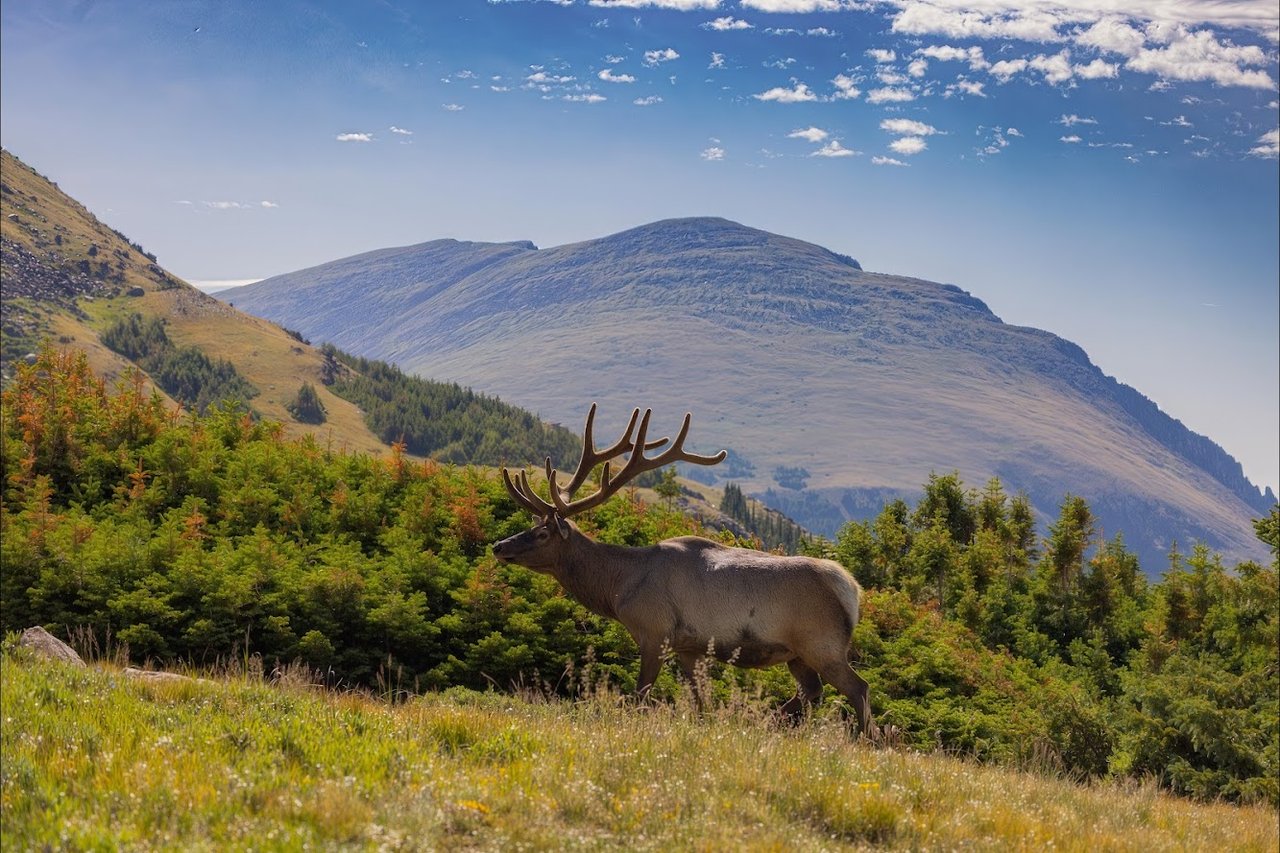
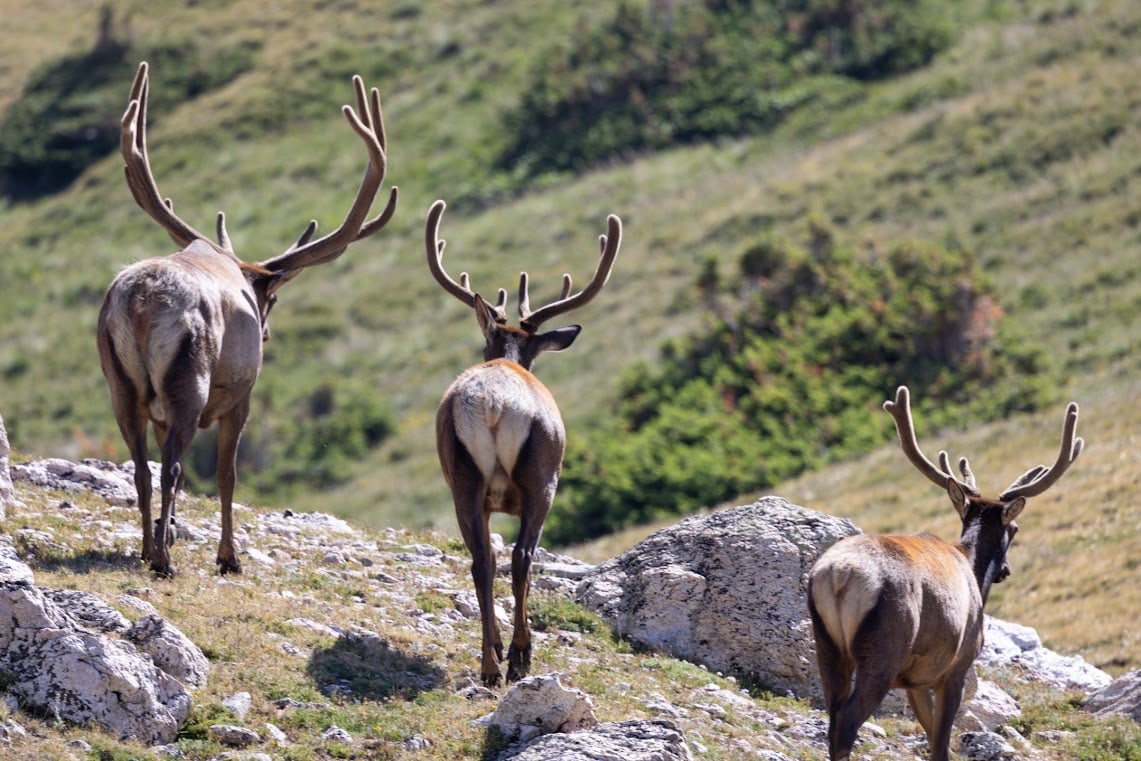
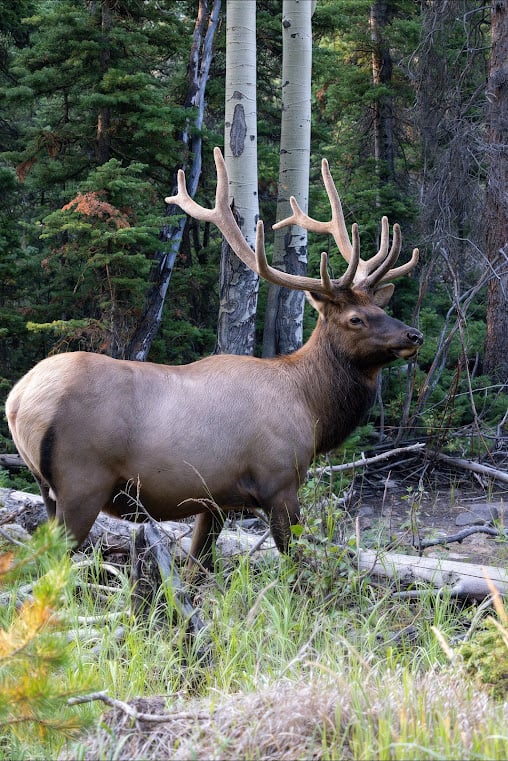
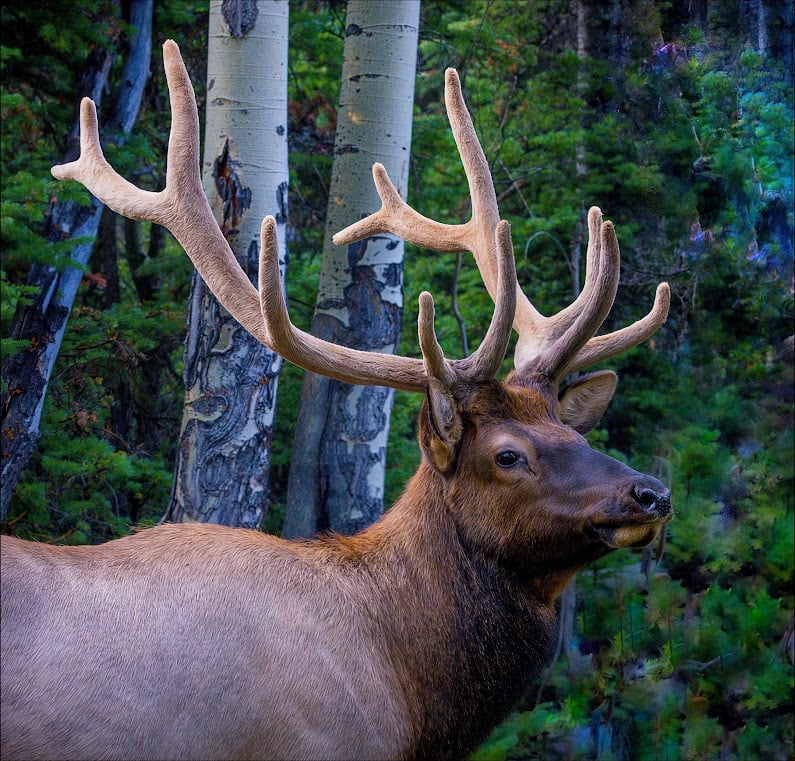
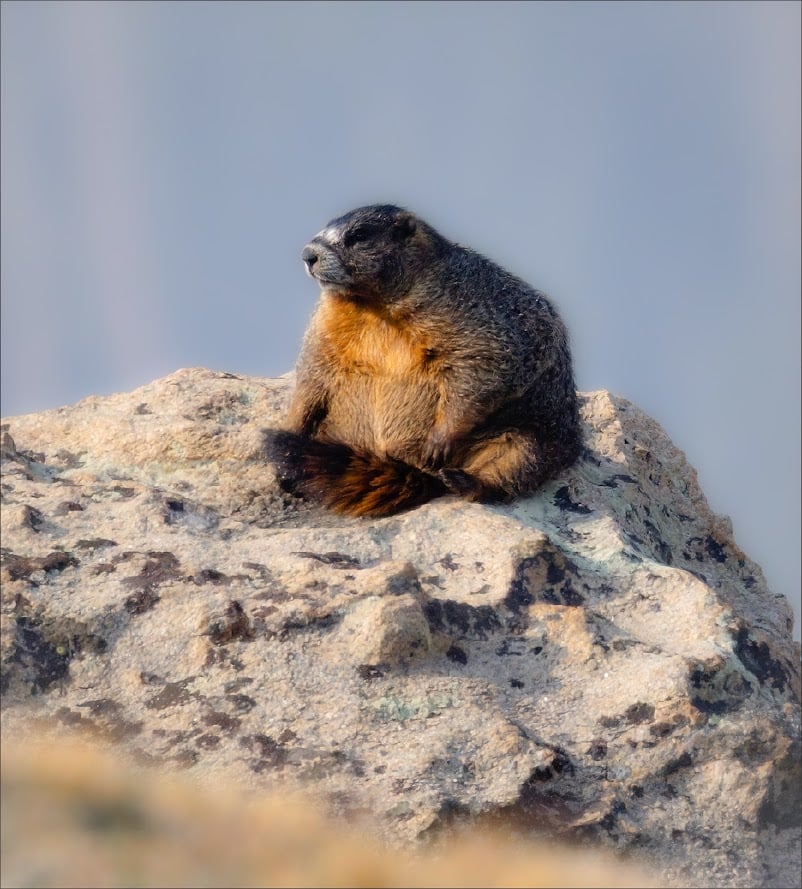
And if you’re lucky? You might spot elk grazing in the distance or a marmot darting between rocks.
What It Feels Like (And Why It Sticks With You)
Old Fall River Road isn’t about checking a box.
It’s about slowing down enough to notice things most people overlook: the way sunlight filters through pine needles, the scent of rain hitting dust, the sound of wind shifting as you climb higher.
It’s about trading convenience for connection.
In a world of paved highways and GPS directions, this road asks something different of you. It asks you to be present. To pay attention. To feel where you are not just pass through it.
And that’s why it sticks.
When to Go (And What to Know)
This road is typically open seasonally, usually late spring through early fall, depending on snow conditions. Always check the park’s current road status before heading out, because Colorado weather doesn’t mess around.
A few quick tips:
Go early or late to avoid crowds
Take it slow this isn’t a race
Bring water (altitude is real up here)
Fill your tank beforehand (no services on the road)
Don’t skip the pull-offs, they’re the whole point
Final Thought: This Is Colorado at Its Best
If Trail Ridge Road is Colorado’s highlight reel, Old Fall River Road is the behind-the-scenes footage, the raw, unedited version that tells the real story.
It’s a little dusty. A little wild. A little unpredictable.
And completely unforgettable.
So next time you’re heading up to Rocky Mountain National Park, skip the rush. Take the long way. Roll the windows down.
Let the mountains speak.
They’ve been waiting.