Relocating to Colorado Springs from out of state means adjusting to mile-high elevation, a housing market priced well below Denver's, and a local economy anchored by the military rather than tourism alone.
Relocating to Colorado Springs from out of state brings real financial upside alongside a physical adjustment many movers don't expect before the truck arrives. The city sits about 70 miles south of Denver at roughly 6,035 feet elevation, with a dry climate and around 300 days of sunshine a year that shape daily routines more than most newcomers realize. Median home prices run around $476,000 as of 2026, a general estimate that shifts with the market and is worth confirming with a local source, roughly $100,000 below comparable Denver-metro pricing. That gap gives people leaving pricier markets real buying power, not just a line in a listing brochure. Military installations anchor a large share of the local economy, and aerospace and defense contractors, plus a growing remote-work population, add depth beyond tourism that most newcomers underestimate.
Key Takeaways
- Colorado Springs prices run roughly $100,000 below Denver-metro pricing for comparable homes, a structural advantage for newcomers leaving costlier markets.
- Elevation (about 6,035 feet) and dry air require a real adjustment period: hydration, alcohol tolerance, sun exposure, and exercise recovery all shift for the first few weeks.
- The economy rests on four military installations, defense contractors, healthcare systems, and a growing remote-work population, not just tourism.
- Neighborhood choice matters early: Old Colorado City, Manitou Springs, Briargate, the Broadmoor area, and the Fountain/south-side corridor each offer a different pace and price point.
- Military families relocating here often find BAH covers local rents well and VA loans open zero-down paths to ownership.
Why Out-of-State Movers Are Choosing Colorado Springs
Colorado Springs sits about 70 miles south of Denver, a straightforward interstate drive that keeps a major metro within reach without the pricing that comes with it. Median home values run around $476,000 as of 2026, an estimate that moves with market conditions and deserves a check against current numbers, but it lands roughly $100,000 below comparable Denver-metro homes. That gap lets families leaving more expensive markets buy more house, often on a bigger lot, than they could an hour and a half north. Anyone weighing the move should look at where the market stands right now rather than assume last year's figures still hold.
A Newer, Larger Housing Stock
Housing stock across Colorado Springs leans newer and sits on larger lots than much of the Denver metro offers at a similar price point. Many neighborhoods give buyers more square footage and yard space per dollar than an equivalent Denver-area listing, a pattern tied to how much later the city's outward growth happened compared to Denver's older core. Families used to a postage-stamp yard elsewhere often name the extra outdoor space as one of the bigger surprises of the move.
The Altitude and Climate Adjustment Newcomers Don't Expect
Newcomers from lower elevations tend to underestimate how much 6,035 feet changes daily life in the first few weeks. Dry air and thinner oxygen affect hydration needs, alcohol tolerance, and how quickly the body recovers from a workout or a hike. Sunburn risk climbs too, since roughly 300 days of sunshine a year combine with elevation to intensify UV exposure even on cool days. None of this is dangerous, but it catches movers from sea-level cities off guard often enough to plan for.
Local Tip: New arrivals usually notice the altitude difference on a first hike or a first drink before anything else. Extra water and a slower pace for the first couple of weeks head off most of the discomfort.
Adjusting Indoors: Dry Air and Static
Colorado Springs' dry climate follows movers indoors as well. Static electricity becomes a daily annoyance, skin and lips chap faster than they did in a more humid climate, and houseplants or gardens often need a different watering rhythm than what worked back home. A humidifier and a revised watering schedule solve most of it within a season.
What Does Housing Actually Cost in Colorado Springs?
Median home prices in Colorado Springs run around $476,000 as of 2026, though that figure moves with the market and newcomers should confirm current numbers before setting a budget. That price sits roughly $100,000 below comparable Denver-metro homes, a gap wide enough to change what a family can afford without changing their income at all. For a closer look at how prices have moved and where the market stands now, the real estate trends in Colorado Springs breakdown tracks the local numbers directly.
That affordability holds up because the job base underneath it is stable. Military installations, aerospace and defense contractors, and a growing healthcare sector give the local economy a floor that tourism-dependent markets don't have, which keeps housing demand steady even when travel spending dips.
Choosing a Neighborhood as a Newcomer
Where to land is often the hardest decision for a mover who doesn't know the city yet, and a wrong first guess can mean a second move within a year. Old Colorado City, Manitou Springs, Briargate, and the Broadmoor area each draw a different kind of household, and the Fountain/south-side corridor pulls a fifth crowd entirely. A quick look at what each offers helps newcomers narrow the list before they start touring.
Neighborhood | Feel | Best Fit |
|---|---|---|
Old Colorado City | Walkable, historic character | Newcomers wanting an established, pedestrian-friendly core |
Manitou Springs | Artsy, mountain-town feel just west of the city | Buyers drawn to a slower pace and a creative community |
Briargate | Newer construction, family-oriented, north side | Families prioritizing newer schools and newer homes |
Broadmoor area | Established, upscale, near Cheyenne Mountain | Buyers wanting a settled, higher-end setting |
Fountain / south Colorado Springs | More affordable, close to Fort Carson and south-side employers | Military families and value-focused buyers |
Families relocating for Fort Carson or a south-side employer often look specifically at Fountain and the south Colorado Springs area, which tends to run more affordable than the city's north side. That price gap, combined with a shorter commute to post, makes it a common landing spot for military households even on a first assignment to the region.
Once a short list of neighborhoods comes into focus, the next step is figuring out what actually matters inside the home itself, not just the zip code. The home-searching checklist covers what to look for beyond square footage, which matters more once the neighborhood decision is settled.
Relocating for Fort Carson or a Military Assignment
Military households make up a large share of Colorado Springs relocations, and the underlying economics work differently for them than for civilian movers. Fort Carson, Peterson Space Force Base, Schriever Space Force Base, and the Air Force Academy anchor a large share of local employment and housing demand, and each pulls families toward a different part of the city depending on the assignment.
Basic Allowance for Housing and Local Rents
Basic Allowance for Housing generally covers local rents adequately at mid-grade and senior enlisted pay grades, which eases some of the budgeting pressure compared to higher-cost duty stations. BAH rates and local rents both shift over time, so families should confirm current figures rather than lean on numbers from a previous assignment.
VA Loans and Homeownership
VA loans offer zero-down options for many E-5-and-above families with dependents, which turns homeownership into a realistic option on a first PCS move rather than something to defer until later. Paired with prices that already run below Denver-metro levels, that zero-down path lets military families build equity faster than they might expect. The military housing options in Colorado Springs guide walks through on-post versus off-post decisions in more depth.
Commissary Savings and Other On-Base Perks
The local commissary offers real grocery savings, roughly 20 to 30 percent below civilian prices, a benefit that adds up over a normal assignment and is worth factoring into a household budget alongside housing costs (grocery savings shift with pricing and location, so it's worth checking current numbers). Active-duty service members also get free access to national parks, including Rocky Mountain National Park and Great Sand Dunes, through the America the Beautiful pass program, which pairs naturally with a region already built around outdoor access. Families working through a PCS move can also lean on Pink Realty's military relocation resource for a Colorado Springs-specific starting point.
Is Outdoor Access Really Part of Daily Life Here?
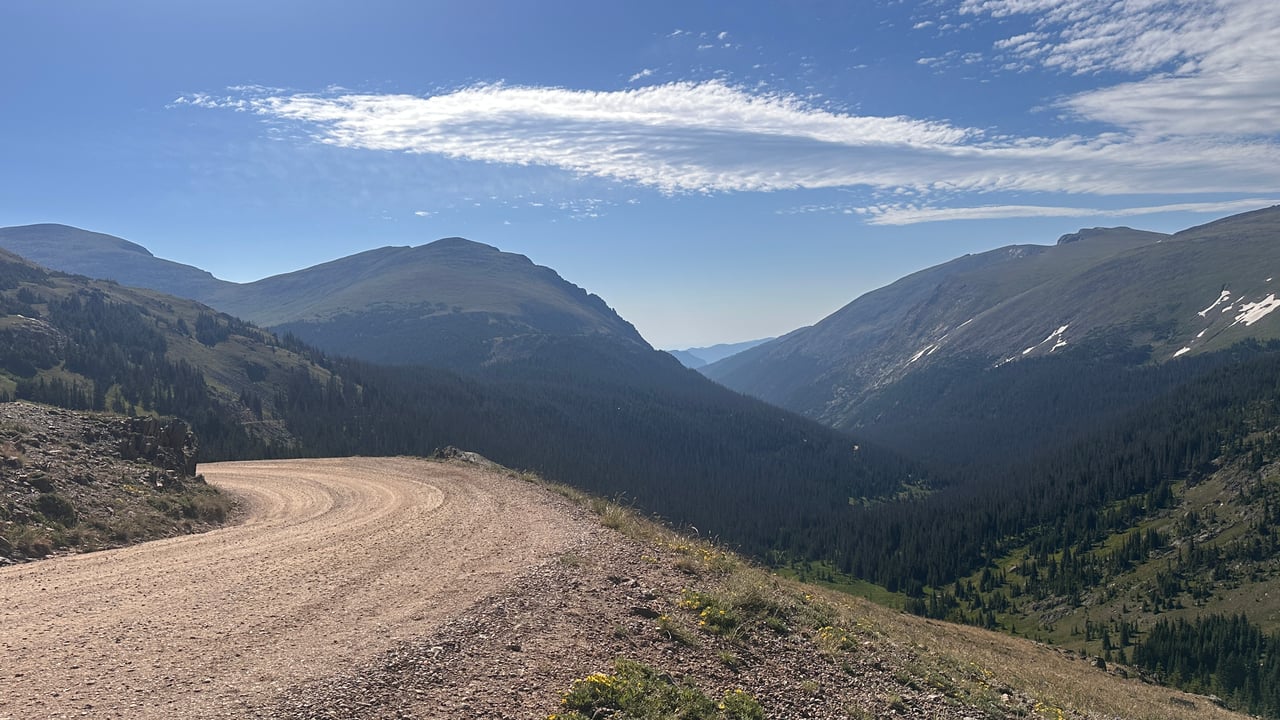
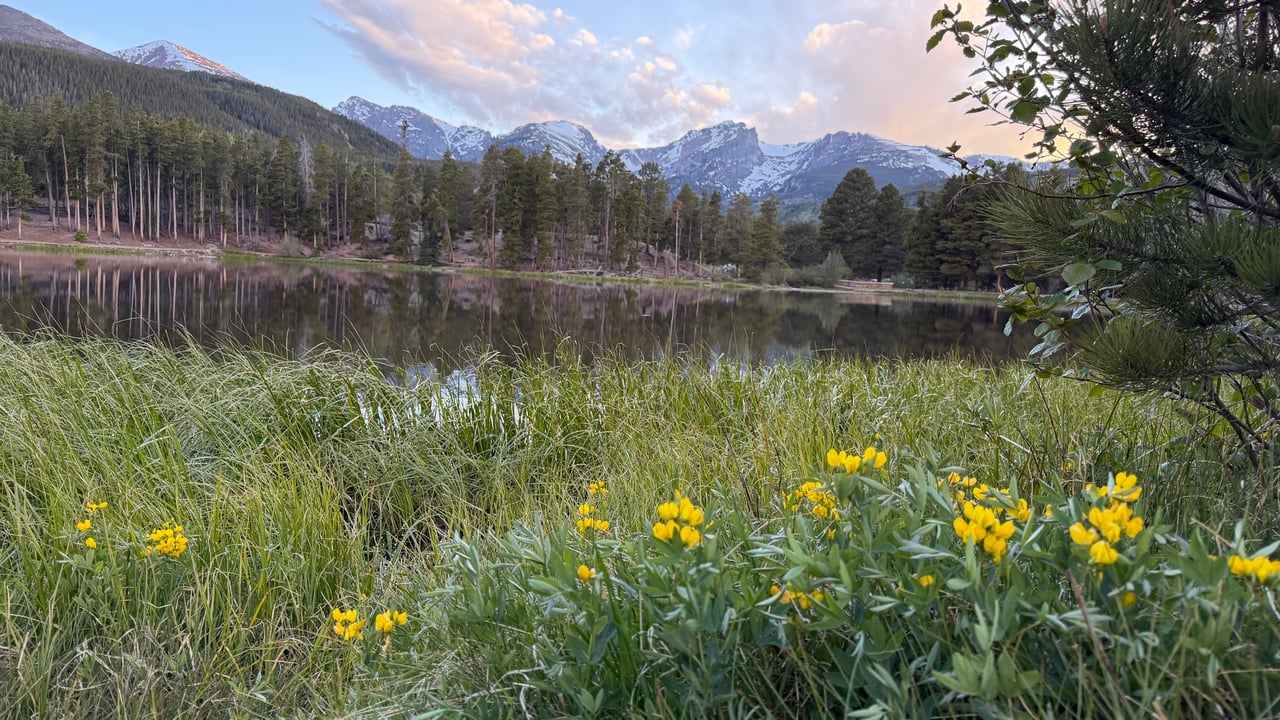
Outdoor access functions as a daily-life feature in Colorado Springs, not an occasional weekend indulgence reserved for visitors. Garden of the Gods operates as a free city park with no entrance fee, which turns it into a regular dog-walking and after-work-run destination for residents rather than a once-a-visit stop. Hiking trails reach into most parts of the city, and Pikes Peak and the foothills shape everyday routines in a way that's unusual compared to flatter, denser metro areas.
Main Takeaway: Outdoor access in Colorado Springs isn't confined to weekends. Free parks, nearby trailheads, and mountain views built into daily commutes make it a lifestyle factor newcomers should weigh alongside price and neighborhood.
Planning the Logistics of the Move
Choosing a neighborhood and understanding the cost gap only solves part of the relocation puzzle. Timing a move around school calendars, PCS orders, or a job start date affects everything from moving-company availability to how much house a family can close on before they need keys in hand. The tips for a smooth relocation to Colorado Springs cover the logistics side in more depth, from timing the move to what to pack first.
Working with a local team matters more in a market like this than in a generic suburb, since pricing, neighborhood character, and military-specific programs all vary block by block and post by post. A team that already knows the local altitude quirks, school boundaries, and BAH-adjacent rental patterns can shortcut a lot of the trial and error a newcomer would otherwise face alone.
Anyone relocating to Colorado Springs from out of state deserves a local team that already knows which neighborhood fits, what the altitude adjustment actually feels like, and how the current market stacks up against wherever they're moving from. Pink Realty, led by Monica Breckenridge and Russ Breckenridge, has helped families move into every corner of this market, and browsing current Colorado Springs homes for sale is a natural next step once the basics above start to feel familiar.