By Pink Realty
Imagine the anticipation of finding that perfect Colorado Springs home—the one where you envision new beginnings, meaningful milestones, and cherished memories. As you stand on the brink of ownership, there’s one crucial step that will transform your excitement into unwavering confidence: the home inspection. This process is so much more than a formality; it’s your opportunity to truly get to know the property you’re about to call home.
Think of the home inspection as your personal guide, shining a light into every corner and revealing what you might not notice at first glance. When you’re equipped with detailed, actionable knowledge, you unlock the power to make decisions that serve your future. Let’s uncover how the home inspection can shape your journey—and help you walk into closing day feeling empowered and ready for what’s next.
Key Takeaways
- Inspectors evaluate a comprehensive list of systems, components, and features, offering clear insight into the property’s current state and any areas of concern.
- The inspection report gives you essential knowledge for negotiation, planning, and confident ownership.
- This process sets you up for a seamless transition from buyer to homeowner.
Understanding the Power of a Home Inspection
In the world of Colorado Springs real estate, the home inspection is your most powerful tool for making an informed, strategic purchase. Far beyond a casual walk-through, the inspection is a deep dive into the mechanics, structure, and integrity of your potential new home.
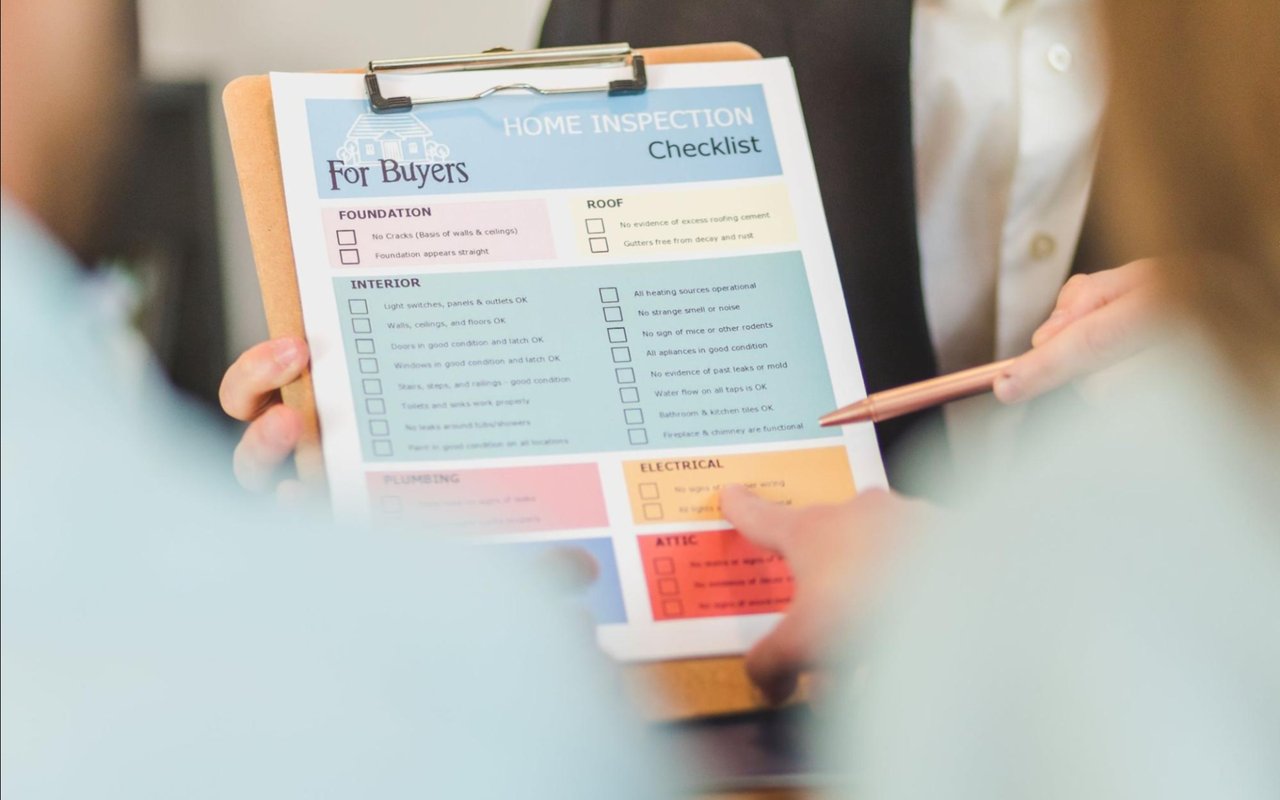
An experienced inspector brings a trained eye and a comprehensive checklist, zeroing in on features that matter most. Their findings provide a snapshot of the home’s true condition—enabling you to anticipate expenses, plan for upgrades, and negotiate from a place of strength. For most buyers, this insight becomes a pivotal turning point; you’ll know exactly what you’re stepping into, down to the details that might otherwise go unnoticed.
The real benefit? Clarity and peace of mind. Rather than guessing about the home’s hidden story, you’ll walk away with the facts. This knowledge empowers you to make decisions that match your goals, budget, and long-term plans.
An experienced inspector brings a trained eye and a comprehensive checklist, zeroing in on features that matter most. Their findings provide a snapshot of the home’s true condition—enabling you to anticipate expenses, plan for upgrades, and negotiate from a place of strength. For most buyers, this insight becomes a pivotal turning point; you’ll know exactly what you’re stepping into, down to the details that might otherwise go unnoticed.
The real benefit? Clarity and peace of mind. Rather than guessing about the home’s hidden story, you’ll walk away with the facts. This knowledge empowers you to make decisions that match your goals, budget, and long-term plans.
What Makes the Inspection So Important?
- It reveals any existing or potential repair needs that may not be apparent otherwise.
- It supports your financial decisions and negotiation strategy.
- It transforms uncertainty into confidence as you approach closing.
What Does a Home Inspector Look For?
The inspector approaches your home with careful attention, methodically assessing every aspect that could influence your investment.
Exterior and Grounds: Inspectors examine the siding, windows, doors, gutters, walkways, and more—evaluating how each element stands up to everyday use and the local environment. Driveways and patios are evaluated for signs of wear or shifting.
Roof and Attic: These areas are assessed for overall condition, proper installation, and any indications of leaks or deterioration. The attic’s insulation and ventilation are also checked, supporting the home’s comfort and efficiency.
Foundation and Structural Elements: Structural soundness is critical. Inspectors look for evidence of movement, water intrusion, or visible cracks, both outside and inside, to ensure your investment stands on solid ground.
Plumbing and Water Systems: Every visible pipe, fixture, and appliance is evaluated for leaks, water pressure, and functional performance. This includes hot water heaters and drainage.
Electrical System: Safety and compliance are paramount. The inspection covers panels, wiring, outlets, switches, and even the grounding system—ensuring everything is up to current standards.
Heating and Cooling: Your comfort matters, so heating and air conditioning systems are checked for proper operation, age, and routine maintenance.
Interiors and Appliances: Interior walls, floors, ceilings, and built-in appliances are assessed for damage, wear, or needed repairs, giving you a complete understanding of the home’s livability.
Ventilation and Insulation: Inspectors verify that the home is properly ventilated and insulated, which supports long-term comfort and energy savings.
Exterior and Grounds: Inspectors examine the siding, windows, doors, gutters, walkways, and more—evaluating how each element stands up to everyday use and the local environment. Driveways and patios are evaluated for signs of wear or shifting.
Roof and Attic: These areas are assessed for overall condition, proper installation, and any indications of leaks or deterioration. The attic’s insulation and ventilation are also checked, supporting the home’s comfort and efficiency.
Foundation and Structural Elements: Structural soundness is critical. Inspectors look for evidence of movement, water intrusion, or visible cracks, both outside and inside, to ensure your investment stands on solid ground.
Plumbing and Water Systems: Every visible pipe, fixture, and appliance is evaluated for leaks, water pressure, and functional performance. This includes hot water heaters and drainage.
Electrical System: Safety and compliance are paramount. The inspection covers panels, wiring, outlets, switches, and even the grounding system—ensuring everything is up to current standards.
Heating and Cooling: Your comfort matters, so heating and air conditioning systems are checked for proper operation, age, and routine maintenance.
Interiors and Appliances: Interior walls, floors, ceilings, and built-in appliances are assessed for damage, wear, or needed repairs, giving you a complete understanding of the home’s livability.
Ventilation and Insulation: Inspectors verify that the home is properly ventilated and insulated, which supports long-term comfort and energy savings.
What’s Included in a Typical Inspection?
- Assessment of exterior features, roofing, and landscaping.
- In-depth review of the foundation and all structural elements.
- Testing of plumbing, electrical, heating, and cooling systems.
- Evaluation of interior finishes and built-in appliances.
- Inspection of attic, insulation, and overall ventilation.
What Happens on Inspection Day?
Inspection day is your unique opportunity to see the home through an expert’s lens. The process usually takes two to four hours, depending on the home’s features and condition. Your attendance is highly encouraged as a buyer, as this is when you’ll gain practical insights about your potential new home.
As the inspector moves from exterior to interior, they’ll take photos, record various findings, and point out areas of interest. They’ll test systems, look for wear or necessary repairs, and answer your questions in real time. You can see firsthand how each component performs and learn how to maintain your investment moving forward.
Afterward, you’ll receive an inspection report. This comprehensive document becomes your roadmap, outlining any immediate concerns and providing suggestions for future maintenance. We will evaluate the report and decide on the next steps, whether that means negotiating repairs or planning for updates post-closing.
As the inspector moves from exterior to interior, they’ll take photos, record various findings, and point out areas of interest. They’ll test systems, look for wear or necessary repairs, and answer your questions in real time. You can see firsthand how each component performs and learn how to maintain your investment moving forward.
Afterward, you’ll receive an inspection report. This comprehensive document becomes your roadmap, outlining any immediate concerns and providing suggestions for future maintenance. We will evaluate the report and decide on the next steps, whether that means negotiating repairs or planning for updates post-closing.
What to Expect During the Inspection
- The inspector will thoroughly examine accessible features and components of the property, inside and out.
- You’ll receive updates and can ask questions as needed.
- The final report will include photos, explanations, and recommendations.
Interpreting Your Home Inspection Report
Receiving your inspection report is a pivotal moment—this document transforms questions into clear answers. While it may seem dense at first, each section is designed to provide both a big-picture overview and actionable detail.
Most reports break down findings by severity: “major issues,” “recommended repairs,” and “routine maintenance.” Major issues require urgent attention and may necessitate negotiation with the seller, while routine items are useful for future planning. This format makes it easy to prioritize what matters most as you move toward closing.
Take time to read through each section, making note of anything that stands out. Your inspector is available for follow-up questions. This is your chance to fully understand what you’re about to purchase and, if needed, negotiate with confidence.
Most reports break down findings by severity: “major issues,” “recommended repairs,” and “routine maintenance.” Major issues require urgent attention and may necessitate negotiation with the seller, while routine items are useful for future planning. This format makes it easy to prioritize what matters most as you move toward closing.
Take time to read through each section, making note of anything that stands out. Your inspector is available for follow-up questions. This is your chance to fully understand what you’re about to purchase and, if needed, negotiate with confidence.
How to Leverage Your Inspection Report
- Focus first on items marked as urgent or requiring immediate attention.
- Discuss any repair requests or negotiations with our team.
- Keep the report handy as a reference for future upgrades or maintenance.
- Ask your inspector to clarify anything that seems unclear or unfamiliar.
Making Informed Decisions After the Inspection
With your inspection report, you’re now in the driver’s seat. If the report reveals significant issues, we can help you negotiate repairs, credits, or a price reduction. Most sellers are open to addressing major concerns that could affect the home’s value or your willingness to proceed.
For less pressing items, you may choose to accept the home as-is and handle updates at your own pace after moving in. Every step is about what works best for you; our expertise and the inspector’s guidance ensure you have options for your needs.
If the inspection uncovers anything that causes you to reconsider your offer, your contract likely provides avenues for withdrawing from the transaction. With this knowledge at your fingertips, you’re empowered to move forward with certainty on your terms.
For less pressing items, you may choose to accept the home as-is and handle updates at your own pace after moving in. Every step is about what works best for you; our expertise and the inspector’s guidance ensure you have options for your needs.
If the inspection uncovers anything that causes you to reconsider your offer, your contract likely provides avenues for withdrawing from the transaction. With this knowledge at your fingertips, you’re empowered to move forward with certainty on your terms.
Next Steps for Buyers
- Meet with our team to discuss your options after reviewing the report.
- Decide if you’ll negotiate repairs, request credits, or proceed as planned.
- Communicate your requests clearly and provide documentation from the report.
FAQs
What Is Typically Included in a Home Inspection?
A standard inspection covers all major systems: roof, foundation, plumbing, electrical, heating, cooling, and interior/exterior features. The goal is to provide a thorough evaluation so that you know exactly what you’re buying.
How Long Will the Inspection Take?
Most home inspections take between two and four hours, depending on the property’s size, condition, and complexity. Additional time may be needed if specialty inspections are requested.
Should Buyers Be Present During the Inspection?
It’s highly recommended. Being there gives you a chance to ask questions, see issues firsthand, and learn about the property’s systems.
Can Inspection Results Impact My Negotiation?
Yes. The inspection report provides documentation for negotiating repairs, credits, or price adjustments with the seller—ensuring your needs are addressed before closing.
Step Into Homeownership with Knowledge
Buying a home in Colorado Springs is a milestone you’ll cherish for years. The home inspection gives you more than a checklist—it gives you a clear vision for what comes next. By embracing the process, asking smart questions, and leveraging expert insights, you transform uncertainty into certainty and step confidently into your new chapter.
Ready to turn your Colorado Springs real estate goals into reality? Connect with us at Pink Realty and let our experienced team guide you every step of the way. Whether you’re searching for your dream home, curious about the market, or eager to make a confident move, we’re here to provide expert advice and a personalized approach.
Ready to turn your Colorado Springs real estate goals into reality? Connect with us at Pink Realty and let our experienced team guide you every step of the way. Whether you’re searching for your dream home, curious about the market, or eager to make a confident move, we’re here to provide expert advice and a personalized approach.