By Pink Realty
Choosing furniture for your Colorado Springs home is about more than filling square footage. This market has a personality, and the homes here tend to reflect it: grounded, unpretentious, and shaped by a deep relationship with the great outdoors. Whether you're moving into a craftsman bungalow, a newer build, or a mid-century ranch, the furniture you choose will either work with your space or quietly work against it.
The challenge for most homeowners is knowing where to start. Furniture is one of the most expensive investments you'll make in your home, so getting it right matters. The good news is that Colorado Springs has a sense of style that translates well into practical guidance. When you understand the architectural character of your home, the scale of your rooms, and how Colorado's light and landscape can inform your choices, selecting furniture becomes far less overwhelming.
Key Takeaways
- Understanding your home's architectural style helps narrow down your furniture choices before you ever walk into a showroom.
- Room scale and natural light are the most important starting points for any furniture decision.
- Colorado's dry climate and elevation affect which materials perform best over time.
- Mixing textures and natural materials creates warmth without requiring a complete style overhaul.
- Cohesion across rooms matters more than matching sets, especially in open-concept layouts.
Start With Your Home's Architecture
Colorado Springs features a wide range of residential architecture, and the furniture that looks right in one home can feel out of place in another. Before you start browsing, take a careful look at the bones of your space.
Craftsman and bungalow-style homes tend to have lower ceilings, built-in cabinetry, and original woodwork. Furniture in these spaces should lean into that warmth rather than compete with it. Low-profile sofas, natural wood finishes, and earth-toned upholstery all complement the character of these older homes without overwhelming their proportions.
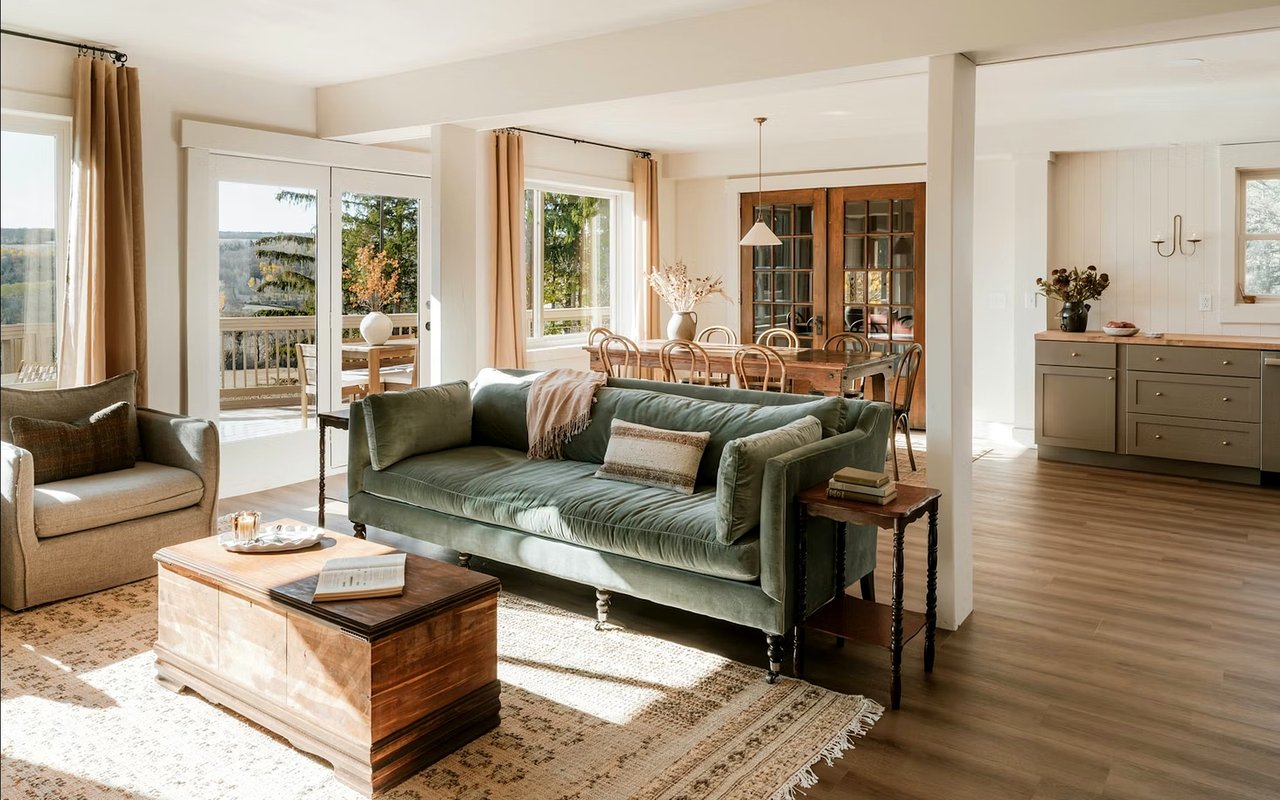
Newer construction often features open-concept floor plans with higher ceilings and larger windows. These homes can handle bigger furniture, bolder silhouettes, and more contrast. If you're working with a great room where the kitchen, dining, and living areas flow together, you'll want to think about how each piece relates to the others across a wide sightline.
Craftsman and bungalow-style homes tend to have lower ceilings, built-in cabinetry, and original woodwork. Furniture in these spaces should lean into that warmth rather than compete with it. Low-profile sofas, natural wood finishes, and earth-toned upholstery all complement the character of these older homes without overwhelming their proportions.
Newer construction often features open-concept floor plans with higher ceilings and larger windows. These homes can handle bigger furniture, bolder silhouettes, and more contrast. If you're working with a great room where the kitchen, dining, and living areas flow together, you'll want to think about how each piece relates to the others across a wide sightline.
Architectural Styles and What Works Well
- Craftsman homes tend to benefit from mission-style or Arts and Crafts-inspired furniture with visible joinery and natural wood tones.
- Ranch-style homes pair well with mid-century modern or casual contemporary pieces that sit low to the ground and keep sight lines open.
- New construction with open floor plans can support sectional seating, statement dining tables, and furniture groupings that define distinct zones.
- Mountain contemporary homes, which are increasingly popular in foothills areas, often look best with clean lines, stone accents, and warm neutrals that echo the surrounding landscape.
Account for Light, Elevation, and Colorado's Climate
Colorado Springs sits at roughly 6,000 feet above sea level, and the light here is noticeably different from what you'll find at lower elevations. The sun is more intense, and it casts long, warm shadows during the afternoon hours that can dramatically change how colors read in a room.
When choosing upholstery and finish colors, test swatches in your actual space at different times of day. A fabric that looks like a cool gray in a showroom may shift considerably warmer under Colorado's afternoon light. This applies to wood finishes, too. Lighter woods like white oak and ash tend to hold their tone well in high-altitude light, while darker stains can sometimes read flat or heavy in rooms with strong southern exposure.
The dry climate is also worth factoring in. Colorado Springs averages very low humidity year-round, which can cause solid wood furniture to crack or warp over time if it isn't properly conditioned. When investing in solid wood pieces, look for construction that accounts for natural wood movement, and ask about finishes that help seal moisture in. Veneered furniture over engineered wood can actually be a more stable choice in dry climates.
When choosing upholstery and finish colors, test swatches in your actual space at different times of day. A fabric that looks like a cool gray in a showroom may shift considerably warmer under Colorado's afternoon light. This applies to wood finishes, too. Lighter woods like white oak and ash tend to hold their tone well in high-altitude light, while darker stains can sometimes read flat or heavy in rooms with strong southern exposure.
The dry climate is also worth factoring in. Colorado Springs averages very low humidity year-round, which can cause solid wood furniture to crack or warp over time if it isn't properly conditioned. When investing in solid wood pieces, look for construction that accounts for natural wood movement, and ask about finishes that help seal moisture in. Veneered furniture over engineered wood can actually be a more stable choice in dry climates.
Materials That Perform Well in Colorado Springs Homes
- White oak and walnut are durable hardwoods that handle the dry climate reasonably well with proper care and conditioning.
- Performance-grade fabrics are worth considering for upholstery, especially in high-traffic rooms, since the dry air can make standard fabrics feel rough faster.
- Natural stone and concrete surfaces hold up well and complement the regional aesthetic without requiring significant maintenance.
- Wool and leather tend to age gracefully in dry climates and develop a patina that adds character over time.
Scale Furniture to Your Space
One of the most common mistakes homeowners make is choosing furniture that's the wrong scale for a room. This is particularly easy to do when buying online or in large showrooms where pieces are styled to look proportional in a curated setting.
Before purchasing anything, measure your rooms and map them out on paper or with a free room planning tool. Note doorways, windows, the location of outlets, and any permanent fixtures like fireplaces or built-ins. A sofa that works in a 16-foot living room may make a 12-foot room feel tight, and a dining table that seats eight might leave no circulation space in a modest dining area.
In Colorado Springs homes with mountain views, the view itself is often the focal point of the room. Arrange seating to take advantage of that sightline rather than anchoring everything around a television wall. This is especially important in homes with west-facing windows, where Pikes Peak or the Front Range foothills may be visible from your living room.
Before purchasing anything, measure your rooms and map them out on paper or with a free room planning tool. Note doorways, windows, the location of outlets, and any permanent fixtures like fireplaces or built-ins. A sofa that works in a 16-foot living room may make a 12-foot room feel tight, and a dining table that seats eight might leave no circulation space in a modest dining area.
In Colorado Springs homes with mountain views, the view itself is often the focal point of the room. Arrange seating to take advantage of that sightline rather than anchoring everything around a television wall. This is especially important in homes with west-facing windows, where Pikes Peak or the Front Range foothills may be visible from your living room.
Tips for Getting Scale Right
- Leave at least 36 inches of clearance around dining tables and 18 inches of walking space in front of sofas and chairs.
- Sofas should be roughly two-thirds the length of the wall they're placed on for balanced visual proportion.
- Coffee tables work best when they're about two-thirds the length of the sofa and close enough to reach from a seated position.
- In open-concept spaces, area rugs anchor furniture groupings and define zones; size up rather than down when in doubt.
Build Cohesion Across Rooms
In open-concept homes, visual cohesion matters more than it does in homes with distinct, separated rooms. When you can see your living room, dining area, and kitchen from a single vantage point, furniture that clashes in style or color creates visual noise that's hard to ignore.
Cohesion doesn't mean that everything has to match. In fact, rooms that rely too heavily on matching sets tend to look showroom-styled rather than lived-in. The goal is a through-line: a consistent material, a repeated color, or a shared finish that moves through the space and ties it together. You might choose warm wood tones as your anchor and then bring in leather, linen, and wool in varying textures, all within the same earthy palette.
Think about transition spaces as well. The furniture in an entryway or hallway sets the tone for the rest of the home. In Colorado Springs, where outdoor living is part of daily life, many homeowners bring elements of the landscape inside through color choices, natural materials, and references to the terrain.
Cohesion doesn't mean that everything has to match. In fact, rooms that rely too heavily on matching sets tend to look showroom-styled rather than lived-in. The goal is a through-line: a consistent material, a repeated color, or a shared finish that moves through the space and ties it together. You might choose warm wood tones as your anchor and then bring in leather, linen, and wool in varying textures, all within the same earthy palette.
Think about transition spaces as well. The furniture in an entryway or hallway sets the tone for the rest of the home. In Colorado Springs, where outdoor living is part of daily life, many homeowners bring elements of the landscape inside through color choices, natural materials, and references to the terrain.
How to Build Visual Cohesion
- Choose two to three anchor materials and repeat them across the main living areas rather than introducing new ones in each room.
- Use a consistent metal finish throughout, whether brass, black, or brushed nickel, to tie hardware, lighting, and furniture legs together.
- Layer textiles in similar weight and warmth to create a sense of continuity even when furniture styles vary.
- Consider the view through doorways and choose pieces that look intentional from multiple angles.
FAQs
What Furniture Style Works Best for Colorado Springs Homes?
Colorado Springs homes tend to suit styles that feel connected to the outdoors, including mountain modern, transitional, and casual contemporary. These styles emphasize natural materials, warm neutrals, and clean lines without being overly formal. That said, the best style is always the one that fits your specific home's architecture and your personal aesthetic.
How Do I Choose Furniture for an Open-Concept Floor Plan?
Focus on defining zones through furniture placement and area rugs rather than walls. Anchor each zone with a rug, then build the furniture grouping around it. Keep finishes and colors cohesive across zones, and make sure traffic flow between areas remains clear and comfortable.
Does Colorado's Dry Climate Affect Furniture?
Yes. Low humidity can cause solid wood to dry out and crack over time. Conditioning wood furniture regularly with appropriate products helps, and choosing furniture built with engineered wood cores or stable hardwoods like walnut reduces the risk. Performance fabrics also tend to hold up better than untreated natural fibers in very dry environments.
How Do I Make a Small Room Feel Larger With Furniture?
Choose furniture with exposed legs rather than pieces that sit directly on the floor; this creates visual breathing room. Stick to a lighter color palette for large upholstered pieces, and avoid overcrowding the space with too many items. A single large area rug often works better than several smaller ones.
Make Your Colorado Springs Home Feel Like Yours
Whether you're drawn to the rustic warmth of natural wood, the clean lines of a contemporary look, or something that blends both, the key is to start with your space rather than a trend. When your furniture reflects the scale, light, and character of your specific home, the result feels intentional rather than assembled.
Our team at Pink Realty is here to help you find a Colorado Springs home that's the right fit for the life you want to build. When you're ready to start your search, we're here to guide you through every step.
Our team at Pink Realty is here to help you find a Colorado Springs home that's the right fit for the life you want to build. When you're ready to start your search, we're here to guide you through every step.