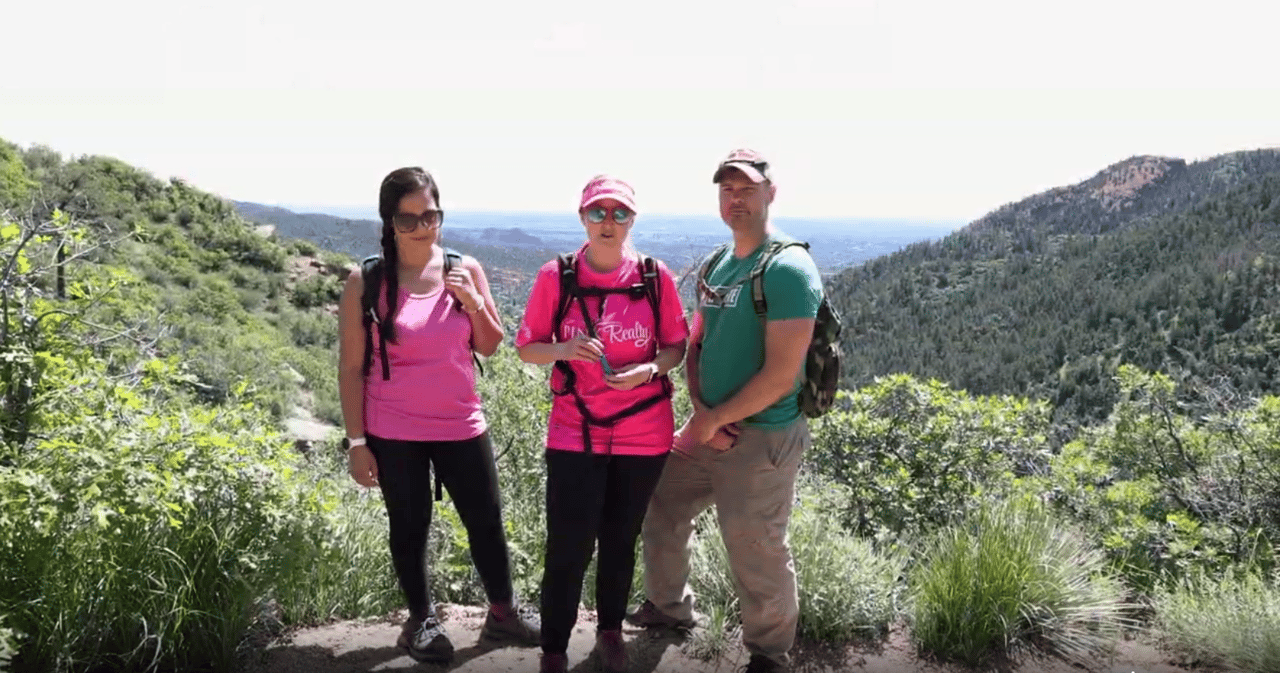
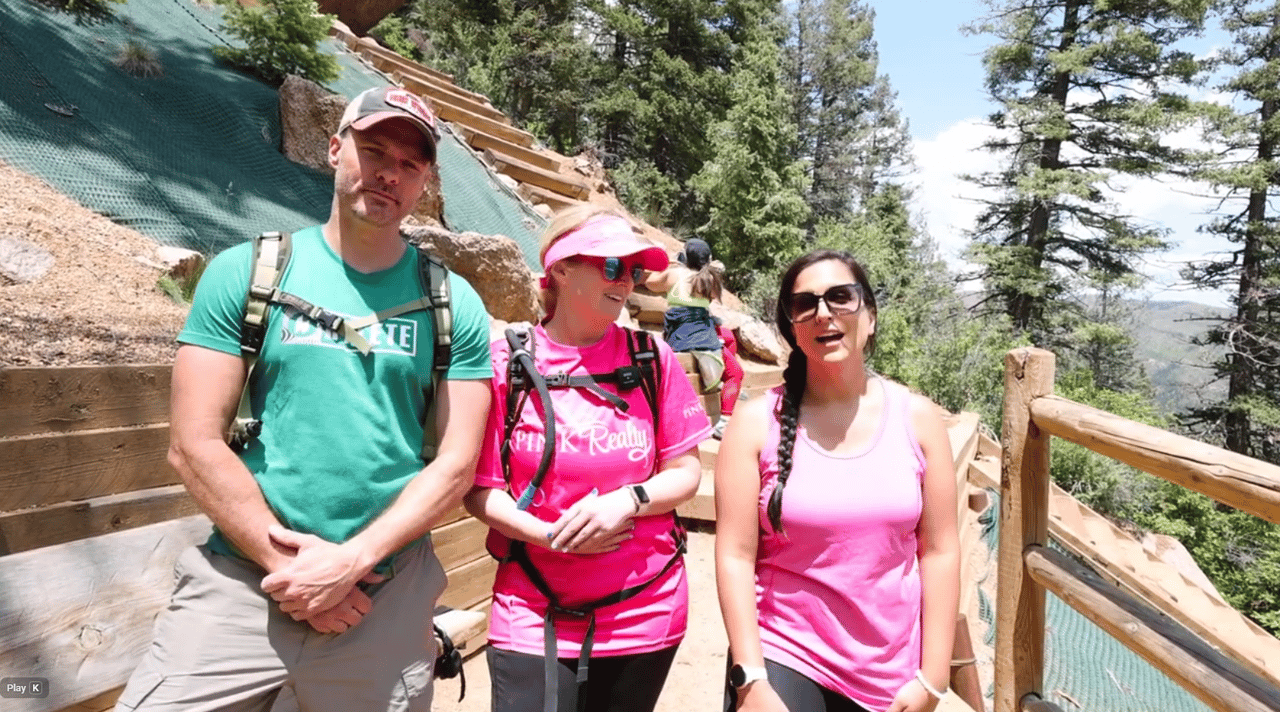
Pikes Peak and the Manitou Incline with Monica Breckenridge
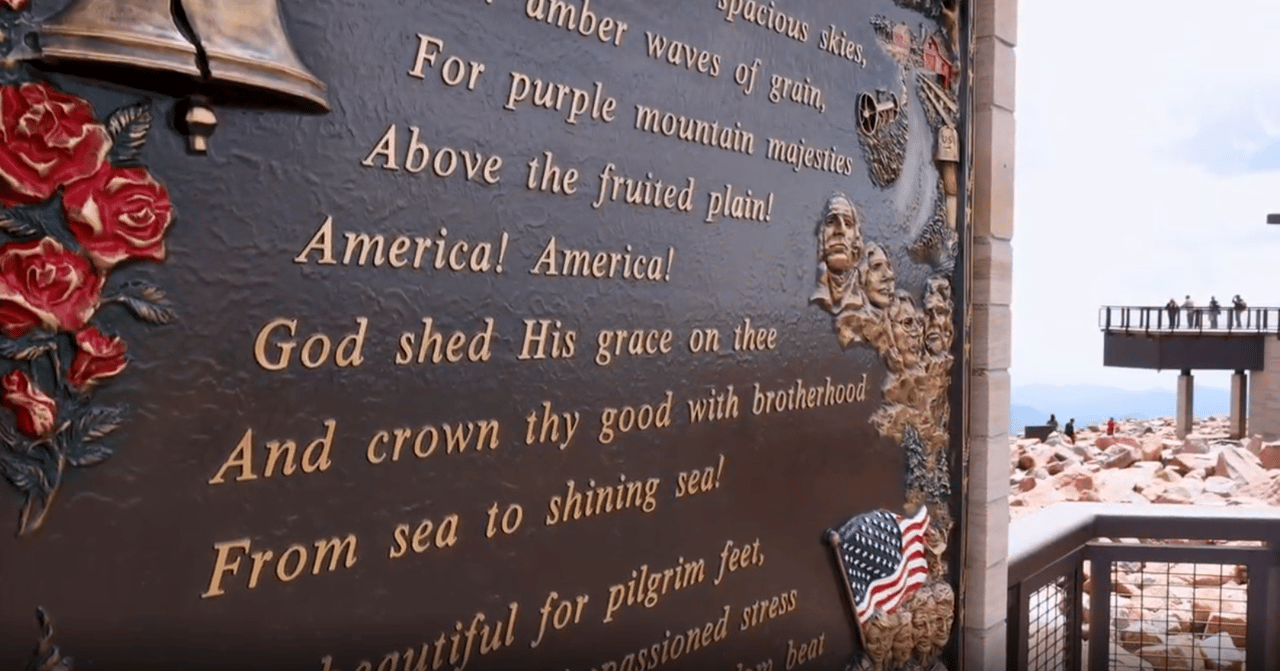
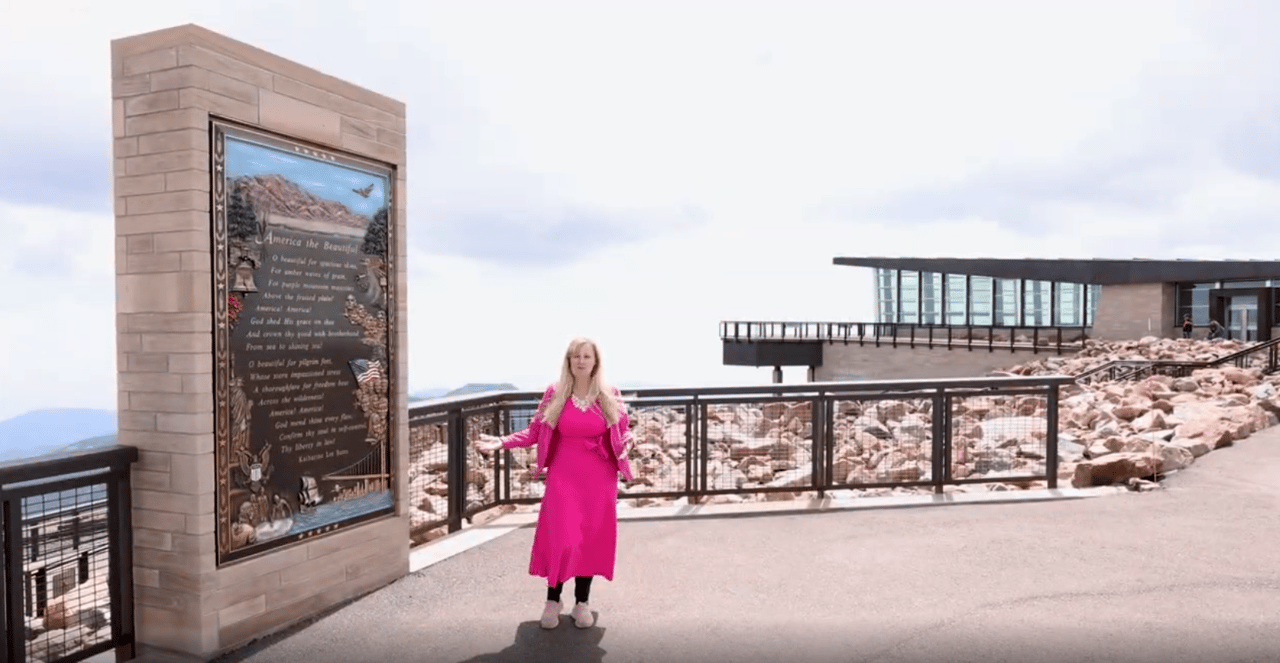
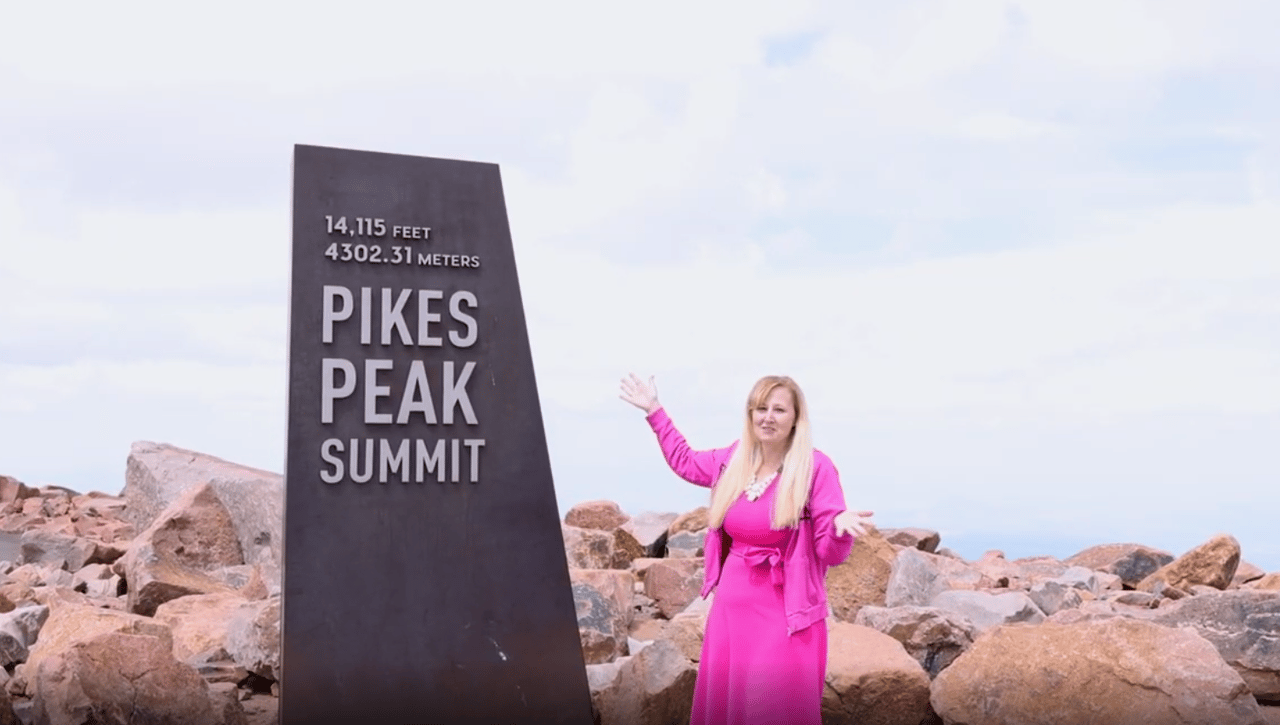
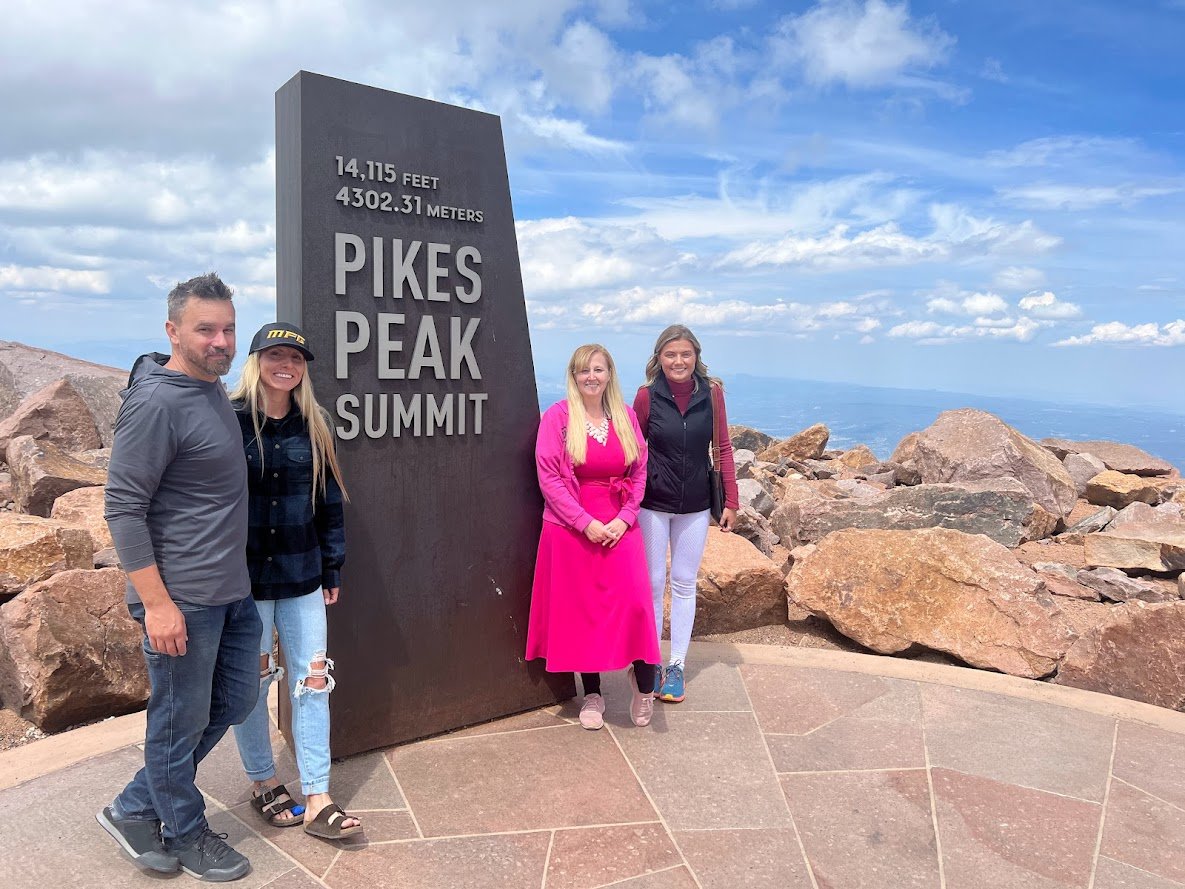
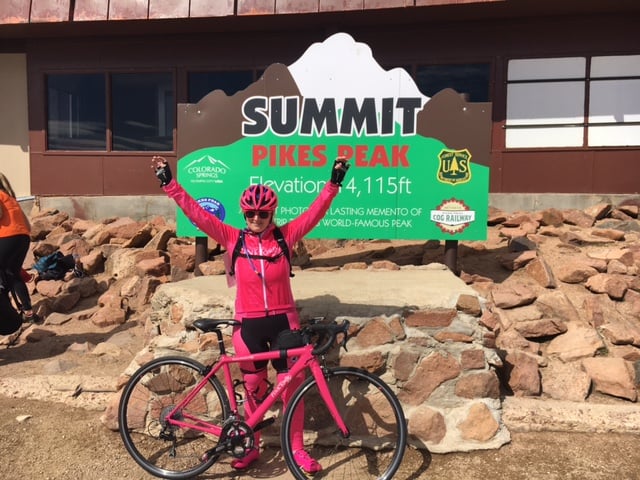
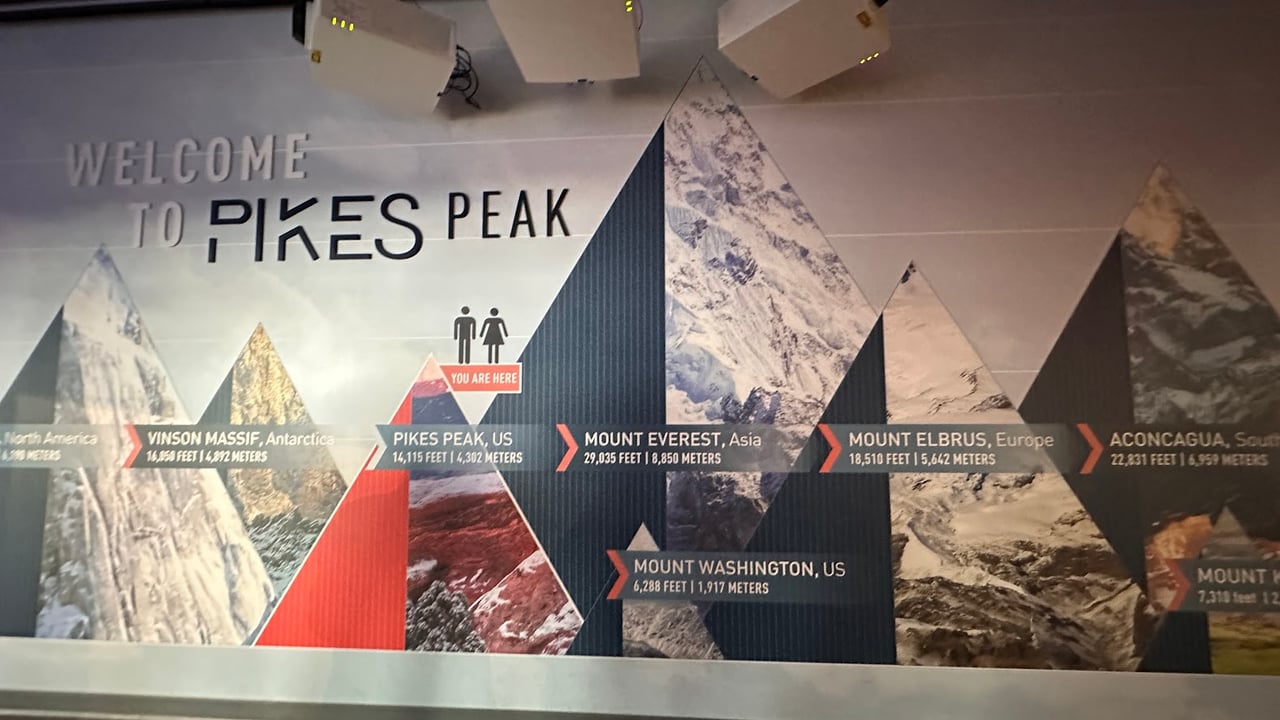
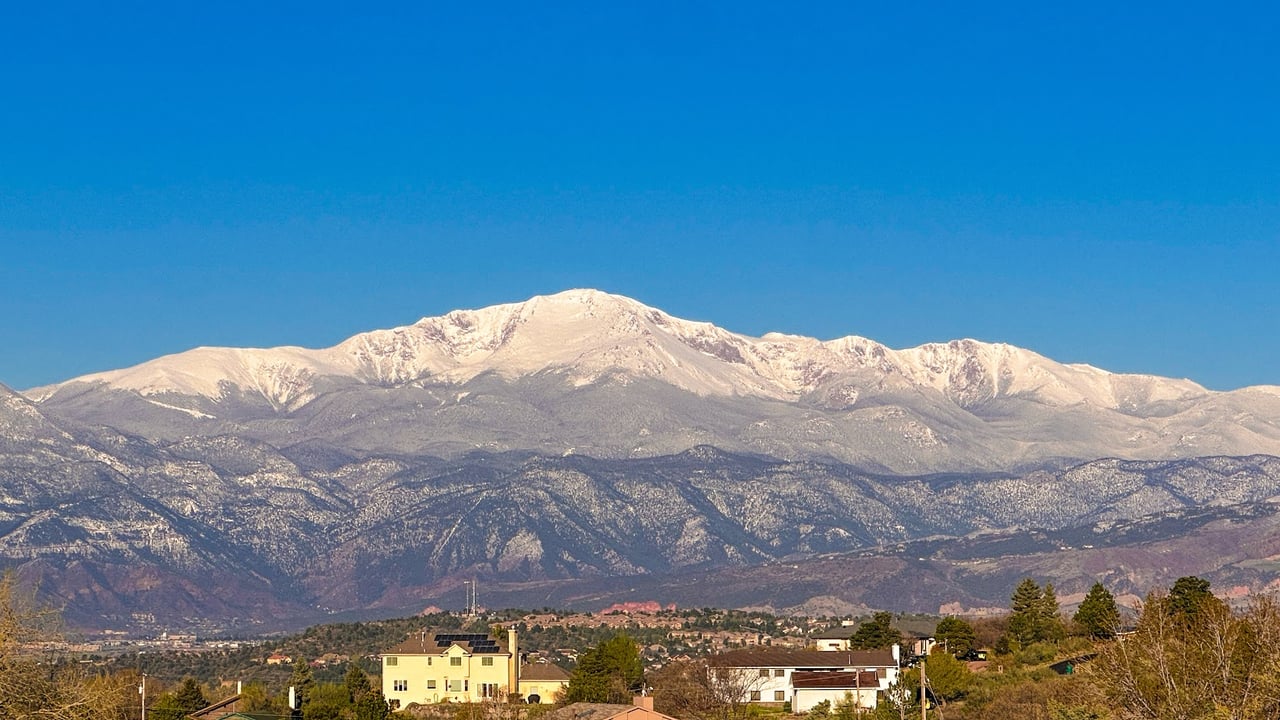
If you’ve ever stood in Colorado Springs and watched the sun cast golden light over a towering ridge, you’ve glimpsed a piece of mythology, not just geology. Pikes Peak soars to 14,115 feet, a sentinel of the Rockies and a magnet for dreamers, artists, athletes, and adventurers. Its snow-tipped summit draws pilgrims from around the globe to stand “above it all…” the very phrase that inspired Katharine Lee Bates to pen "America the Beautiful" atop its rocky heights in 1893.
And yet, not all adventures to Pikes Peak start with a summit push. In the shadow of this iconic peak lies a modern pilgrimage of a different kind: the Manitou Incline, a relentless stairway carved from old railroad grading that dares climbers to test their mettle against skyward steps and staggering views.
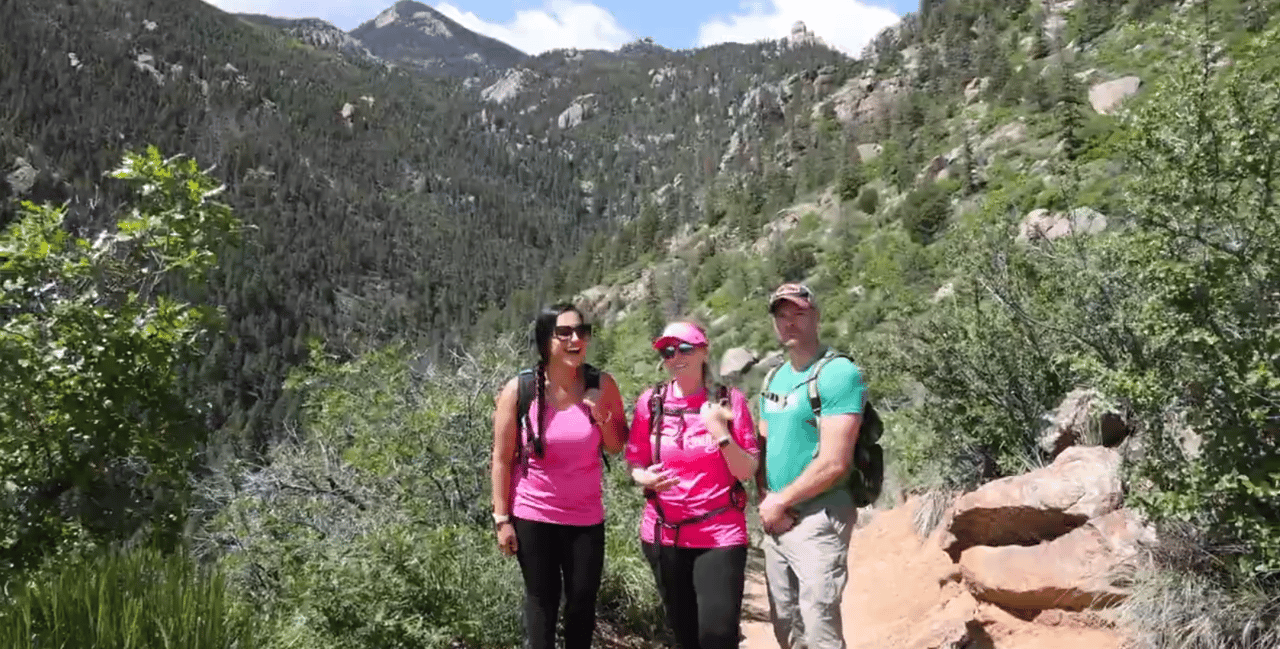
In her recent American Dream TV segment, host Monica Breckenridge guided viewers through this breathtaking landscape where history, heart-racing ascent, and alpine serenity intertwine. This is the story of America’s Mountain and the unforgettable climb that whispers to every adventurer’s spirit.
The Majesty of Pikes Peak - A Mountain for Everyone
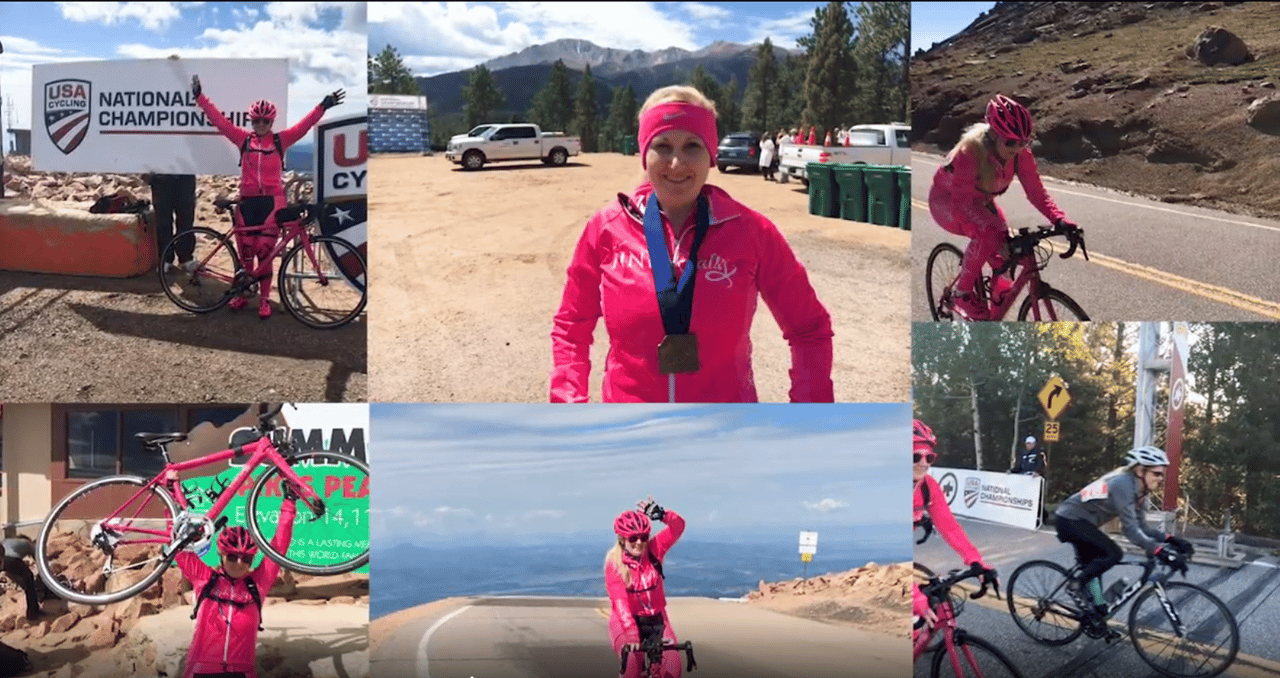
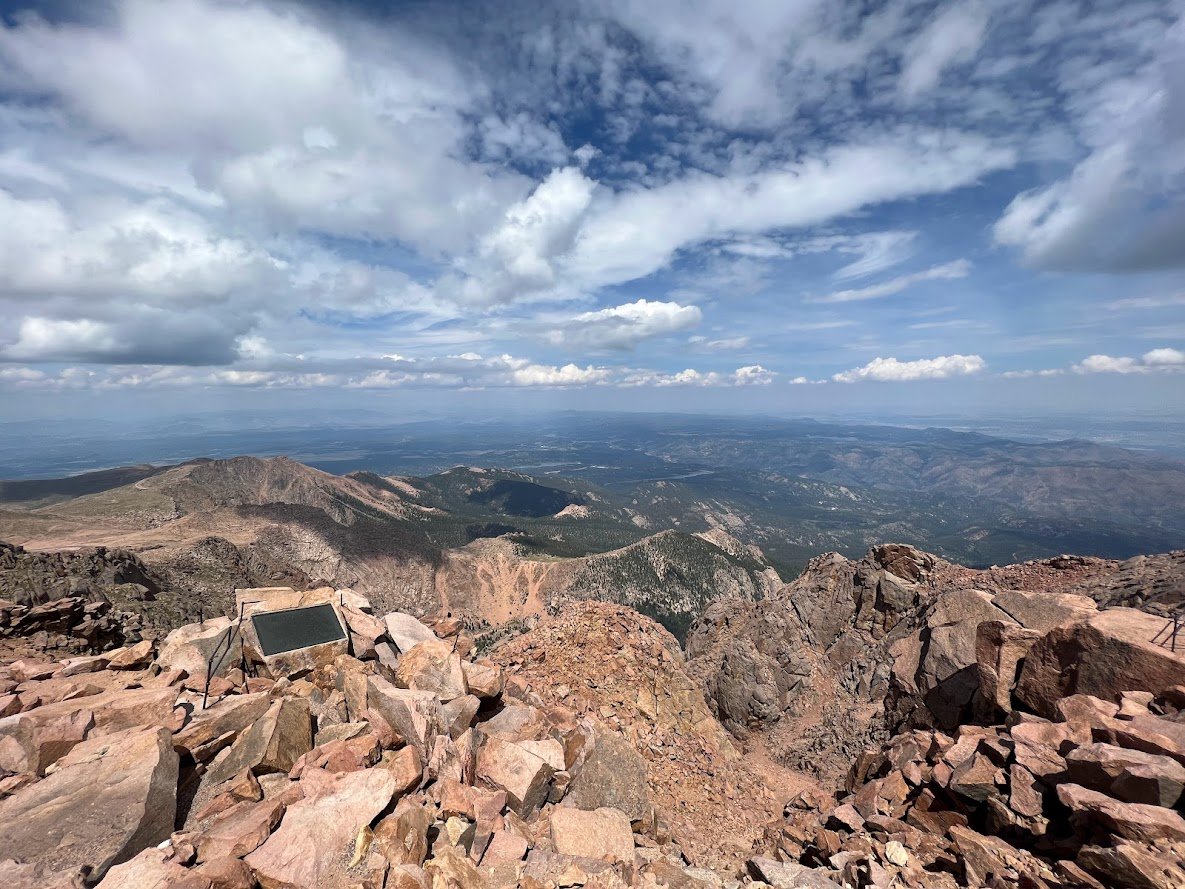
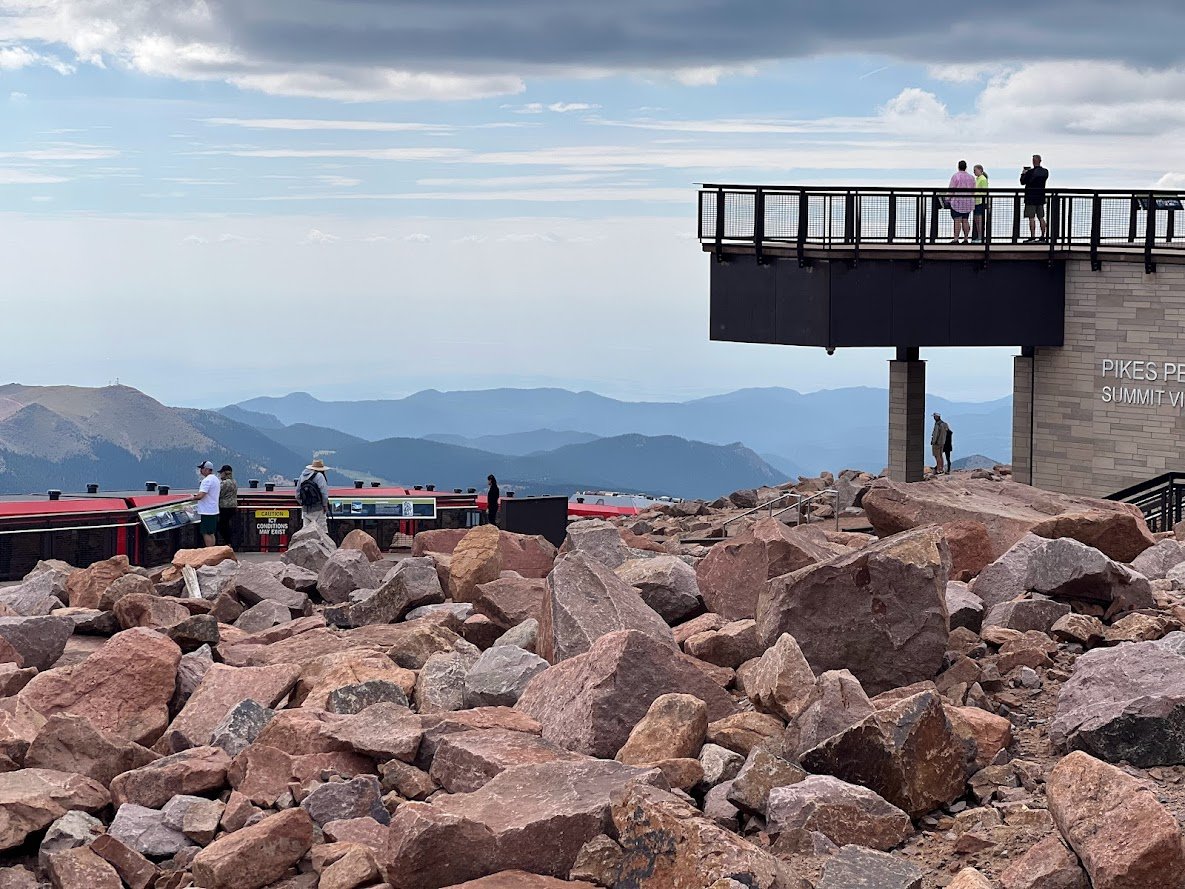
Pikes Peak isn’t just another mountain. It’s one of Colorado’s most beloved “fourteeners” peaks rising above 14,000 feet and arguably its most accessible. While many daunting alpine giants demand days of backpacking and expert mountaineering, Pikes Peak warmly invites visitors of all abilities to experience its grandeur. You can drive, ride a cog railway, shuttle, bike, hike, even enjoy a picnic all while soaking in views that stretch for hundreds of miles across alpine ridges and the rolling plains of eastern Colorado.
The mountain dominates the skyline from Colorado Springs, just under 12 miles from its base, casting a steady silhouette that defines the region’s identity. What makes it extraordinary isn’t just its height, but the accessibility of its summit experience. From early morning fog to afternoon sun-splashed valleys, Pikes Peak reveals new surprises at every turn on its 19-mile scenic highway route.
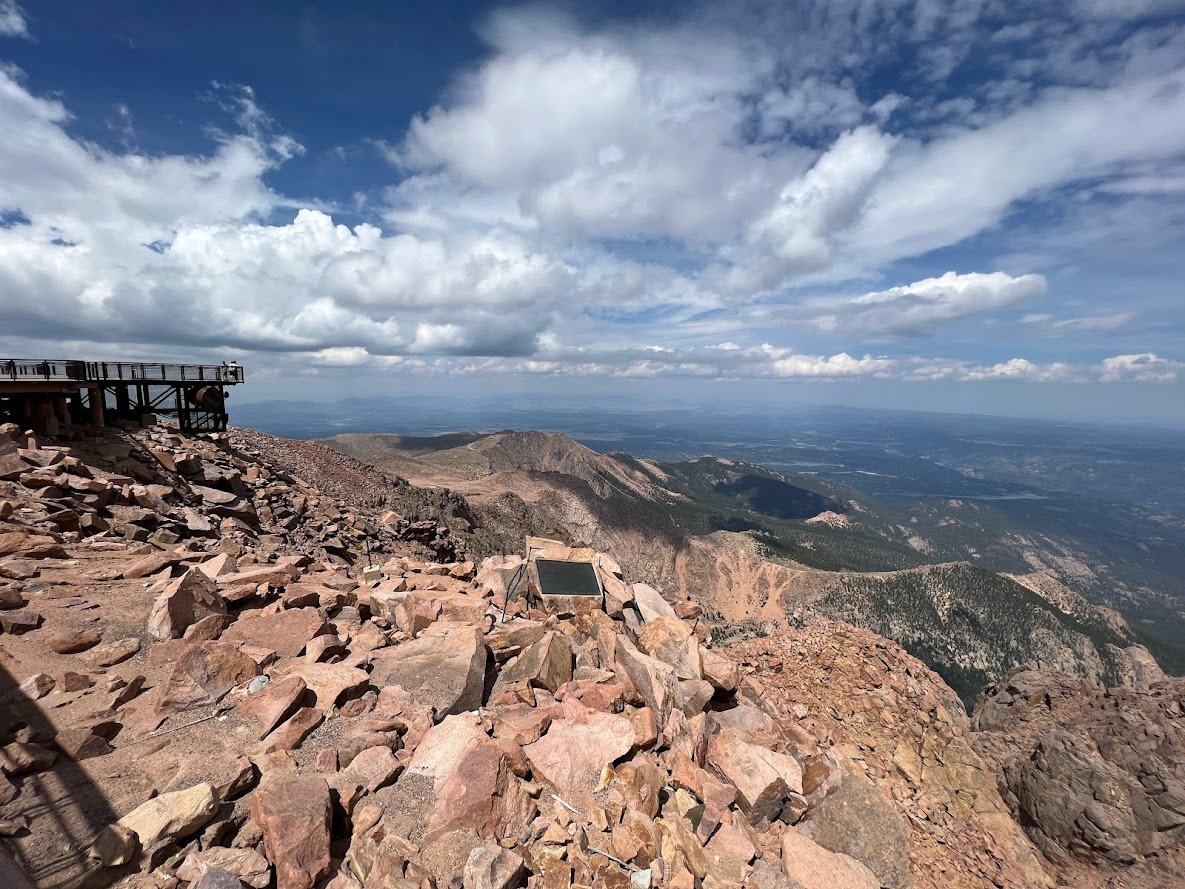
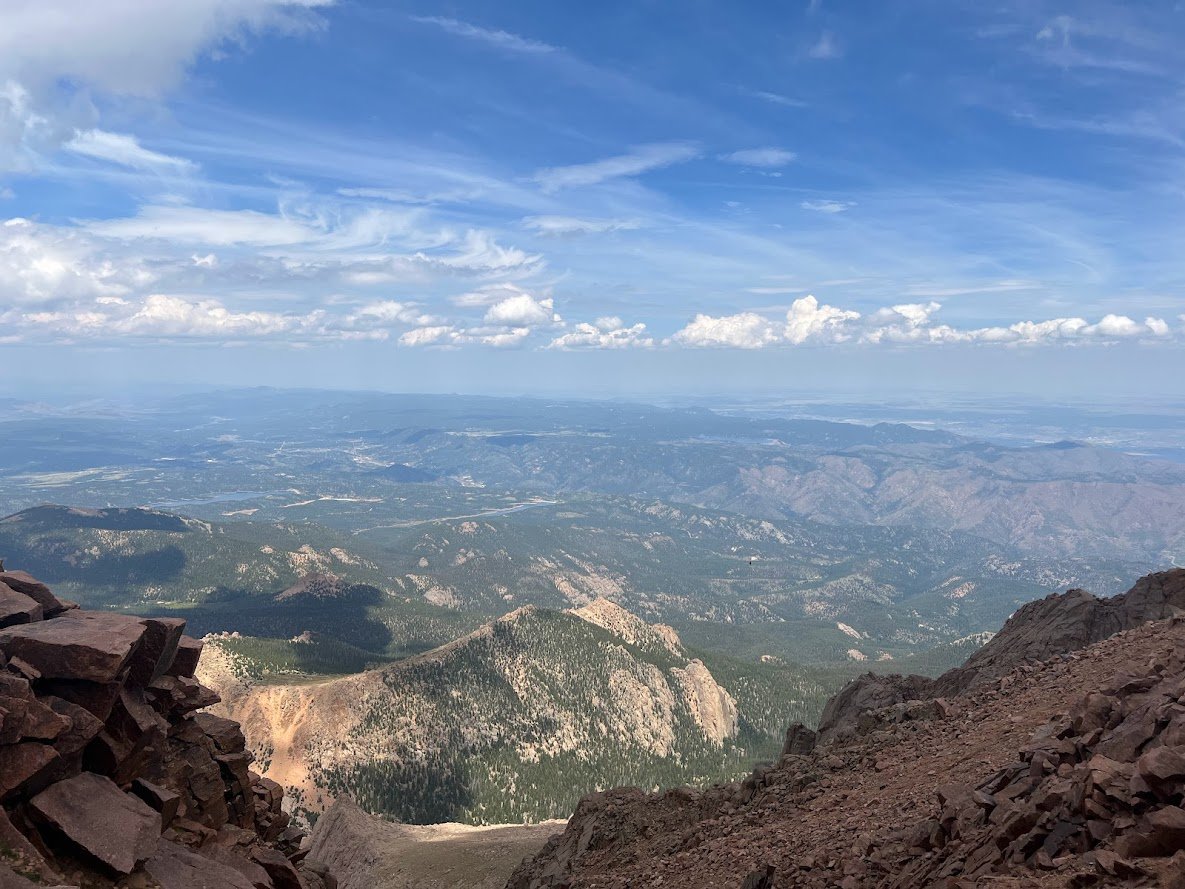
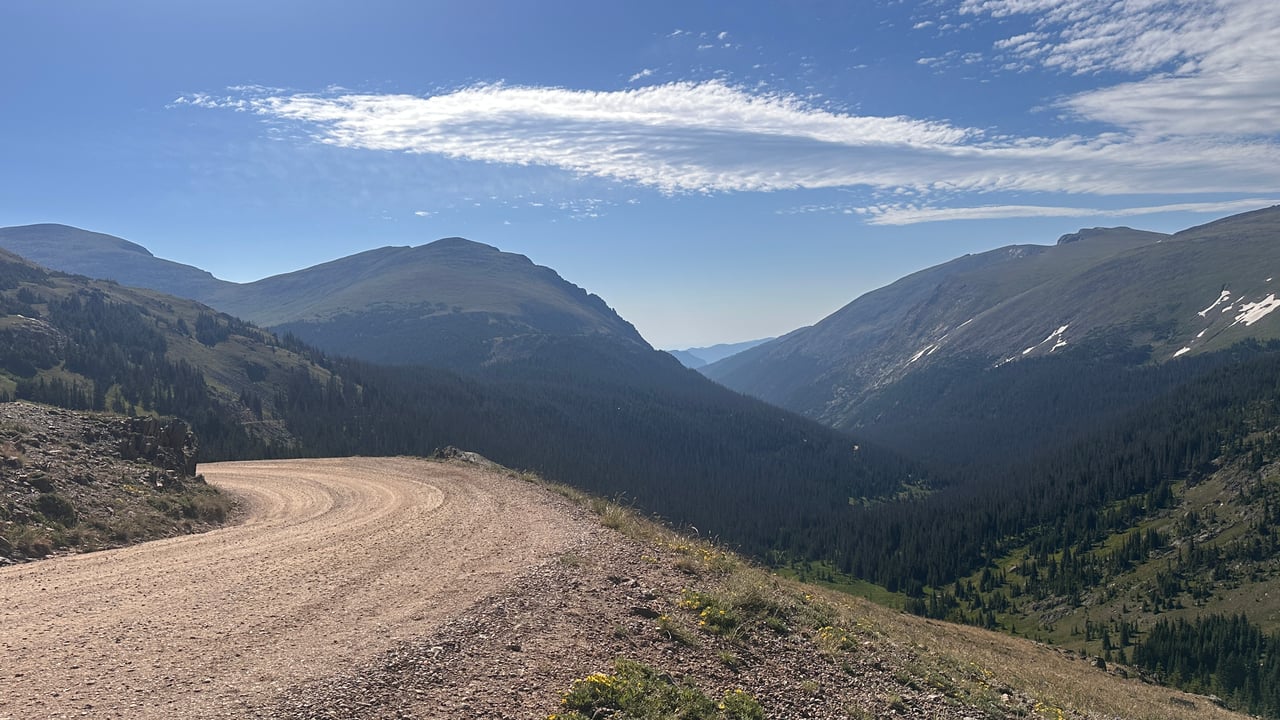
The drive itself is a rite of passage: winding through forests and high-alpine tundra, revealing snowfield lakes, waterfalls, rugged rock formations, and views that seem too vast to be real. Visitors often share nearly identical reactions, astonishment punctuated with reverence as they climb toward a summit where the horizons stretch endlessly under Colorado’s sapphire sky.
From Rails to Stairs: The Manitou Incline Transformation
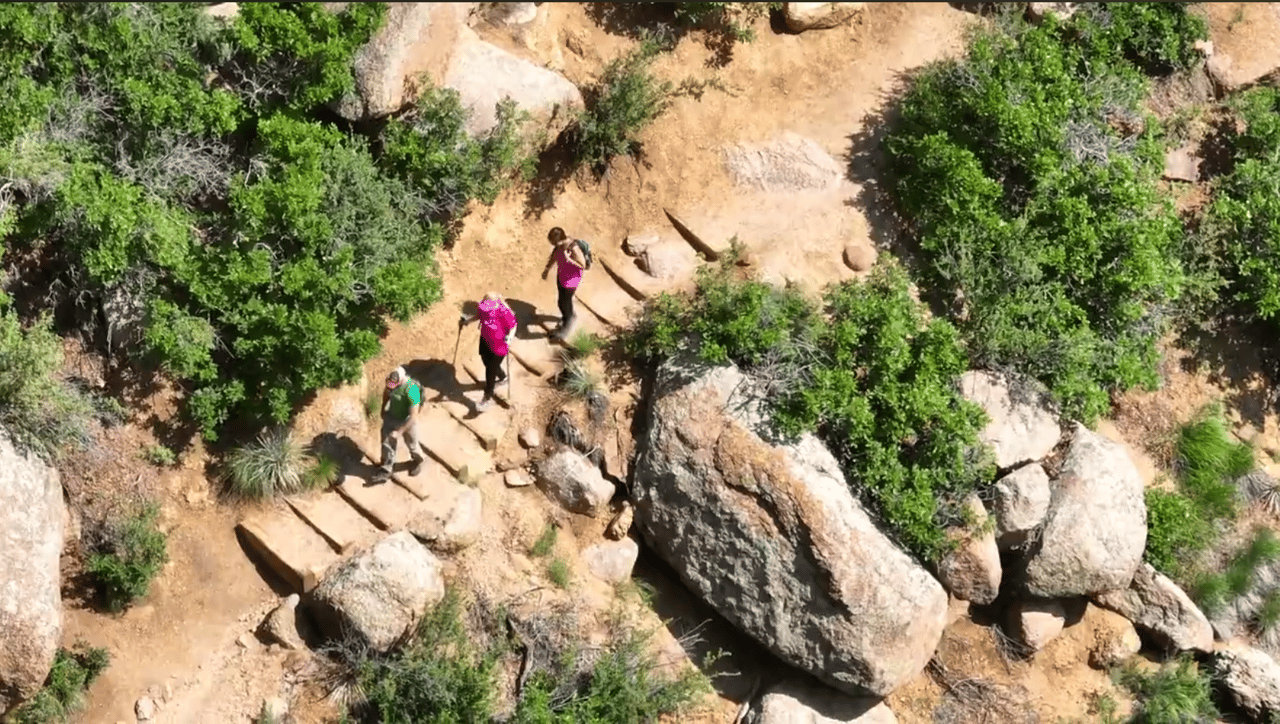
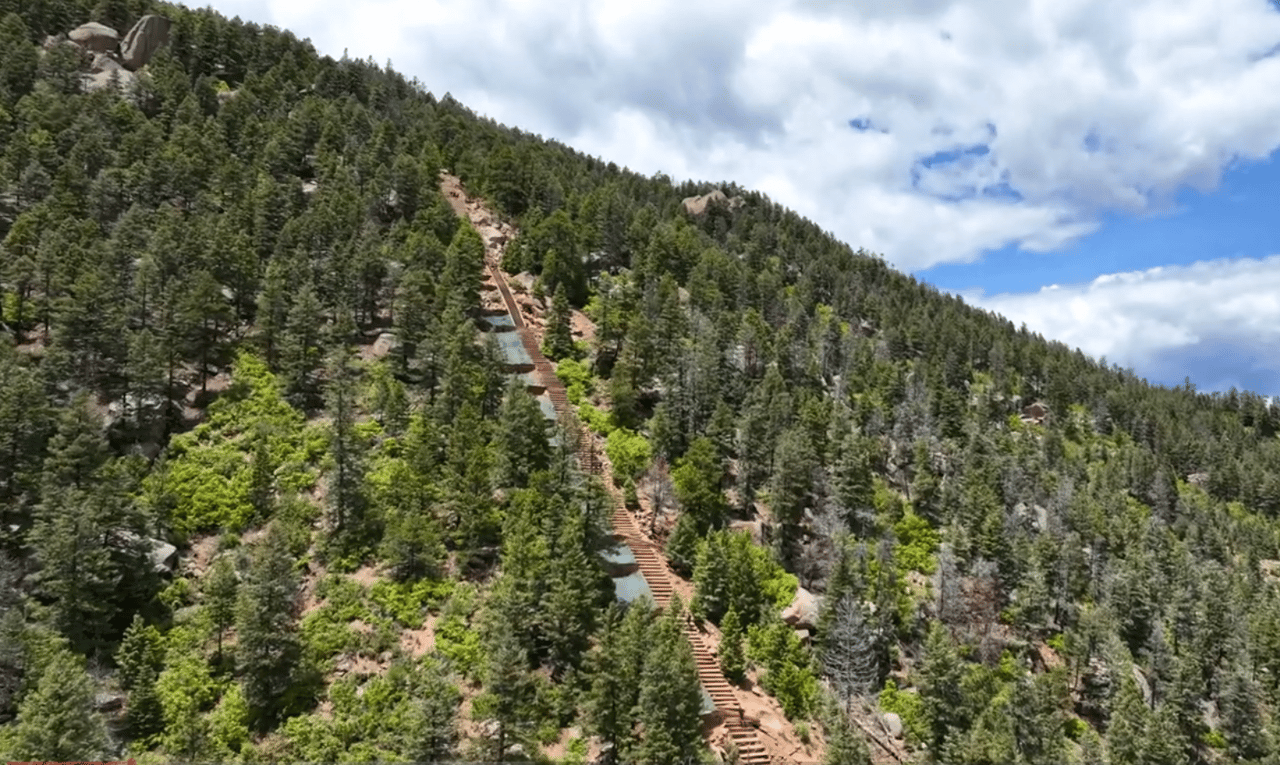
Just outside the quiet town of Manitou Springs lies a different kind of challenge. Known affectionately as “The Incline,” this trail is a 2,700+ step climb that fanatically earns its reputation as one of the most intense hikes in the country. Rising some 2,000 feet over less than a mile, it boasts an average incline of 41%, with sections nearing a jaw-dropping 68% grade.
What was once a cable car line built to ferry people and supplies up the steep slopes of Pikes Peak became obsolete after a rockslide in 1990. After decades of informal use by locals, public access was legally restored in 2013, transforming the old railroad ties into a stairway that challenges body and spirit.
The Incline isn’t just a hike, it's a cultural landmark, a badge of honor, and a must-do for athletes, tourists, and locals alike. It pulses with energy at dawn as climbers stretch, breathe, and prepare themselves mentally and physically for what comes next: thousands of steps that seem to go straight into the sky.
Walking the Trail: Heart, Grit, and Gorgeous Views
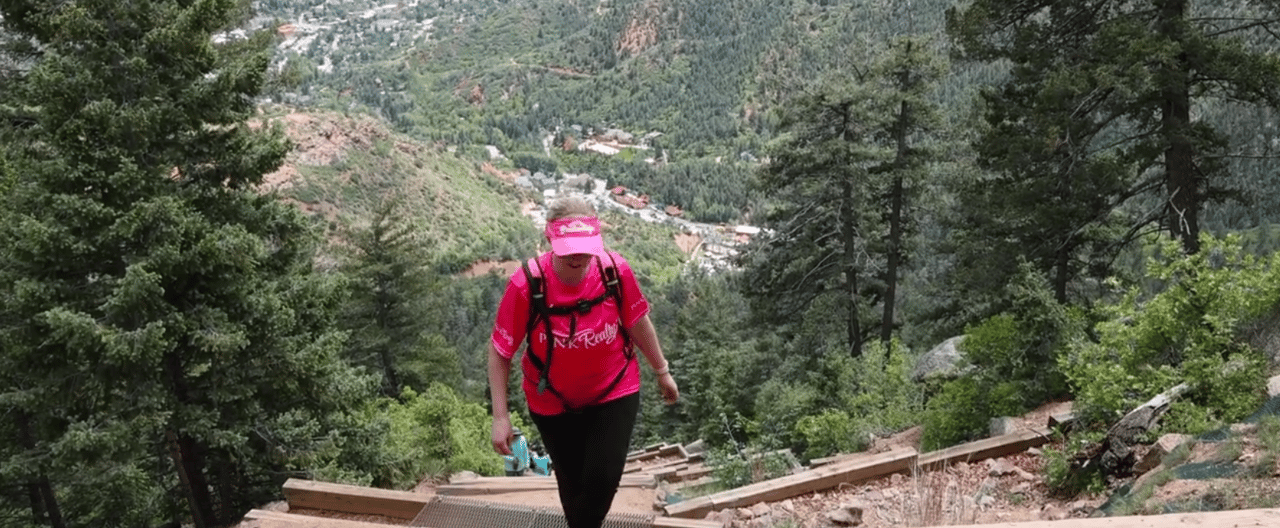
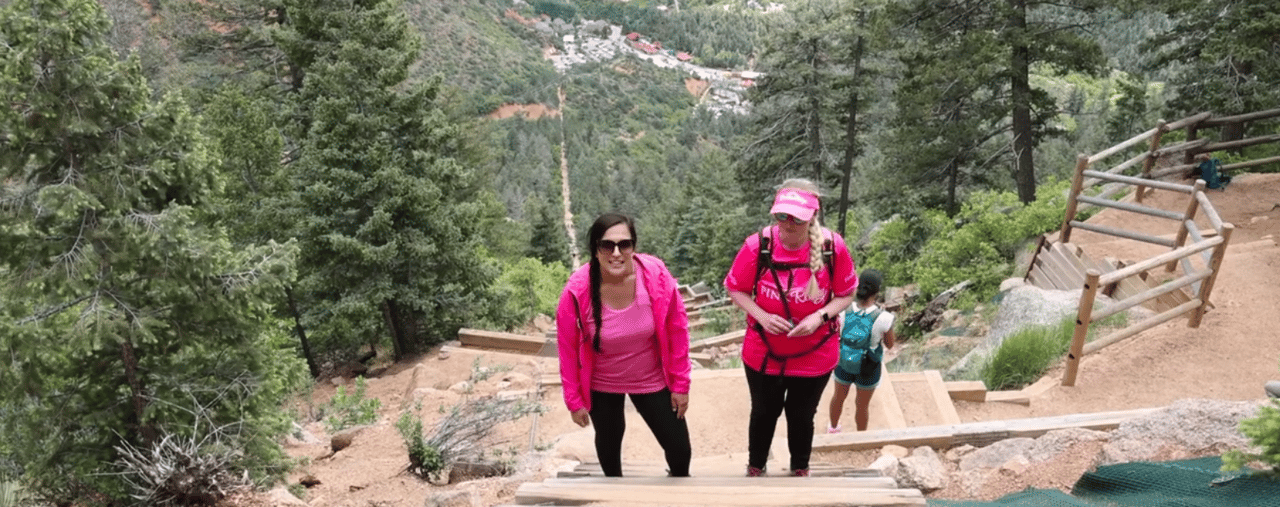
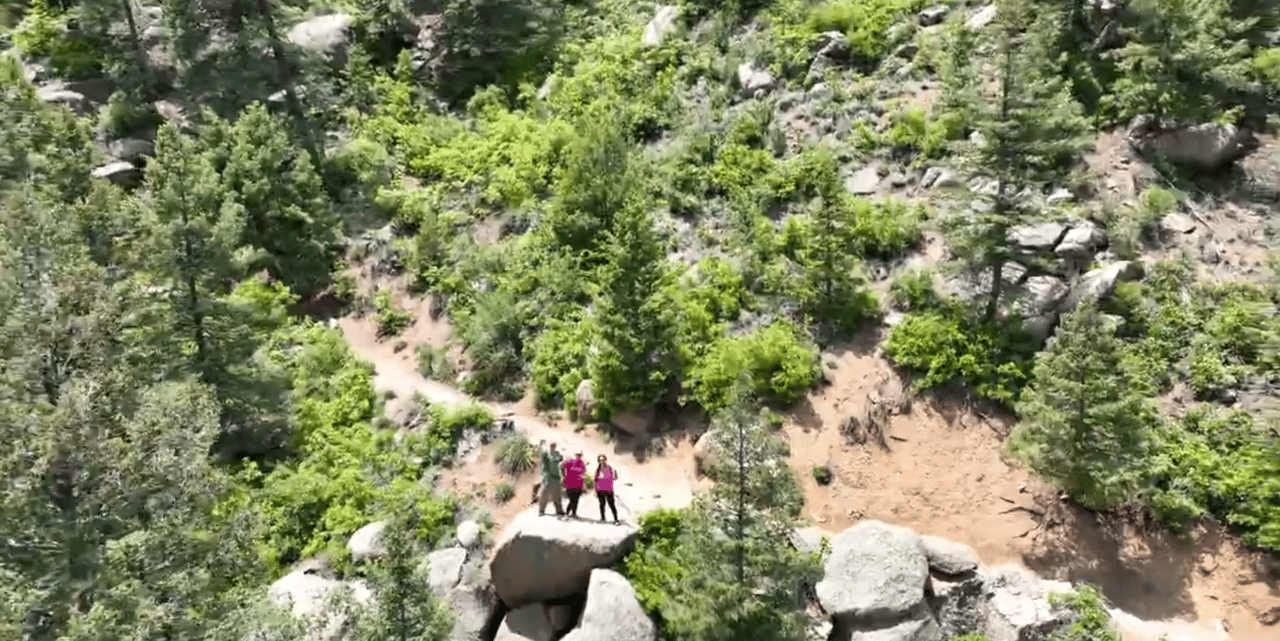
Stepping onto the trailhead of the Manitou Incline, climbers are immediately met with a long, narrow stairway rising over pine and fir forests, sun dappled and daring. Even before the physical exertion begins in earnest, the landscape prepares you: rolling foothills behind, and ahead, that first sightline to the steep ascent signals, “this will be a day to remember.”
Unlike scenic hikes measured in miles, the Incline is measured in steps of big, uneven, unrelenting railroad ties that test your rhythm and resolve from the very first set. For many climbers, the name of the game isn’t speed, it's breath control, pacing, and pausing to appreciate viewlines that unfold with every step upward.
Trail etiquette becomes part of the journey too: climbers ascending yield space to those descending, and there’s a shared camaraderie born of mutual respect for the challenge at hand. You don’t conquer the Incline alone; there's always a nod, an encouraging word, or a shared laugh when the trail feels impossibly steep.
For the uninitiated, the first summit or what appears to be the summit is often a trick of perspective. Climbers soon learn of the “false summit” , an optical illusion that telegraphs the end, only for the true crest to reveal itself with more steps still to climb. It’s a humbling moment, and an invitation to breathe, reset, and keep moving upward.
The Ascent: A Meeting of Body and Mind
There’s a reason the Incline is rated extreme. Beyond the sheer physical intensity, altitude plays a role too. At over a mile above sea level to start, and climbing nearly another 2,000 vertical feet, hikers feel the thin air and respect it. Water, electrolytes, sunscreen, and patience are essentials; discomfort or dizziness are reminders this is no ordinary step walk.
Many climbers find themselves shifting gears literally and mentally from burst sprints to planned effort, slowing to a sustainable pace. Breathing becomes a rhythm, one that balances exertion and awe. At rest breaks and yes, many climbers use them the views are nothing short of spectacular: sweeping panoramas of Colorado Springs below, crags reaching to the west, and the constant reminder that nature’s scale dwarfs human effort… yet makes it all deeply worthwhile.
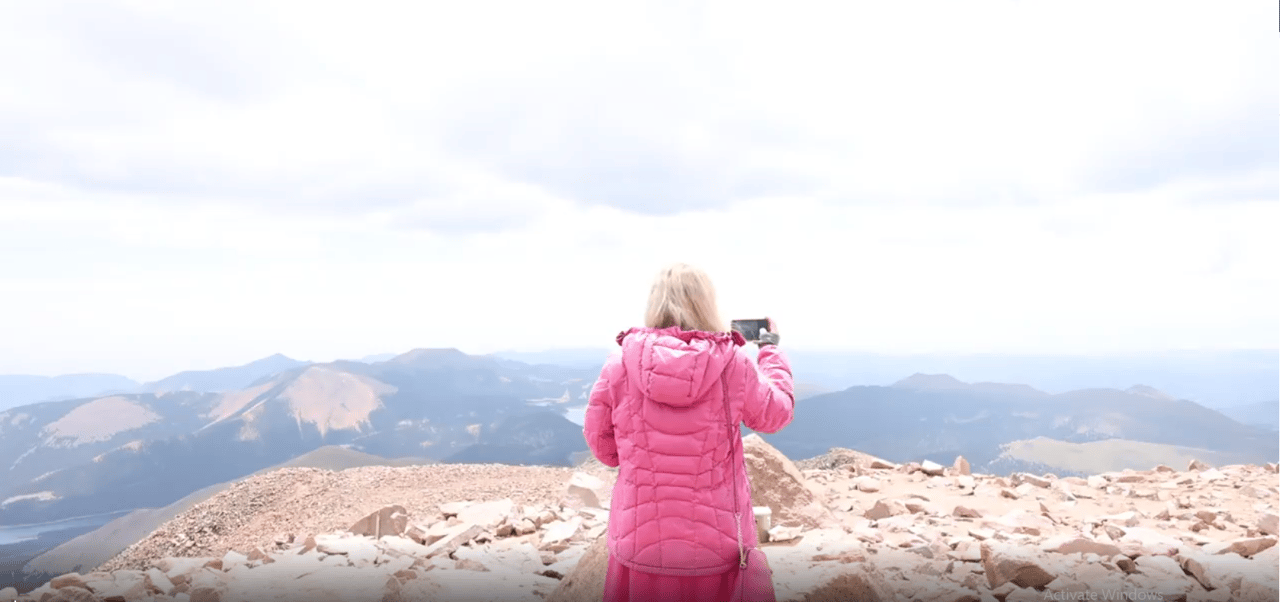
What draws people here isn’t merely the challenge, but the reward: a summit that feels earned, a sense of accomplishment that resonates deeper than muscle fatigue and sweat. And when you reach the top, there’s a moment of pure exhilaration. The crest offers a place to catch your breath, snap photos, and feel something visceral: pride, peace, wonder.
Pikes Peak: A Summit Within Reach
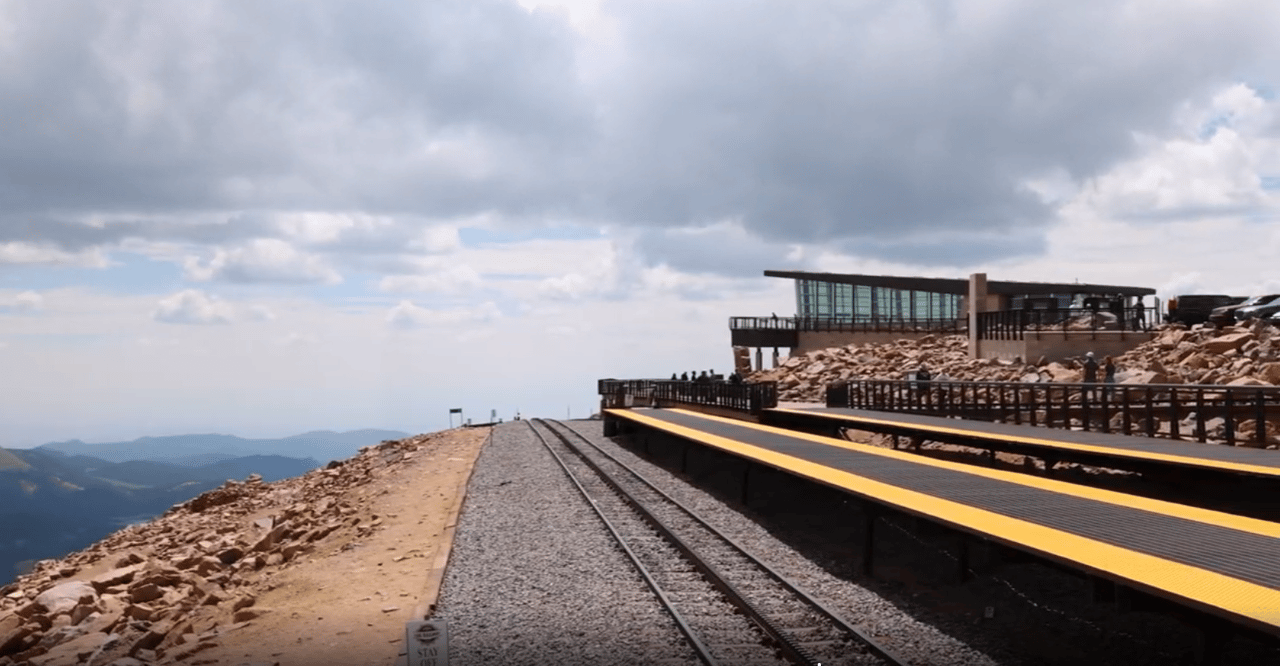
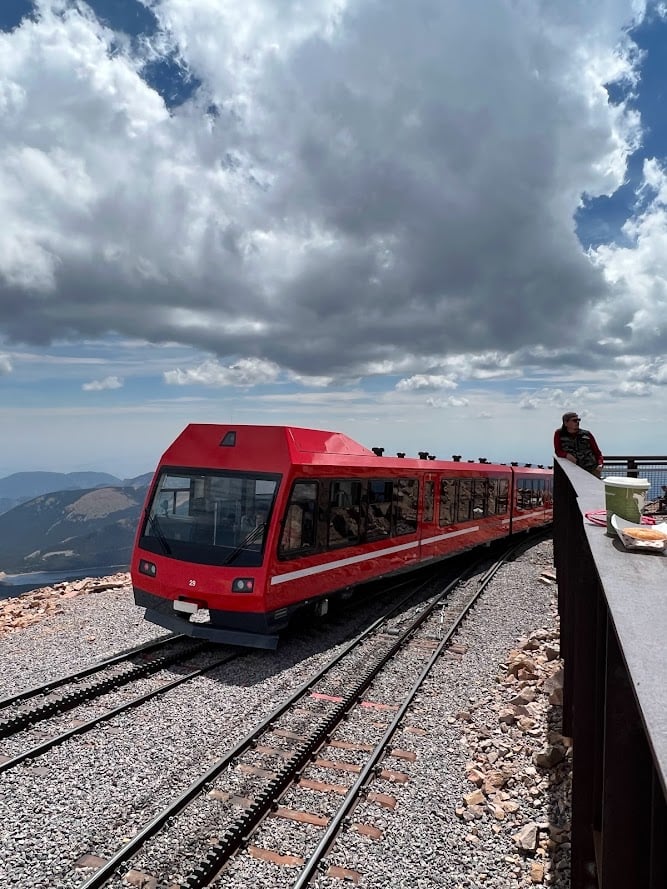
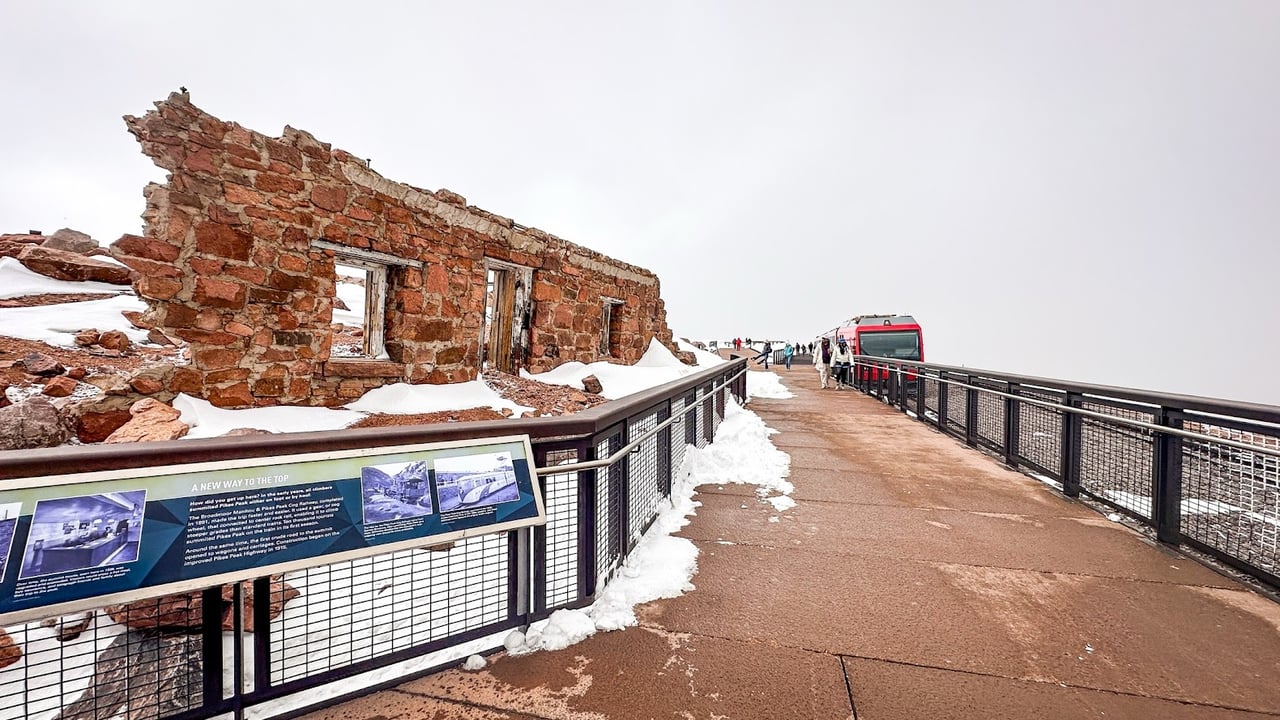
Meanwhile, the broader legacy of Pikes Peak looms large. For many, the climb up the Incline is a gateway, a stepping stone to even greater adventures on the mountain itself. Pikes Peak beckons with experiences that match every appetite: scenic drives that wind through four distinct life zones, shuttle buses that let you soak views without the drive, and the famed cog railway, a century-old rail adventure that chugs toward the summit in leisurely comfort.
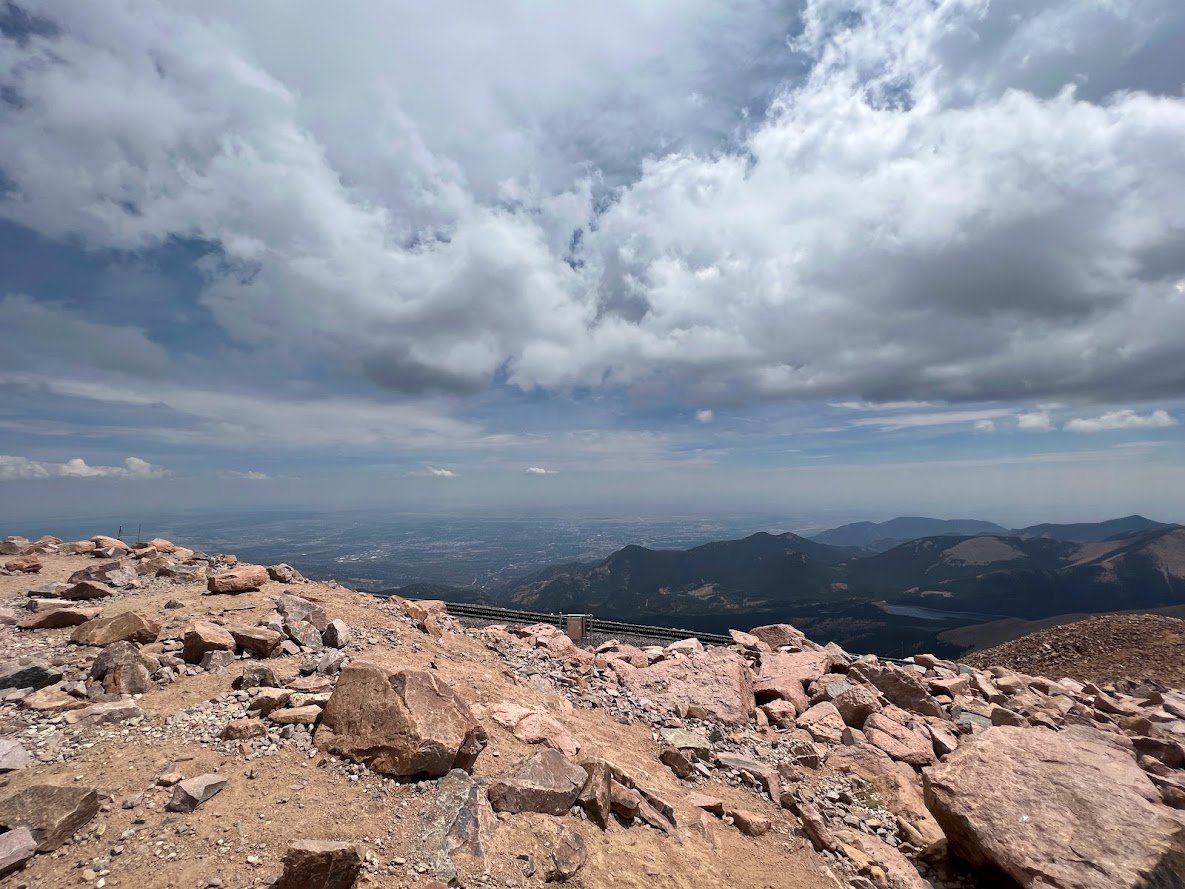
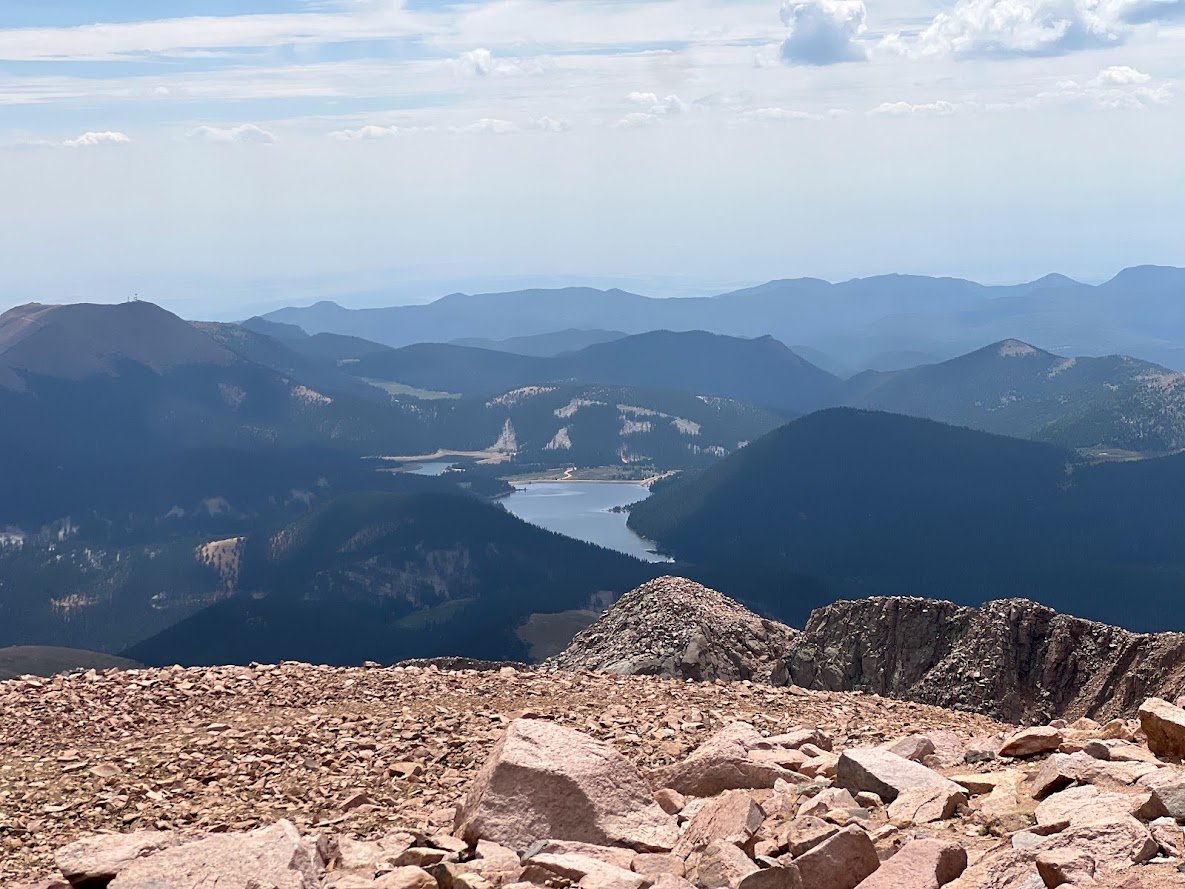
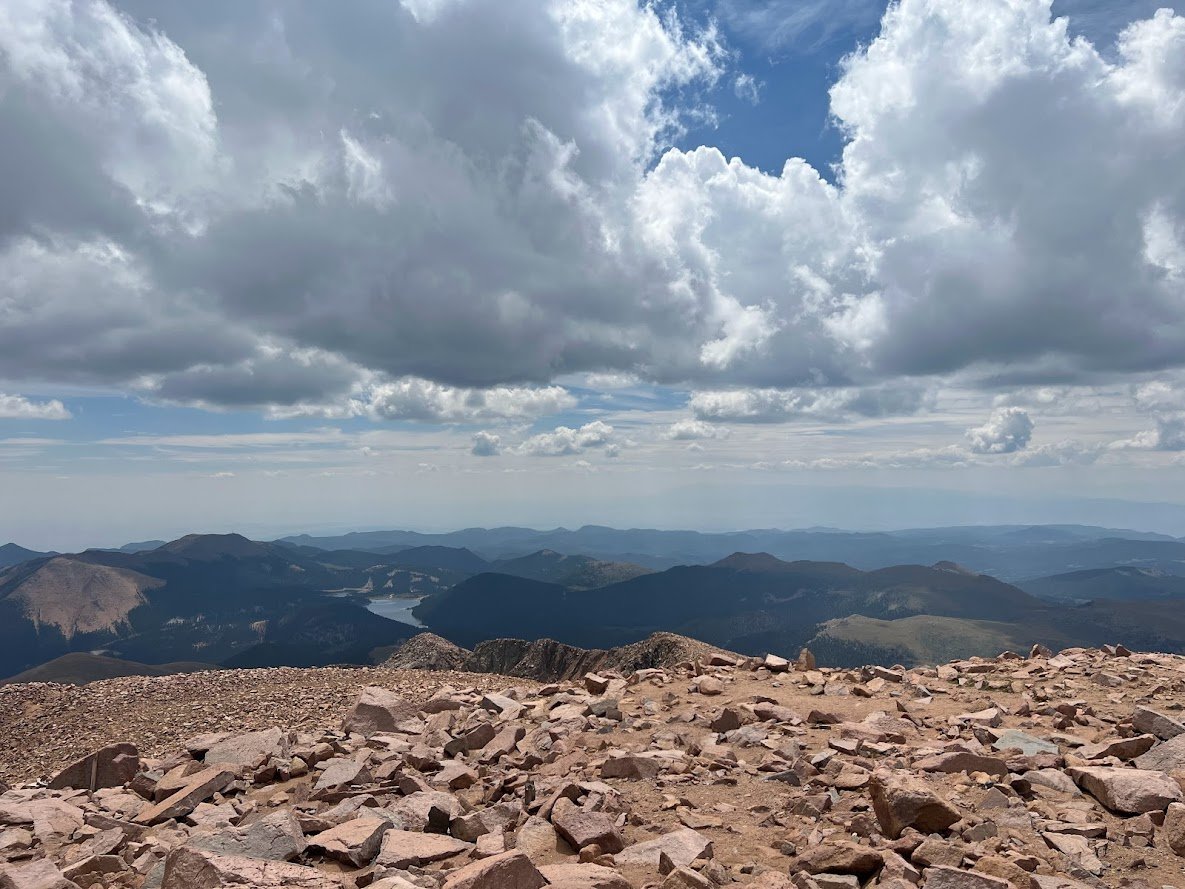
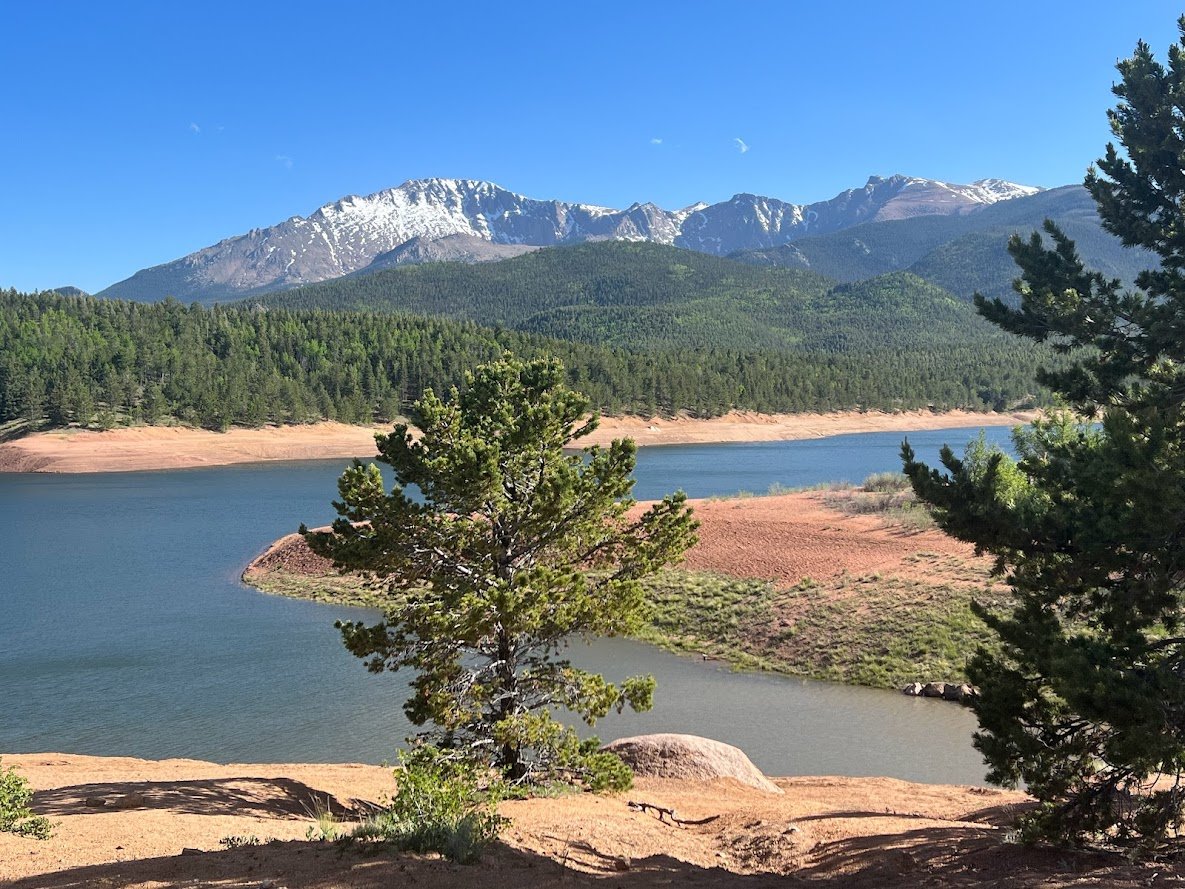
The highway up Pikes Peak is legendary. Spanning 19 miles of winding roadway, it’s a scenic corridor where views shift with every curve. Crystal reservoirs glint in alpine light. Trailheads spill with hikers bound for rugged summits. And from the top? You feel like you could touch the horizon. It’s a panoramic spectacle few places on earth can rival.
Along the way, you encounter ecosystems that change as you climb: forests dense with whispering pines give way to open tundra, rocky outcrops, and alpine meadows. Wildlife sightings are common: elk, marmots, hawks each moment offering a reminder that this mountain is alive in every season.
History and Heart: The Stories Behind the Stone
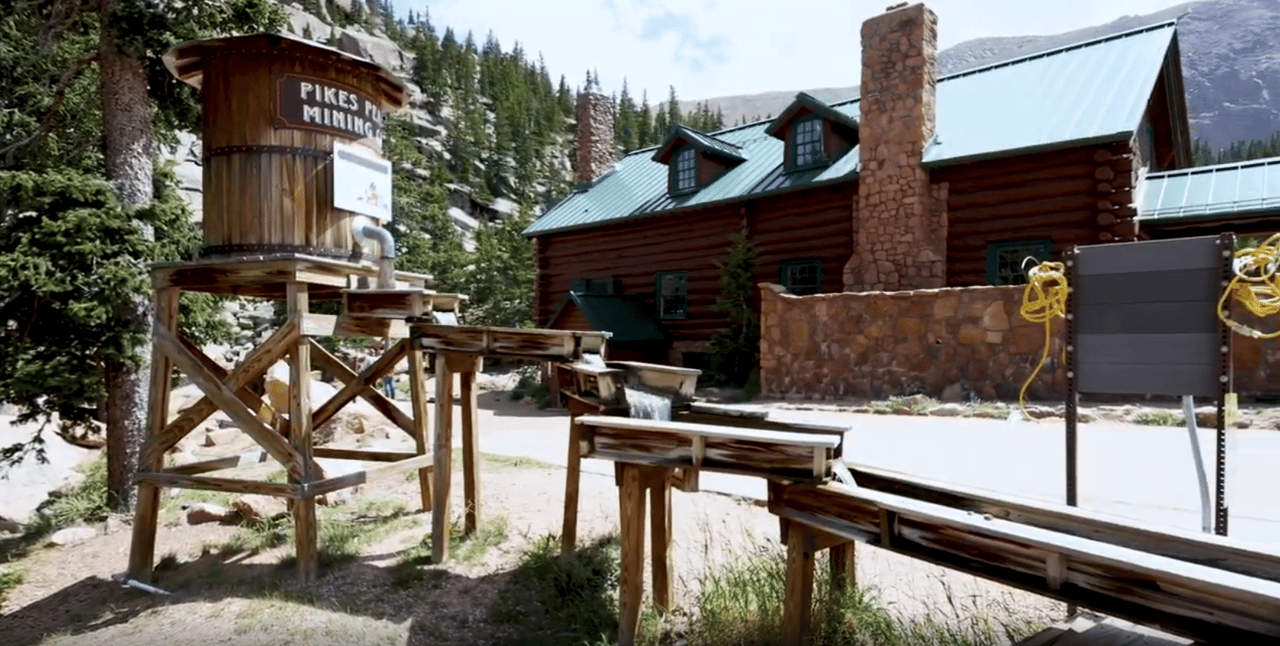
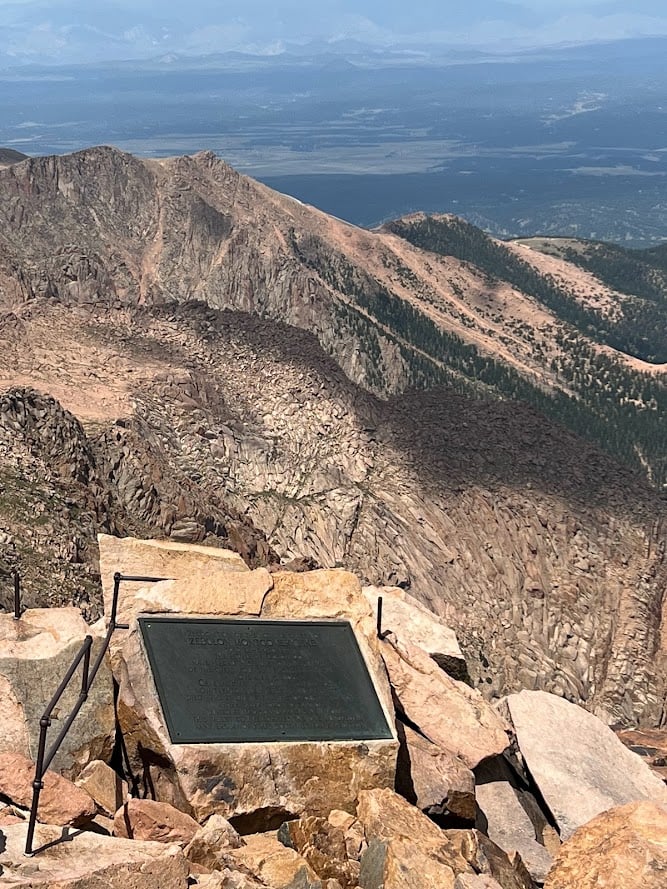
Pikes Peak wouldn’t be what it is without its deep cultural roots. Long before it was christened in 1806 for explorer Zebulon Pike, Indigenous peoples like the Ute revered this mountain and the lands that surround it. For centuries, it served as a natural landmark, spiritual anchor, and seasonal home.
In the 19th century, Pikes Peak became immortalized during the Gold Rush, the cry “Pikes Peak or Bust” emblazoned on wagons and hearts alike as tens of thousands poured into Colorado Territory chasing fortune and new beginnings. Its summit inspired Katharine Lee Bates to write words that echo in every patriotic heart, and the mountain has since become a symbol not just of natural beauty, but of the American spirit: daring, bold, and unafraid to reach ever higher.
Adventure, Reflection, and the American Dream
Monica Breckenridge’s segment on American Dream TV captures more than scenery; it captures ethos. There’s something quintessentially American about standing beneath a mountain that demands effort, rewards perspective, and reminds us that beauty often requires adventure. Whether you’re driving to the summit, stepping onto the Incline’s first stair, or simply gazing skyward from Colorado Springs, Pikes Peak invites you to reflect, engage, and perhaps redefine what climbing your own mountain means.
Adventure here isn’t adrenaline alone. It's a reflection beneath towering granite. It’s breathing hard on a stair when the horizon widens beneath you. It’s the knowledge that every step upward shapes how you see the world and how you see yourself.
Tips for Your Visit
Reservations: If you plan to drive up Pikes Peak Highway, especially in peak season, you’ll need a timed-entry permit.
Prepare for Altitude: Even simple hikes feel tougher at altitude. Drink water, bring layers, and acclimate in Colorado Springs if possible.
Manitou Incline: Free reservations and waivers are required; plan early and arrive with water and sturdy shoes.
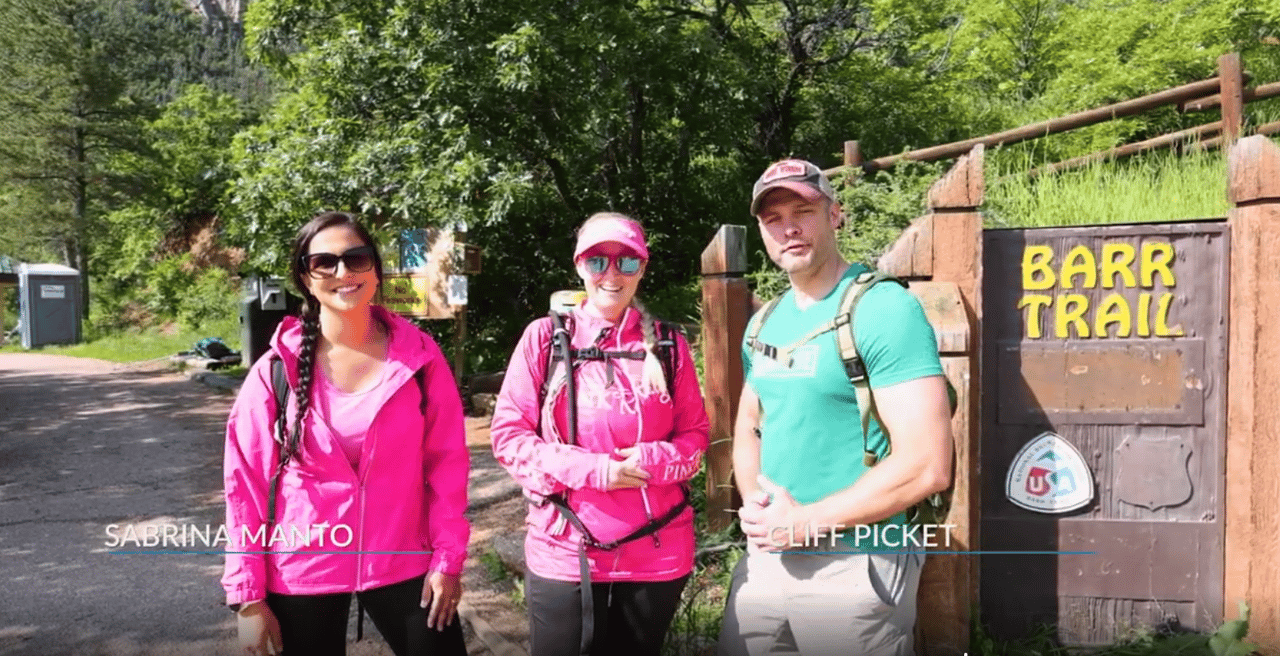
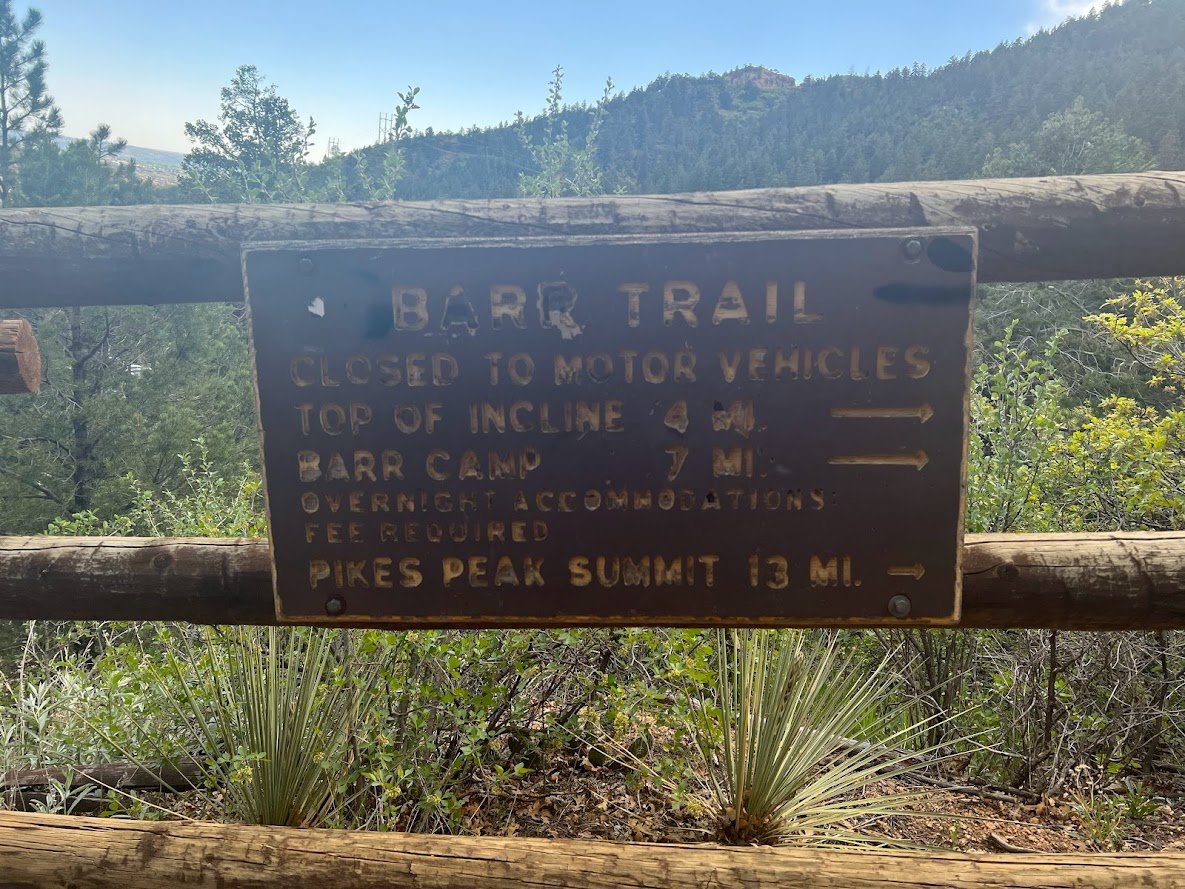
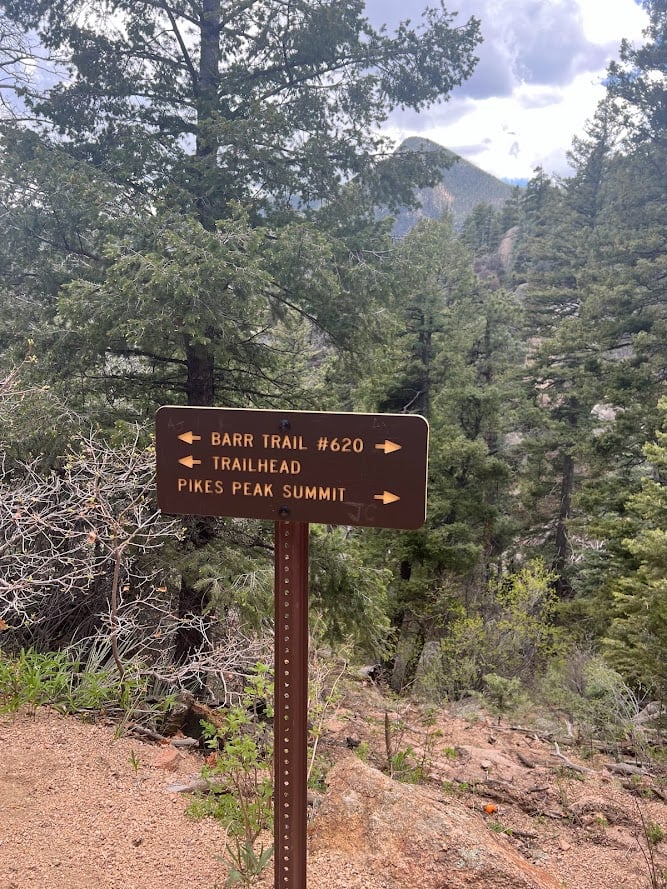
Downhill Return: If you summit the Incline, use the Barr Trail for a safer descent.
Final Step - Inspired to Climb
If there’s one thing both Pikes Peak and the Manitou Incline teach us, it’s this: nature doesn’t just offer views, it offers perspective. The mountain stands unmoved by the ambitions of those who journey upward, yet it gives so much back to those who honor its trails.
Whether you’re chasing the broad horizon from the summit of Pikes Peak or catching your breath halfway up the Incline’s stairway to the sky, you’re participating in a story as old as the Rockies and as fresh as the dawn over Colorado’s highest peaks.
And after all isn’t that what the American Dream is really about? Rising, persistently, toward something higher.